THE LOWDOWN
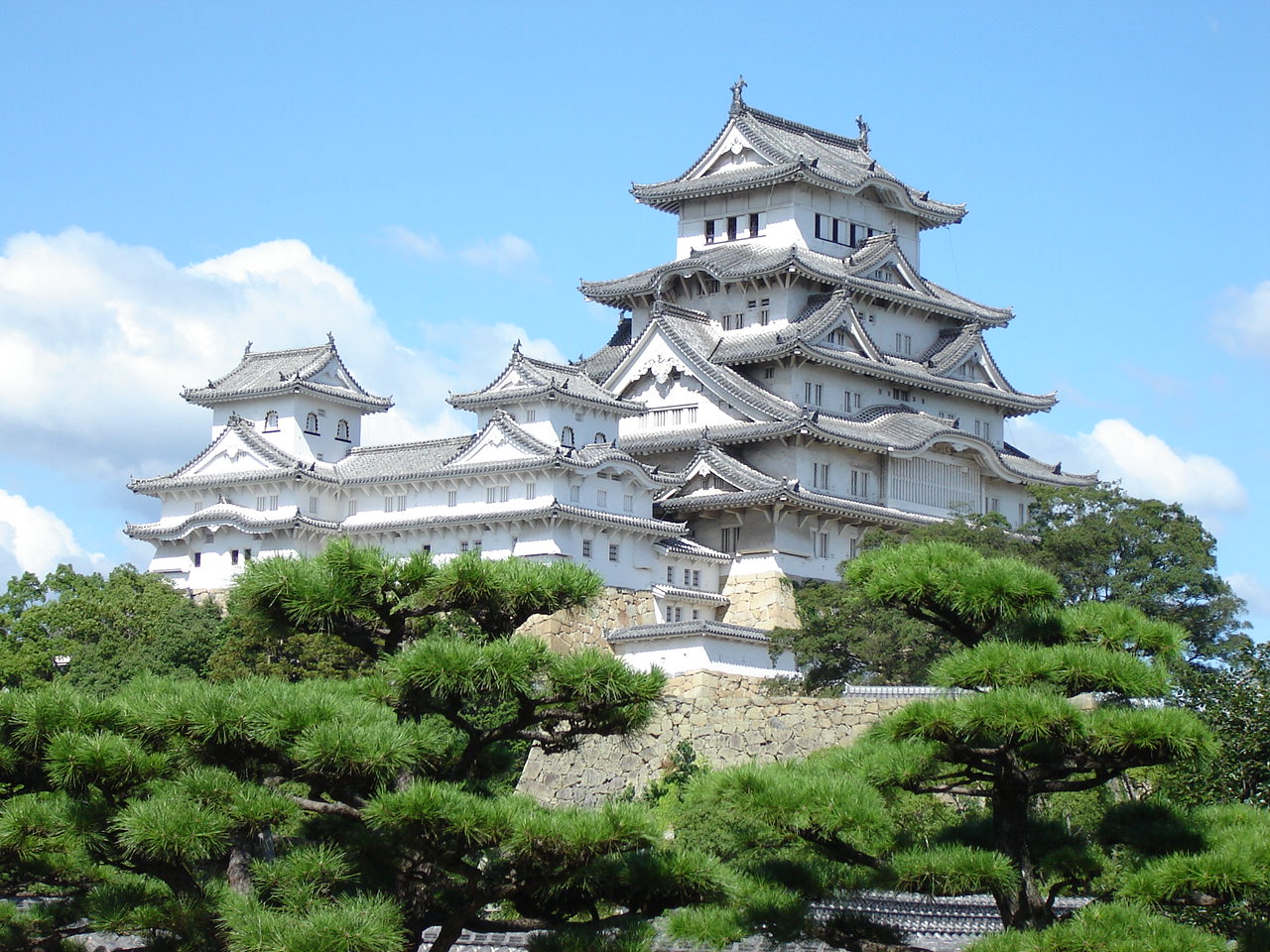
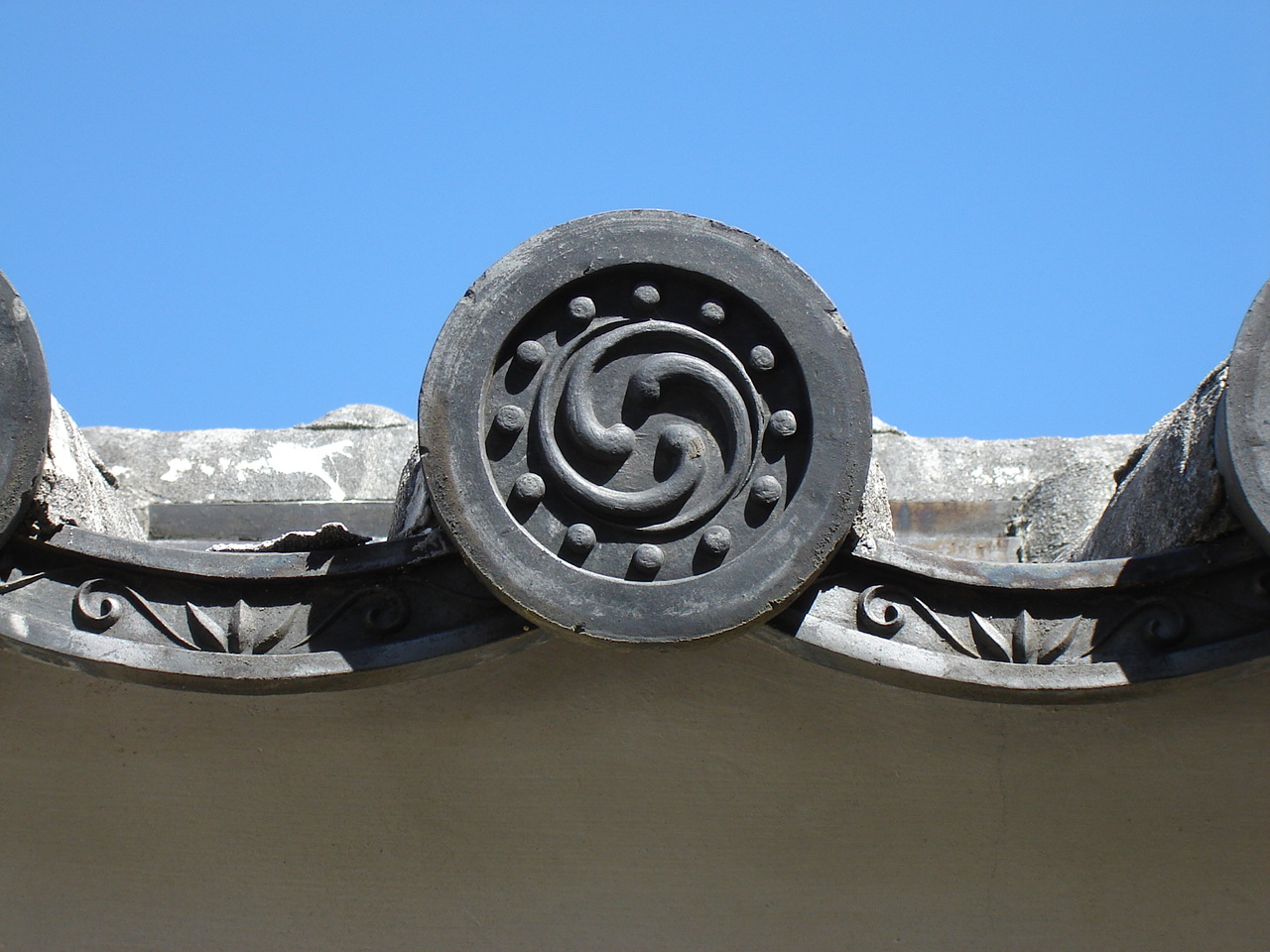
Himeji Castle is basically the superstar of Japanese castles. Nicknamed the “White Heron Castle” because its brilliant white walls and sweeping roofs supposedly resemble a bird taking flight, most of what you see today dates from a massive rebuild by samurai lord Ikeda Terumasa between 1601 and 1609. Unlike many Japanese castles, Himeji wasn’t destroyed and later reconstructed in concrete — much of its original wooden structure has survived for more than 400 years. UNESCO calls it the finest surviving example of early-17th-century Japanese castle architecture, and it became one of Japan’s first World Heritage Sites in 1993.
ROUND THE CASTLE
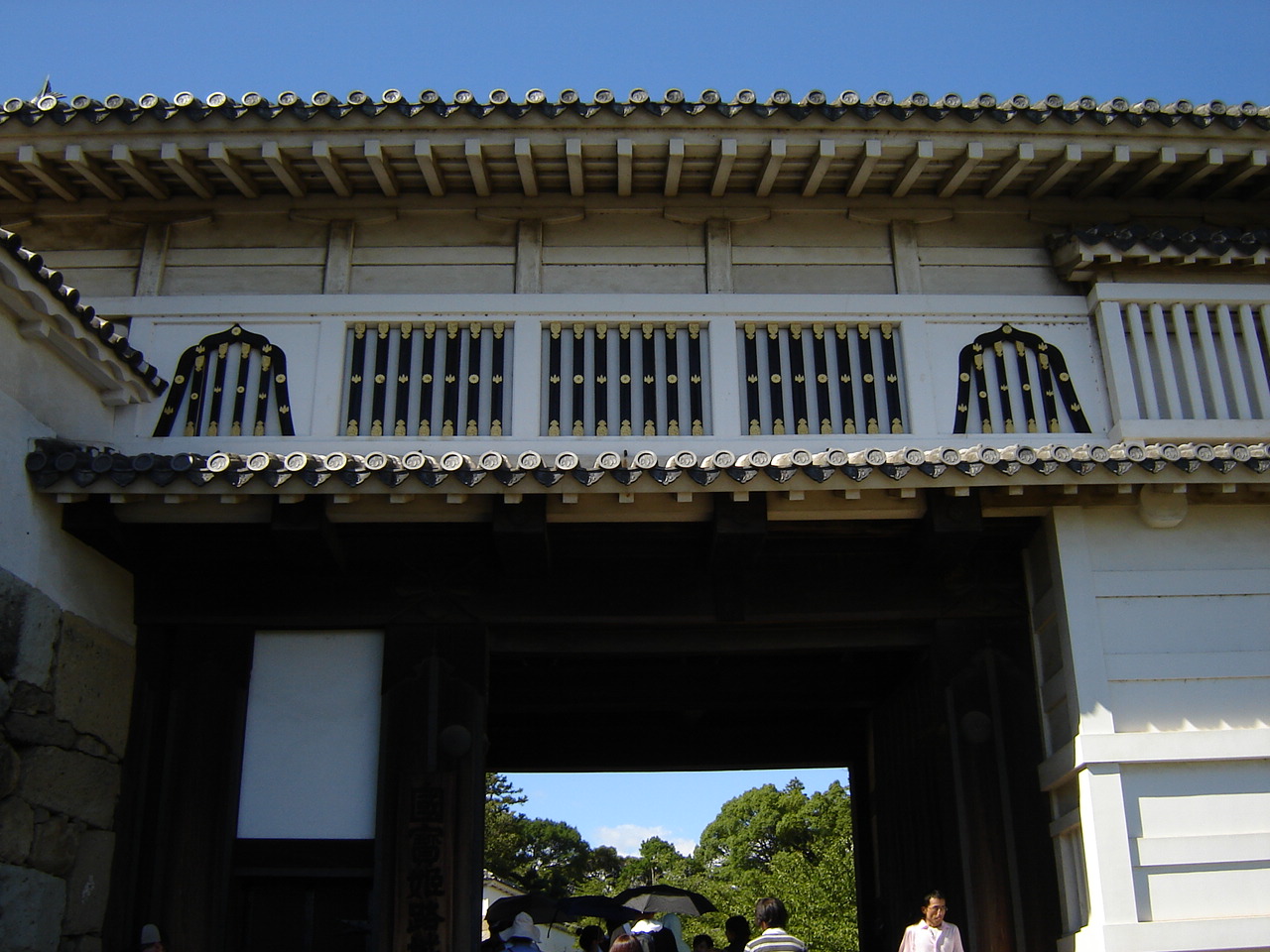
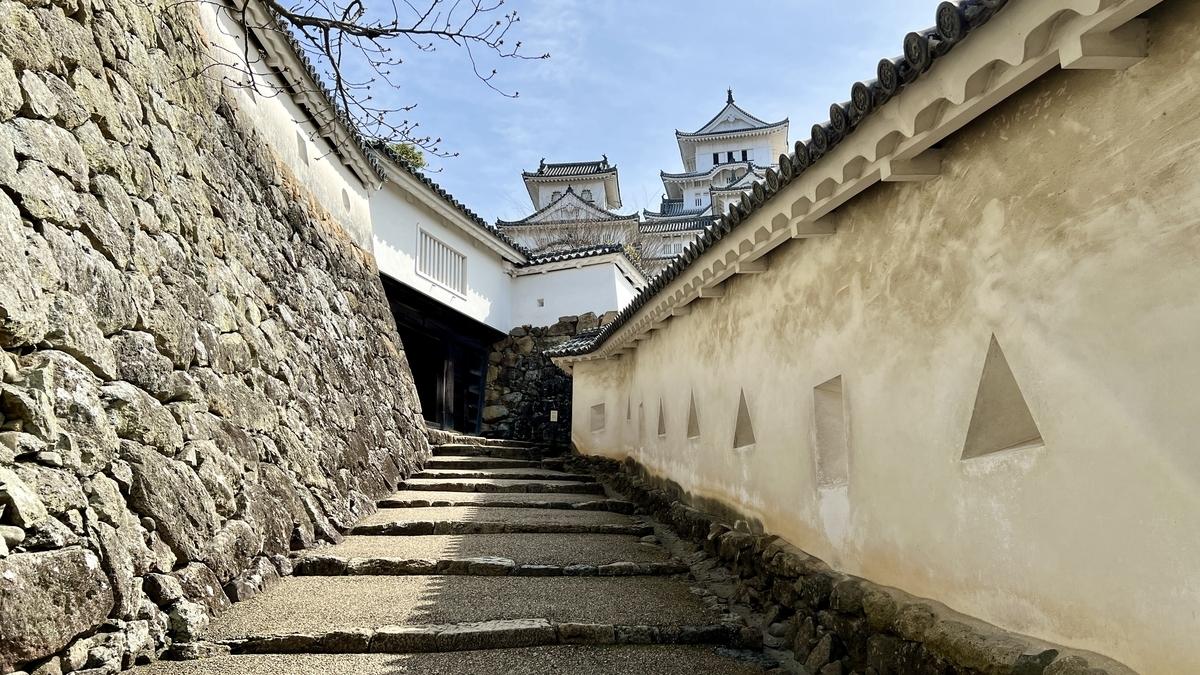
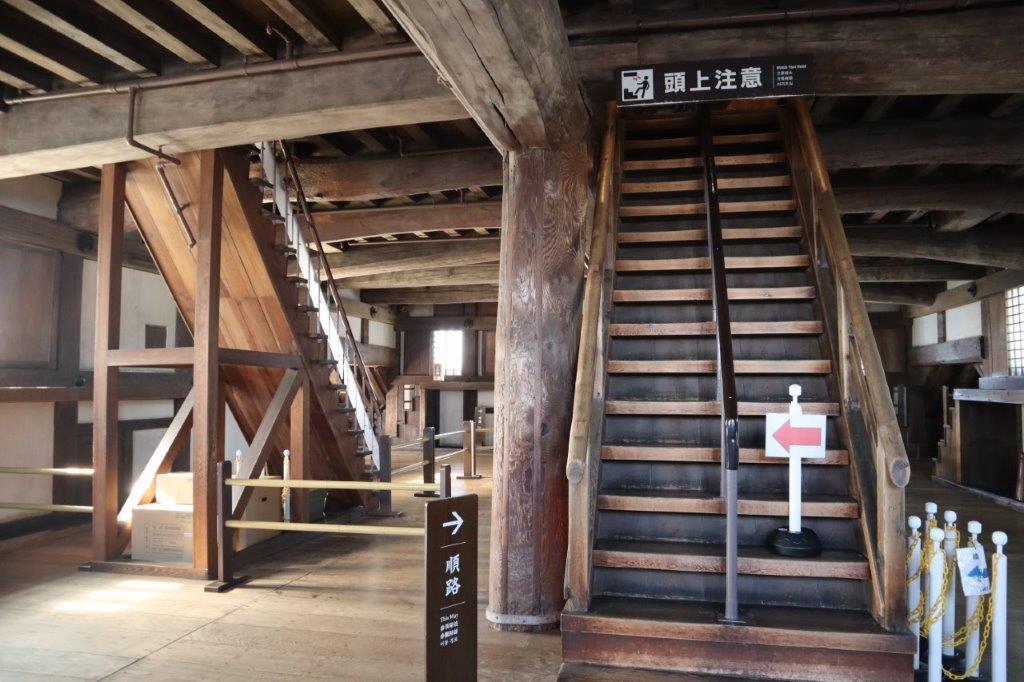
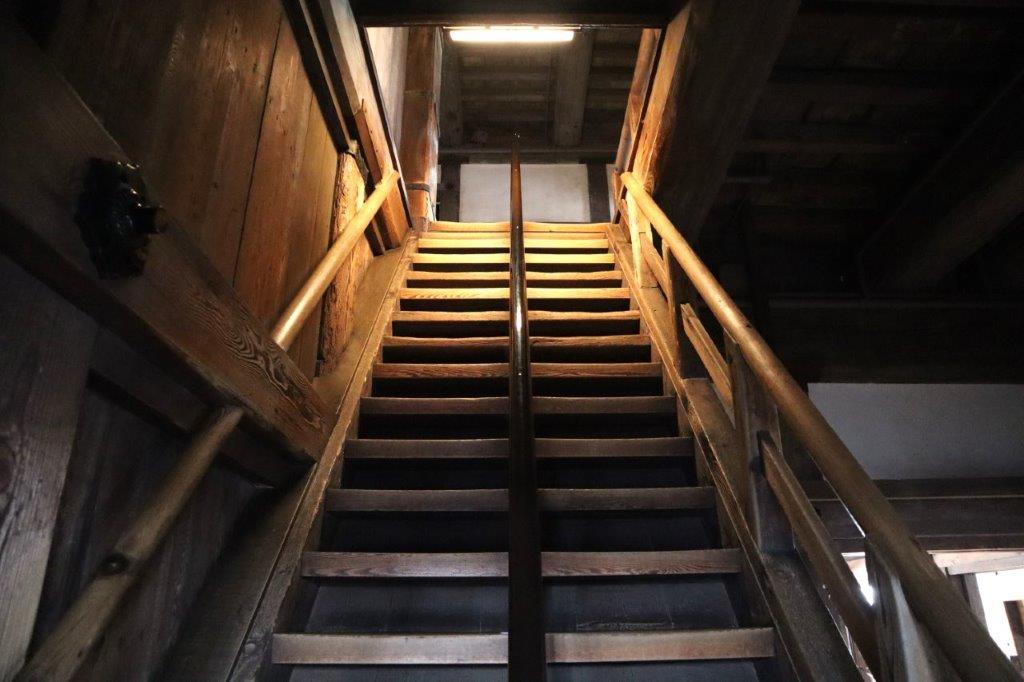
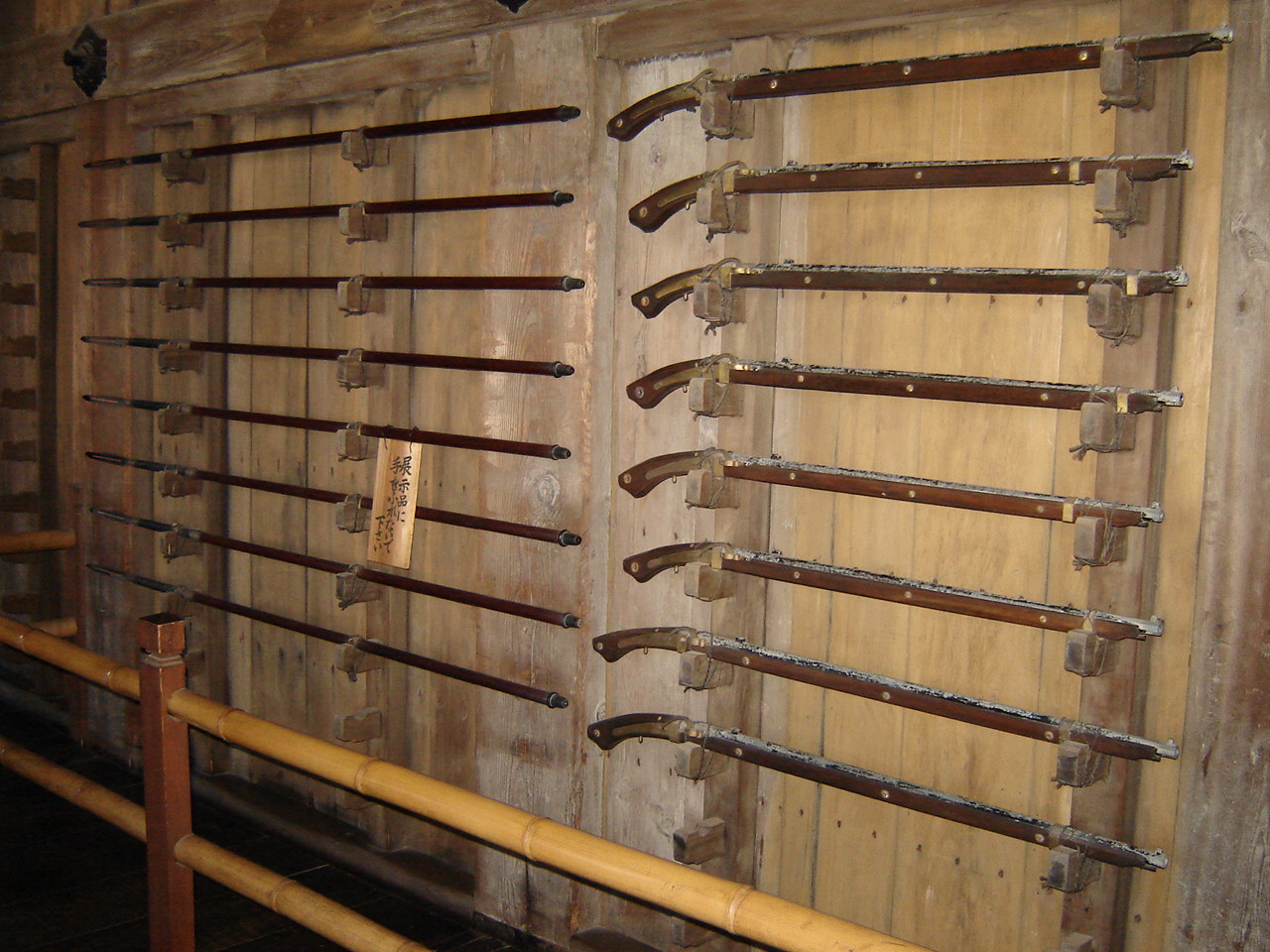
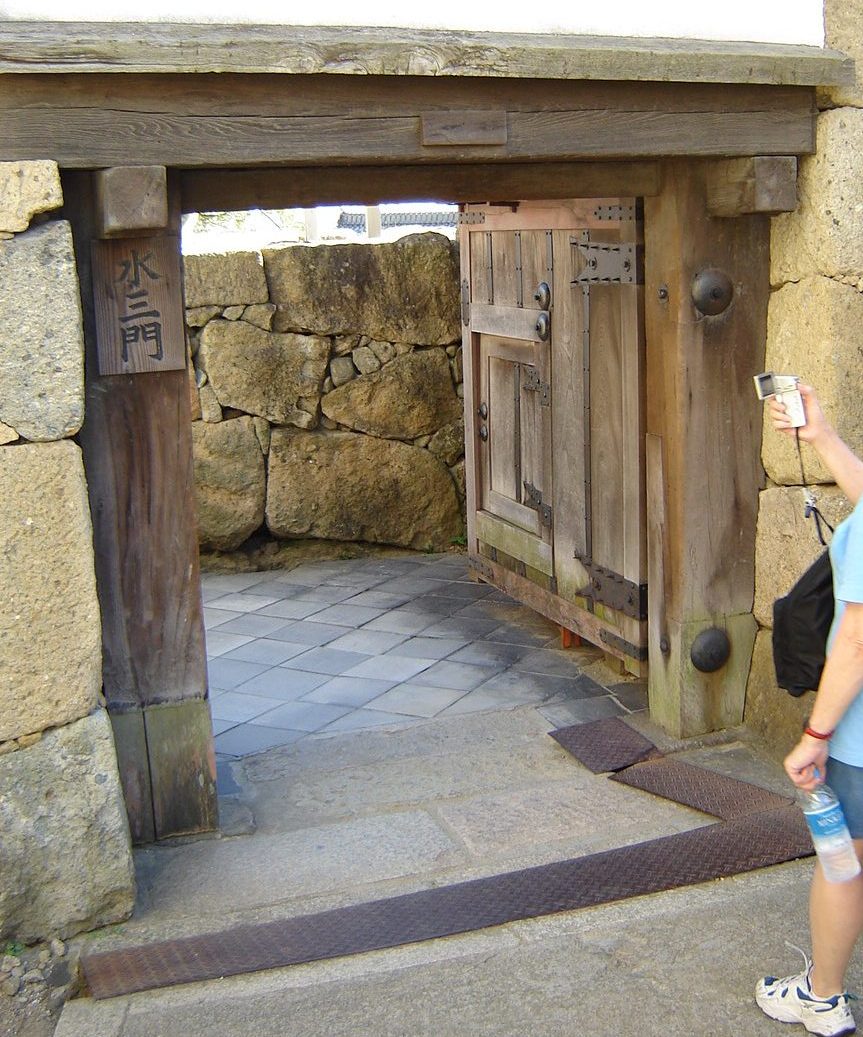
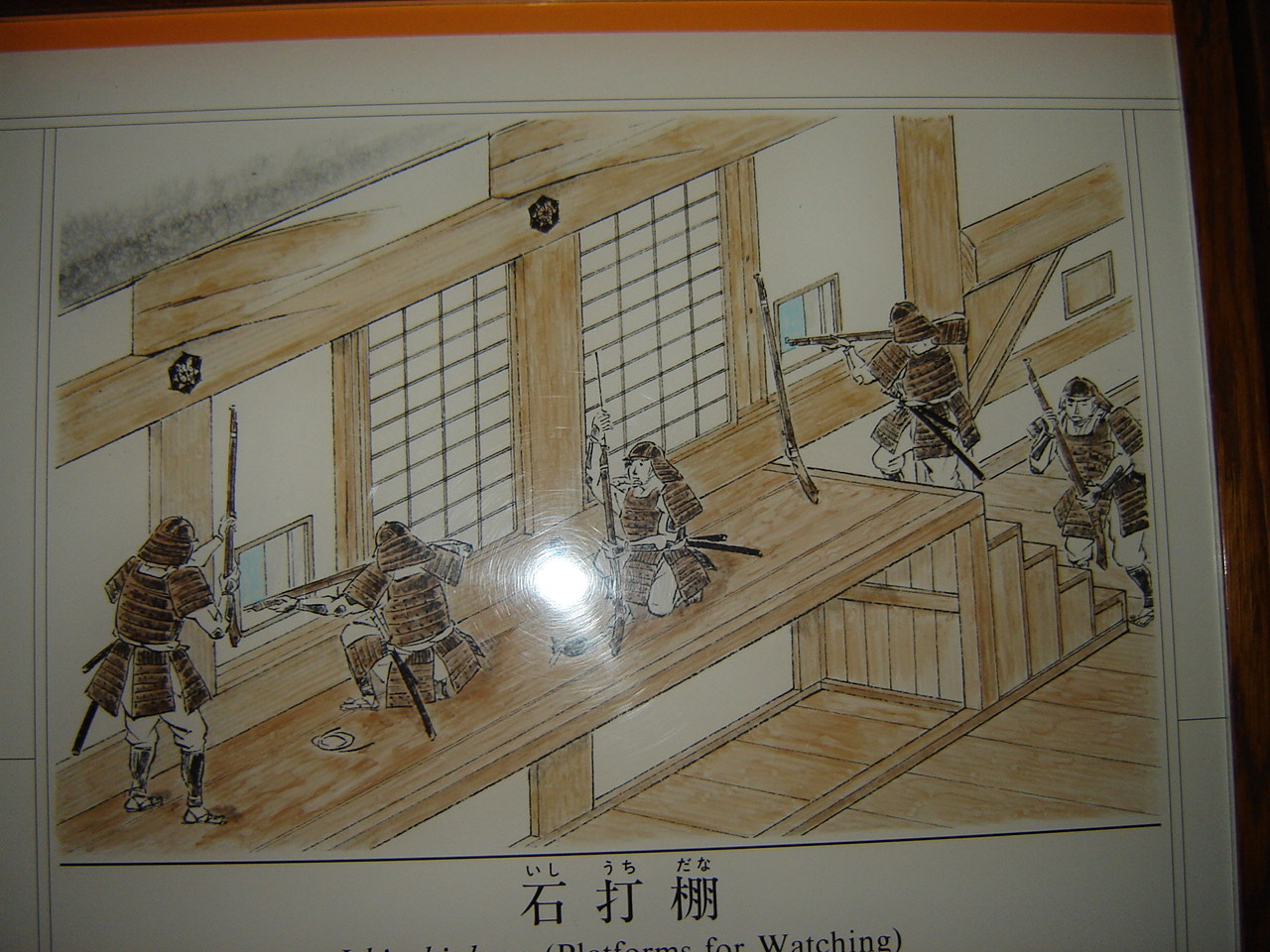
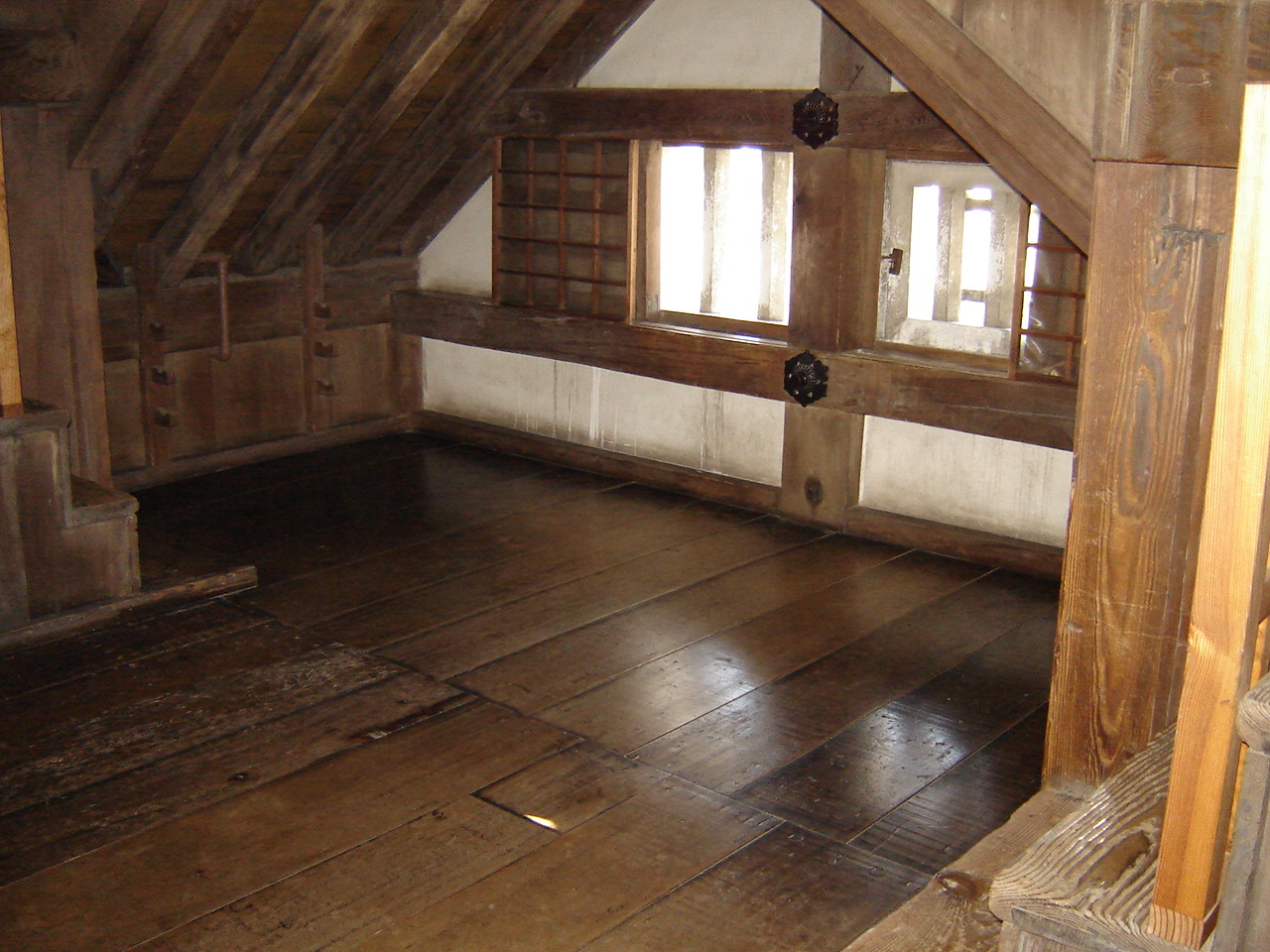
Don’t let the elegant white exterior fool you — this place was designed to make an attacking army have an absolutely miserable day. Getting to the main keep means negotiating gates, narrow passages, steep walls and twisting routes designed to confuse and expose attackers, while defenders could fire through loopholes and attack from protected positions. The white plaster wasn’t just there to look pretty either: it helped protect the mostly wooden buildings from fire. The complex contains more than 80 surviving buildings, and inside the main keep it’s surprisingly stripped-back — huge wooden beams, bare floors and seriously steep staircases rather than lavish palace rooms.
THE LITTLE TITBIT
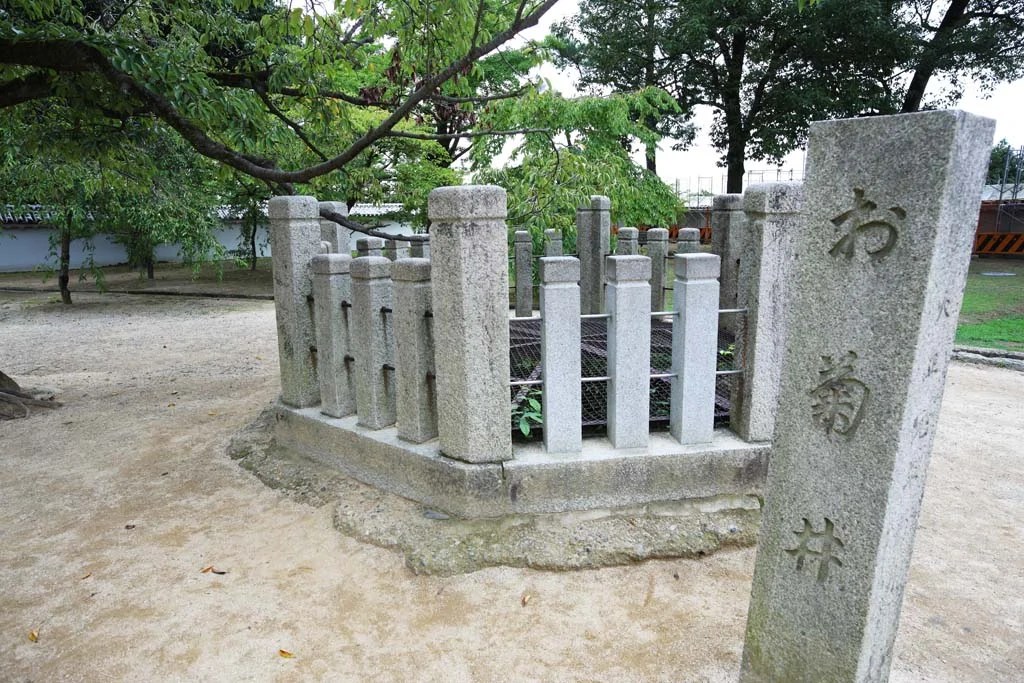
Himeji has its own resident ghost story. According to the legend of Okiku, a servant girl was falsely accused of losing one of ten valuable dishes and was killed, her body thrown down a castle well. Her ghost supposedly returned every night, slowly counting the dishes — one, two, three… — before reaching nine and letting out a terrible cry because the tenth was still missing. The well associated with the story is still inside the castle grounds. So naturally, everyone peers down it. Because apparently horror films have taught us nothing.