
Disclaimer: Some images sourced from the internet due to the great arial quality
SCOTLAND
Edinburgh Castle — Edinburgh
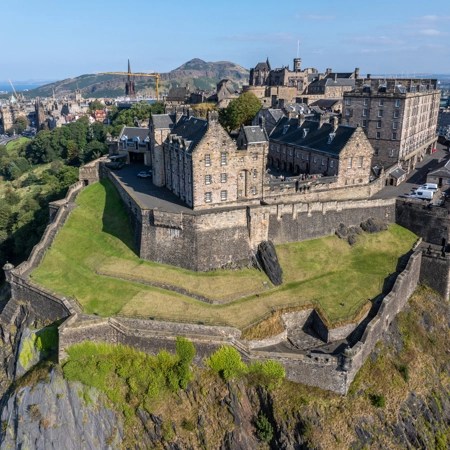
Perched dramatically on an extinct volcanic rock overlooking Edinburgh, this fortress has been at the centre of Scottish history for nearly a thousand years. Kings and queens lived here, armies fought over it, and it changed hands repeatedly during Scotland’s wars with England.
In 1566, Mary, Queen of Scots, gave birth here to James VI, who later became James I of England, bringing the Scottish and English crowns together. His birthplace was a surprisingly small room for someone who would end up ruling two kingdoms. And here’s another rather strange detail: in 1830, workers discovered a tiny coffin containing a baby’s remains hidden in the castle walls. Nobody knows whose child it was or how it ended up there.
ENGLAND
Windsor Castle — Windsor, Berkshire
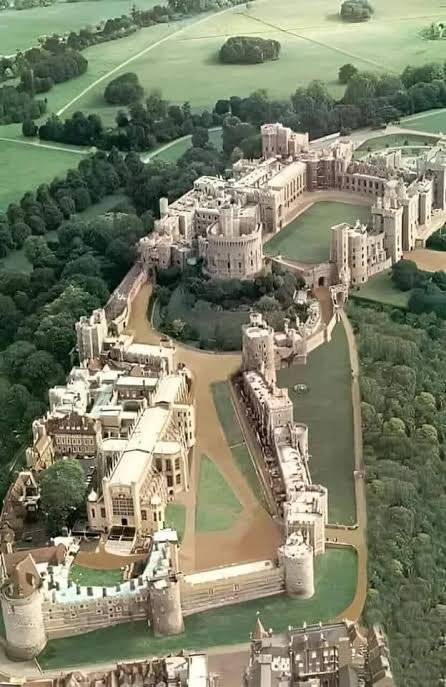
Windsor Castle has been a royal residence for over 900 years, making it the oldest and largest continuously occupied castle in the world. Originally built by William the Conqueror in the 11th century, it’s been home to generations of British monarchs and was one of Queen Elizabeth II’s favourite residences.
In 1992, a devastating fire destroyed or damaged more than 100 rooms, and the restoration ended up costing £37 million. Rather than leaving taxpayers to cover the entire bill, the Queen agreed to open Buckingham Palace to paying visitors to help fund the repairs. Even royalty occasionally has to find creative ways to pay the builders.
Buckingham Palace — London
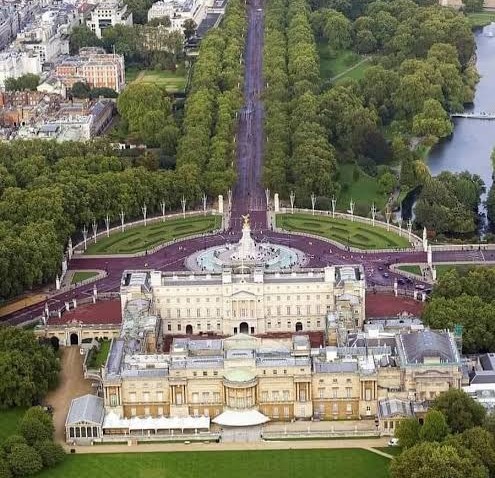
Probably the most famous royal residence in the world, Buckingham Palace began life in 1703 as a grand townhouse built for the Duke of Buckingham. George III bought it in 1761, and Queen Victoria made it the official London residence of the British monarch in 1837. Today, it has 775 rooms, including 78 bathrooms.
In 1982, an unemployed man called Michael Fagan somehow managed to break into the palace and reach Queen Elizabeth II’s bedroom while she was in bed. The security breach caused an enormous scandal. Imagine being the Queen of England and discovering that a complete stranger has wandered into your bedroom. Not exactly reassuring when you live in one of the most heavily guarded buildings in Britain.
Arundel Castle — Arundel, West Sussex
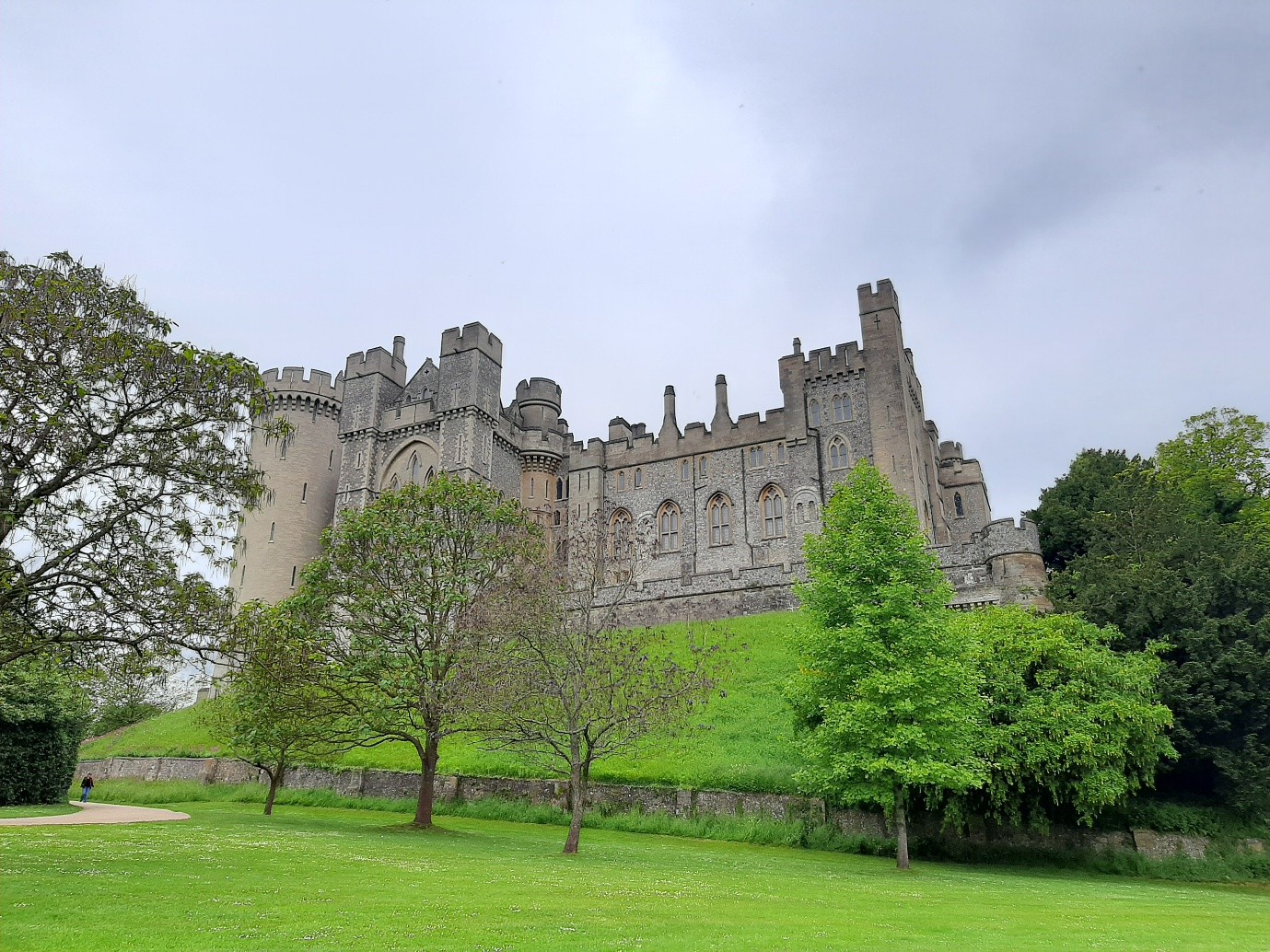
Arundel is a magnificent medieval castle overlooking the River Arun, originally founded in 1067 by Roger de Montgomery, one of William the Conqueror’s most powerful supporters. For centuries, it has been associated with the Dukes of Norfolk, one of England’s oldest aristocratic families.
The Howard family has had a rather dangerous relationship with the English monarchy. Two of Henry VIII’s wives, Anne Boleyn and Catherine Howard, were related to the family, and both ended up losing their heads. Thomas Howard, the fourth Duke of Norfolk, was also executed in 1572 for plotting to marry Mary, Queen of Scots. Being close to royalty clearly wasn’t always the career opportunity it sounds like.
Highclere Castle — Hampshire
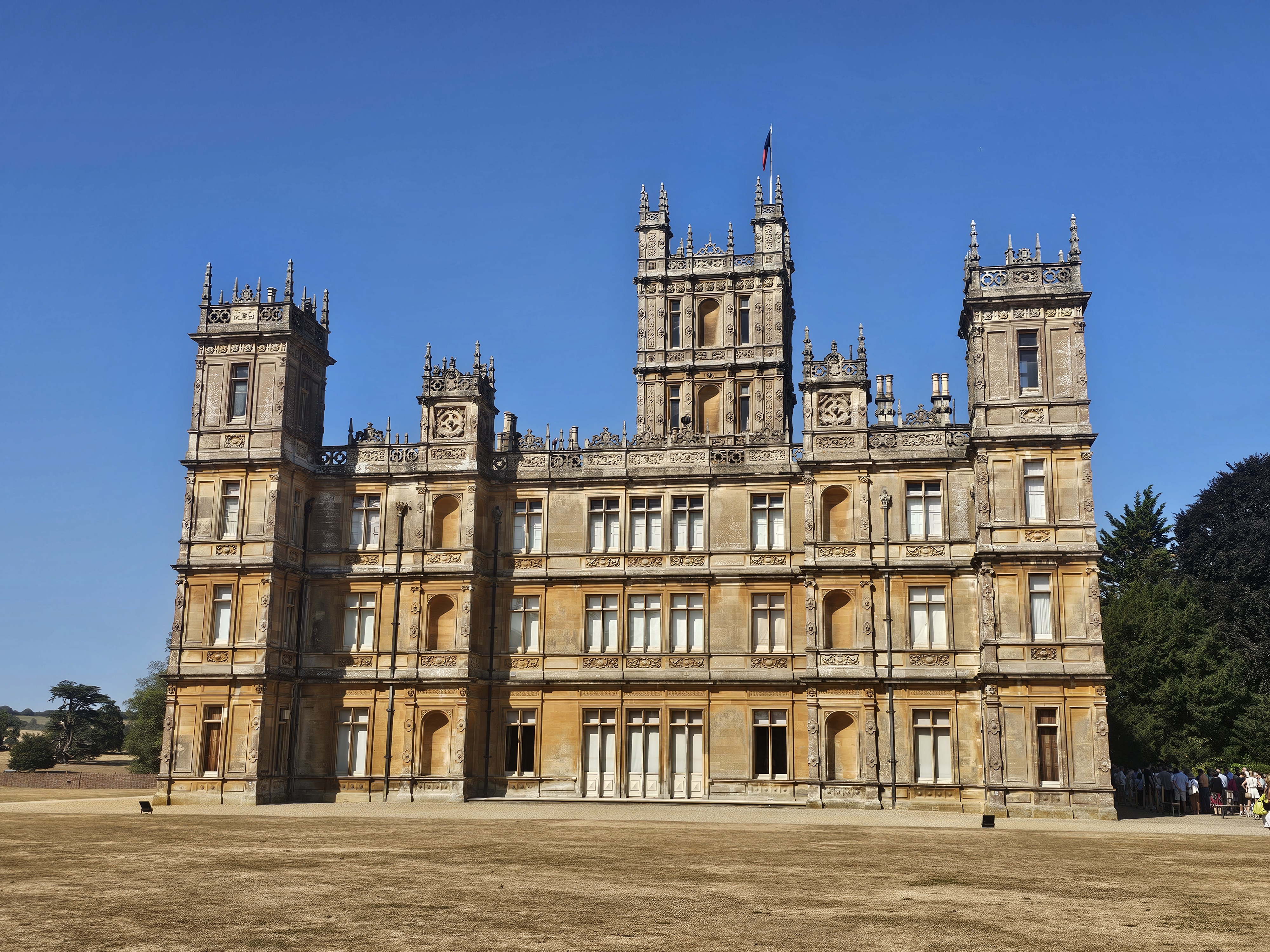
Highclere is a spectacular Victorian country house, rebuilt in the 1840s by Sir Charles Barry, the architect who also designed Britain’s Houses of Parliament. It’s the ancestral home of the Earls of Carnarvon, although most people today recognise it as the setting for Downton Abbey.
The fifth Earl of Carnarvon financed Howard Carter’s search for Tutankhamun’s tomb, which was finally discovered in 1922. Just months later, the Earl died in Cairo after an infected mosquito bite became fatal, helping fuel the famous legend of the mummy’s curse. So the real family who lived at Downton Abbey had their own Egyptian mystery, complete with ancient treasure, an unexpected death and rumours of a supernatural curse.
Blenheim Palace — Woodstock, Oxfordshire
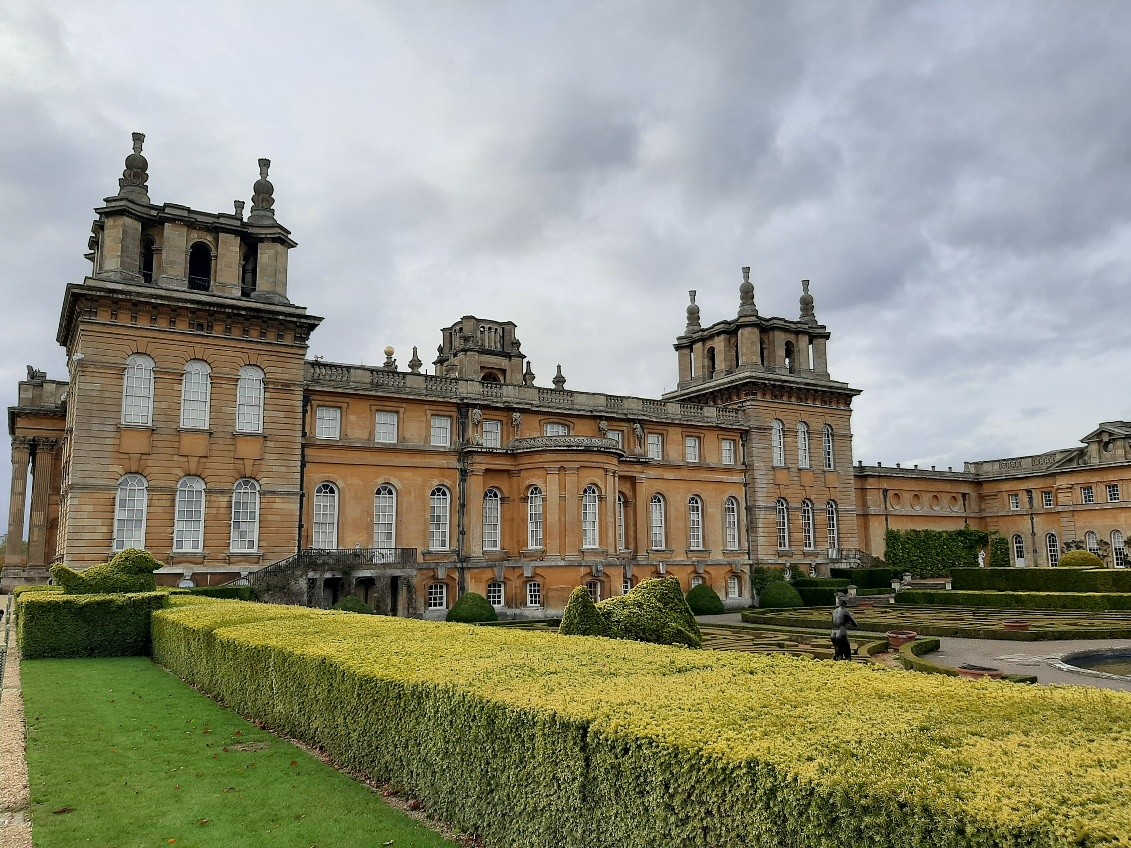
Blenheim Palace is one of England’s grandest country houses, built in the early 1700s as a gift from Queen Anne to John Churchill, the first Duke of Marlborough, for his victory over the French at the Battle of Blenheim in 1704. It’s also the birthplace of Winston Churchill, who was born here in 1874.
Winston wasn’t actually supposed to be born at Blenheim. His mother, Lady Randolph Churchill, went into premature labour while visiting the palace, and he arrived unexpectedly in a room that had been used as a cloakroom. Not the most glamorous entrance for a future prime minister. Even better, Churchill later proposed to Clementine Hozier in the palace’s Temple of Diana during a rainstorm in 1908.
Chiddingstone Castle — Chiddingstone, Kent
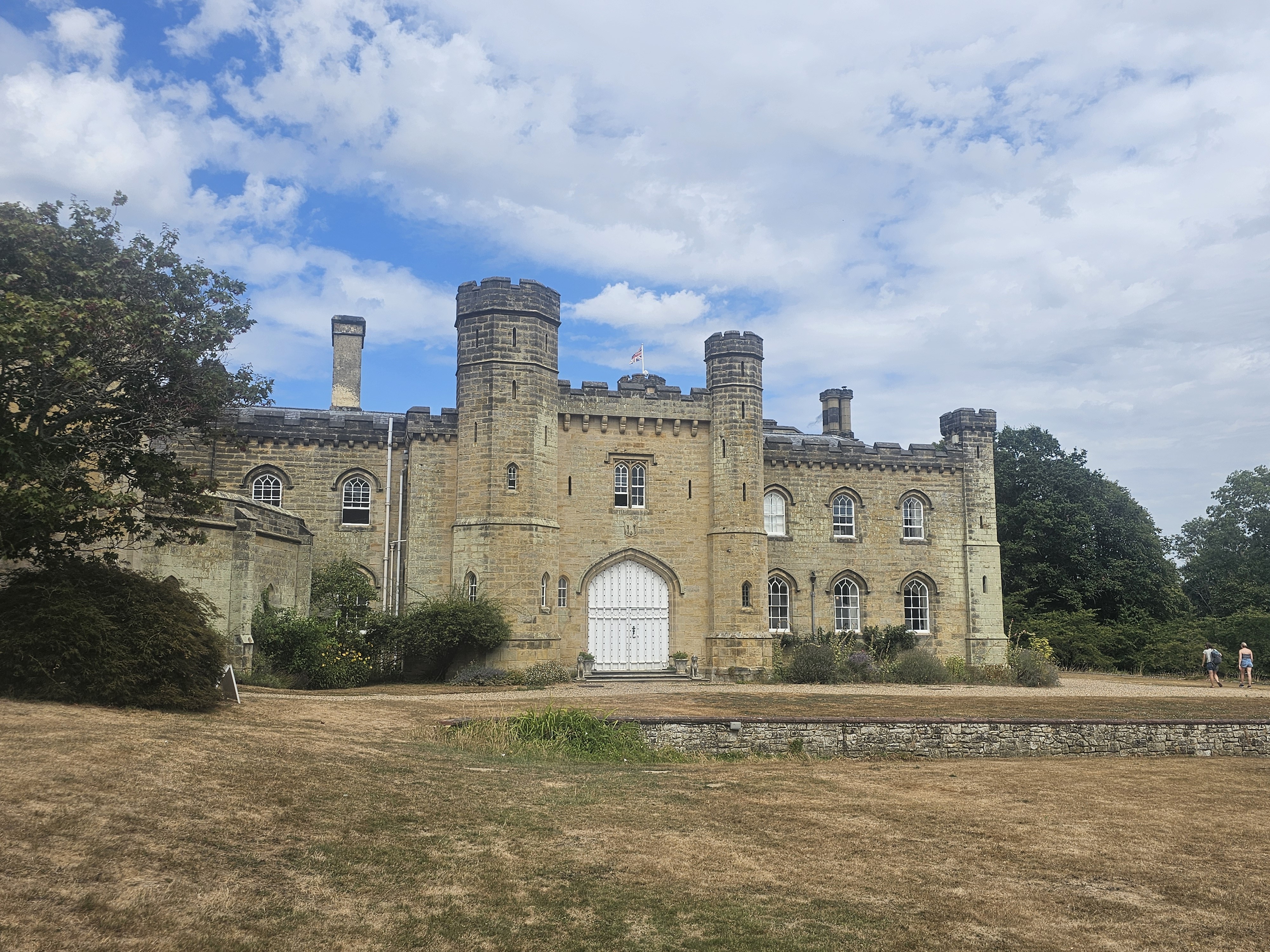
Chiddingstone Castle is a rather unusual country house with medieval origins, although much of what you see today dates from its 19th-century transformation into a romantic Gothic-style mansion. Its last private owner, Denys Eyre Bower, filled the place with an extraordinary collection of Japanese armour, Egyptian antiquities, Buddhist objects and Stuart memorabilia.
Bower’s life took a spectacularly disastrous turn in 1957 when he was convicted of attempted murder following a shooting involving his former girlfriend. He was sentenced to life imprisonment but released in 1962 after his conviction was overturned. He returned to Chiddingstone and continued collecting treasures. So behind this peaceful-looking English country house lies a story involving an obsessive collector, a shooting, a prison sentence and a remarkable comeback.
Dover Castle — Dover, Kent
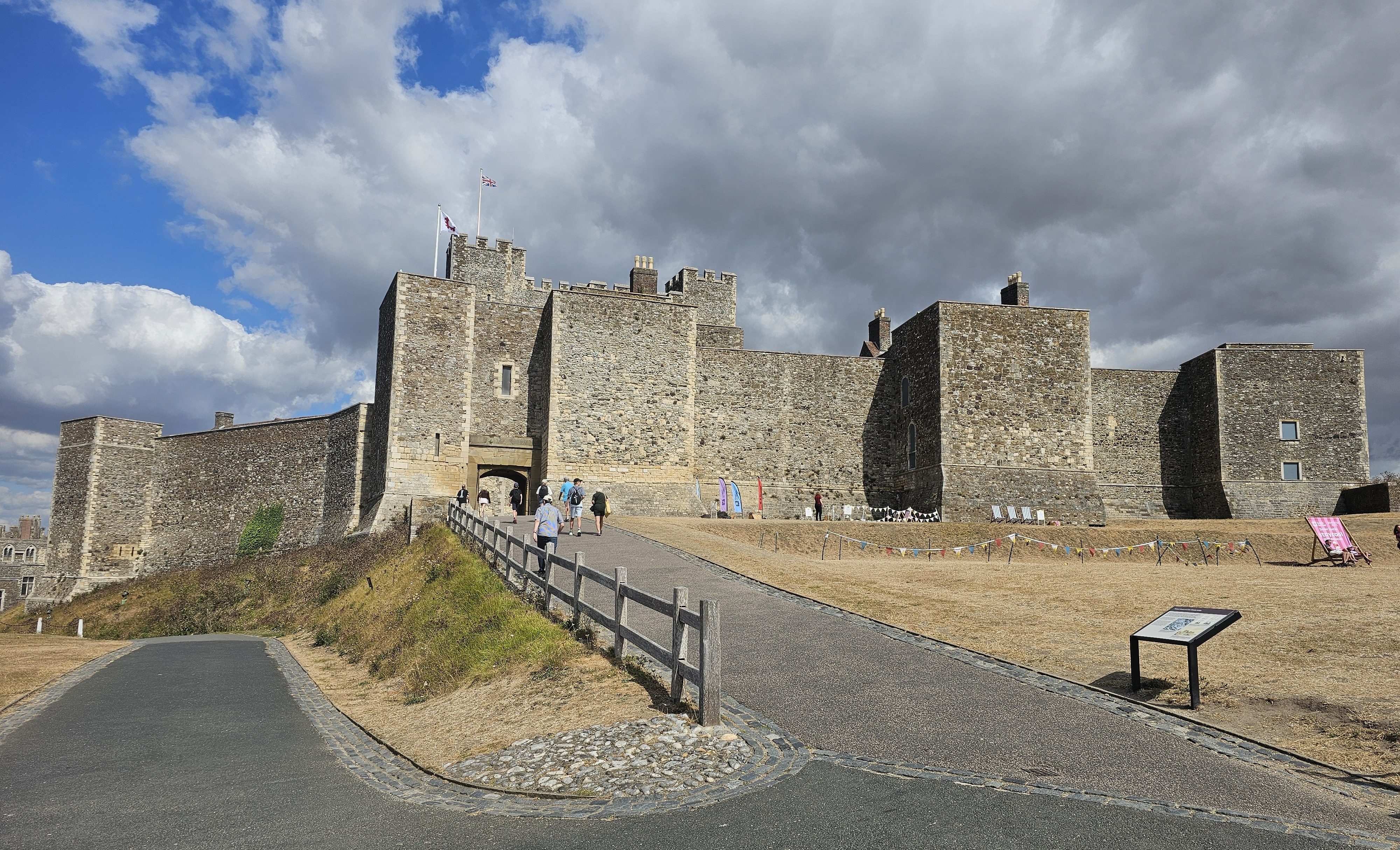
Perched high on the famous White Cliffs, Dover Castle has guarded England’s closest crossing to continental Europe for centuries. Founded in its present form by Henry II in the 12th century, it became known as the ‘Key to England’ because of its enormous strategic importance.
During the Second World War, the secret tunnels beneath the castle became the headquarters for Operation Dynamo, the extraordinary evacuation of more than 338,000 Allied soldiers from Dunkirk in 1940. Vice-Admiral Bertram Ramsay directed the operation from an underground command centre. So while the medieval fortress stood above ground looking impressive, one of Britain’s most important wartime operations was being organised in tunnels underneath it.
Bodiam Castle — East Sussex
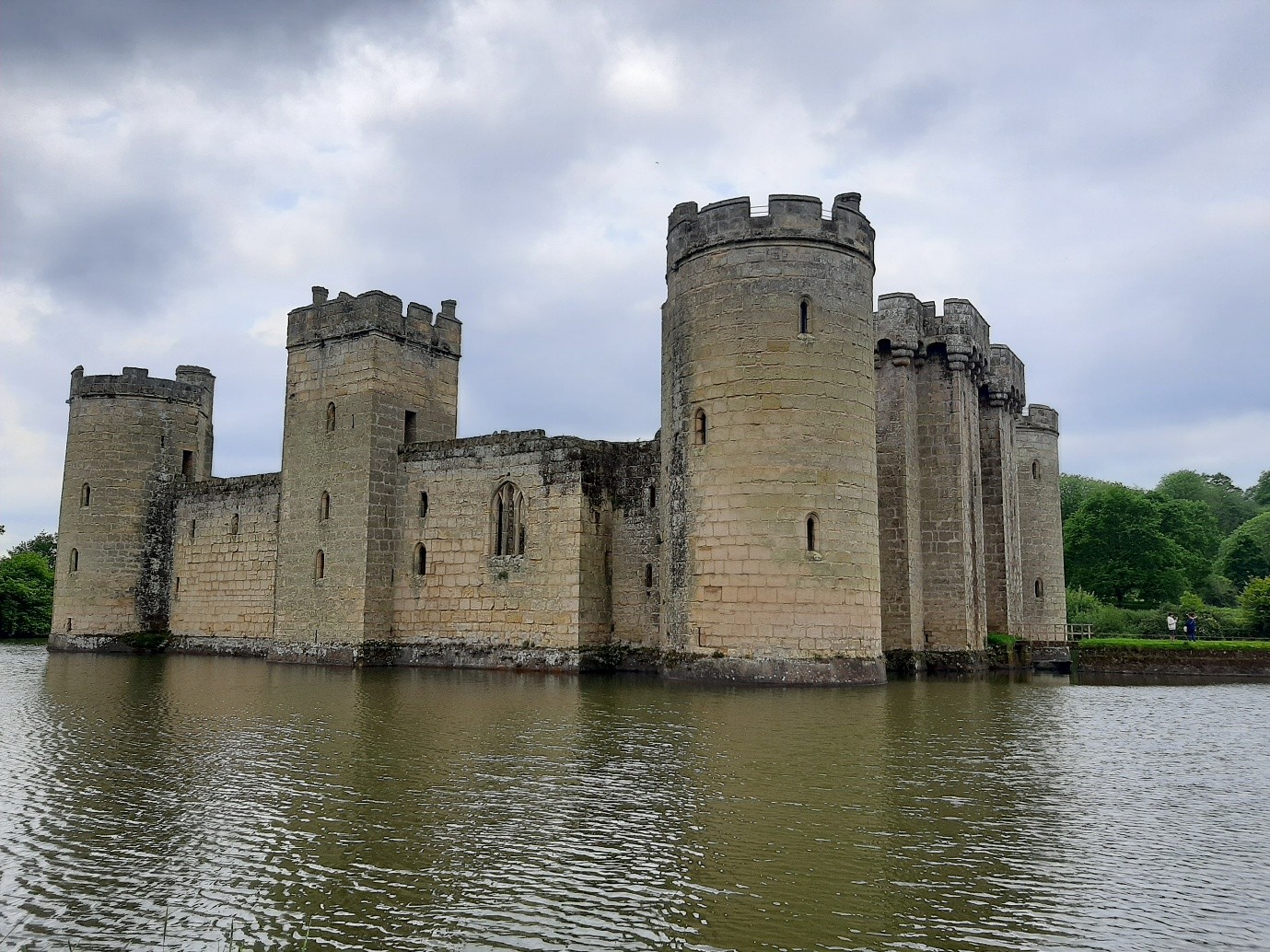
Bodiam is about as close as you can get to the perfect fairy-tale castle, complete with towers, battlements and a beautiful moat surrounding the entire building. It was built in 1385 by Sir Edward Dallingridge, a former soldier who had made his fortune fighting in France during the Hundred Years’ War.
Historians have long debated whether Bodiam was really designed for serious military defence or whether it was partly an enormous status symbol. Its spectacular moat and towers certainly look intimidating, but some of its defensive features were less practical than they first appear. In other words, Sir Edward may have built himself the medieval equivalent of a flashy sports car: impressive to look at and guaranteed to make the neighbours jealous.
GERMANY
Burg Hohenzollern — Hechingen, Baden-Württemberg
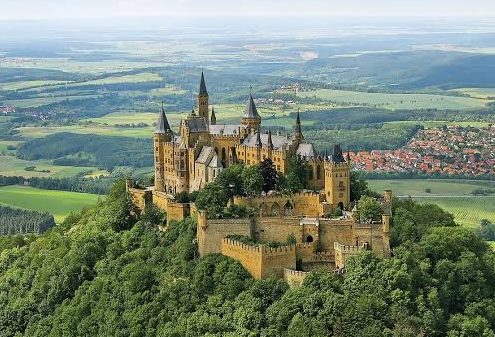
Sitting dramatically on top of an 855-metre mountain, Hohenzollern Castle looks like something straight out of a fantasy film. It’s the ancestral home of the Hohenzollern dynasty, the family that went on to rule Prussia and eventually the German Empire. The present castle was completed in 1867, making it considerably younger than its medieval appearance suggests.
Despite being the ancestral home of one of Europe’s most powerful royal families, the castle was never actually used as a permanent royal residence. They spent a fortune creating a spectacular family monument that was largely too inconvenient to live in. And the irony is that the family’s original medieval castle had been destroyed centuries earlier, so what you’re looking at today is essentially a 19th-century royal fantasy of what a medieval castle ought to look like.
Nymphenburg Palace — Munich, Bavaria
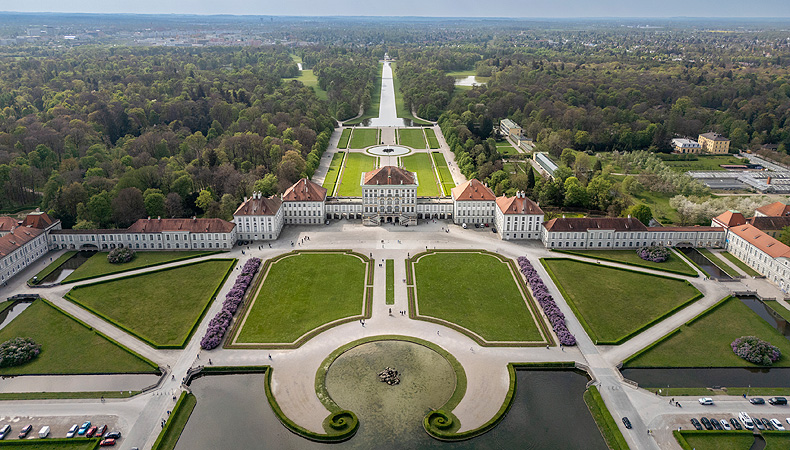
Nymphenburg is an enormous Baroque palace built as a summer residence for Bavaria’s ruling Wittelsbach family. Construction began in 1664 to celebrate the birth of a long-awaited royal heir, and over the following centuries it grew into one of Europe’s grandest palaces, complete with magnificent gardens, lakes and elaborate interiors.
One of its most unusual rooms is King Ludwig I’s famous Gallery of Beauties, containing 36 portraits of women he considered particularly attractive. And he didn’t restrict himself to princesses and aristocrats. The collection includes actresses, dancers and ordinary women, including the notorious Lola Montez, whose affair with the king helped trigger a political crisis that contributed to his abdication in 1848. Apparently, collecting beautiful women was rather more dangerous than collecting paintings.
One of those ladies portraits is Theresa Spence, but we have no idea if she is a relation.
AUSTRIA
Hohensalzburg Fortress — Salzburg
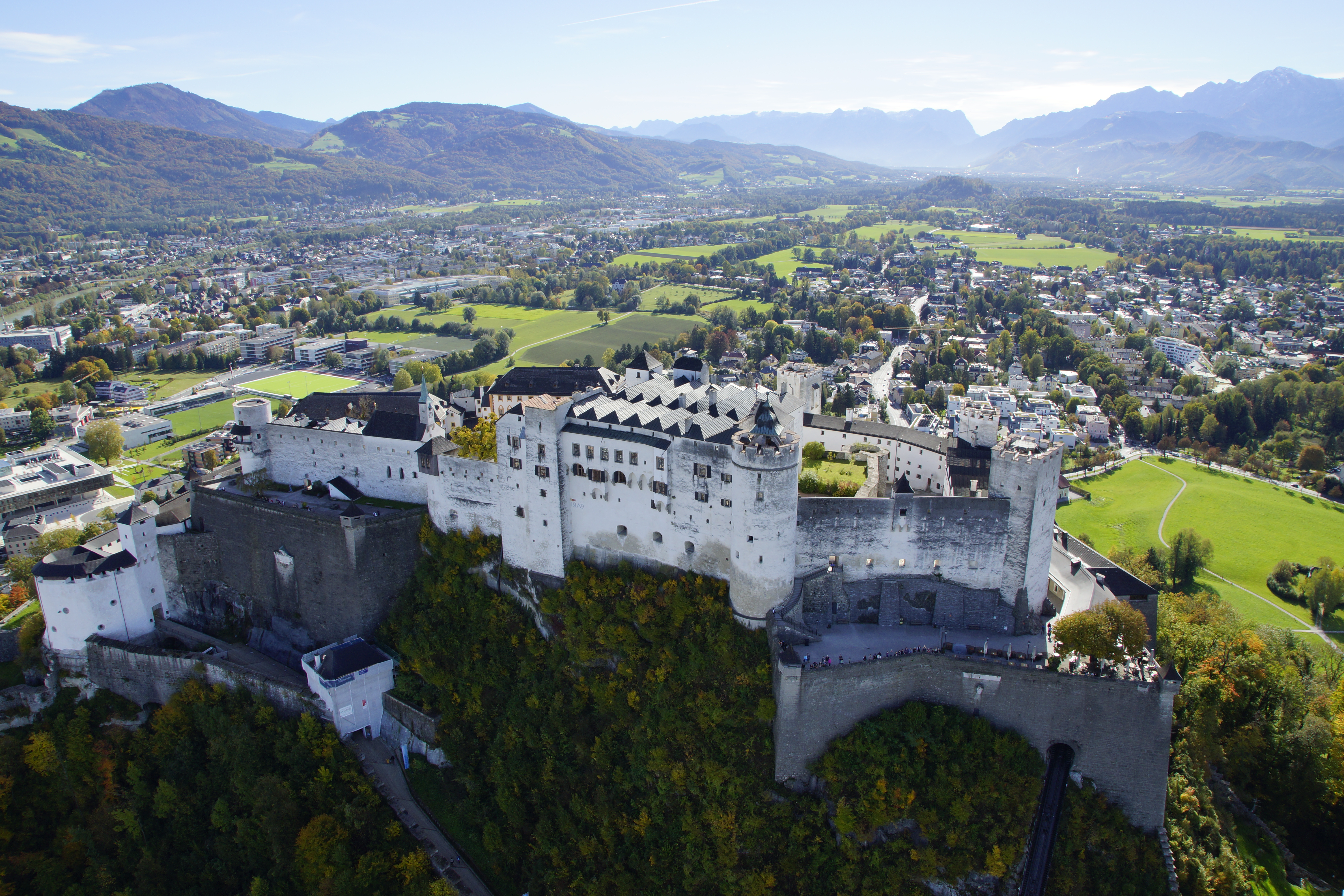
Towering above Salzburg’s old town, Hohensalzburg is one of Europe’s largest and best-preserved medieval fortresses. Construction began in 1077 under Archbishop Gebhard, and over the centuries it developed into an enormous fortified residence for Salzburg’s powerful prince-archbishops.
In 1525, during a peasants’ uprising, rebellious locals surrounded the fortress and tried to starve out Archbishop Matthäus Lang, who had taken refuge inside. According to a popular legend, the defenders painted their last remaining ox and paraded it along the walls to convince the attackers they still had plenty of food. The story is probably folklore, but it gave Salzburg’s inhabitants the nickname Stierwascher — ox washers. Five hundred years later, the nickname is still associated with the city.
TIBET
Potala Palace — Lhasa, Tibet
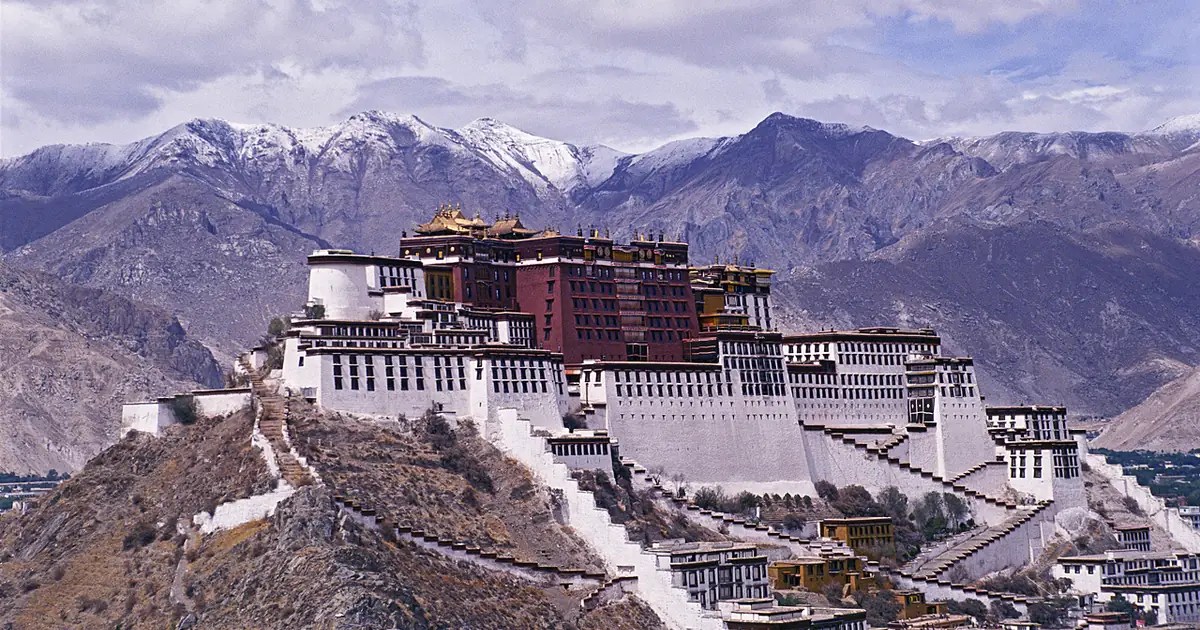
Rising dramatically above Lhasa, the Potala Palace is one of the world’s most extraordinary buildings, with its towering white and red walls and more than a thousand rooms. The present complex was largely built in the 17th century under the fifth Dalai Lama and became the winter residence of successive Dalai Lamas as well as the centre of Tibetan religious and political power.
The fifth Dalai Lama died in 1682, but his death was deliberately kept secret for years while construction of the palace continued. His regent feared that announcing the death would disrupt the enormous building project and the political stability of Tibet. So for years, officials maintained the pretence that the Dalai Lama was simply in a long period of meditation. Imagine trying to keep the death of your country’s most important leader secret while building one of the largest palaces in the world.
SOUTH KOREA
Gyeongbokgung Palace — Seoul
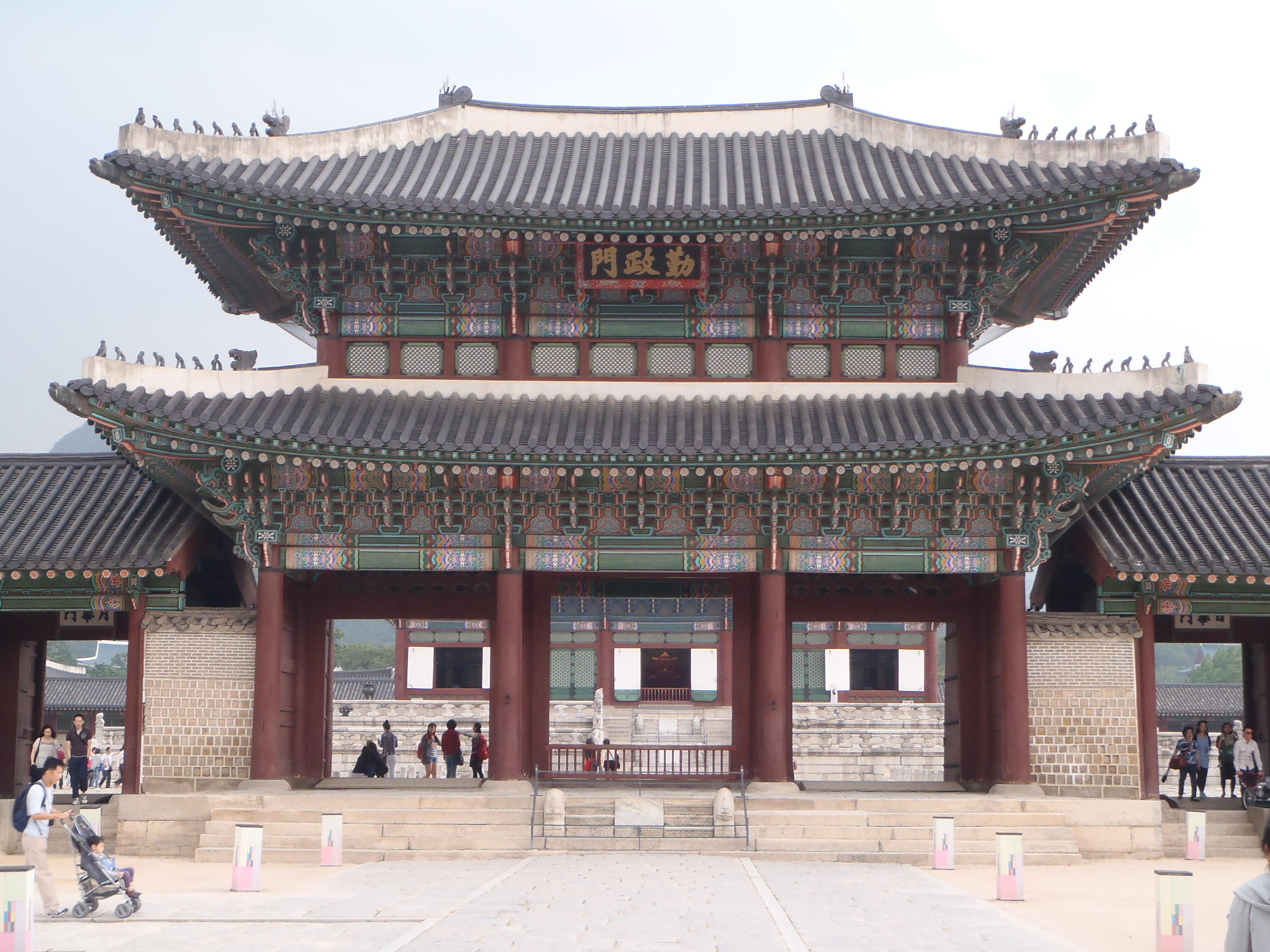
Built in 1395, Gyeongbokgung was the principal royal palace of Korea’s Joseon Dynasty and remains the largest of Seoul’s five grand palaces. With its beautiful wooden halls, colourful roofs and mountain backdrop, it’s an extraordinary example of traditional Korean architecture.
During the Japanese invasions of Korea in 1592, the palace was destroyed by fire and remained largely abandoned for more than 270 years. It was finally rebuilt in the 1860s, only to suffer another devastating blow during Japan’s colonial rule, when many buildings were demolished. The Japanese colonial government even constructed its enormous headquarters directly in front of the palace’s main throne hall, dominating the historic royal complex. That building was finally demolished in 1995–96 as part of efforts to restore the palace.
CZECH REPUBLIC
Prague Castle — Prague
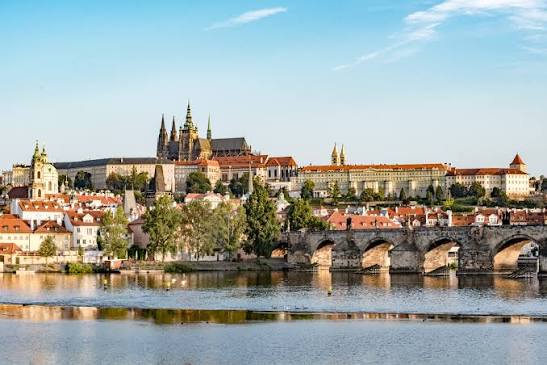
Overlooking Prague from its hilltop position, Prague Castle is one of the largest ancient castle complexes in the world, covering approximately 70,000 square metres. Founded around 880, it has been home to Bohemian kings, Holy Roman emperors and Czech presidents.
In 1618, a group of angry Protestant nobles stormed Prague Castle and threw two Catholic imperial governors and their secretary out of a window. Remarkably, all three survived the fall. Catholics claimed angels had saved them, while Protestants suggested they had landed in a pile of manure. Whatever broke their fall, the incident helped trigger the Thirty Years’ War, one of the most devastating conflicts in European history. Not bad for an argument that started with someone being thrown out of a window.
ROMANIA
Bran Castle — Bran, Transylvania
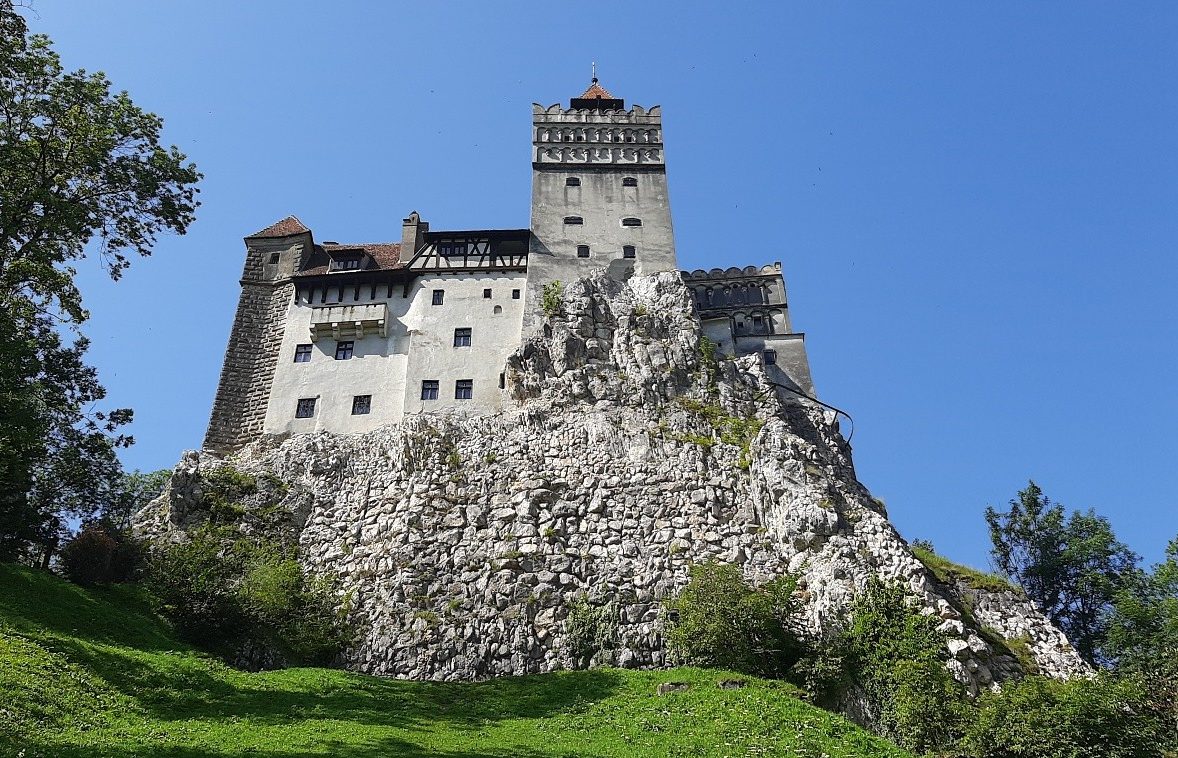
Perched on a rocky outcrop in the Carpathian Mountains, Bran Castle looks exactly like the sort of place you’d expect Dracula to live. Built in the late 14th century to guard an important mountain pass, it later became a royal residence associated with Queen Marie of Romania.
Despite being marketed worldwide as Dracula’s Castle, there’s little solid evidence that Vlad the Impaler, the real historical figure associated with the Dracula legend, ever lived here. Bram Stoker, who wrote Dracula in 1897, never visited Romania either. So millions of tourists have travelled to see a castle associated with a fictional vampire whose creator probably didn’t even know the building existed. You’ve got to admire the marketing.


