Solothurn, Switzerland
THE LOWDOWN
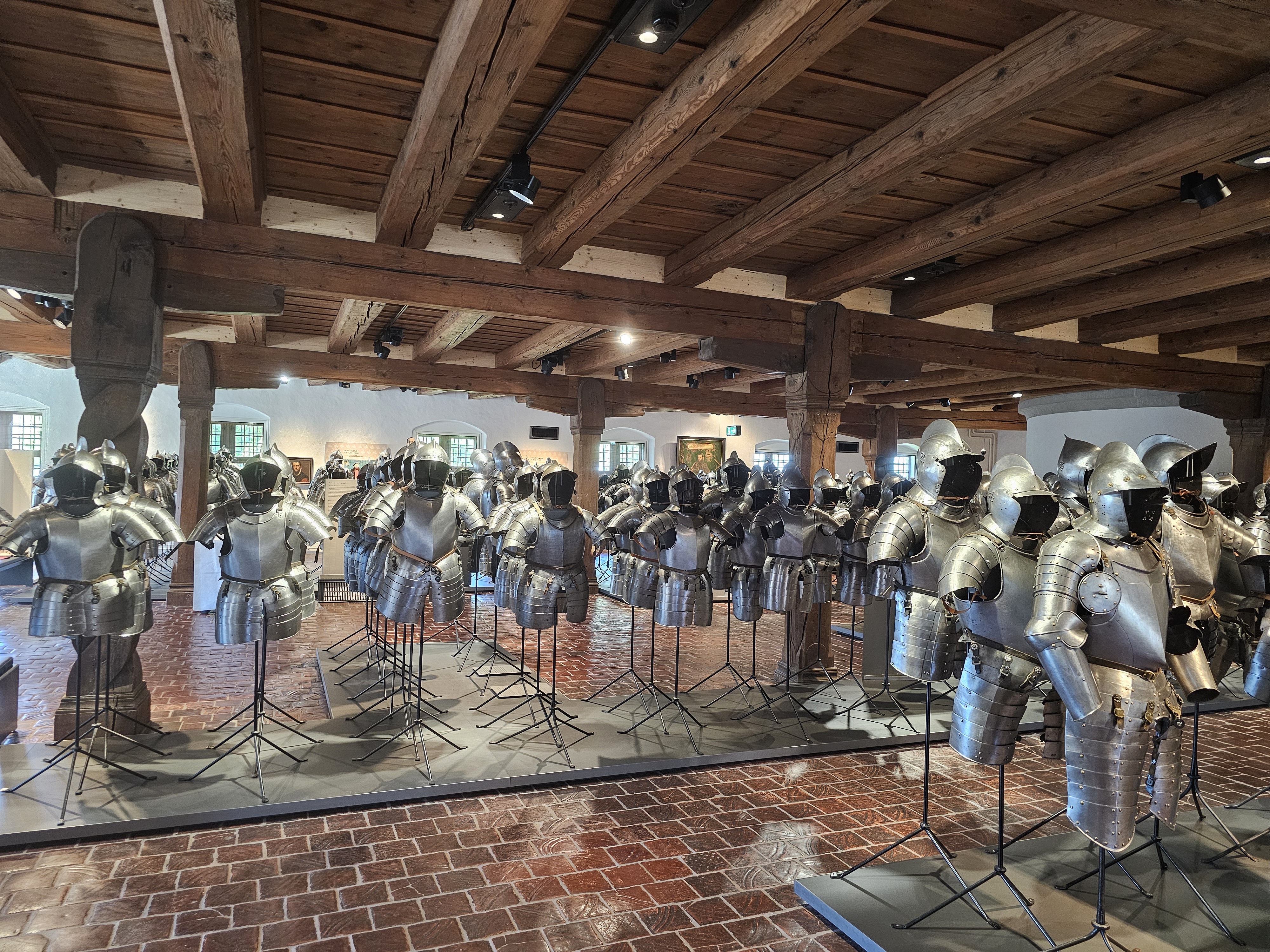
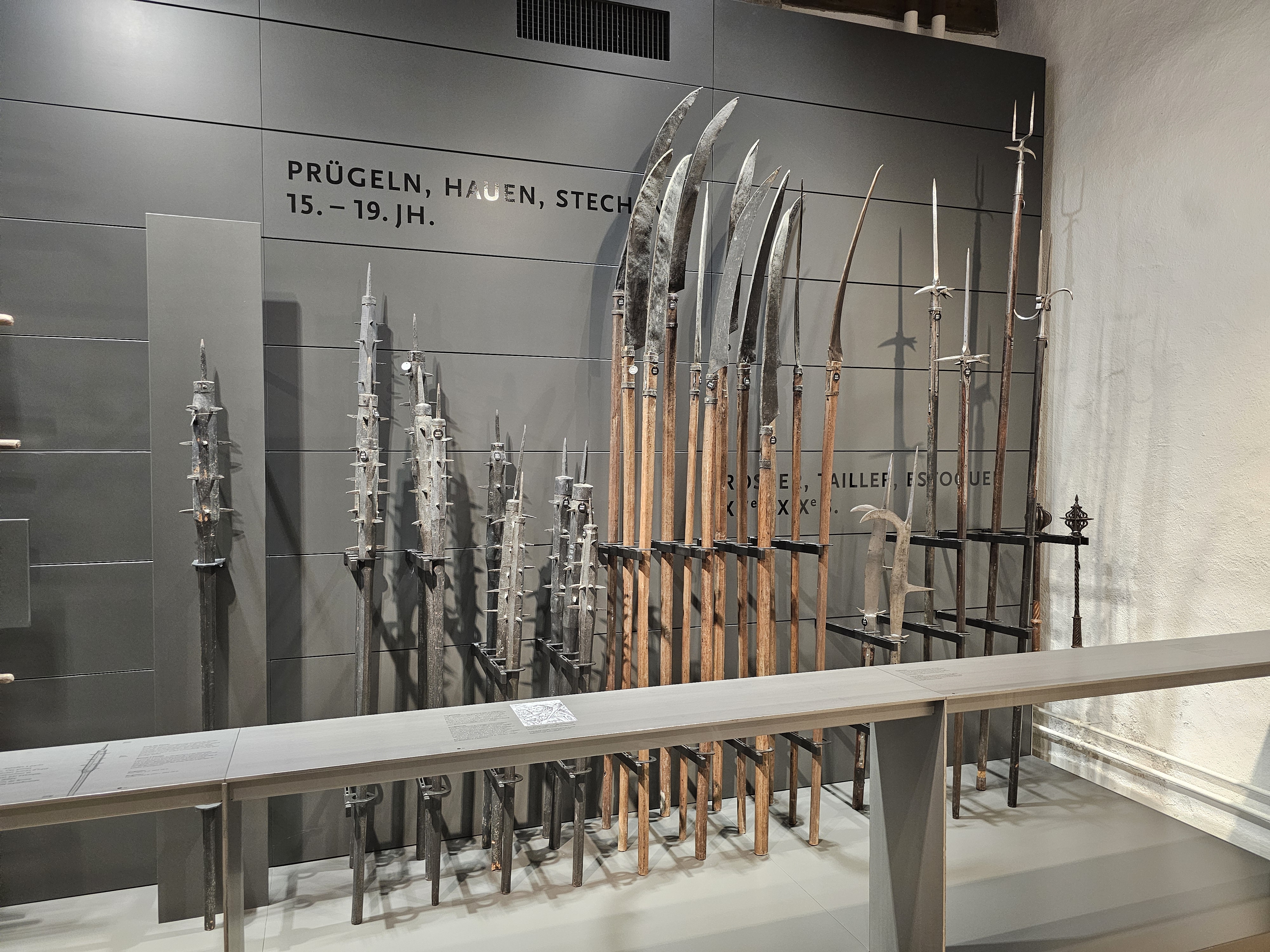
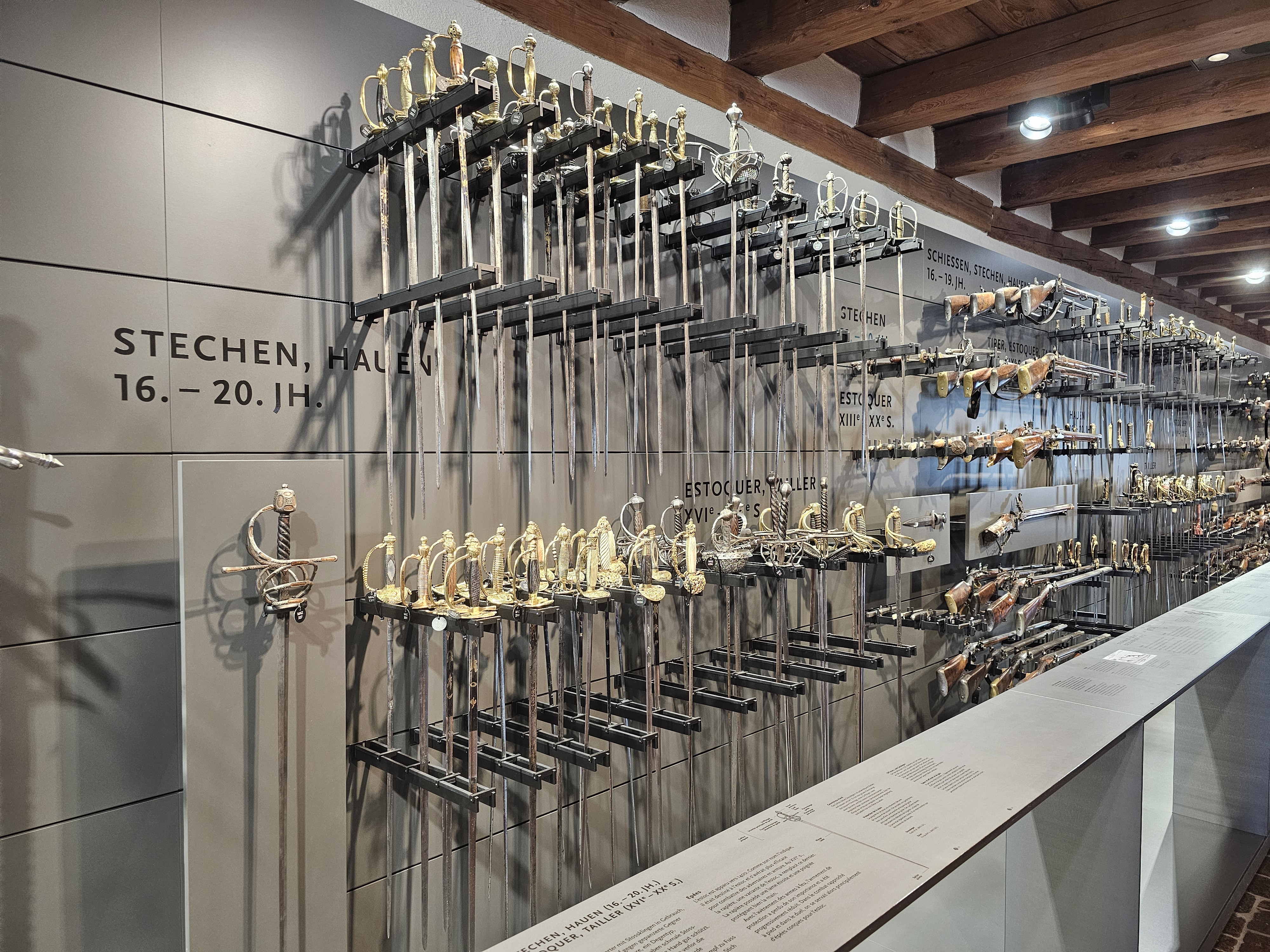
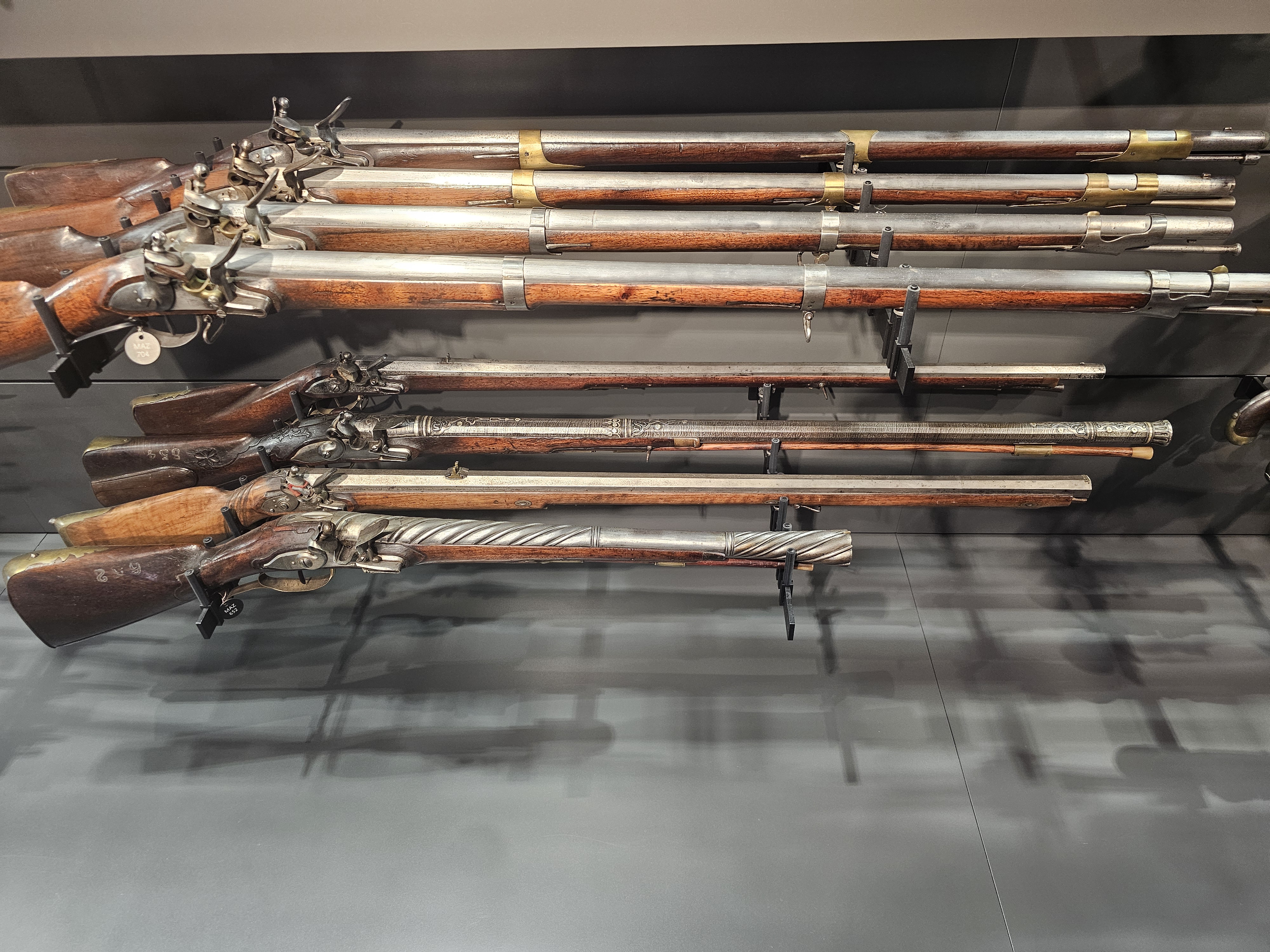
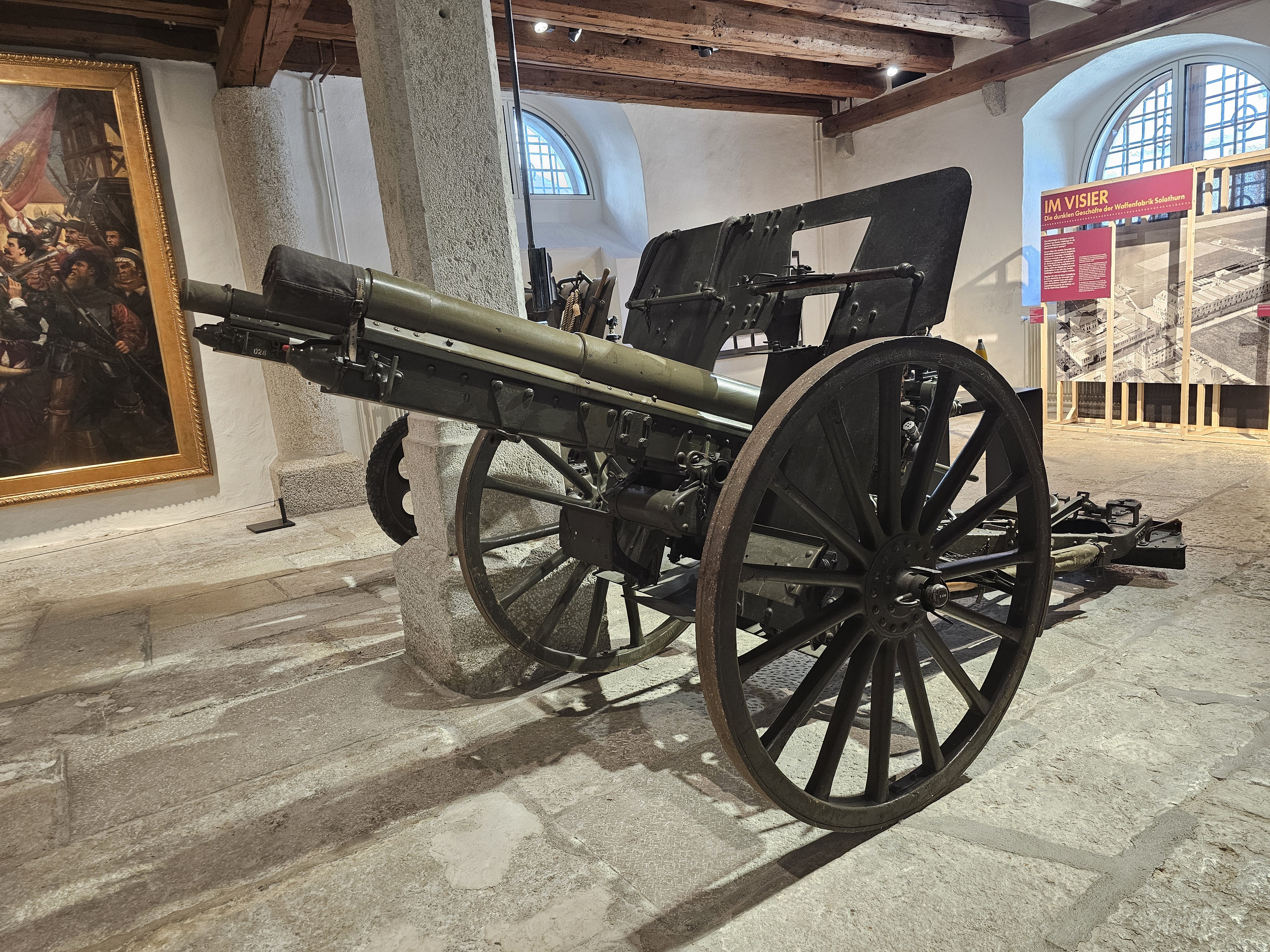
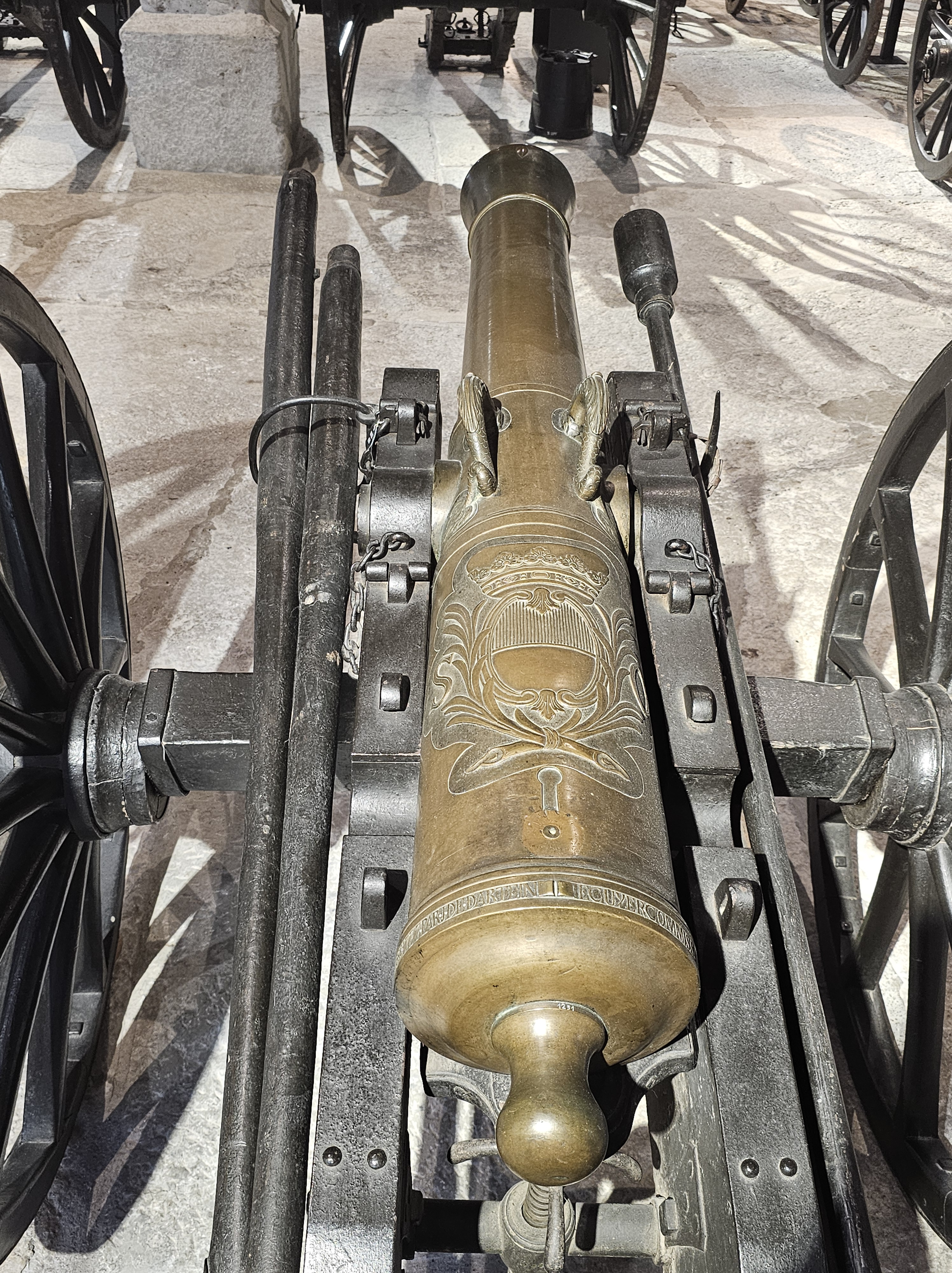
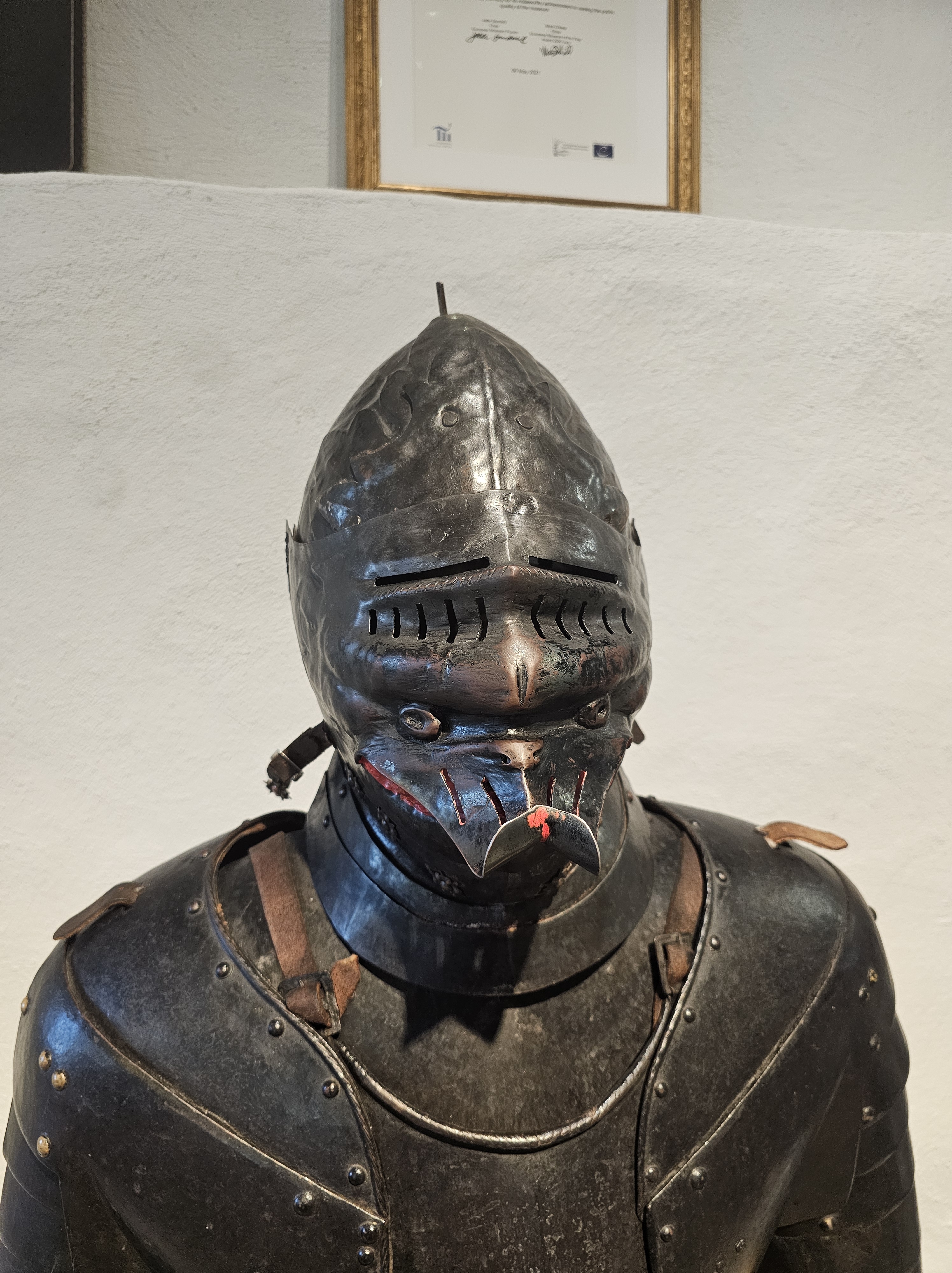
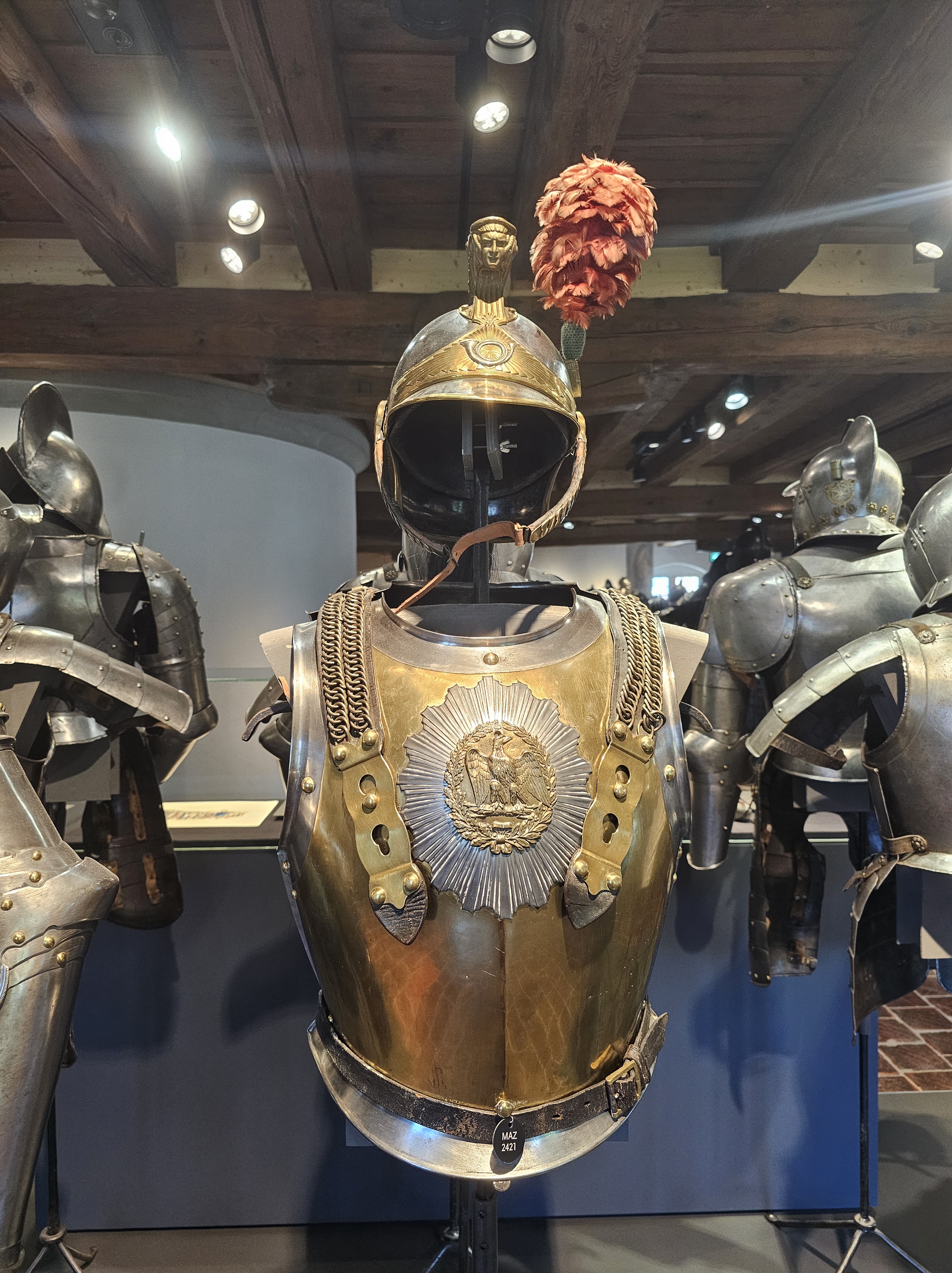
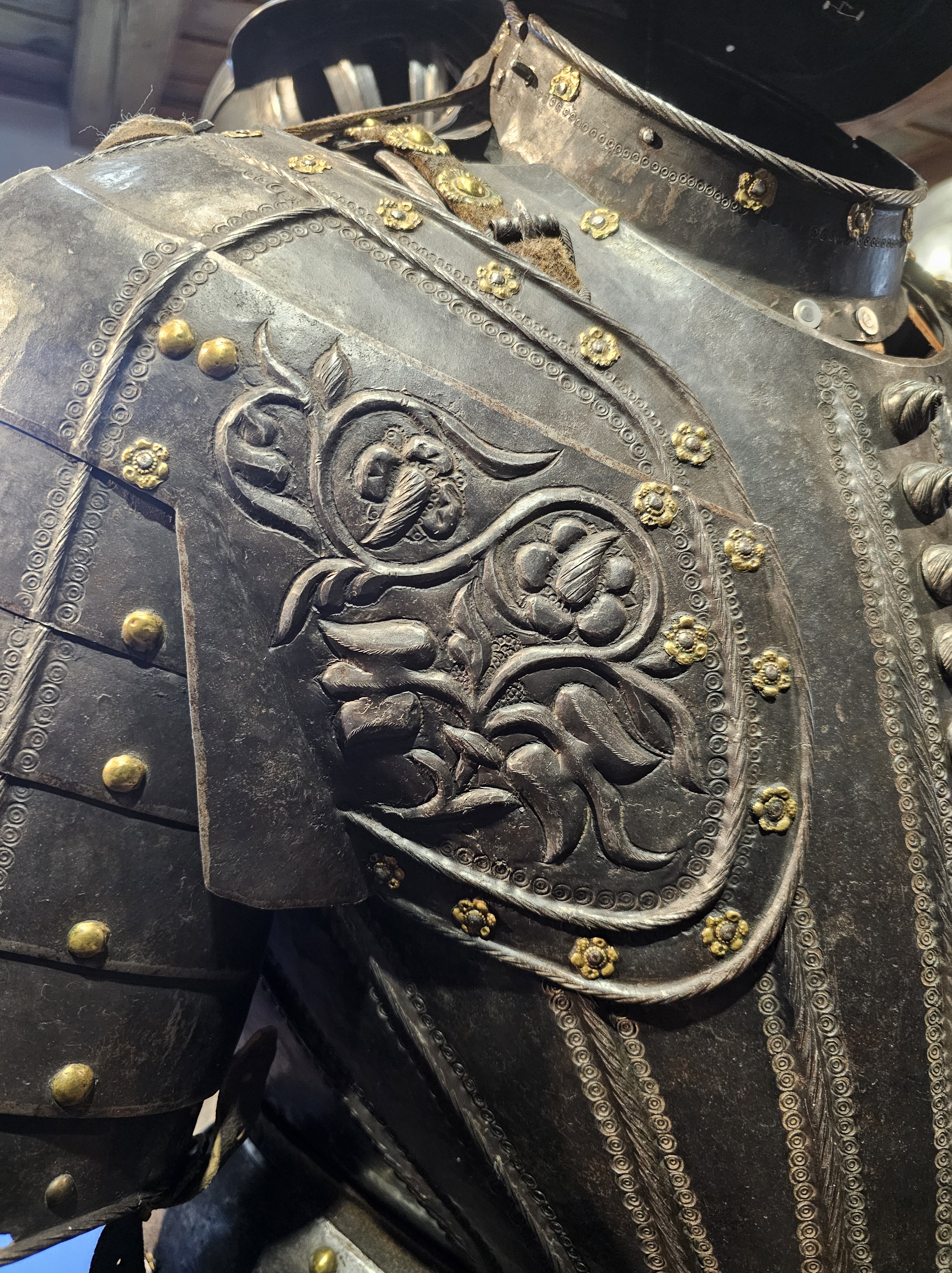
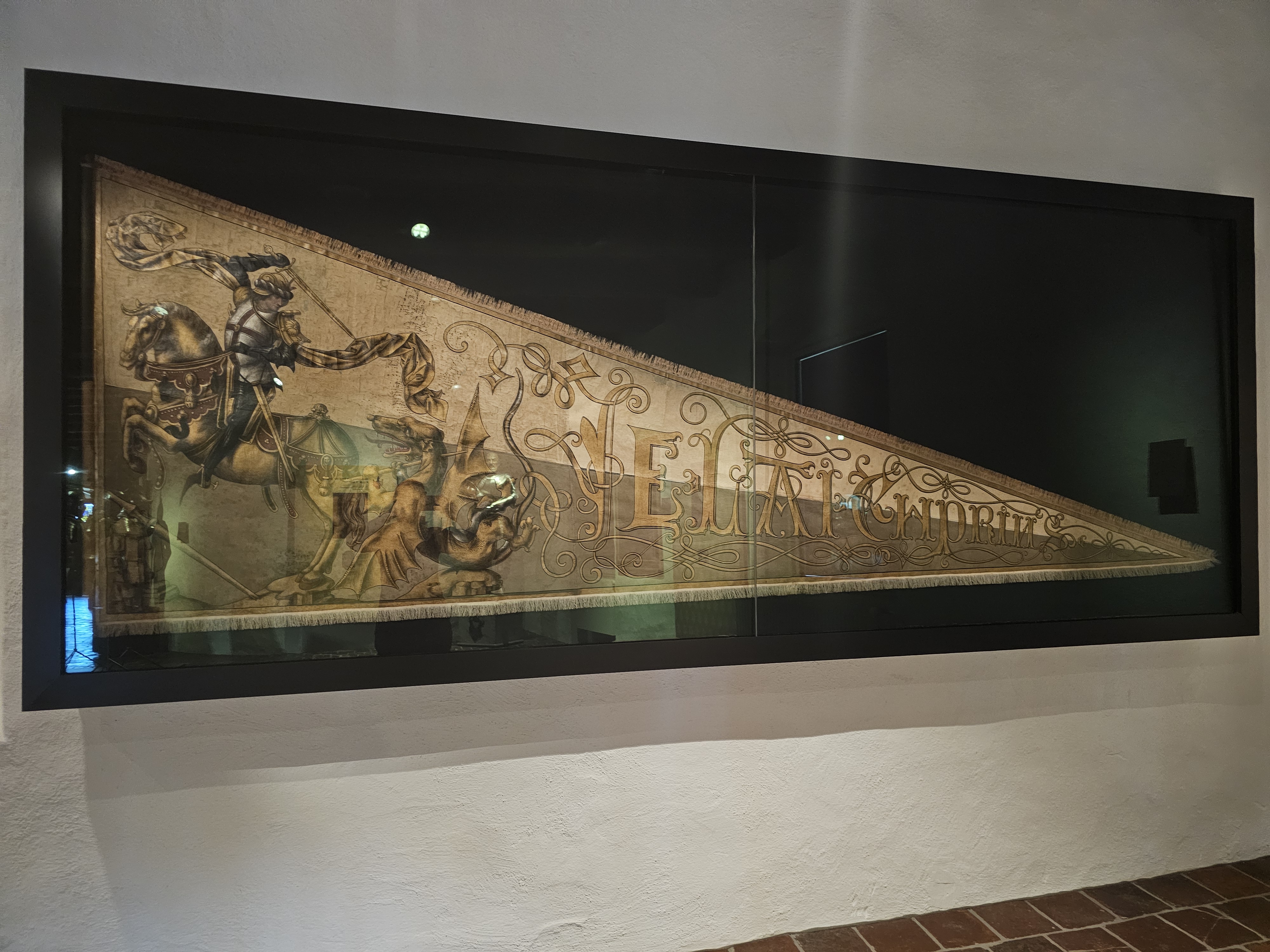
Not a castle exactly, but far too good to leave off the list — this is Solothurn’s Old Armoury, built between 1609 and 1614 to store the weapons and armour of the city’s own citizen militia, plus a stack of gear for the mercenary trade on the side. Four hundred-plus years later it’s still standing, still crammed with cannons, swords and armour, and it’s one of the largest weapons collections in Europe.
ROUND THE ARMOURY
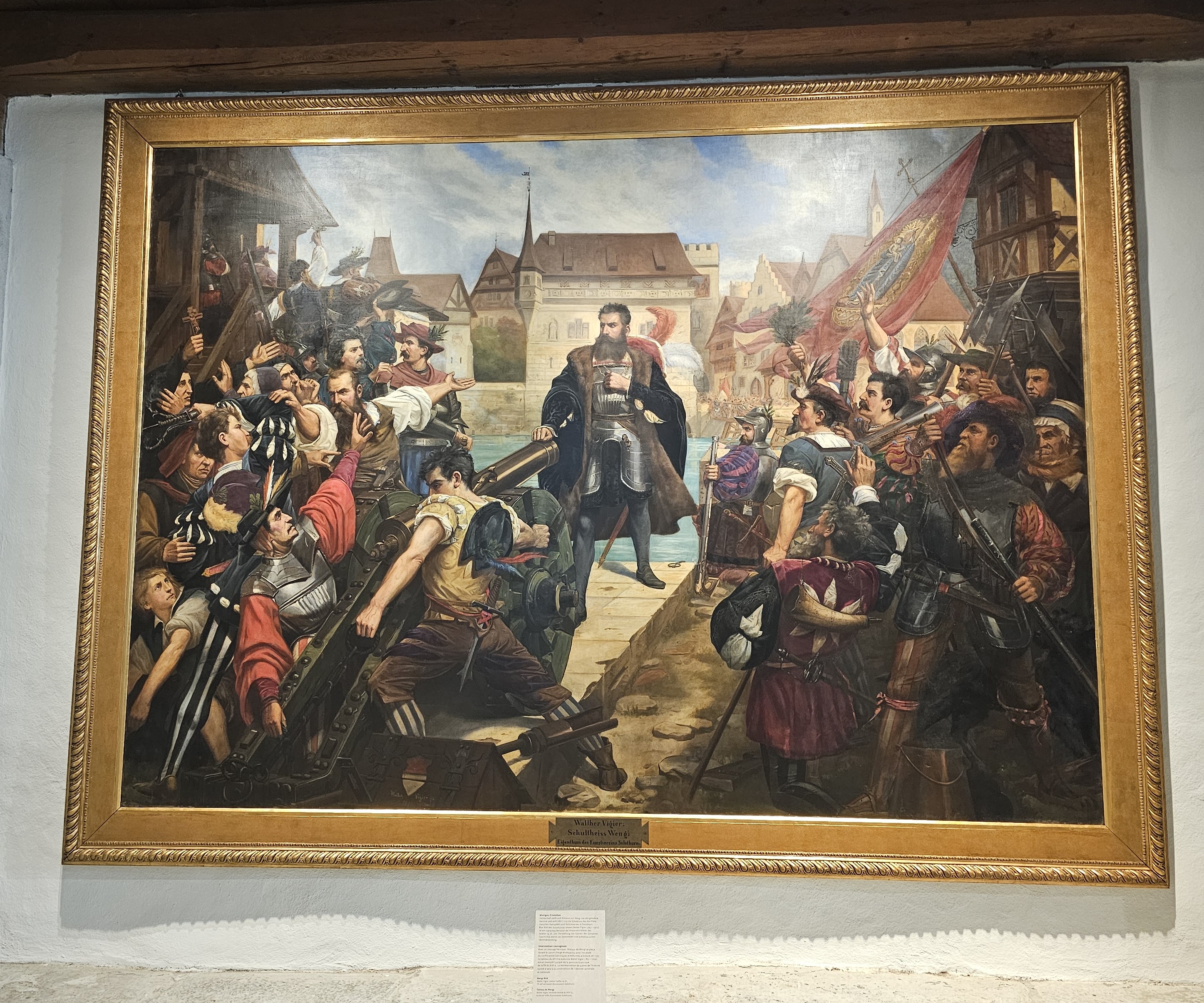
What I love about this place is that people have been gawking at the exhibits since practically the day it opened — it was already being used as an informal museum back in the 18th century, long before ‘museum’ was even really a job description. The second floor is the showstopper: over 300 full suits of armour lined up, which is the only display of its kind in the whole of Switzerland. There’s also a genuinely enormous painting on the ground floor and a group of wooden figures from 1845 depicting a famous historical peace conference — one of the oldest museum displays still going in the country. The building finally hung up its boots as a working arsenal in 1907 and became a full-time museum, getting a proper two-year makeover between 2014 and 2016.
THE LITTLE TITBIT
The giant painting downstairs shows Solothurn politician Niklaus von Wengi literally throwing himself in front of a loaded cannon in 1533 to stop a religious punch-up between Catholics and Protestants from turning into a full-blown massacre. The man put his own body between his city and a cannonball to keep the peace. That is next-level commitment to conflict resolution.
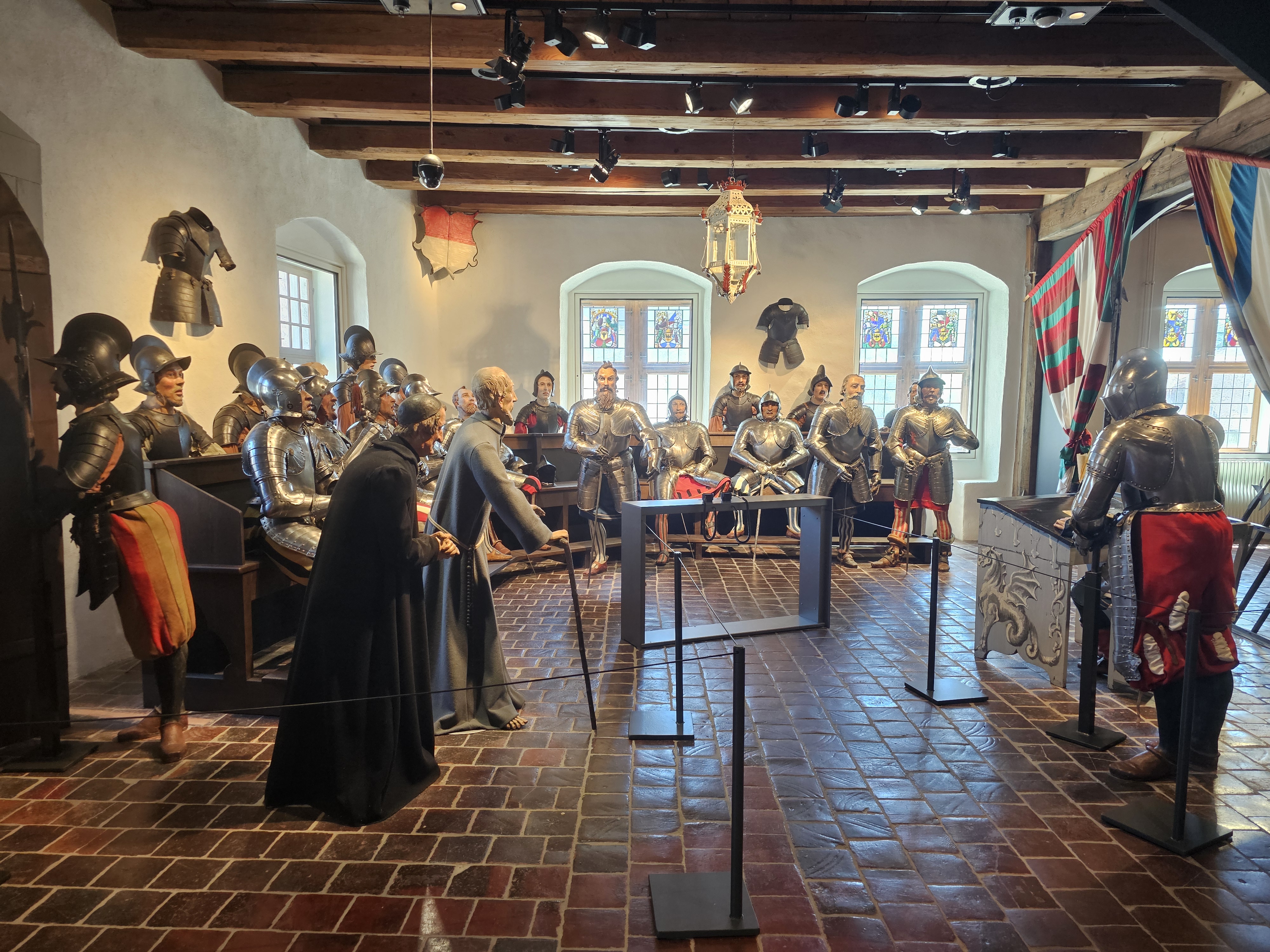
Depiction of a major political crisis in 1481. The rural and urban cantons were fighting over whether Solothurn should be admitted to the confederation. Brother Klause intervened as mediator and an agreement was reached to include Solothurn and Fribourg into the Condederation.