St Gallen, Switzerland
THE LOWDOWN
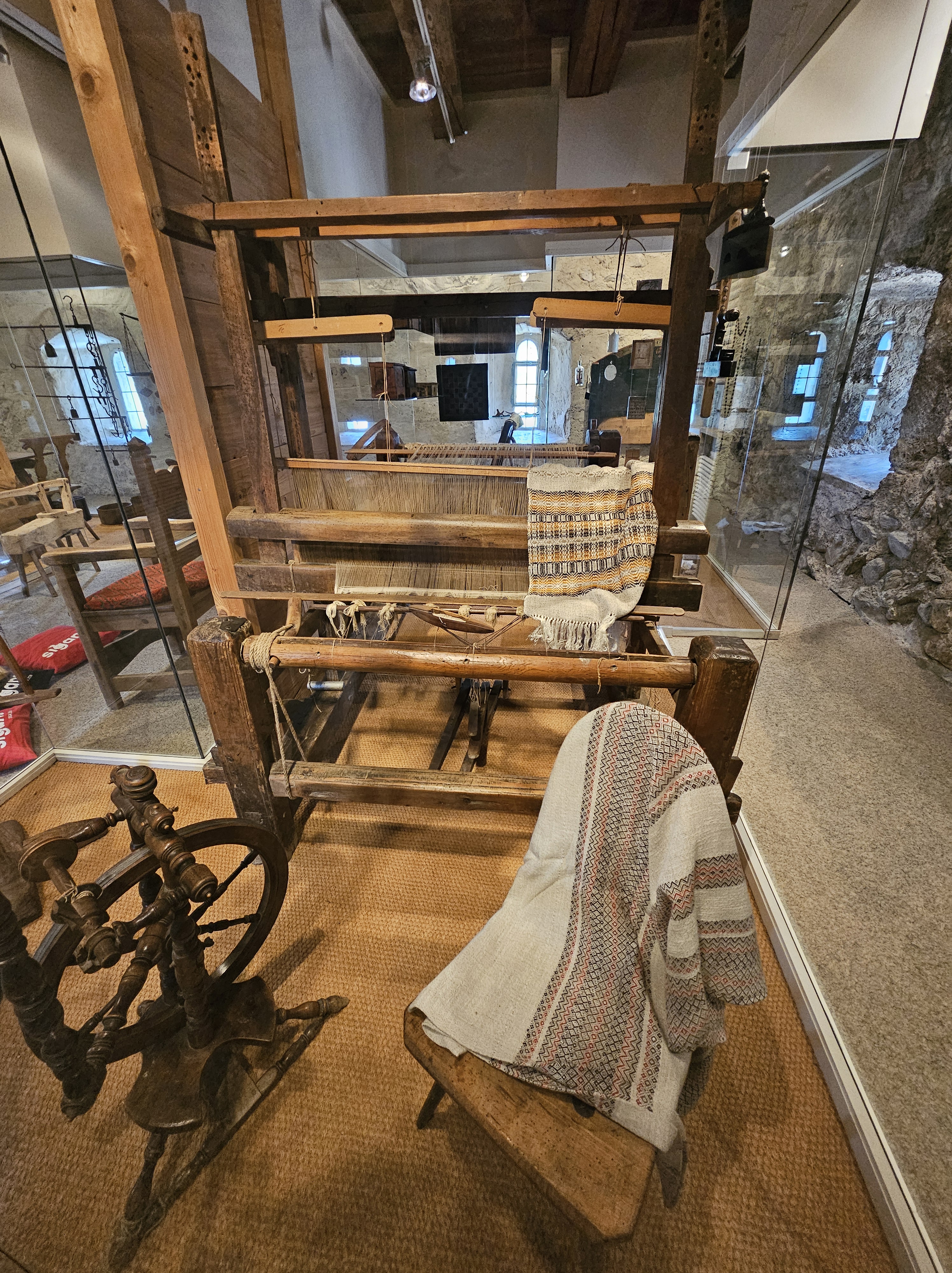
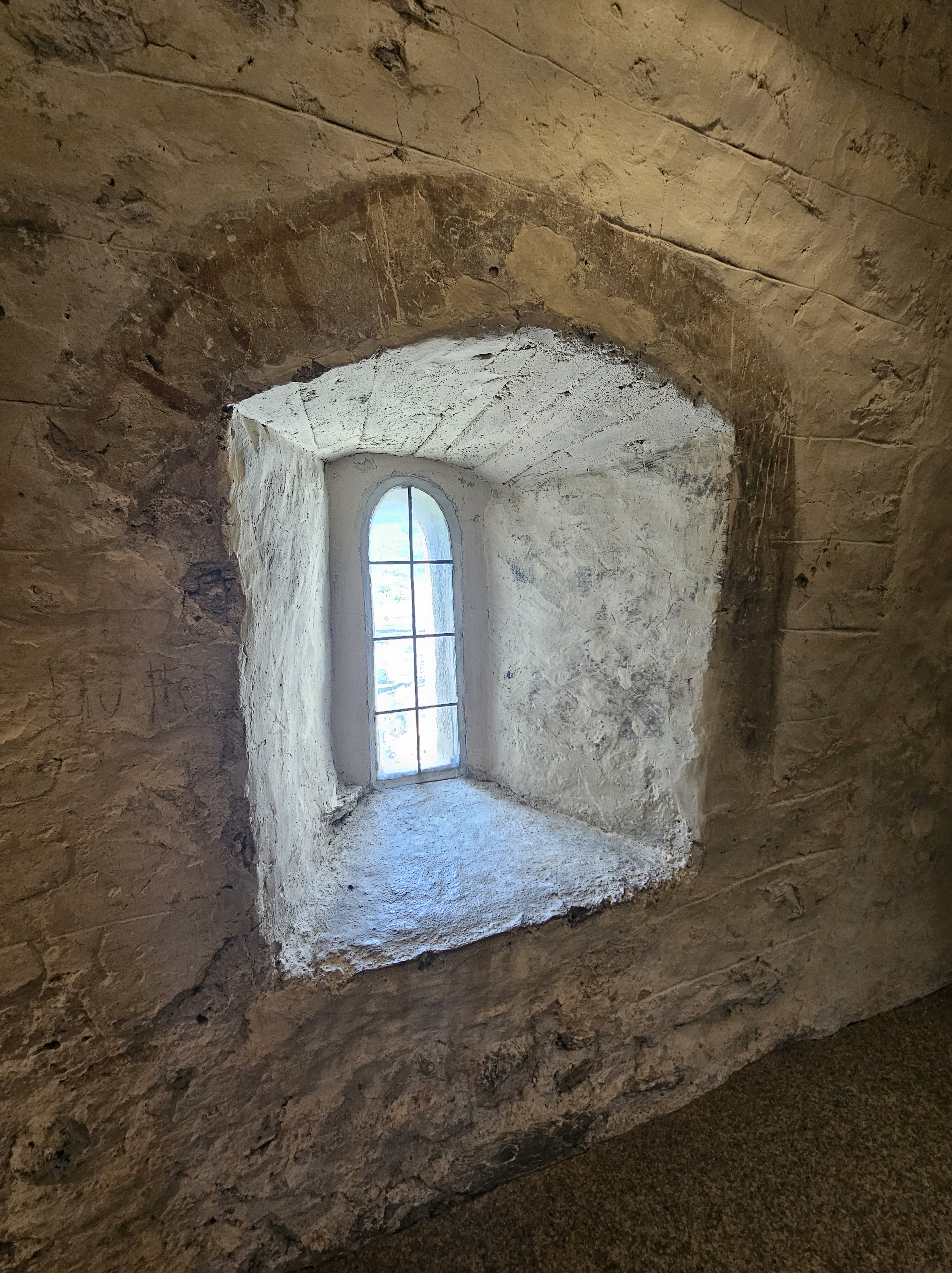
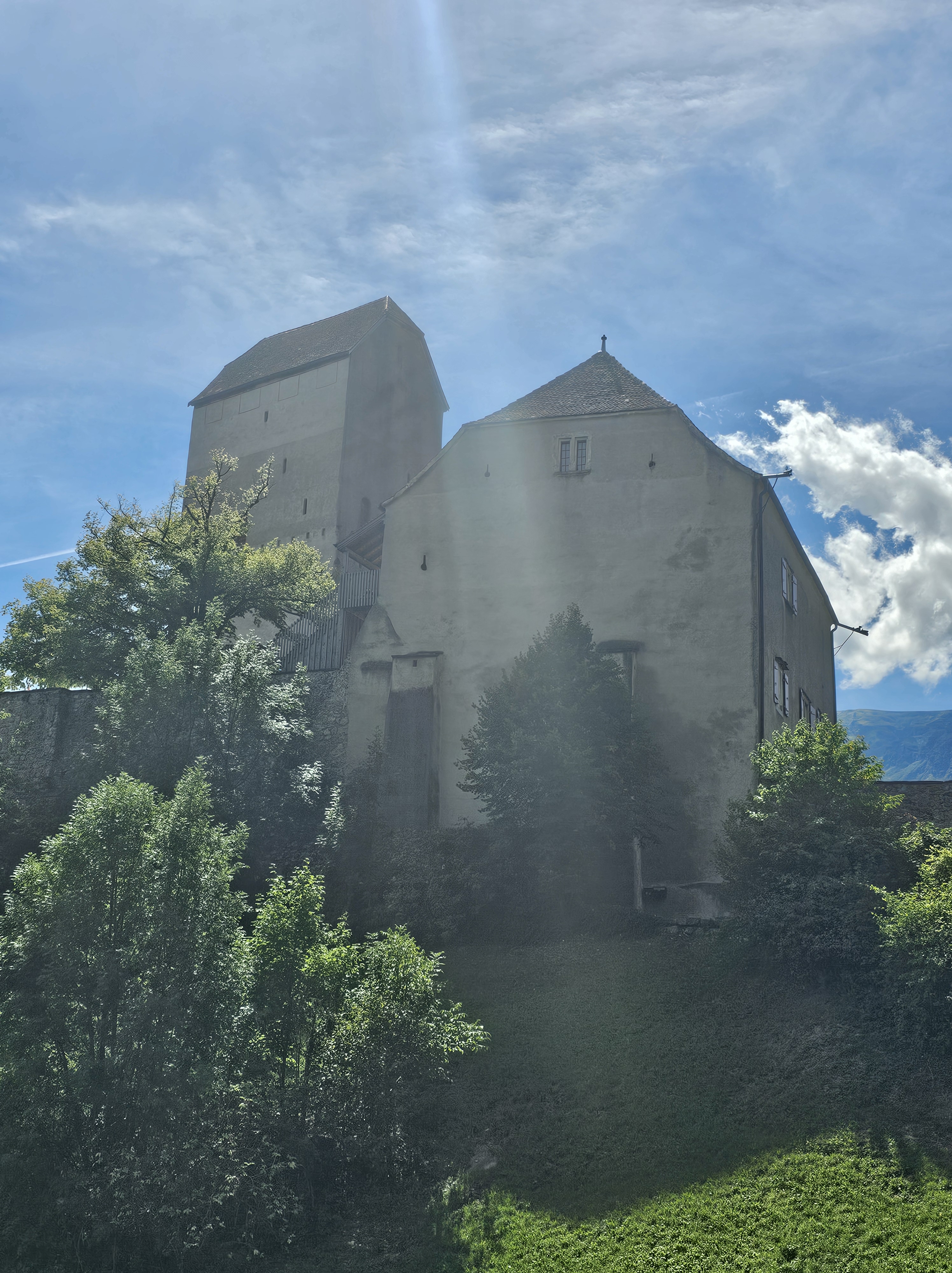
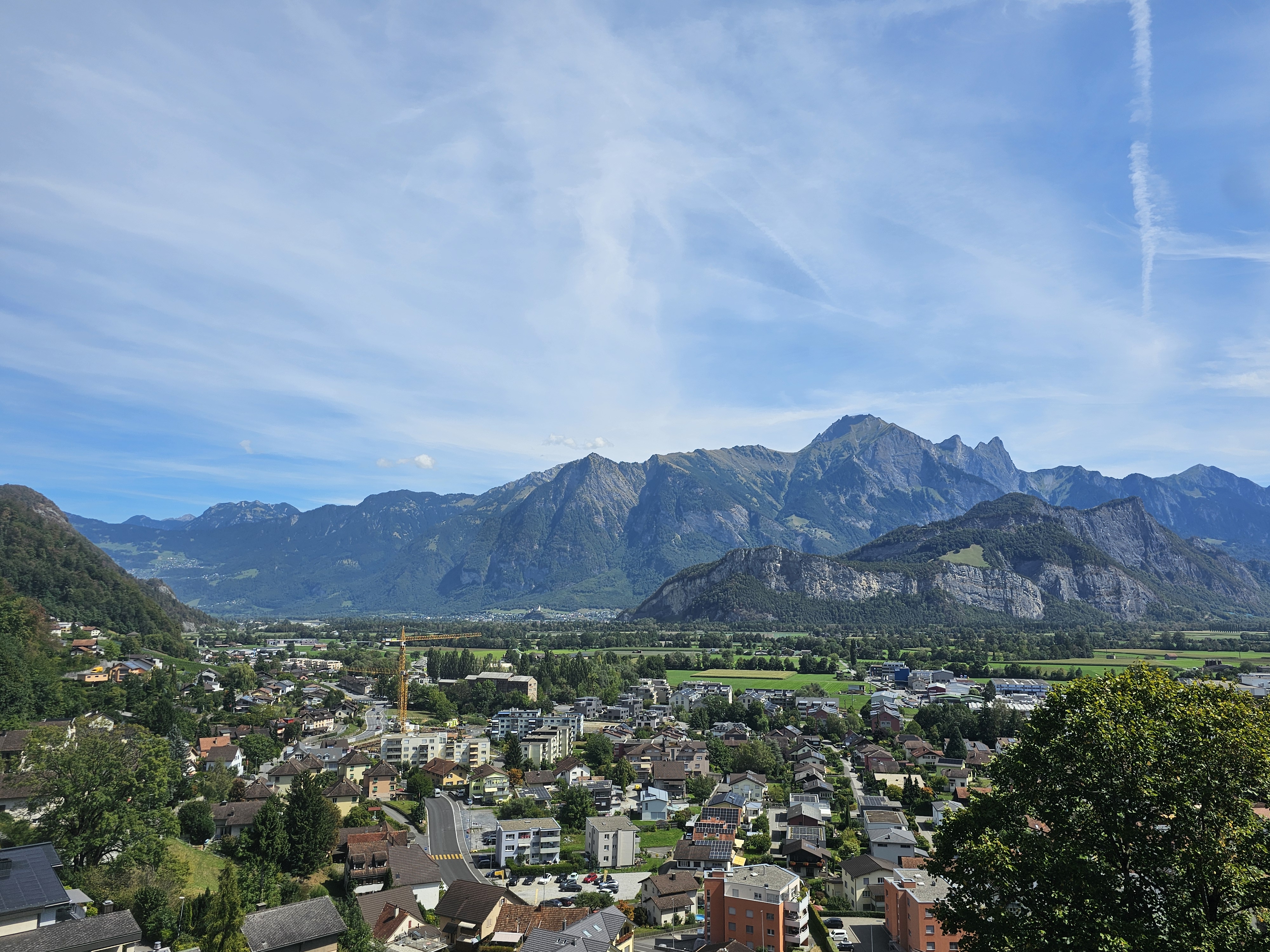
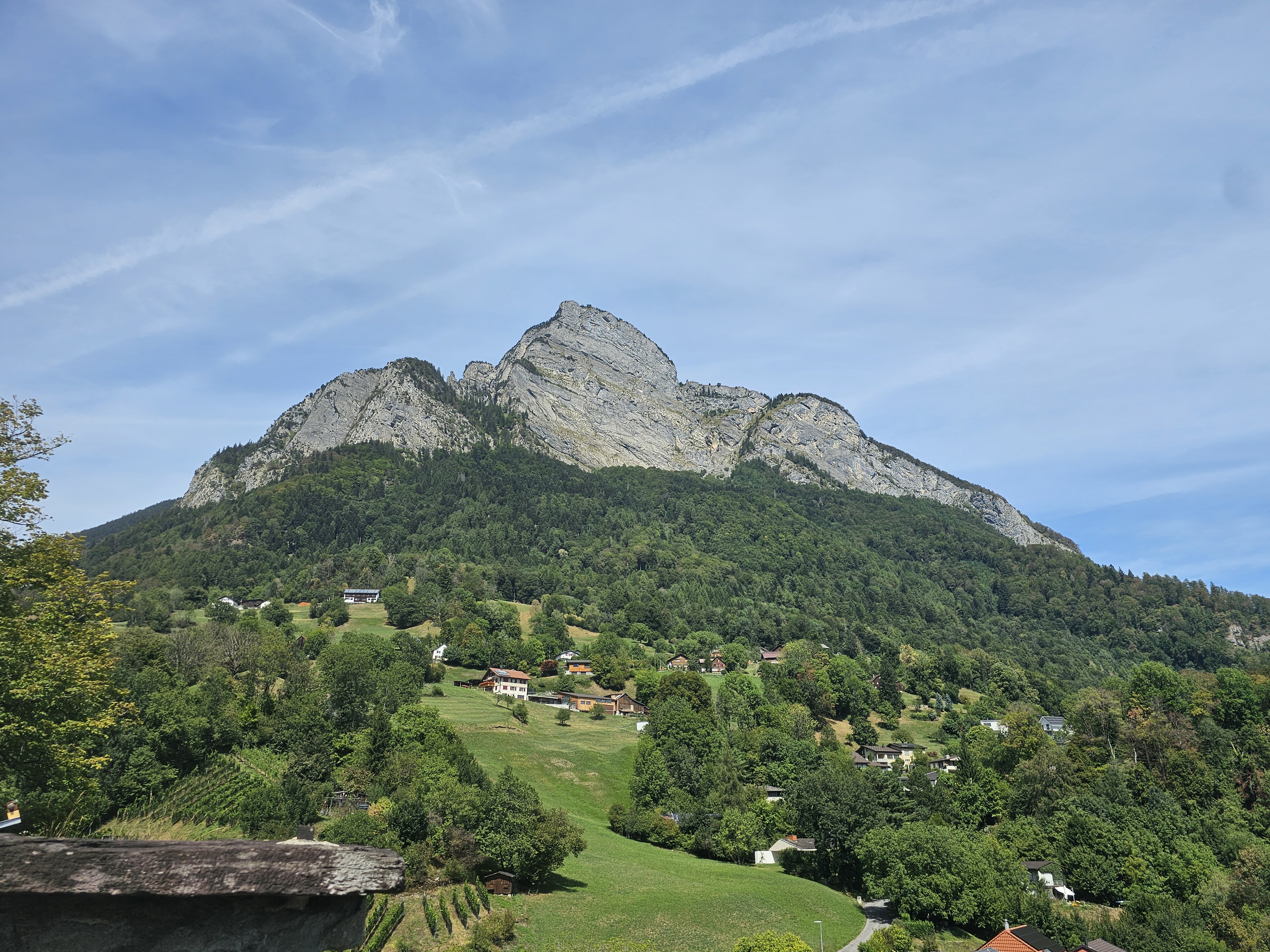
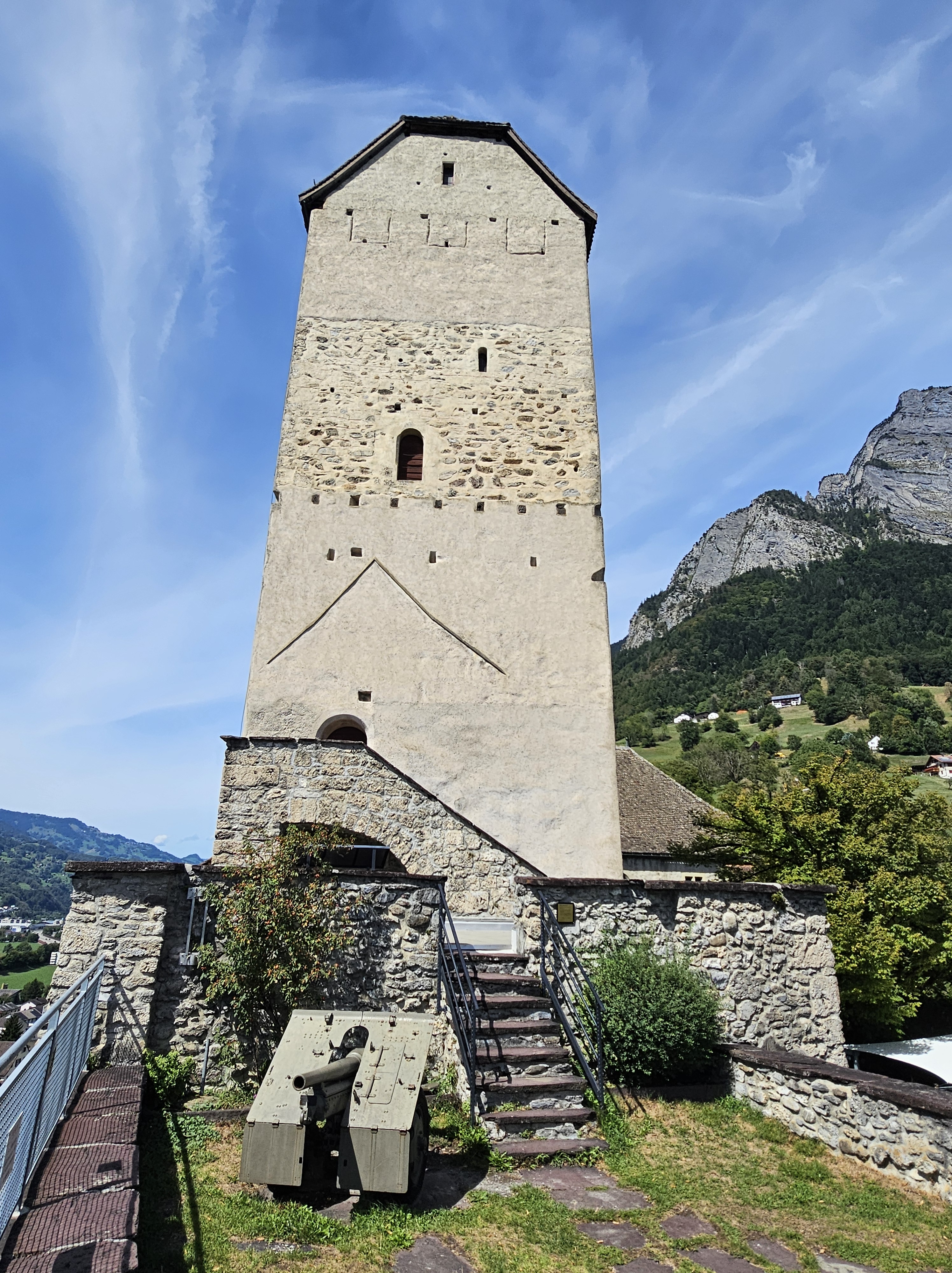
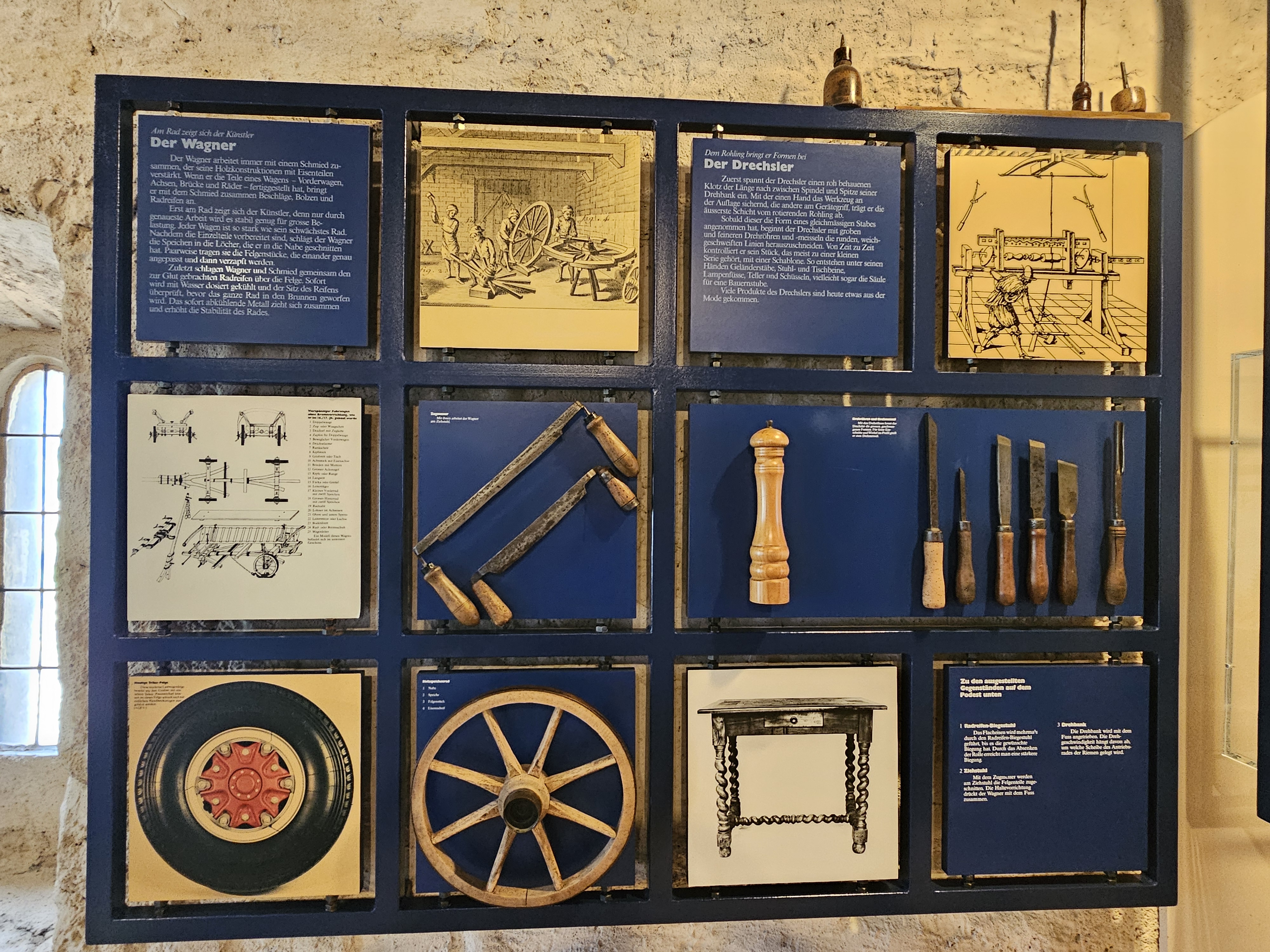
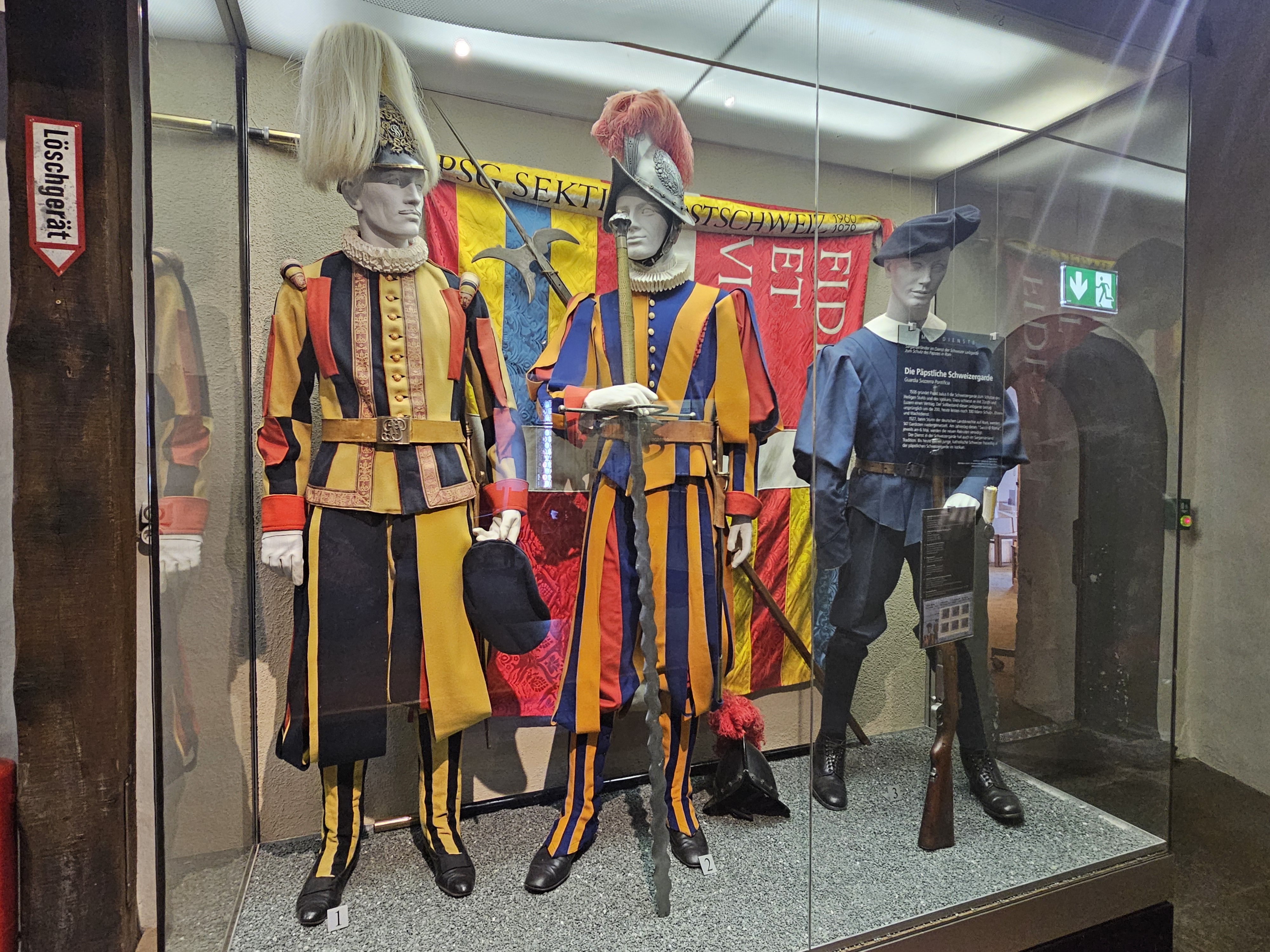
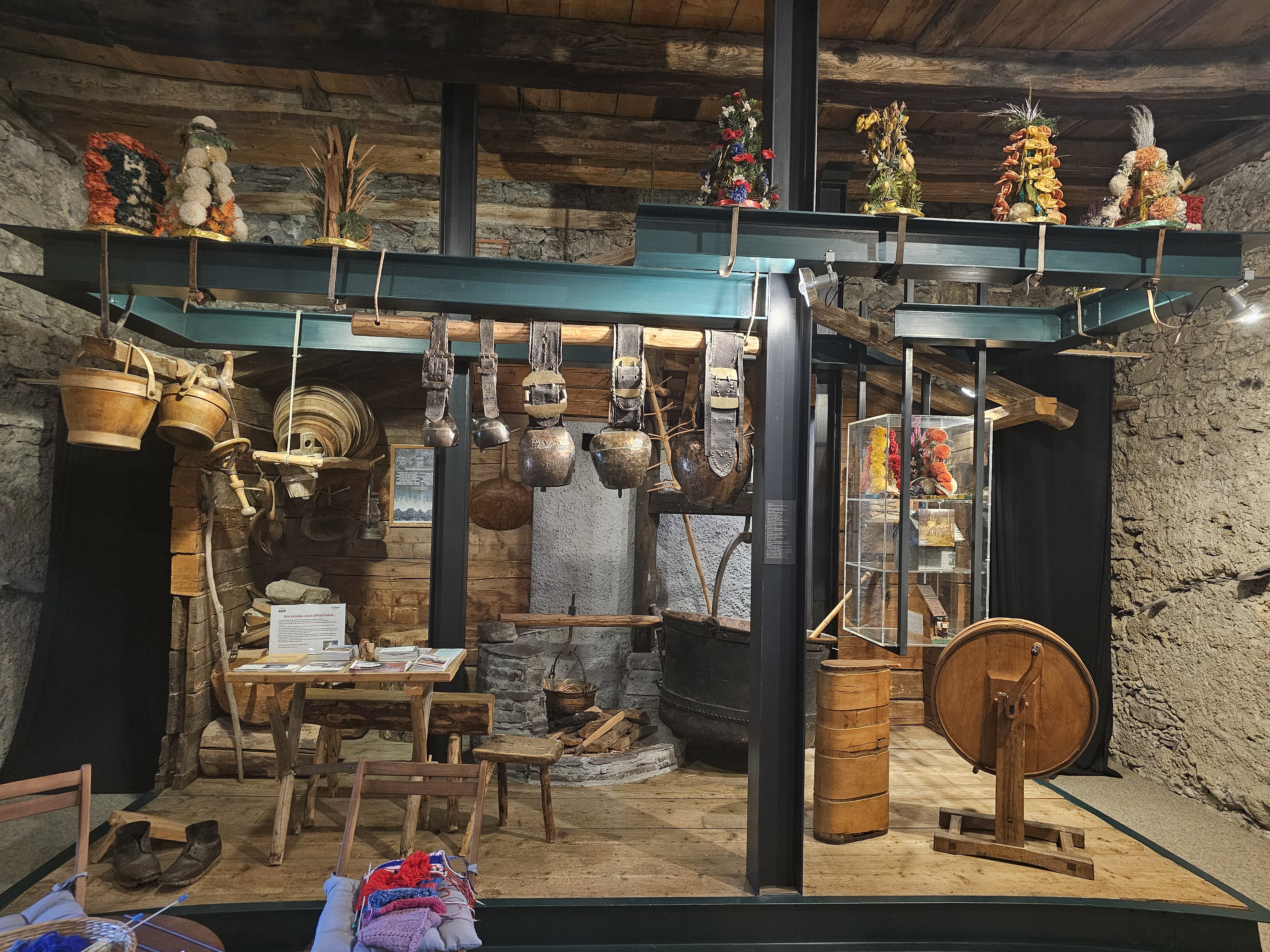
Perched on a rocky hill above the little town of Sargans, this 13th-century castle has been keeping an eye on one of Switzerland’s most important crossroads for around 800 years. From up here, you can see why the spot mattered — the Rhine Valley and the route towards Lake Walenstadt meet practically beneath your feet. Originally home to the Counts of Werdenberg-Sargans, the castle later became the headquarters of Swiss governors and today houses the Museum Sarganserland, which takes you through the region’s history, from medieval power struggles to Alpine farming and mining.
ROUND THE CASTLE
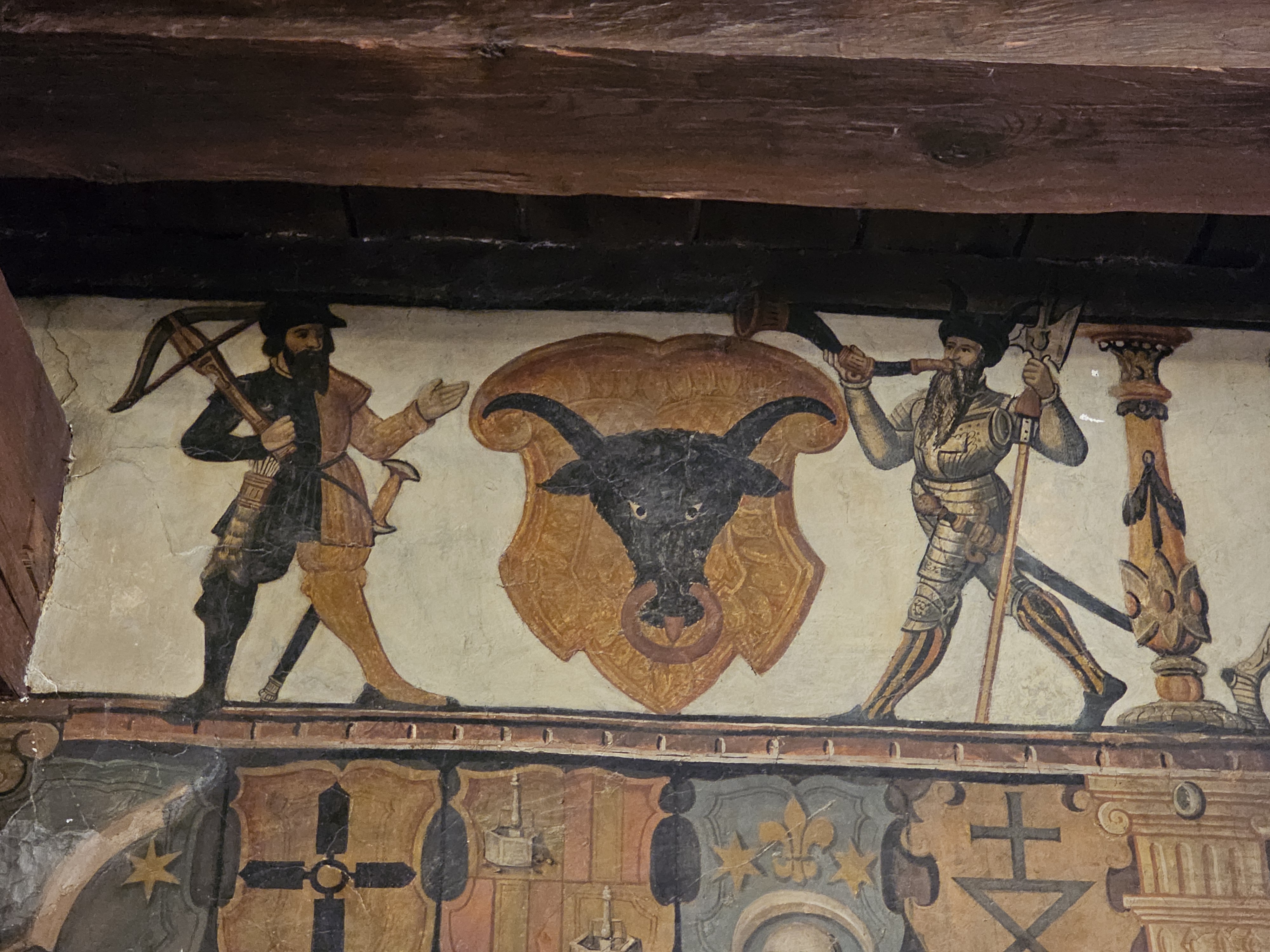
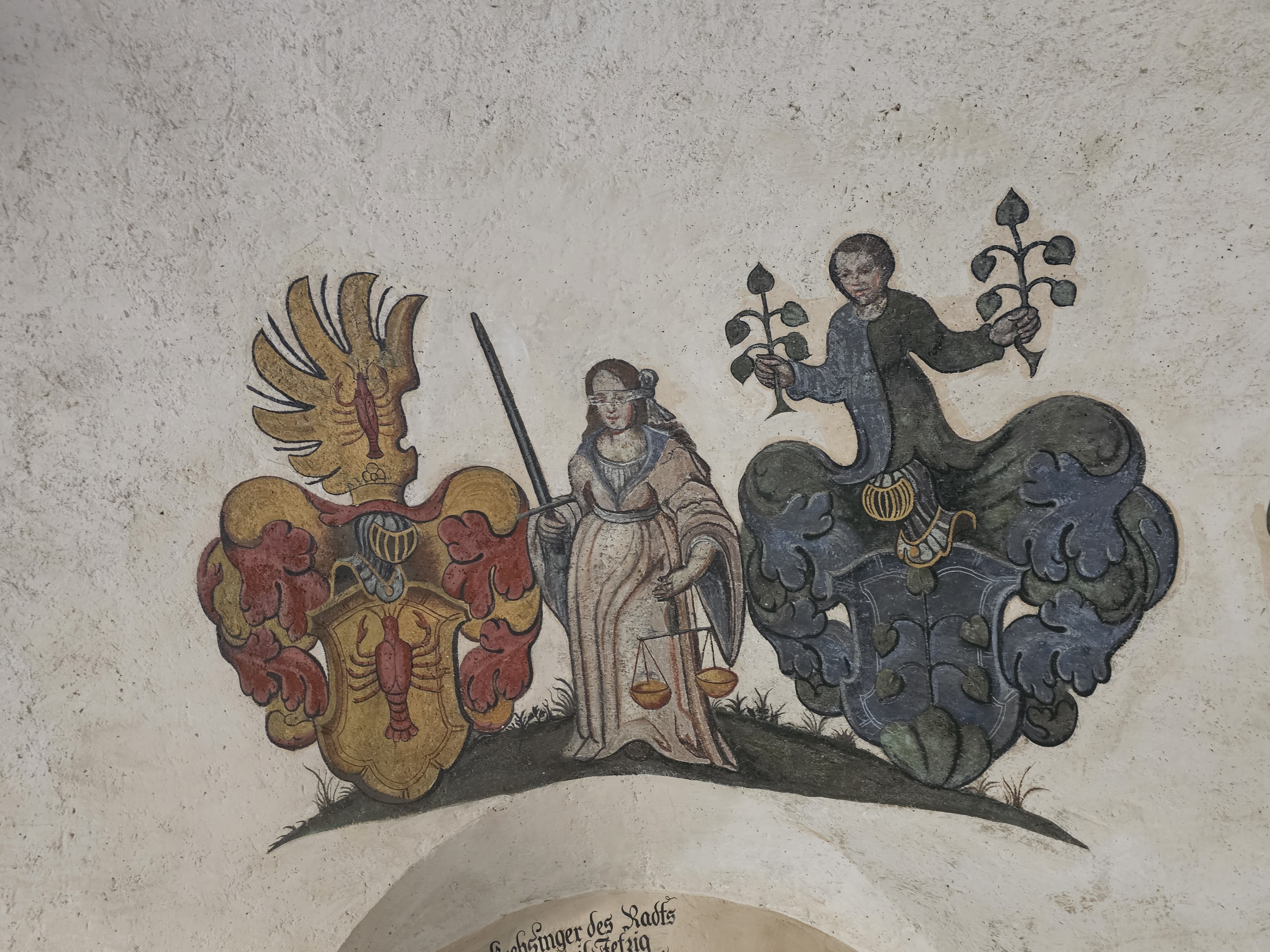
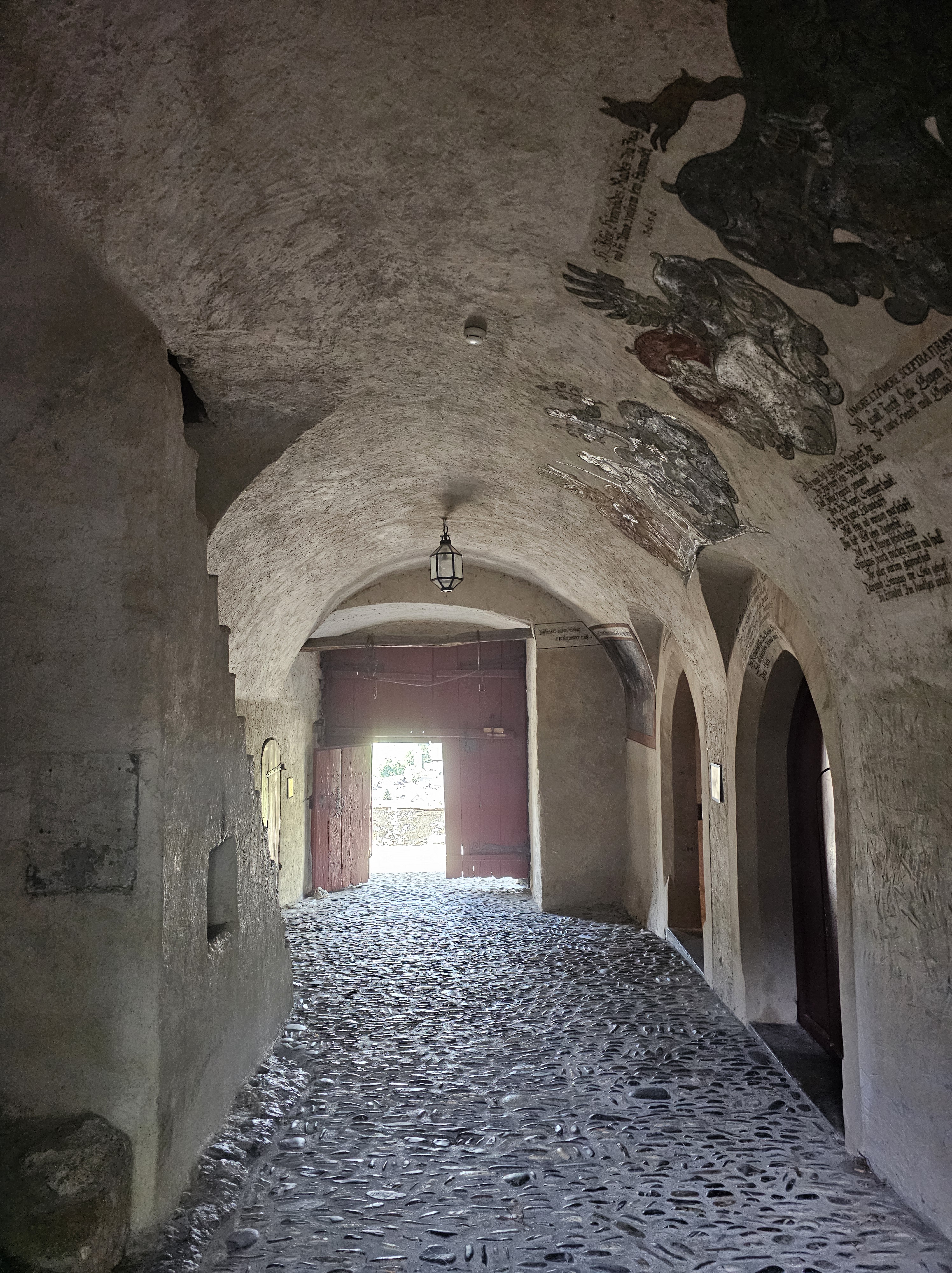
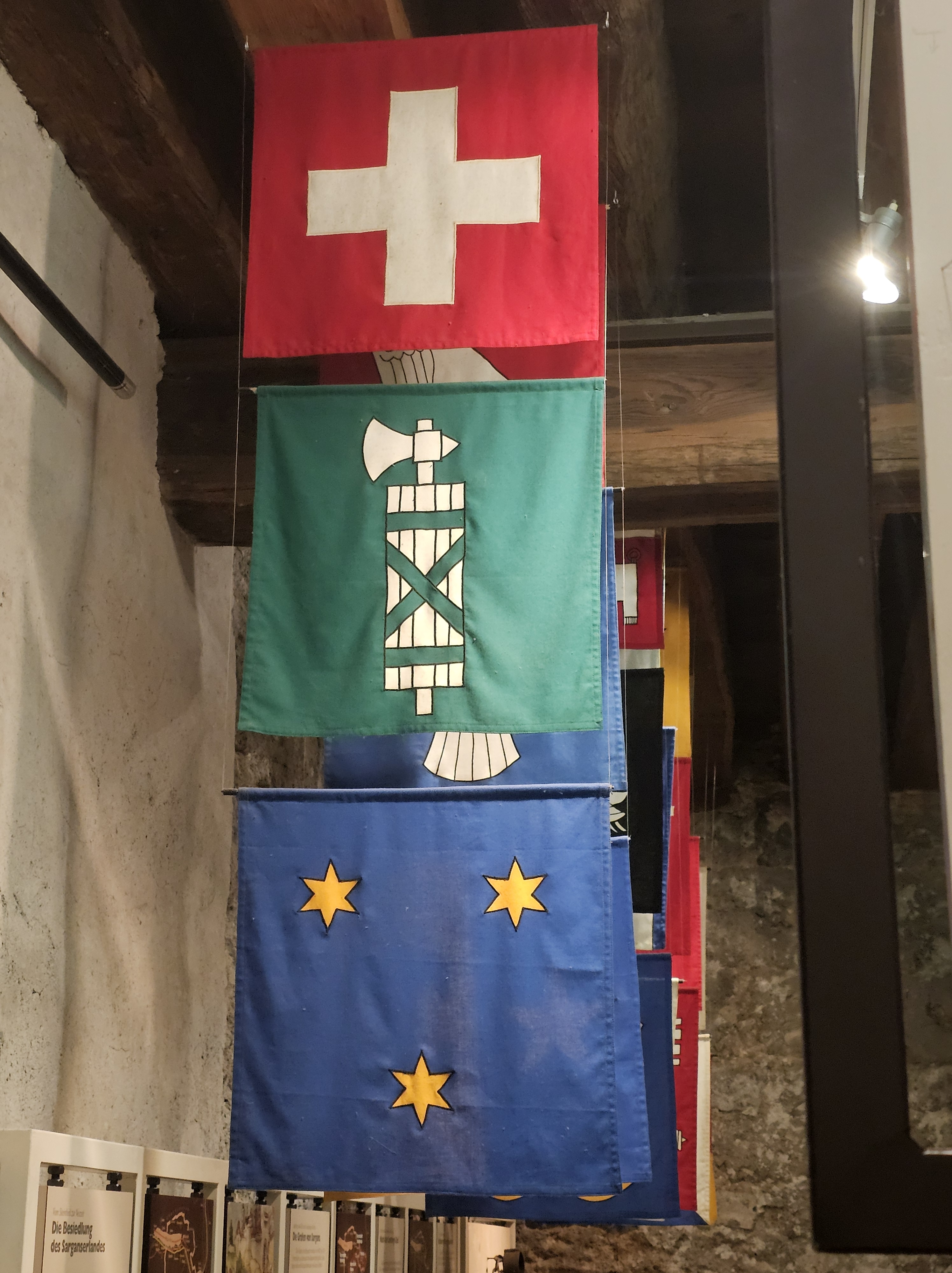
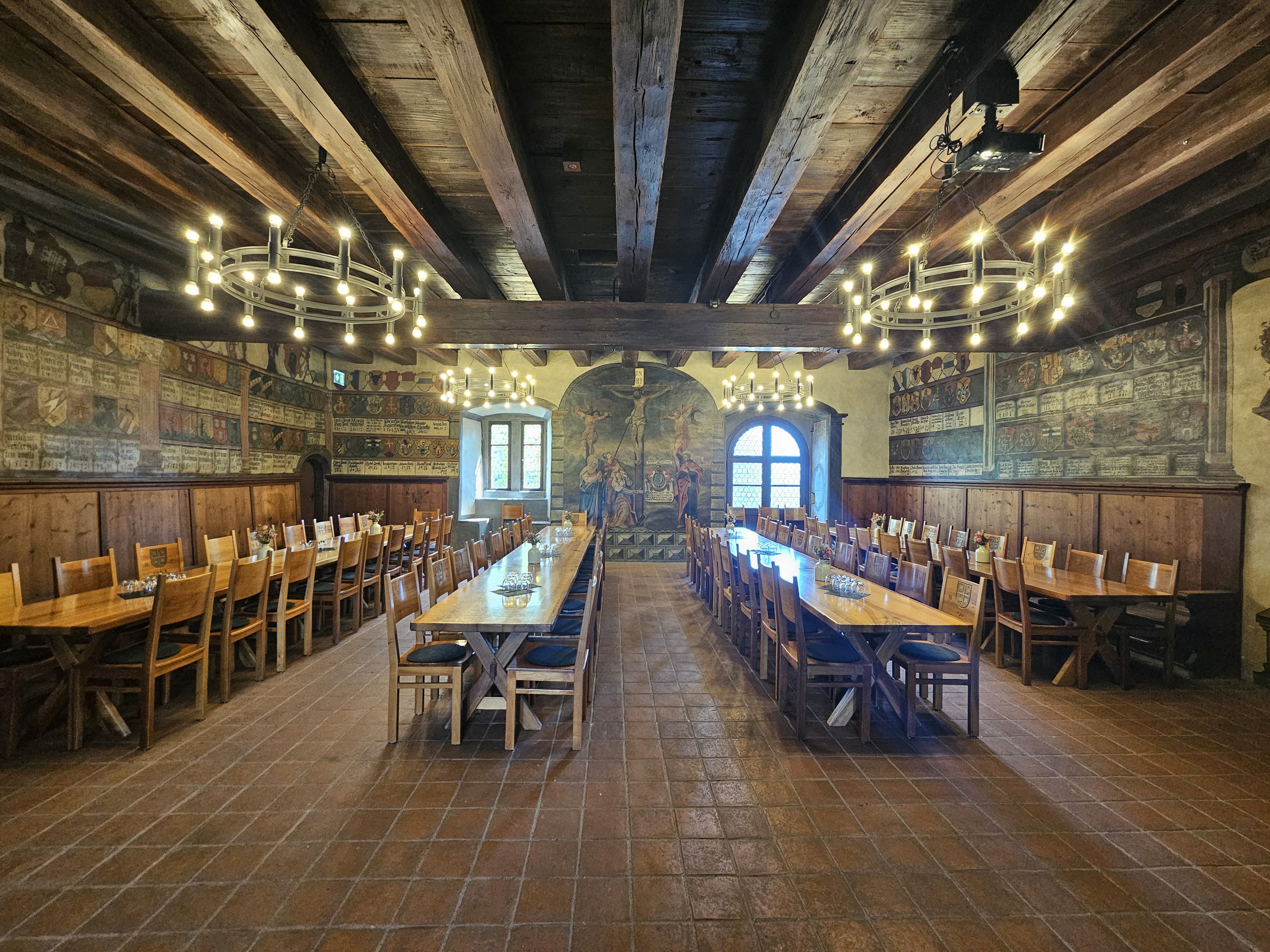
The castle’s story is really about controlling the routes through the Alps. The Counts of Werdenberg-Sargans established themselves here in the 1200s, building a formidable stone tower that still dominates the place today. In 1483, seven cantons of the Old Swiss Confederacy bought the County of Sargans, turning the castle into the residence of their appointed bailiffs. For more than 300 years, these governors took turns running the region from up here, collecting taxes and administering justice. That arrangement ended in 1798 when the old Swiss political system collapsed. These days, you can explore the museum inside the historic walls, admire the massive medieval masonry and enjoy some cracking views across the valley. There’s even a restaurant in the castle, so you can have lunch where Swiss officials once kept an eye on their subjects.
THE LITTLE TITBIT
Here’s a rather cheeky bit of Swiss history: when the seven cantons bought Sargans in 1483, they weren’t exactly welcoming the locals into a happy democratic family. Instead, Sargans became a Gemeine Herrschaft — a jointly ruled territory where the cantons took turns sending in their own governors. The locals had little say in who ruled them, while the bailiffs got to live in the castle and collect the taxes. So much for the romantic image of medieval Switzerland as a land where everyone was free and equal. If you lived in Sargans, democracy was something the people upstairs enjoyed.