
Frauenfeld, Thurgau
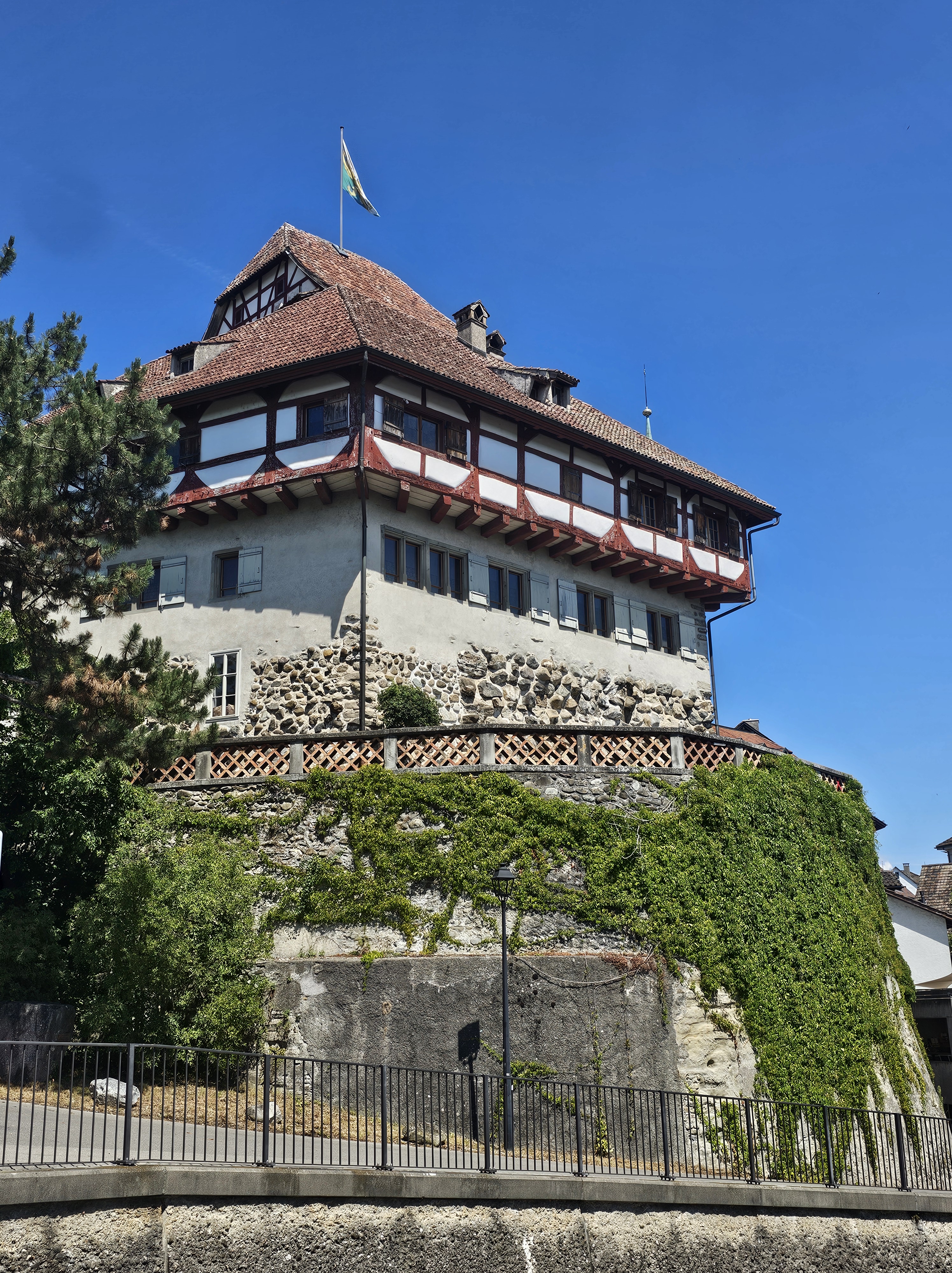
THE LOWDOWN
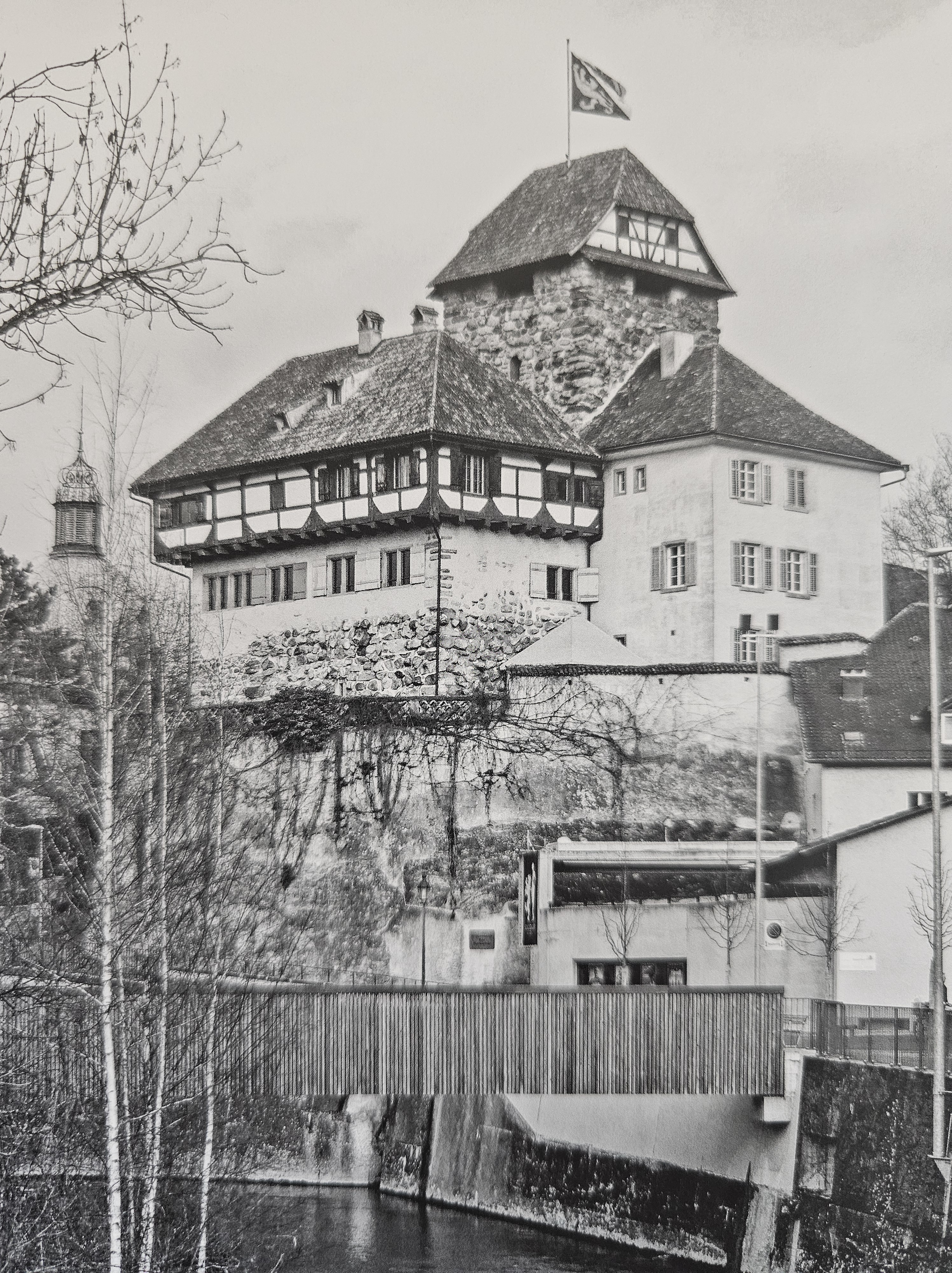
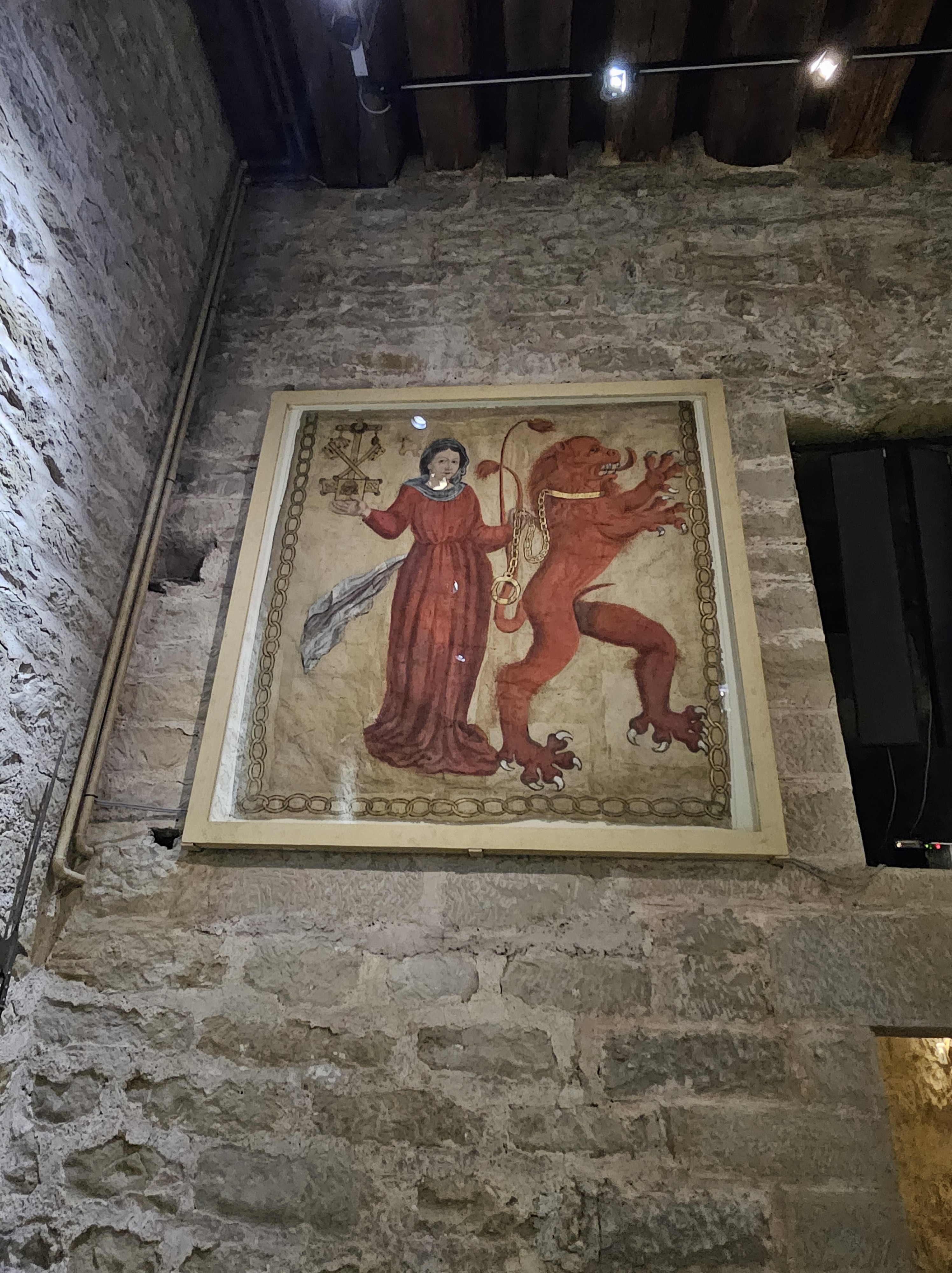
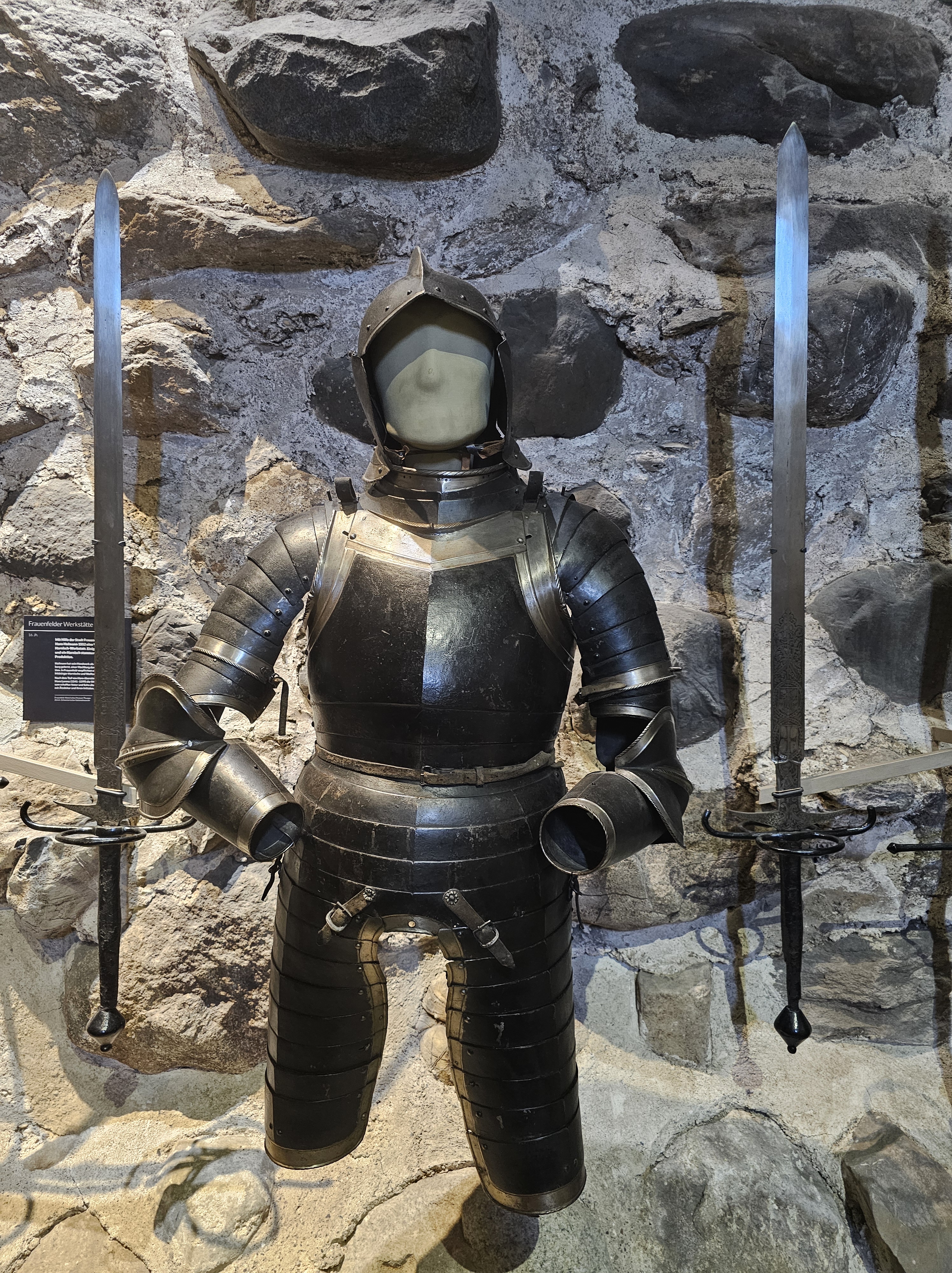
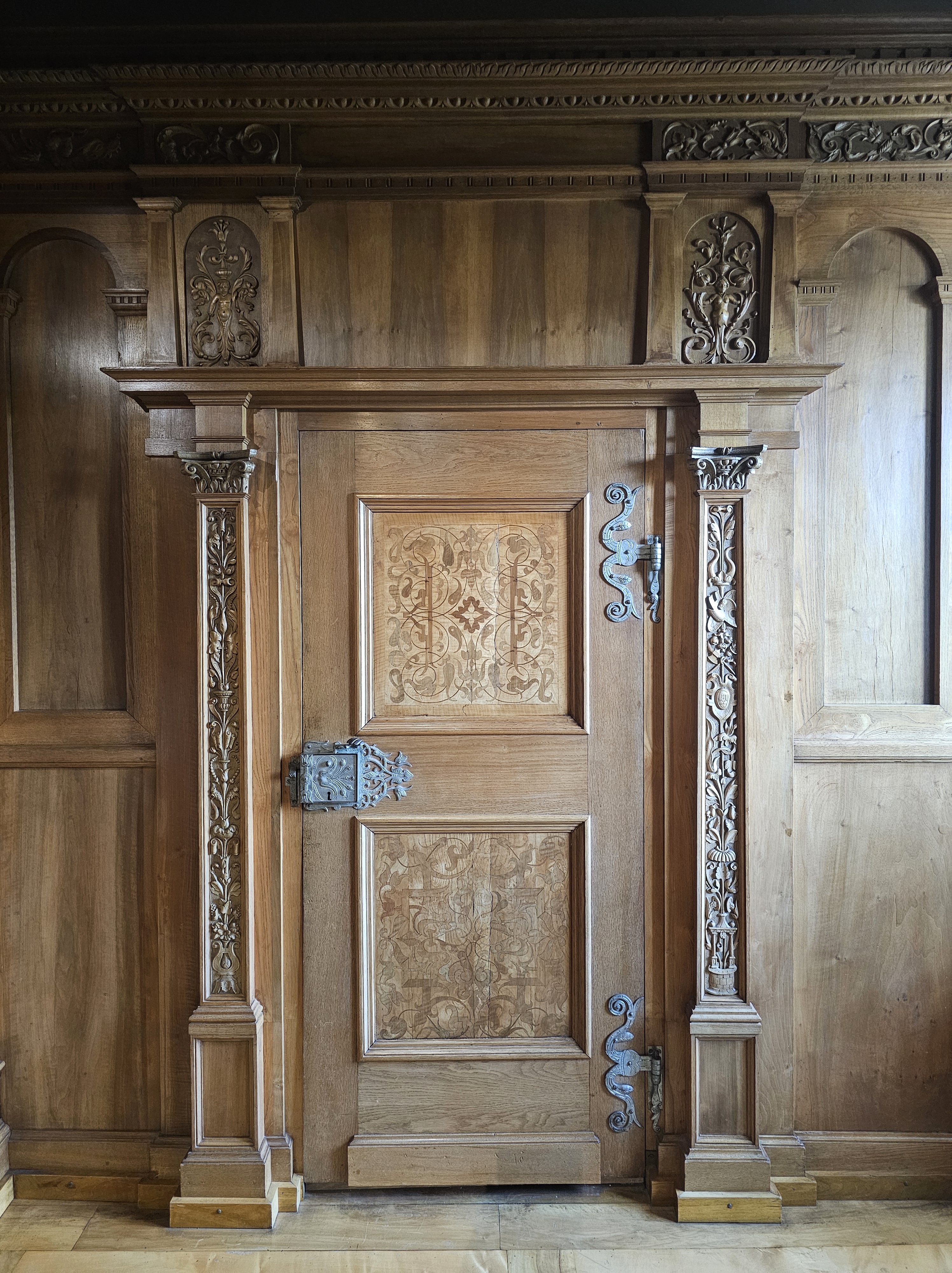
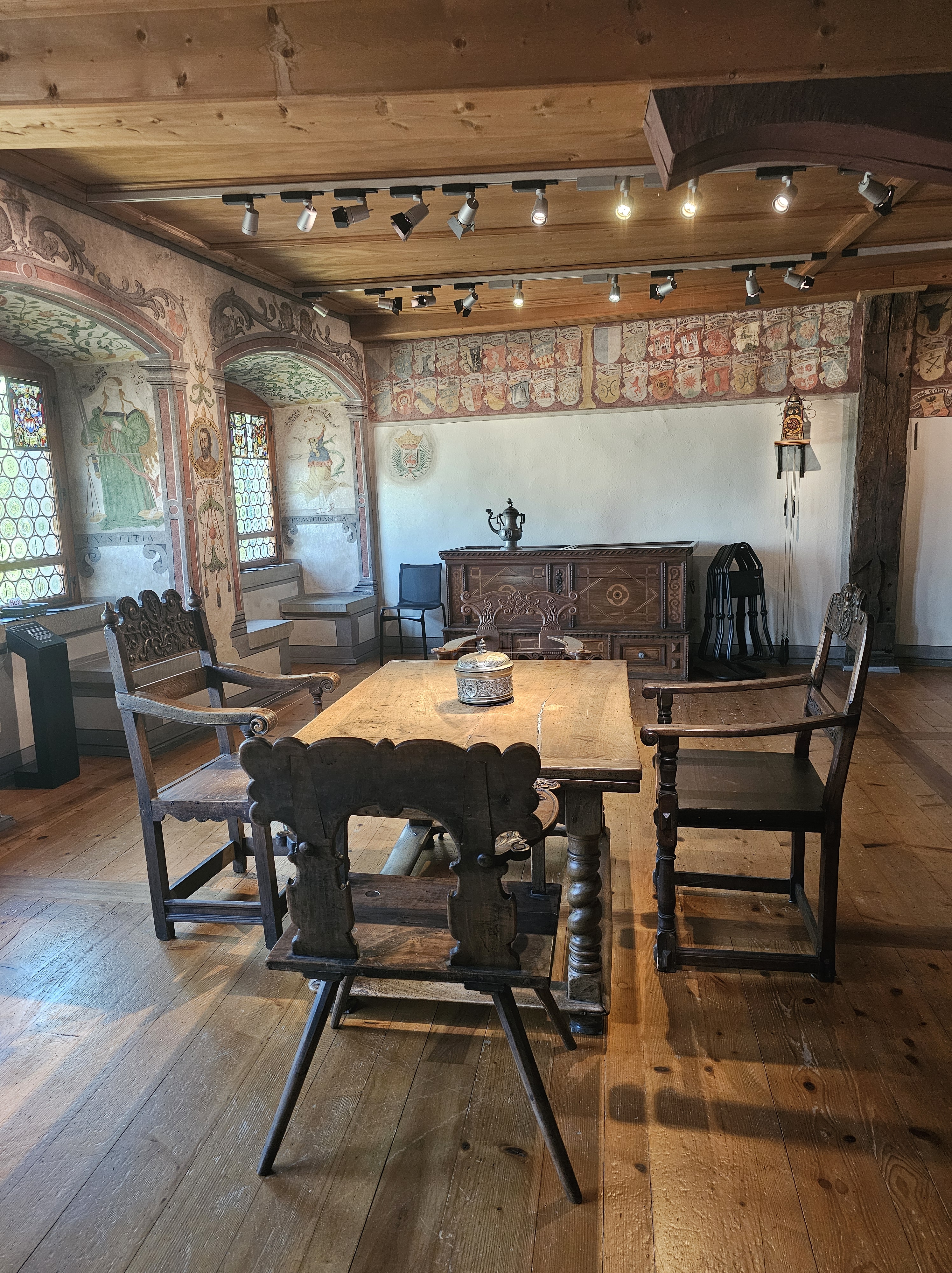
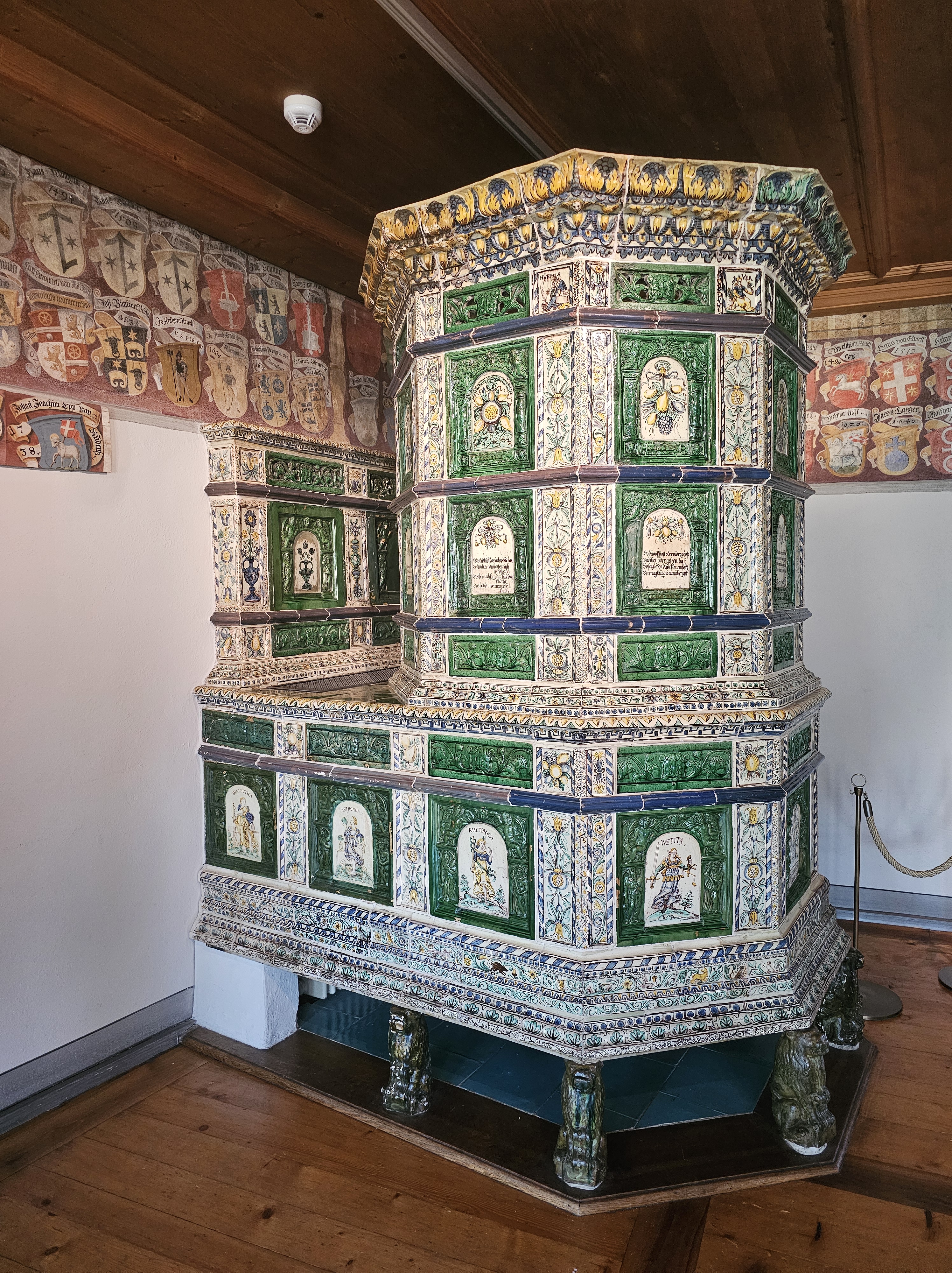
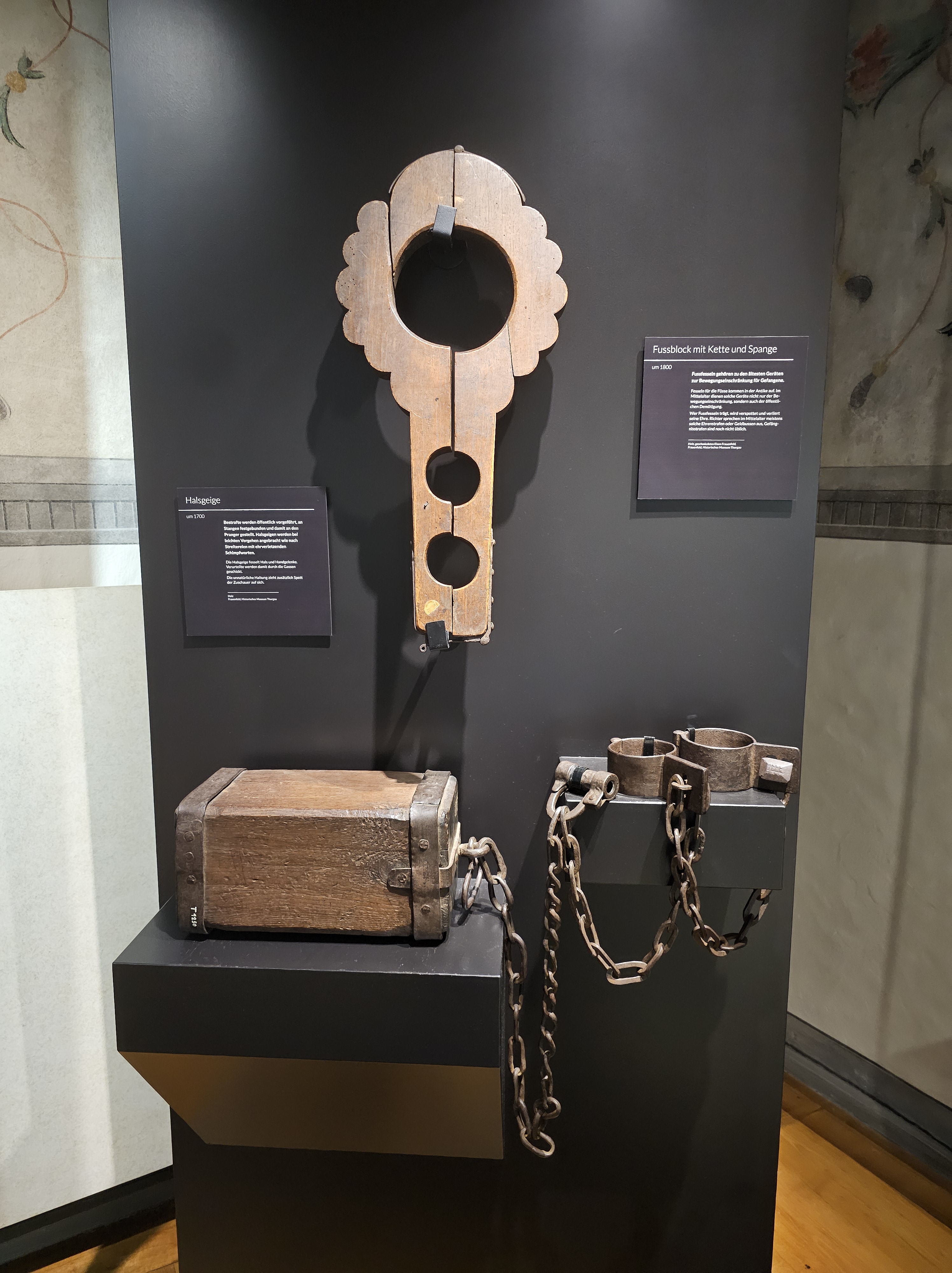
Frauenfeld Castle has been standing guard over the Murg river for a solid 800 years, making it the landmark of the Thurgau cantonal capital, and today it’s home to the Historisches Museum Thurgau — a proper multimedia journey through the region’s history, complete with sound and light shows and dialogue from four fictional castle characters who guide you round the place.
ROUND THE CASTLE
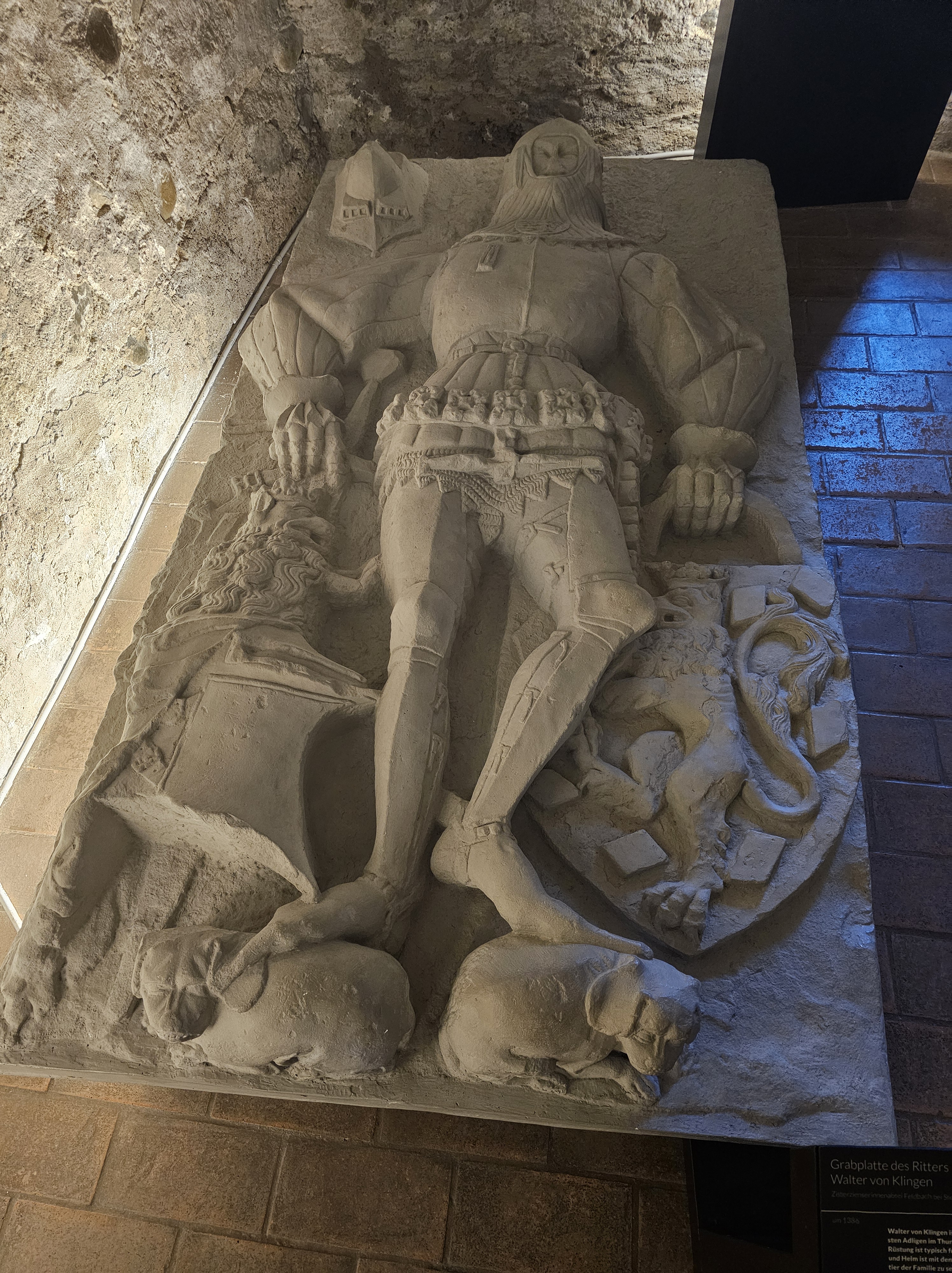
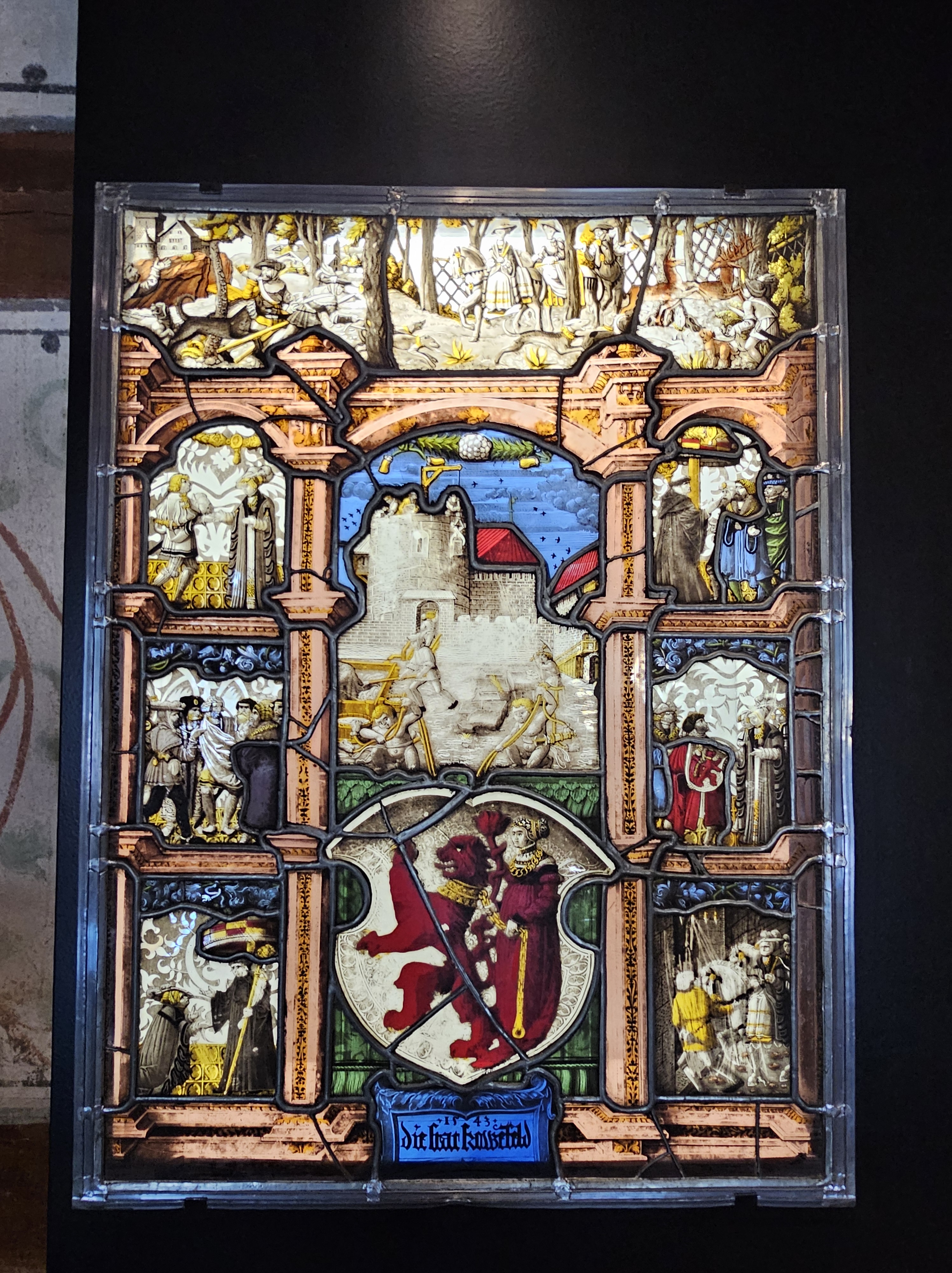
What the exhibition really zeroes in on is one particularly tense chunk of history: the period between the Council of Constance in 1414 and the Reformation in 1517, when Thurgau was basically a tug-of-war rope between the Swabians to the north and the Swiss Confederation to the south, with the modern borders of the region only getting properly drawn as a result of all that squabbling. The castle later belonged to the Lords of Hohenlandenberg, who dug a deep moat and double ring wall around it after the town survived an attack by the Appenzellers in 1407 — complete with a secret little door in the inner wall so the lord of the castle could sneak out even when the main town gates were locked shut. In 1867 it was bought up by a local judge and turned into apartments, before the last private owner donated it to the canton in 1955 specifically so it could become a museum.
THE LITTLE TITBIT
During that whole medieval border squabble, the feuding Swabians and Swiss apparently traded proper playground-level insults at each other, calling one another things like ‘Kuhschweizer’ (cow-Swiss) and ‘Schauschwabe’ (show-off Swabian). So next time someone tells you medieval politics was all knights and honour, just remember it also involved grown adults calling each other cow-herders.
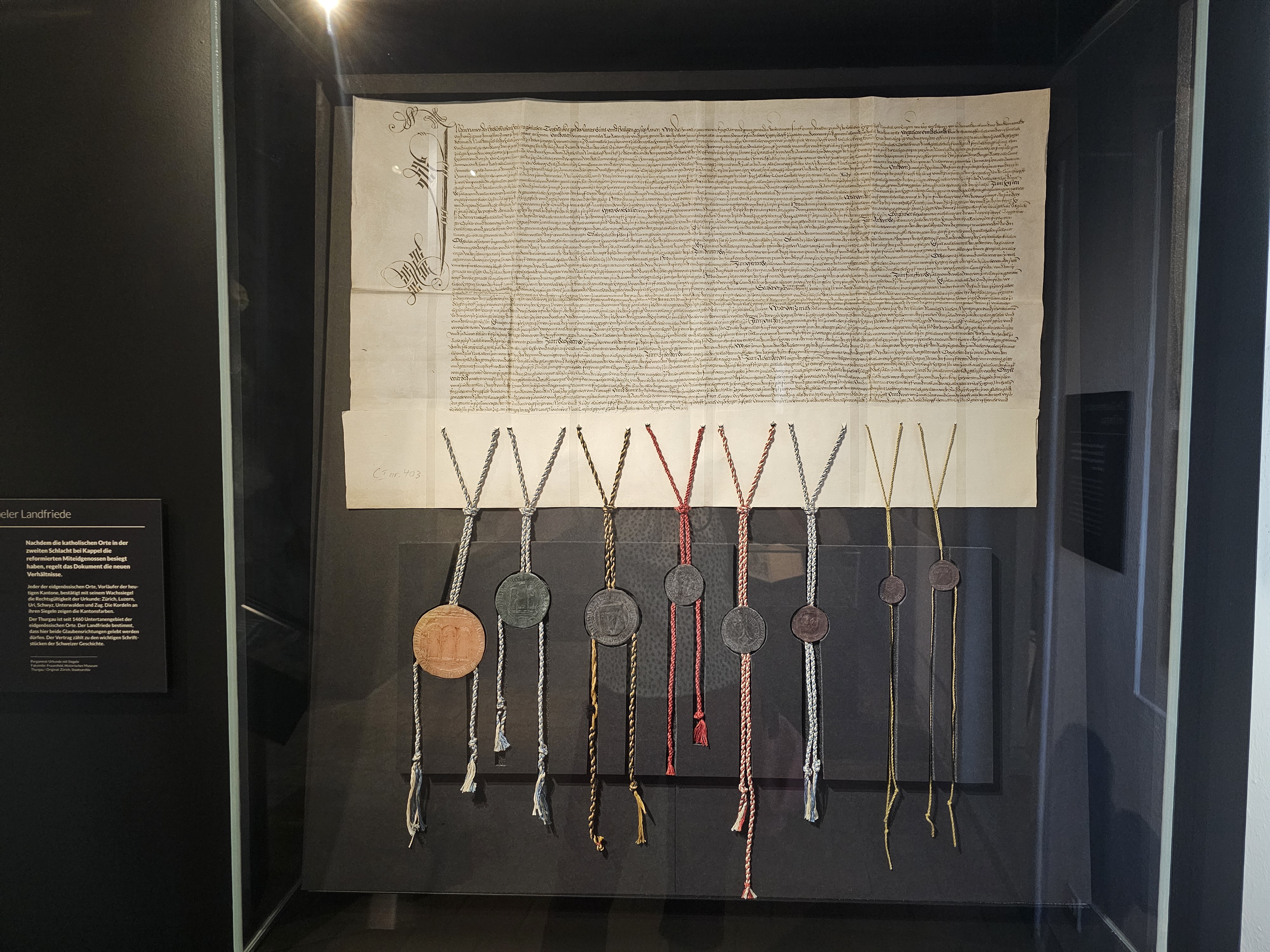
1531
After the Catholic cantons defeated the Reformed Confederates in the Second Battle of Kappel, this document established the new political and religious settlement.
Each of the Swiss Confederacy’s cantons—predecessors of today’s cantons—confirmed the legal validity of the document with its wax seal: Zurich, Lucerne, Uri, Schwyz, Unterwalden, and Zug. The cords attached to their seals display the cantonal colors.
Thurgau had been a subject territory of the Swiss Confederates since 1460. The peace treaty determined that both religious denominations—Catholic and Reformed—were permitted to be practiced there. The treaty is considered one of the most important documents in Swiss history.


