THE LOWDOWN
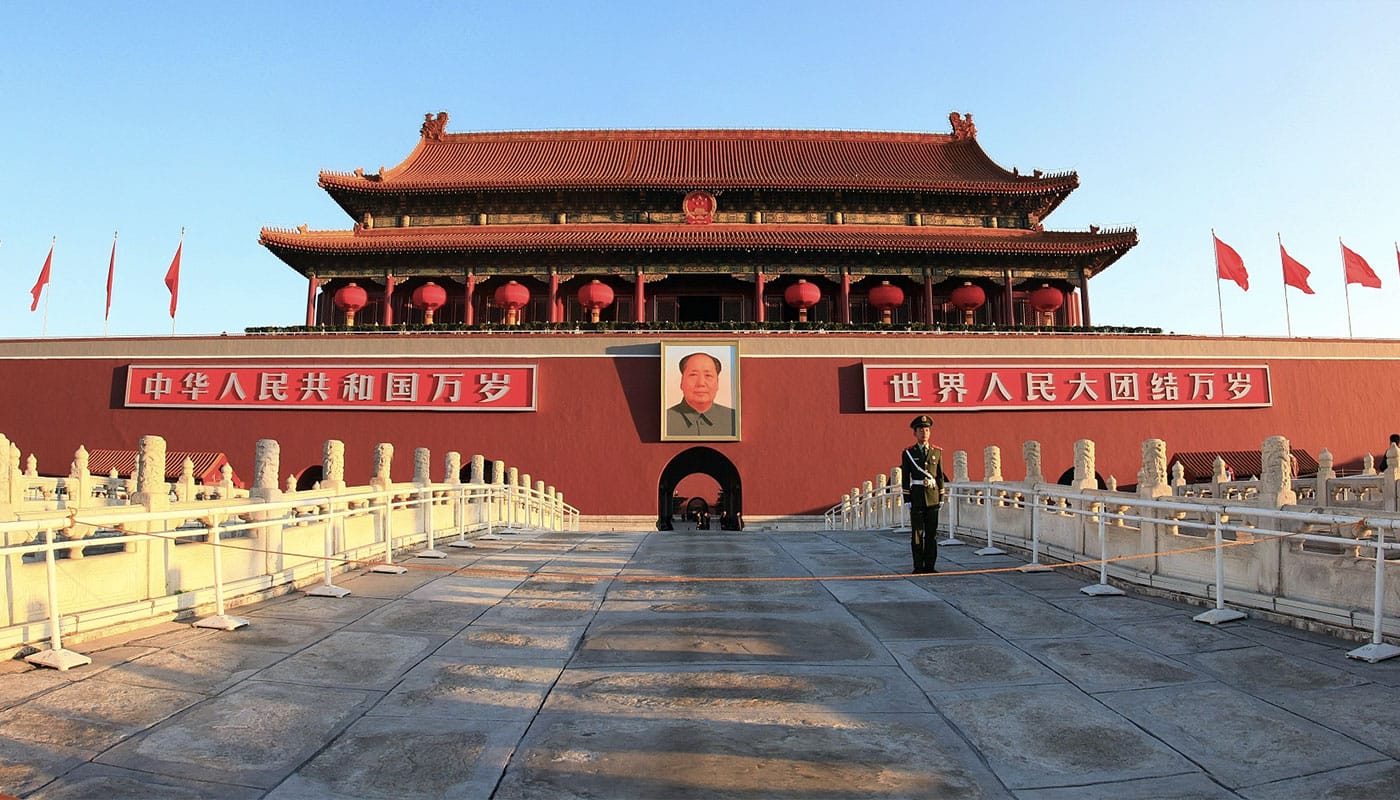
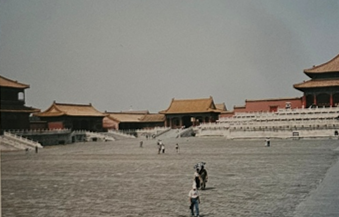
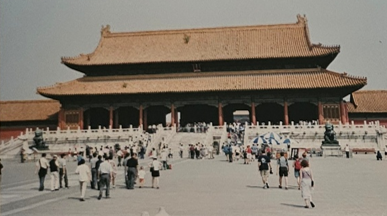
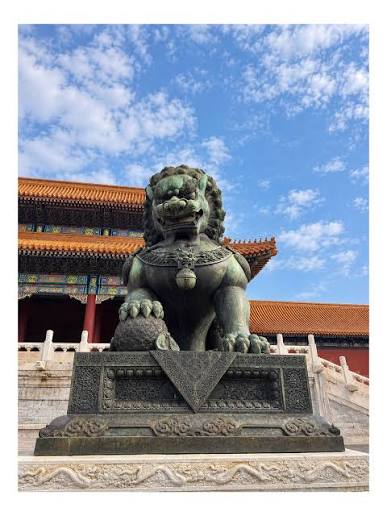
Imagine having an entire city to yourself, complete with nearly 1,000 buildings, thousands of rooms, enormous courtyards and an army of servants — and still not being allowed to pop outside whenever you fancied. Welcome to the Forbidden City, the spectacular home of China’s emperors for almost 500 years. Built between 1406 and 1420 on the orders of the Ming emperor Yongle, this enormous palace complex covers around 72 hectares right in the heart of Beijing. It was home to 24 emperors from the Ming and Qing dynasties, and ordinary people were strictly forbidden from entering without permission — hence the rather intimidating name. Today it’s known as the Palace Museum, a UNESCO World Heritage Site and one of the finest surviving examples of traditional Chinese imperial architecture.
ROUND THE PALACE
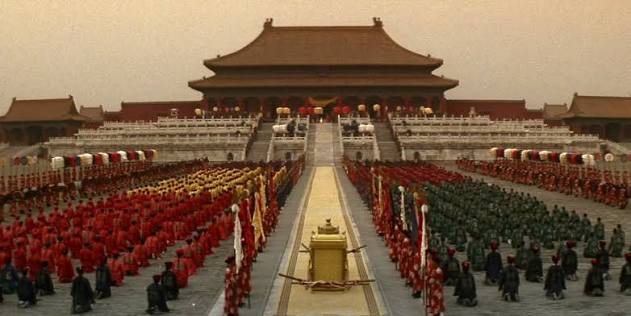
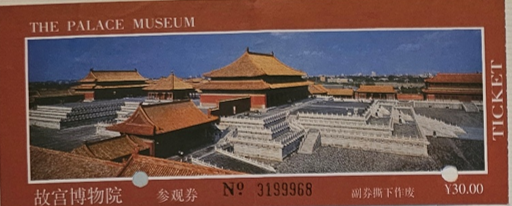
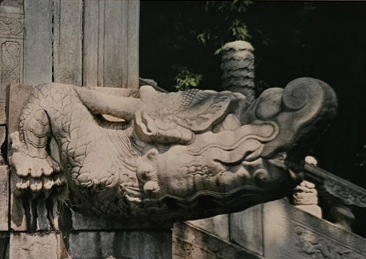
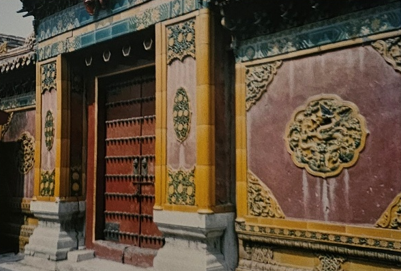
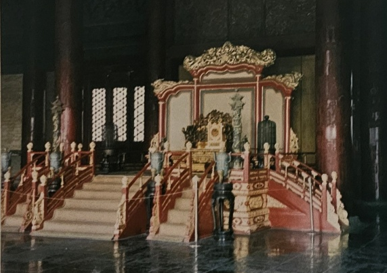
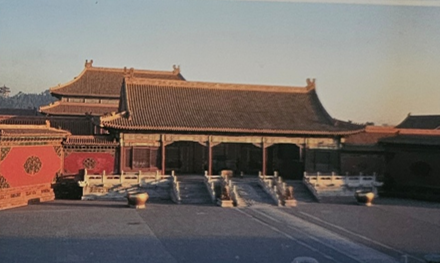
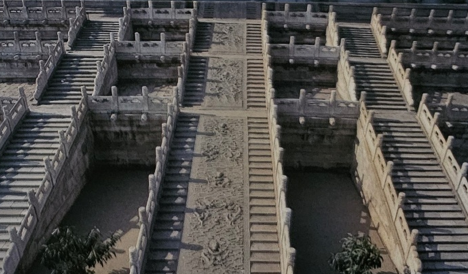
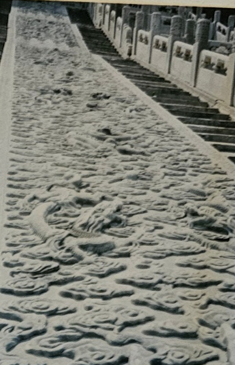
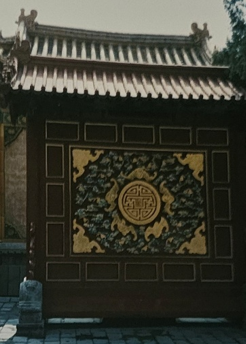
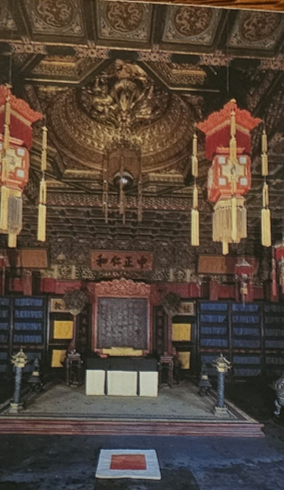
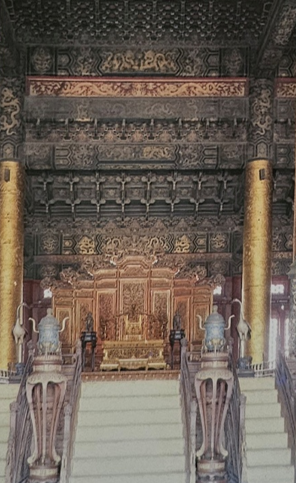
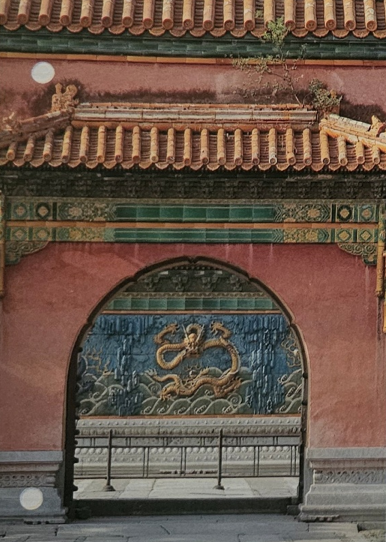
Everything here was designed to remind you that the emperor wasn’t just another wealthy bloke — he was the Son of Heaven, and his palace was effectively the centre of the universe. The whole complex is laid out along a grand central axis, surrounded by 10-metre-high walls and a 52-metre-wide moat. The southern section was where the serious business happened, with enormous ceremonial halls used for coronations, imperial weddings and grand audiences. Behind these lay the Inner Court, where the emperor lived with his family, consorts and an enormous household of servants and eunuchs. The famous yellow roofs symbolised imperial authority, while dragons appeared everywhere as symbols of the emperor’s power. And don’t be fooled by all the grandeur — life inside wasn’t necessarily a dream. Palace residents lived within a rigid hierarchy, surrounded by elaborate rules, political rivalries and constant competition for imperial favour. Even the emperor, supposedly the most powerful man in China, was tied to a demanding schedule of ceremonies, meetings and official duties. It was an extraordinary place to live, provided you didn’t mind having practically every aspect of your life dictated by court etiquette.
THE LITTLE TITBIT
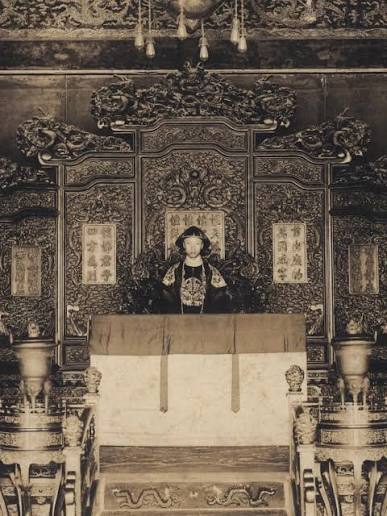
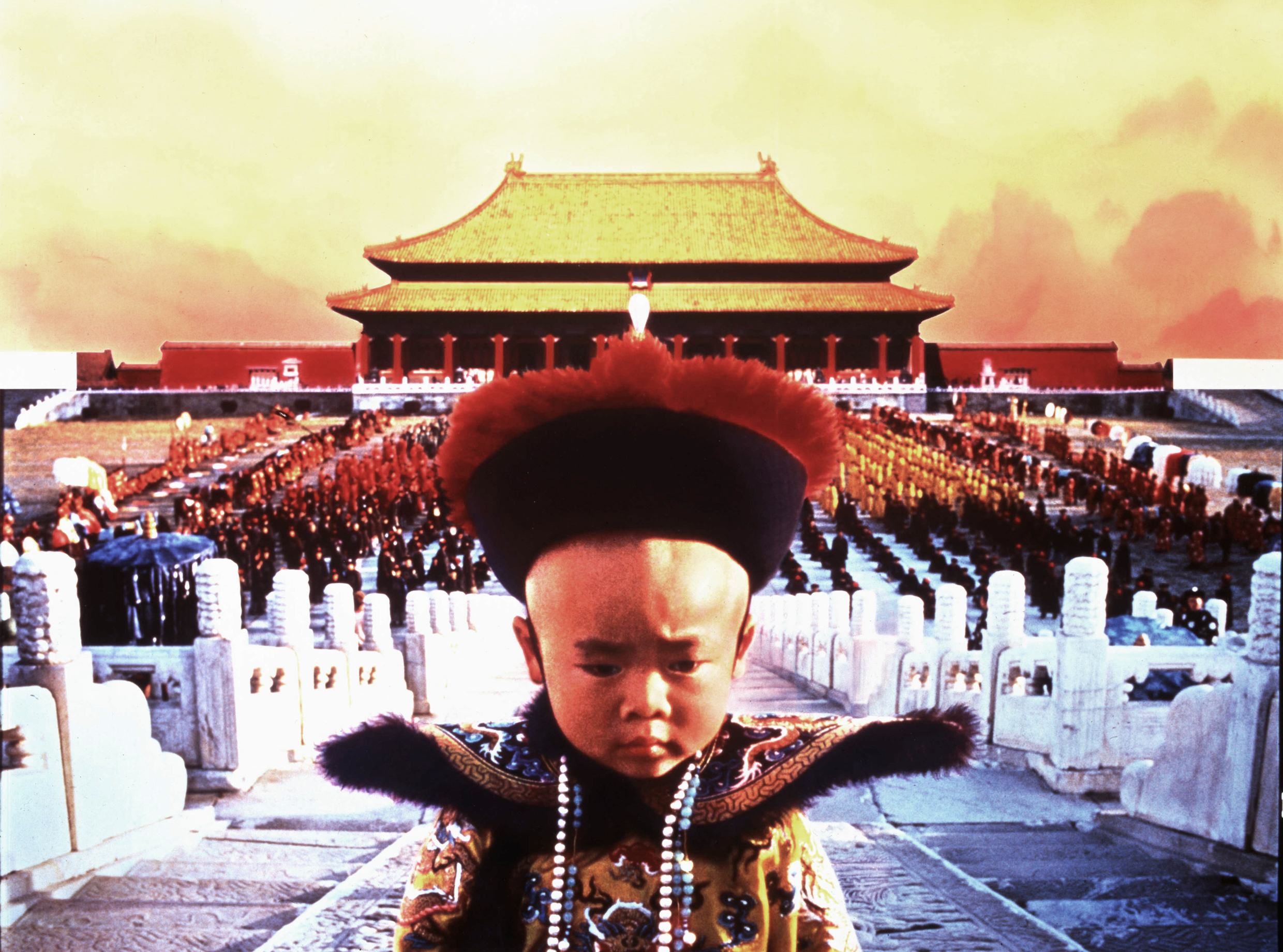
Perhaps the strangest story belongs to Puyi, China’s last emperor, who became emperor in 1908 when he was just two years old. Imagine being a toddler with an entire empire supposedly at your command, surrounded by servants who bowed whenever you appeared. Unfortunately for Puyi, the Chinese Revolution brought the monarchy crashing down, and he was forced to abdicate in 1912, aged just six. But here’s the bizarre bit: he was allowed to carry on living inside the Forbidden City for another 12 years, complete with his own little imperial household, while the rest of China got on with being a republic. Outside the palace walls, the country had moved on; inside, servants still treated him like an emperor. Eventually, in 1924, he was kicked out for good, and the following year the palace opened as a museum. So after centuries of keeping ordinary people firmly outside, the Forbidden City finally opened its gates to the public. The ultimate royal residence had become a tourist attraction — and the last emperor had to find somewhere else to live.
Puyi’s life after leaving the Forbidden City is quite a story. He went from emperor to exile, back to emperor, then prisoner, and finally gardener.
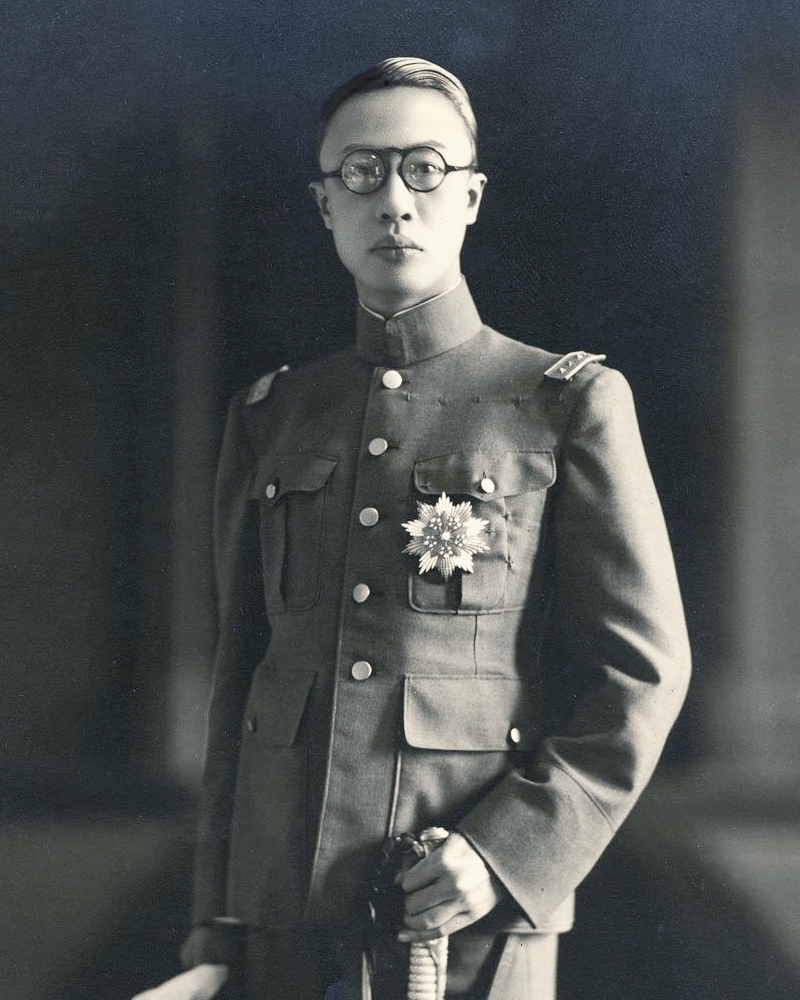
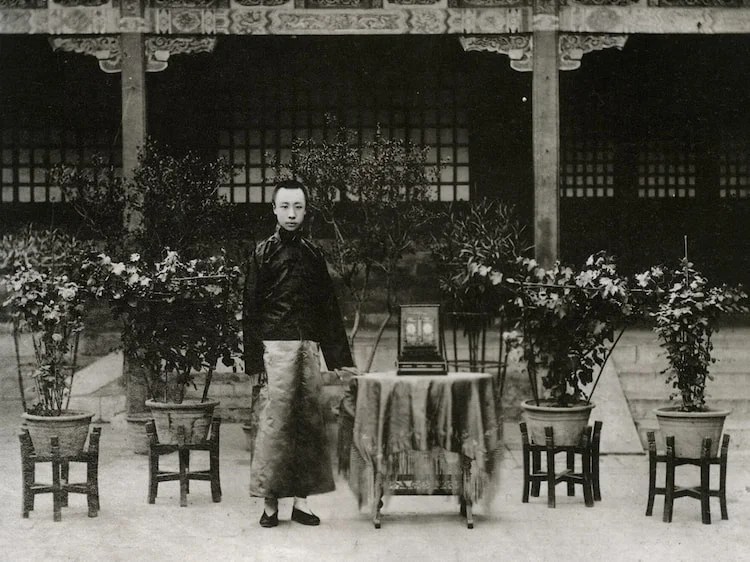
After being kicked out in 1924, aged 18, he initially stayed at his father’s mansion in Beijing before seeking protection at the Japanese legation. In 1925, he moved to Tianjin, where he lived in two grand residences, first Zhang Garden and later Jingyuan (the Garden of Serenity). He still enjoyed a wealthy lifestyle, surrounded by servants and former courtiers. In 1932, the Japanese installed him as ruler of Manchukuo, their puppet state in north eastern China. He became its emperor in 1934 and lived in a palace in Changchun, although the Japanese held the real power. When Japan lost World War II in 1945, Soviet forces captured him. He spent five years in Soviet custody before being returned to China in 1950, where he was imprisoned for another nine years.
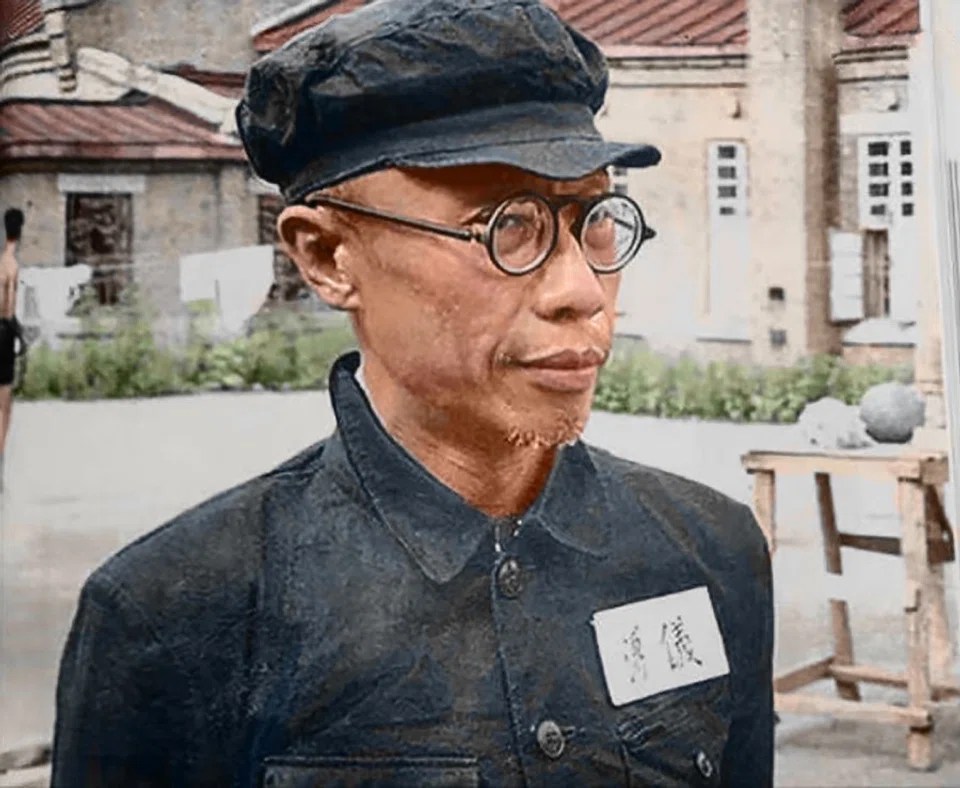
And here’s the extraordinary ending: Released in 1959, Puyi returned to Beijing and worked as a gardener at the Beijing Botanical Gardens. He later became a historical researcher, married again and lived as an ordinary citizen until his death in 1967, aged 61. The man who once had thousands of servants attending to his every need ended his life tending plants and working with historical documents. Quite a change of career for the last emperor of China. Really interesting for a young boy who never chose to be emperor and whose seemed to have little control of his life up until he became a gardener, and perhaps happy.
(Picture off the internet. Some from the movie ‘The Last Emperor’ a fantastic movie)