Prangins, Vaud
THE LOWDOWN
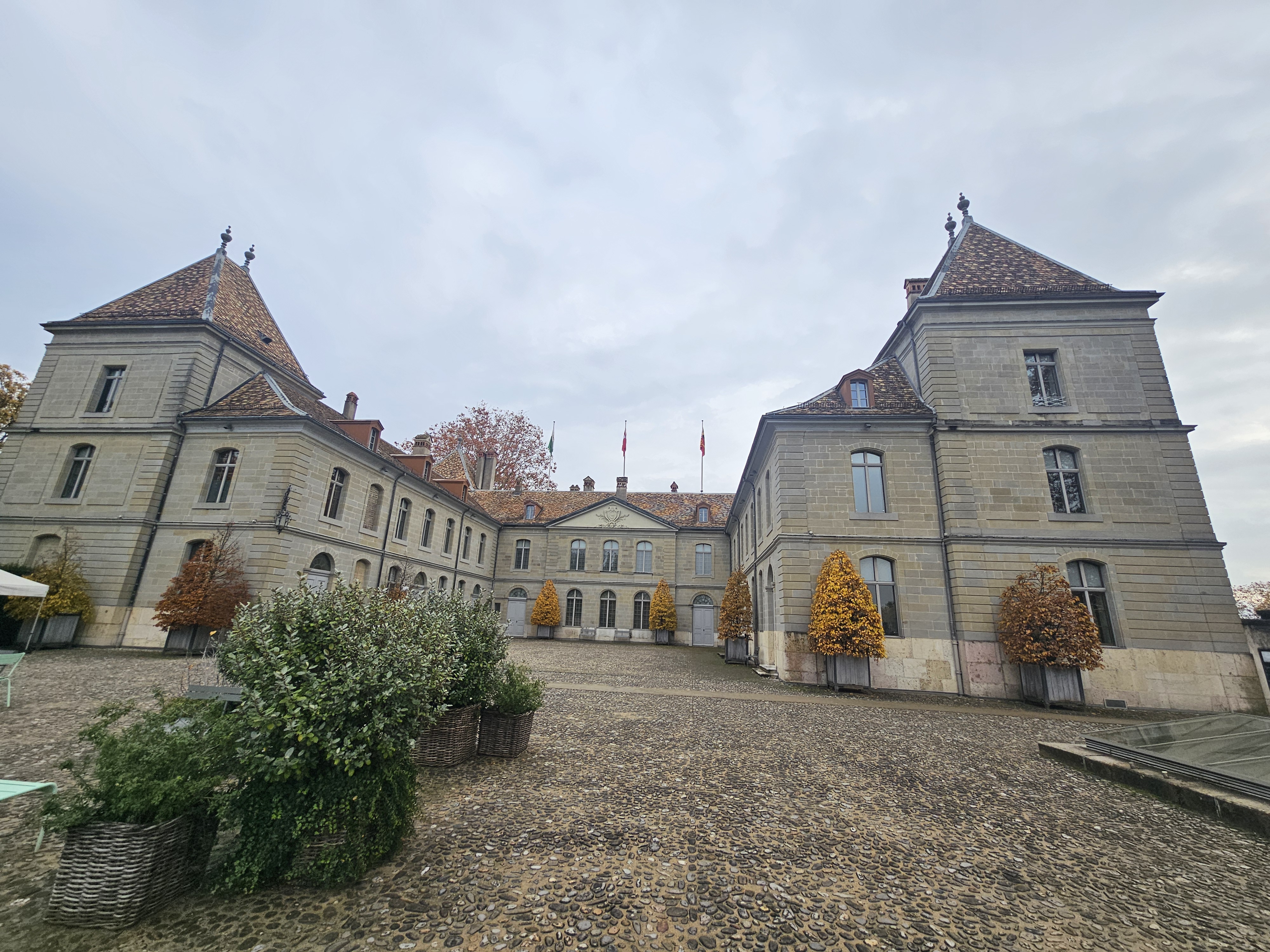
Prangins is a bit of an odd one in the castle world because, despite the name, it’s not really a castle at all. It’s an enormous 18th-century country mansion built for a man with considerably more money than most people knew what to do with.
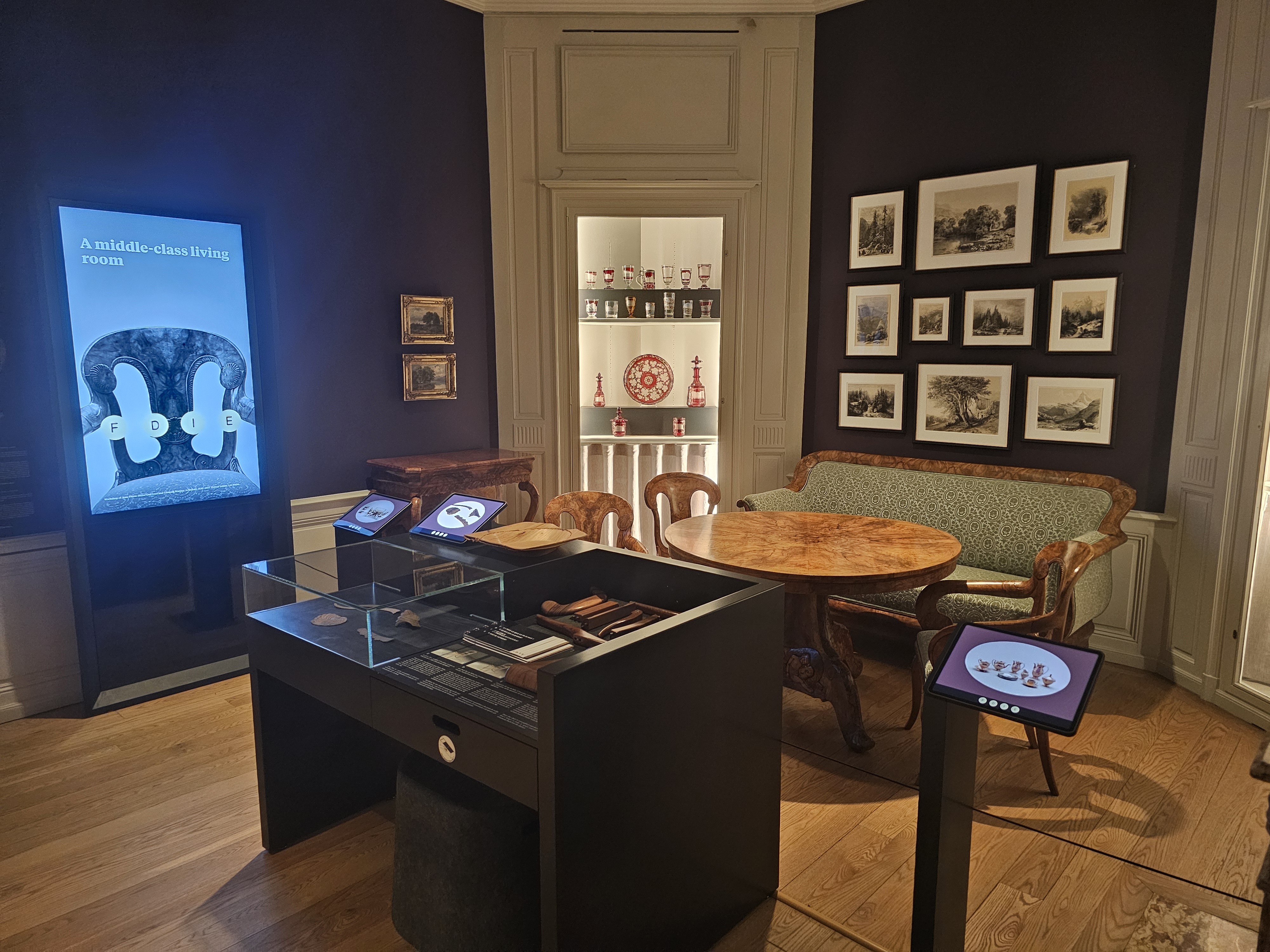
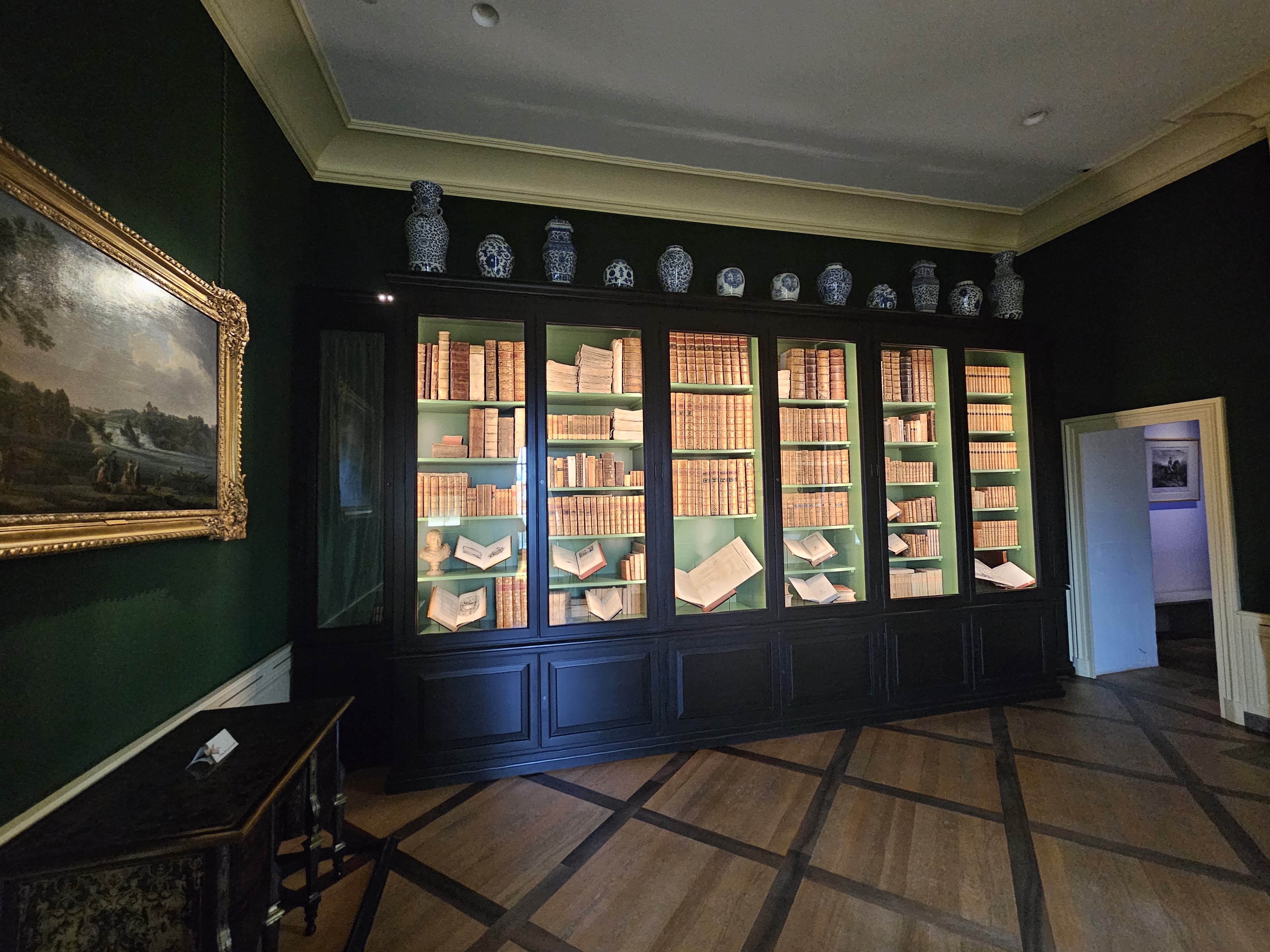
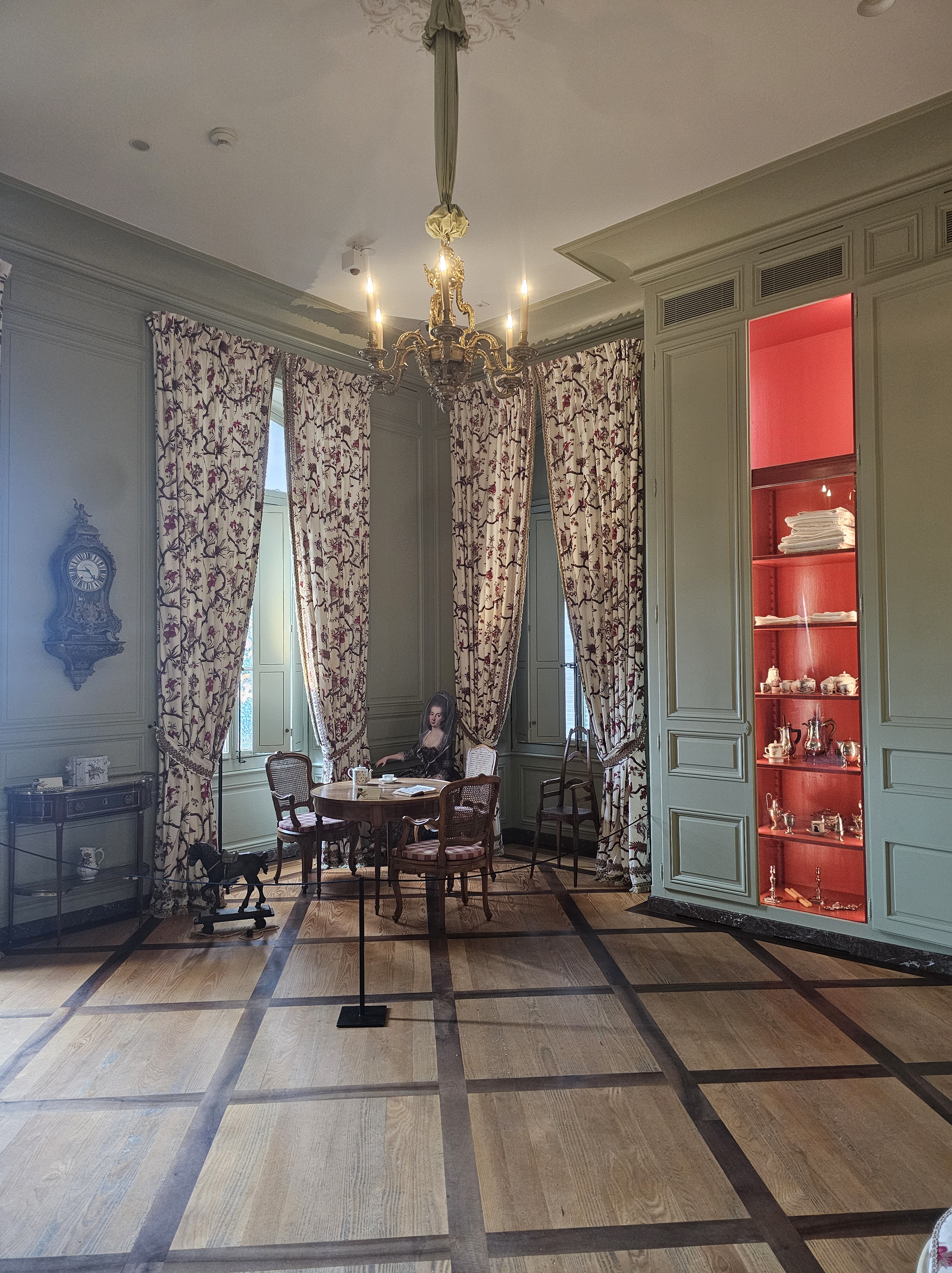
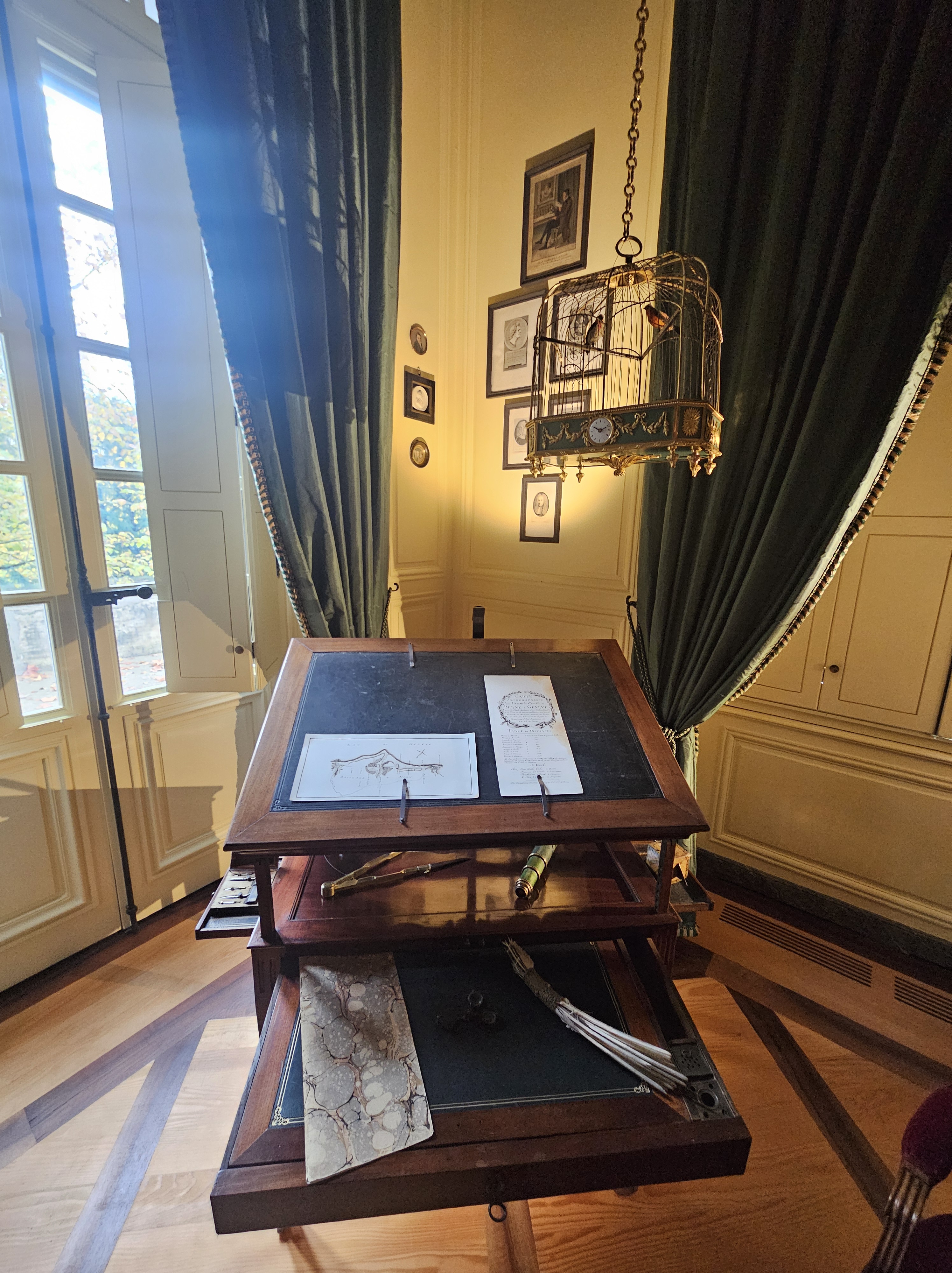
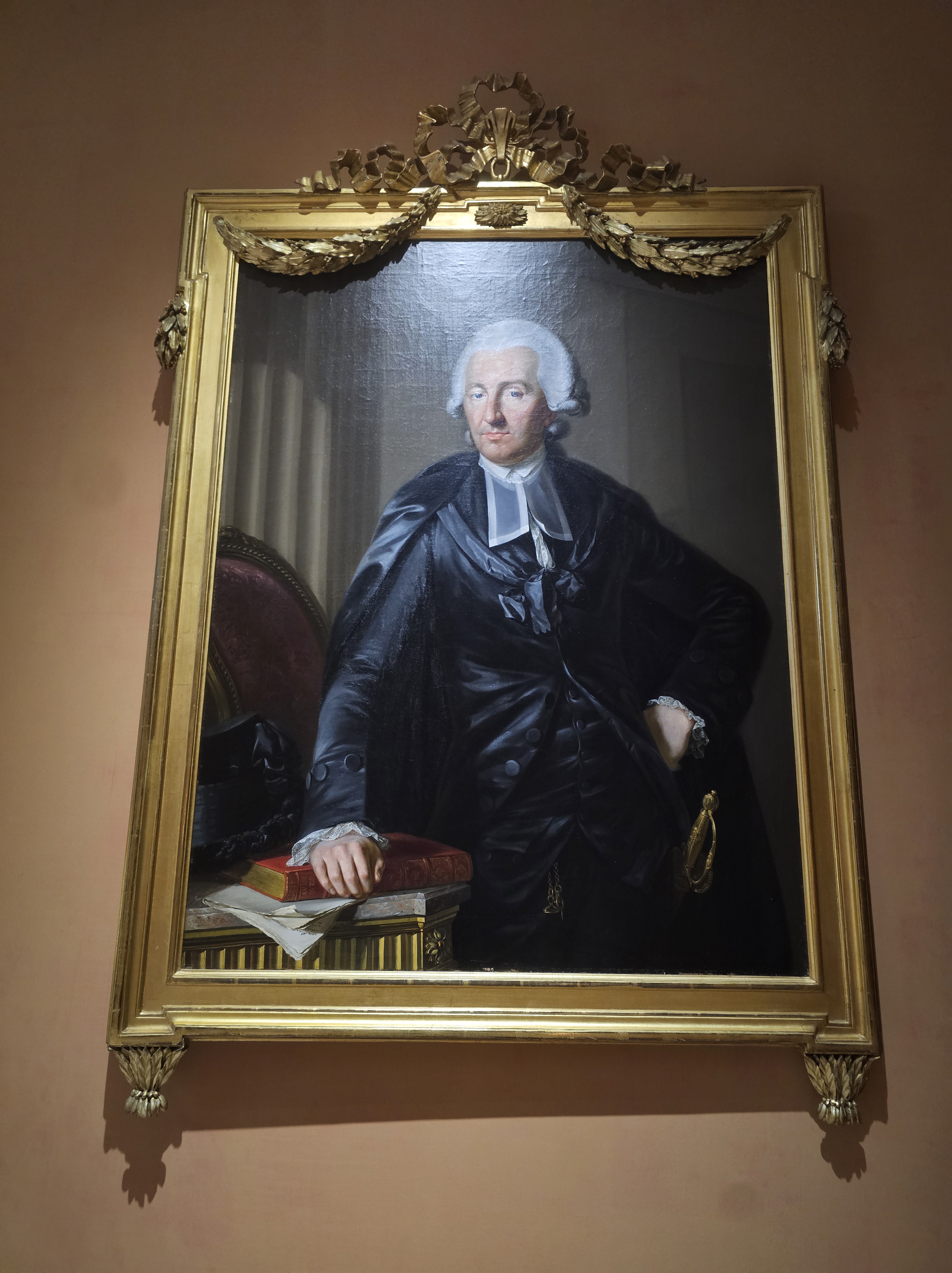
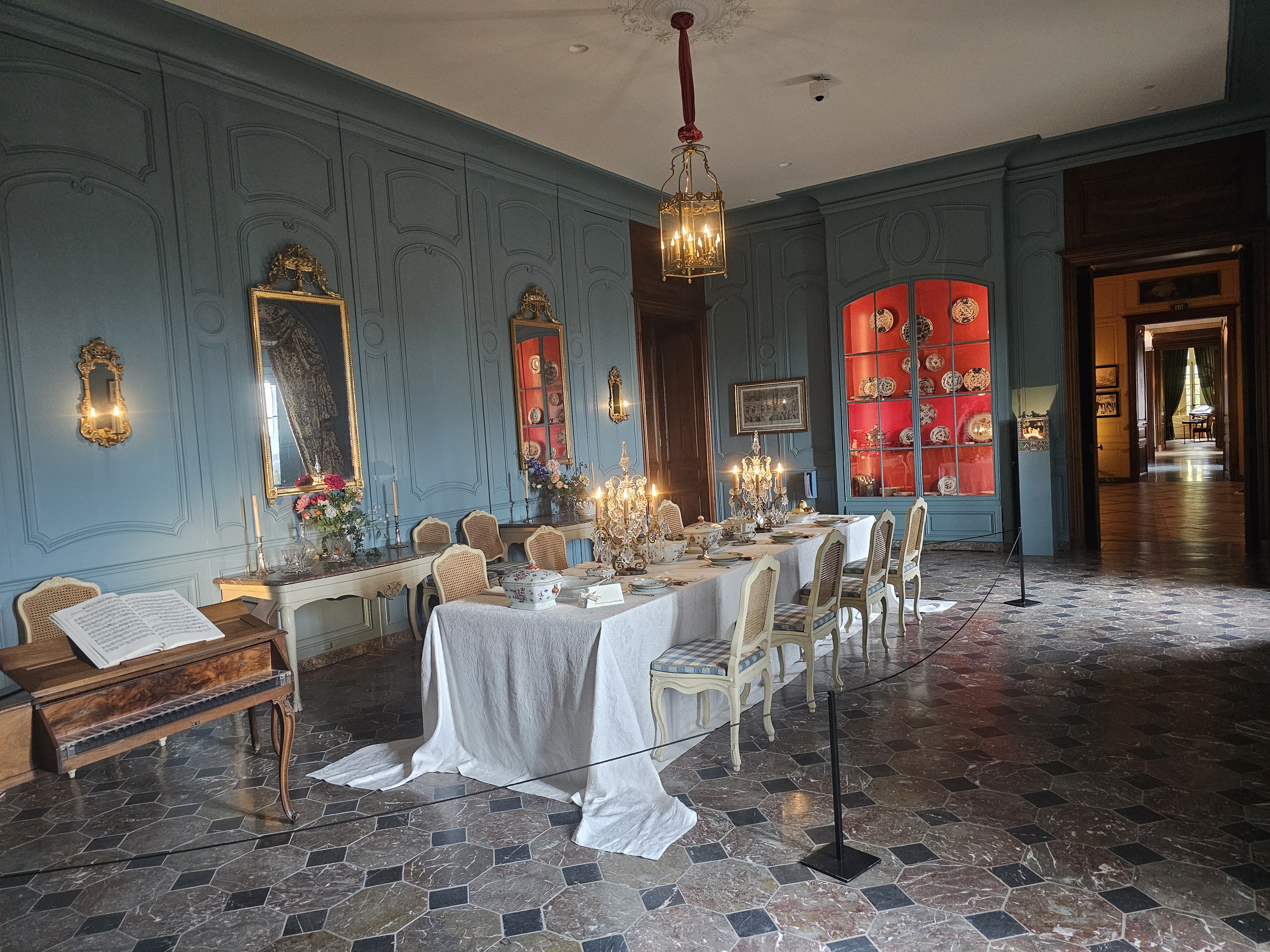
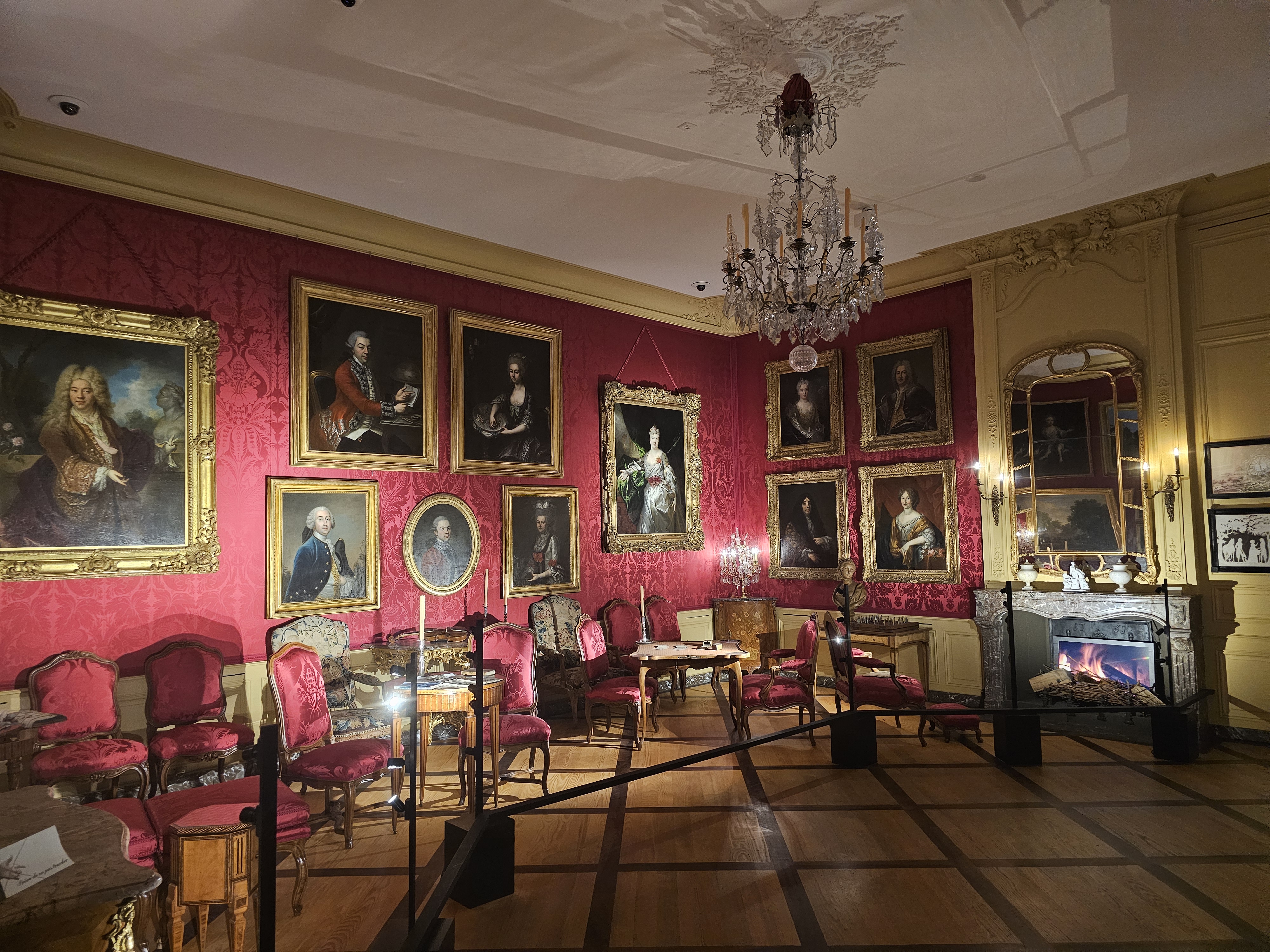
The present château was built between 1732 and 1739 by Louis Guiguer, a wealthy Parisian banker who had bought the estate in 1719. He wanted somewhere suitably grand to escape the city and entertain his equally wealthy friends, and he certainly didn’t do things by halves.
Today, it’s home to the Swiss National Museum’s French-speaking branch, and rather than concentrating on knights and battles, it tells the story of how Switzerland developed into the country we know today.
ROUND THE CASTLE
What makes Prangins particularly interesting is that you get two completely different experiences in the same building. On one side, there’s the beautifully restored 18th-century château, with its elegant rooms, period furniture and lovely views across Lake Geneva towards Mont Blanc. The historical rooms recreate the world of the Guiguer family, using the detailed diary kept by Louis-François Guiguer, the grandson of the original owner.
On the other side, there’s a surprisingly interesting museum exploring Switzerland’s social and economic history. Instead of endless displays of medieval weapons, you get exhibitions about everyday life, immigration, industry, consumer culture and how ordinary Swiss people lived.
And then there’s the garden.
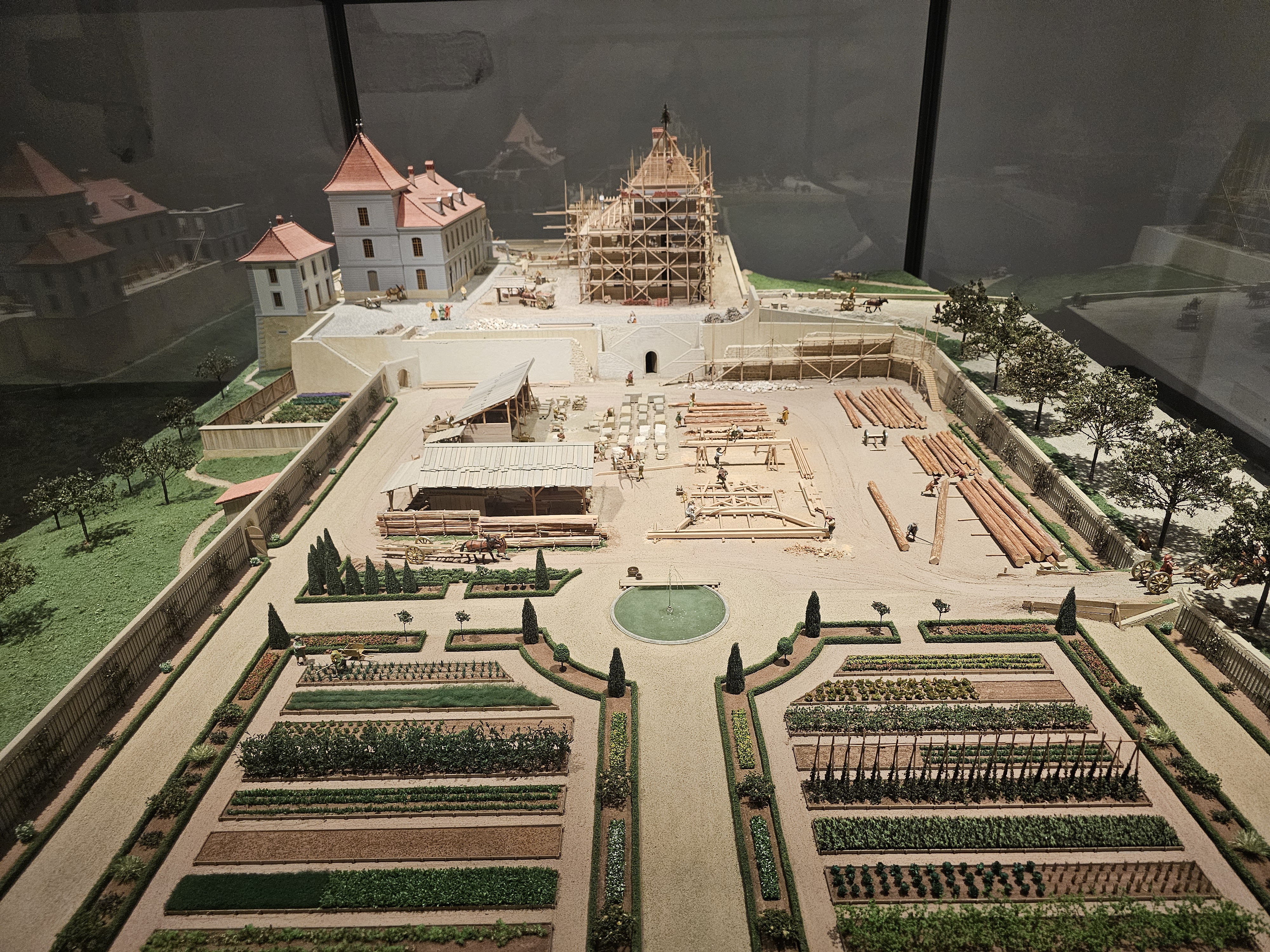
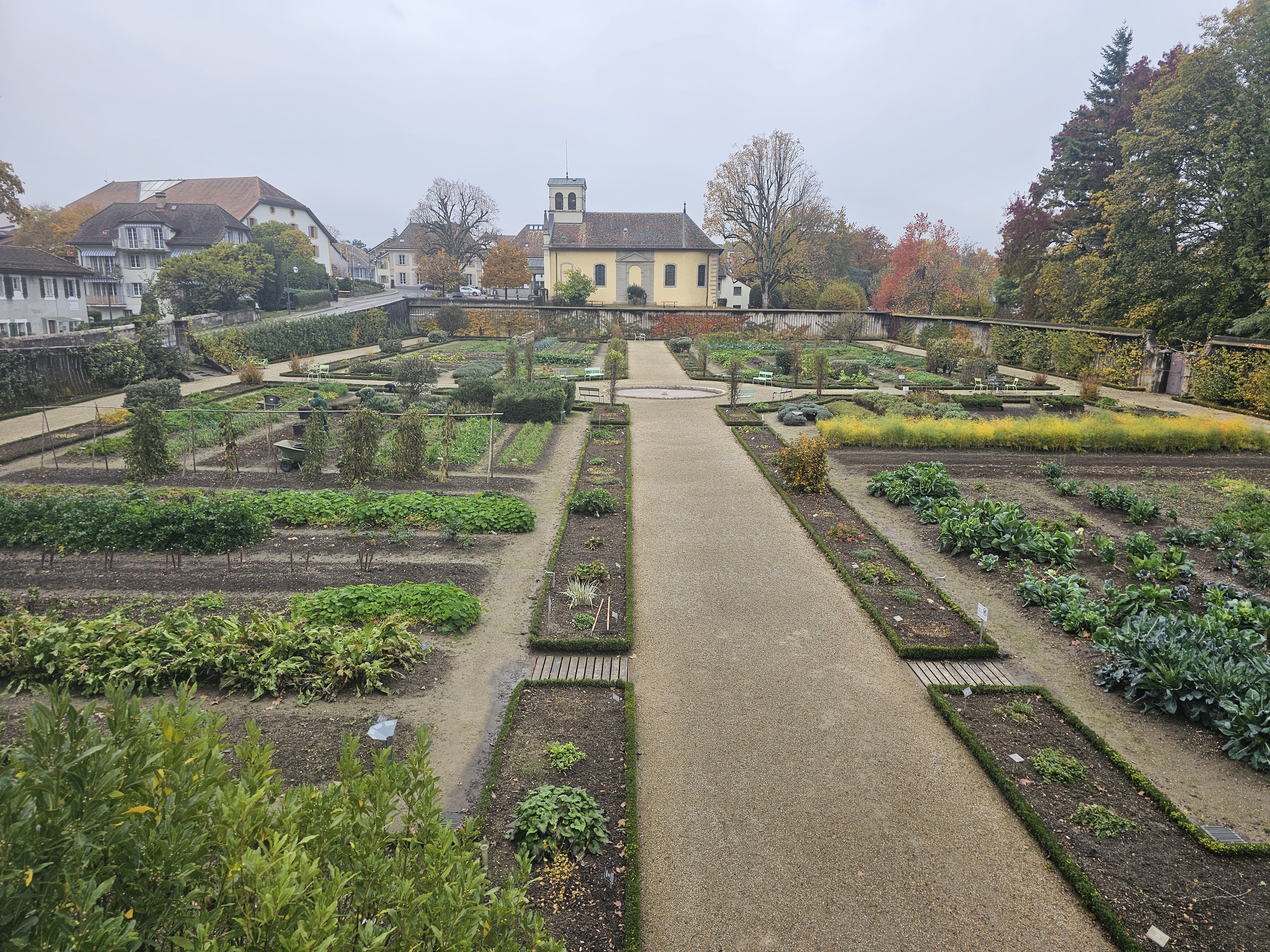
Prangins has an extraordinary historical kitchen garden, laid out in its original 18th-century design and growing all sorts of forgotten vegetables, medicinal plants and old varieties of fruit. It’s a reminder that even the grandest aristocratic household depended on an army of people growing, cooking and preserving its food.
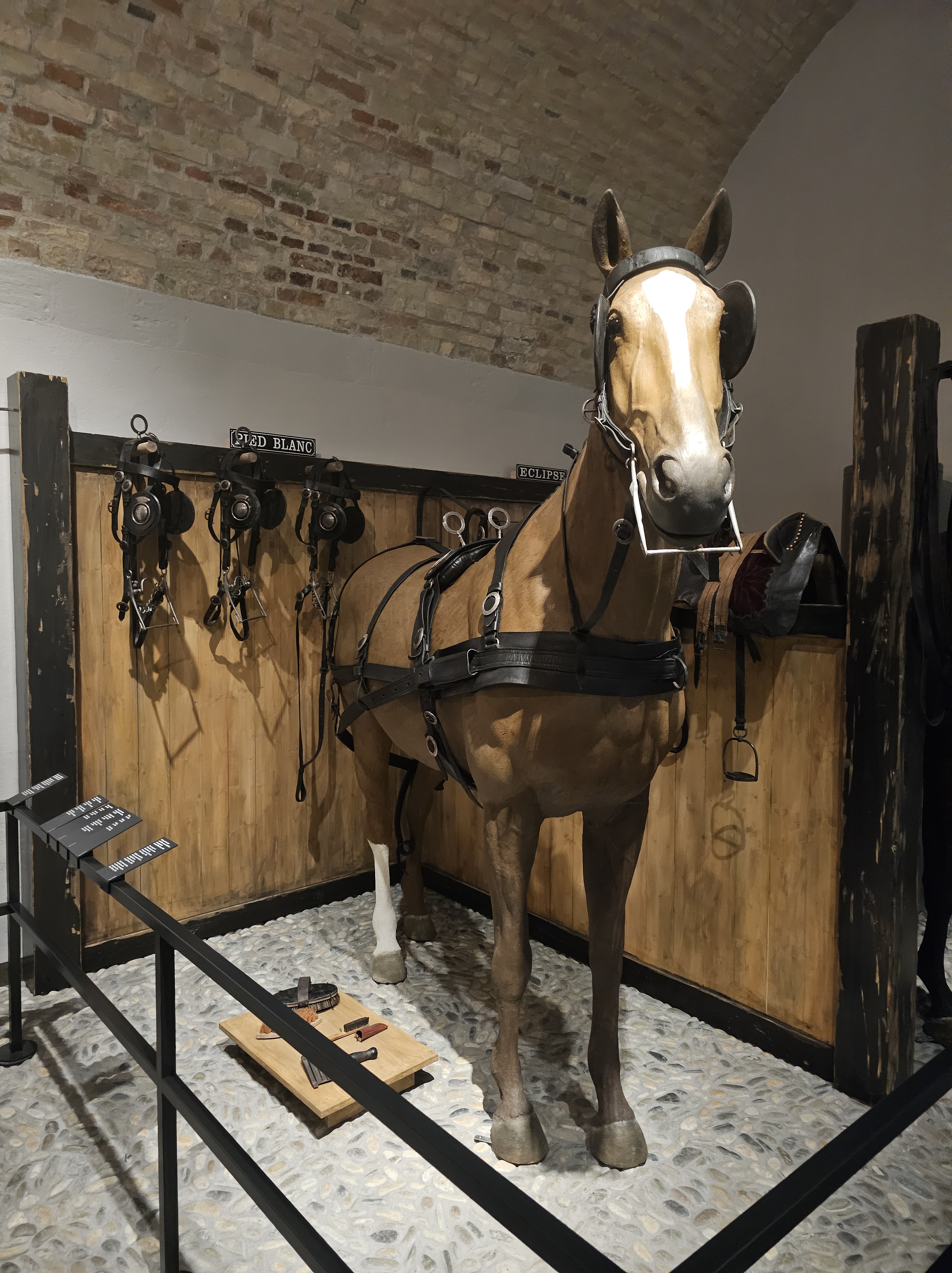
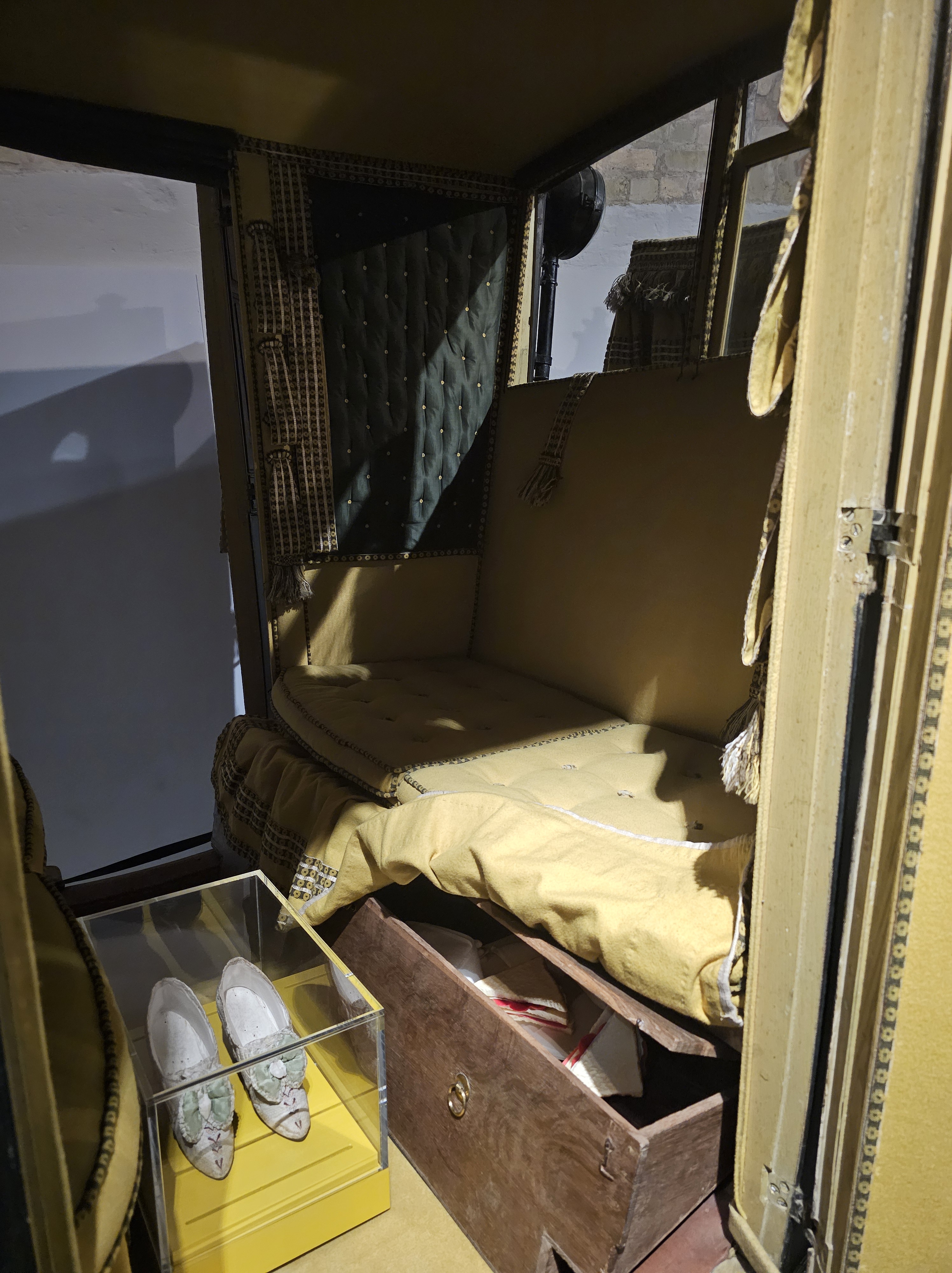
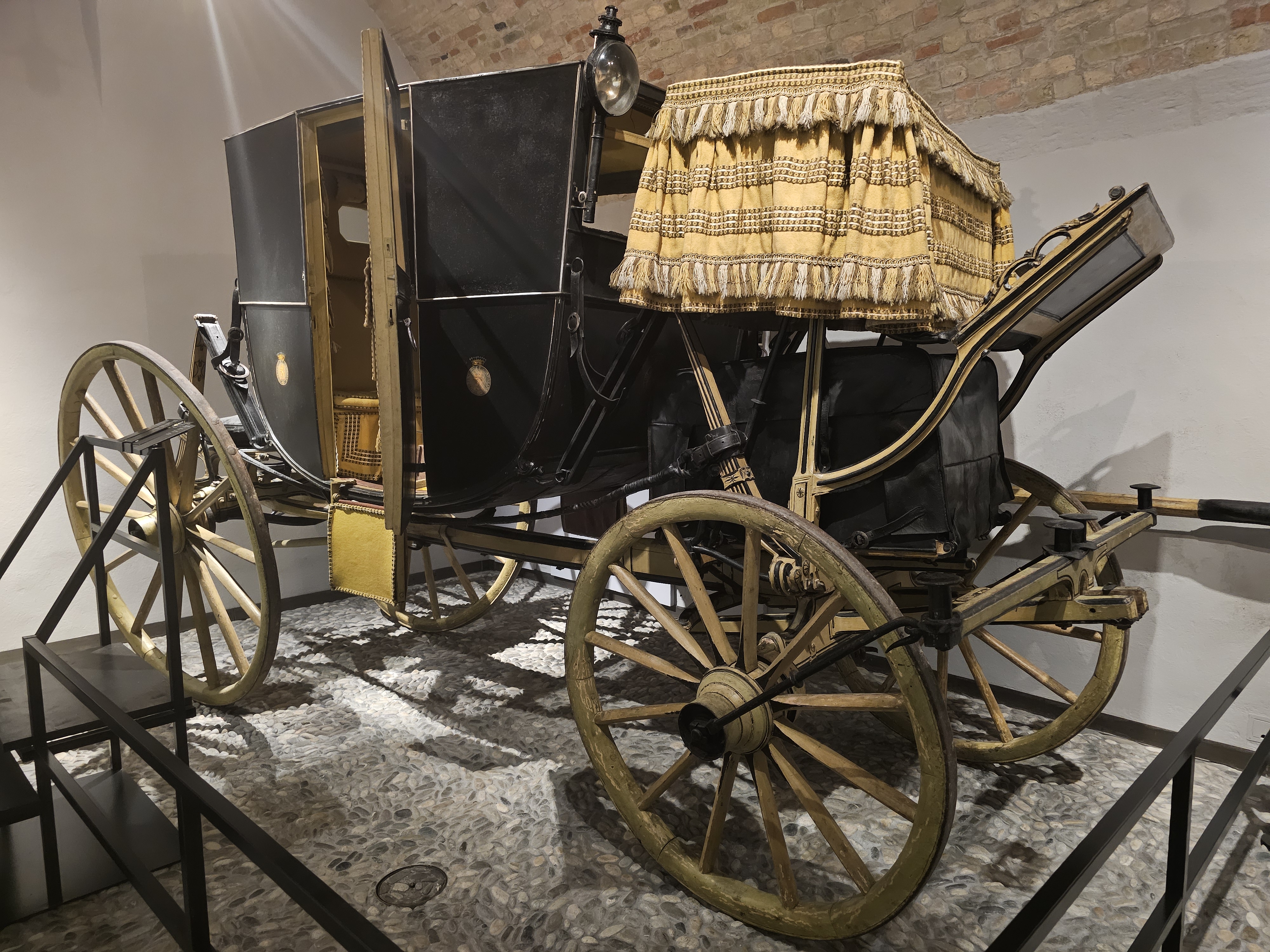
THE LITTLE TITBIT
Here’s something I love about Prangins: we know an astonishing amount about what went on behind its elegant doors because Louis-François Guiguer kept a diary documenting daily life between 1771 and 1786. And we’re not just talking about grand political events. He wrote about visitors, dinners, family life, illnesses, births, deaths and all the little domestic dramas that normally disappear from history.
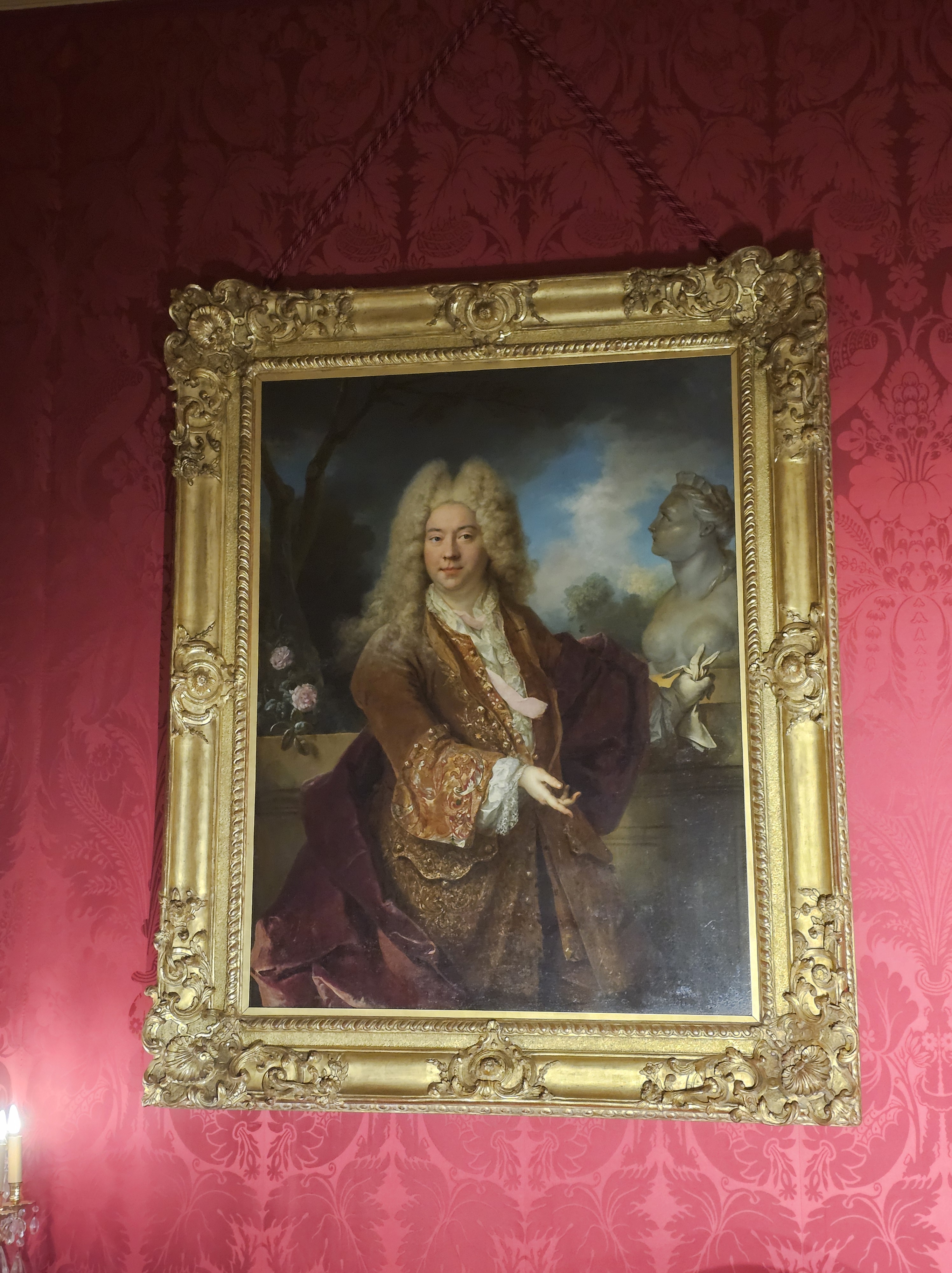
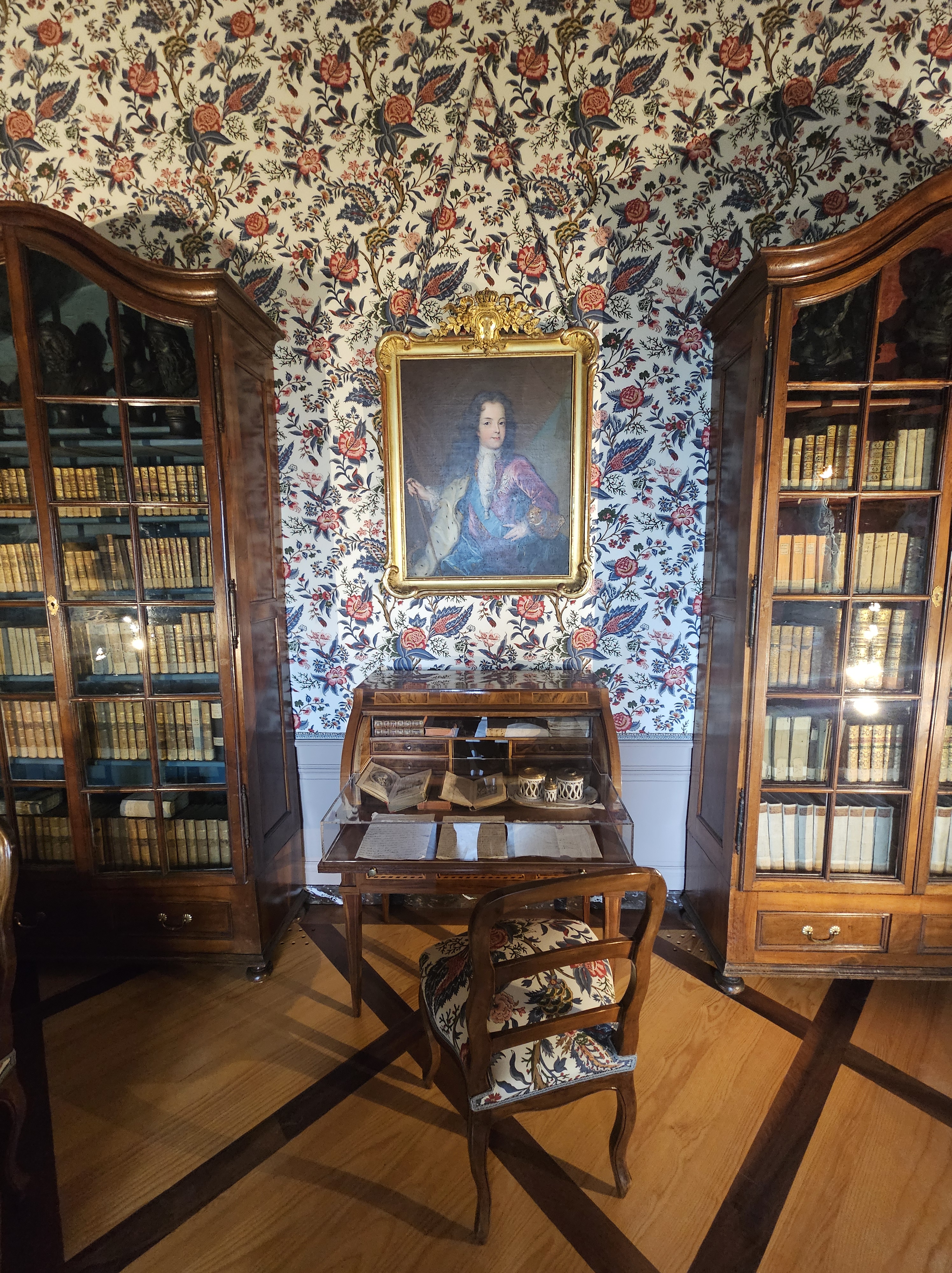
It’s almost like having an 18th-century reality television show, except everyone is wearing powdered wigs and nobody has invented television. But the château’s most famous resident came later. In 1814, Joseph Bonaparte, Napoleon’s older brother and the former King of Spain, bought Prangins after his brother’s empire collapsed. Imagine that: one minute you’re sitting on the Spanish throne, the next you’re living beside Lake Geneva while your younger brother is being shipped off to Elba.
To be fair, as places to spend your retirement go, Prangins isn’t exactly a punishment.
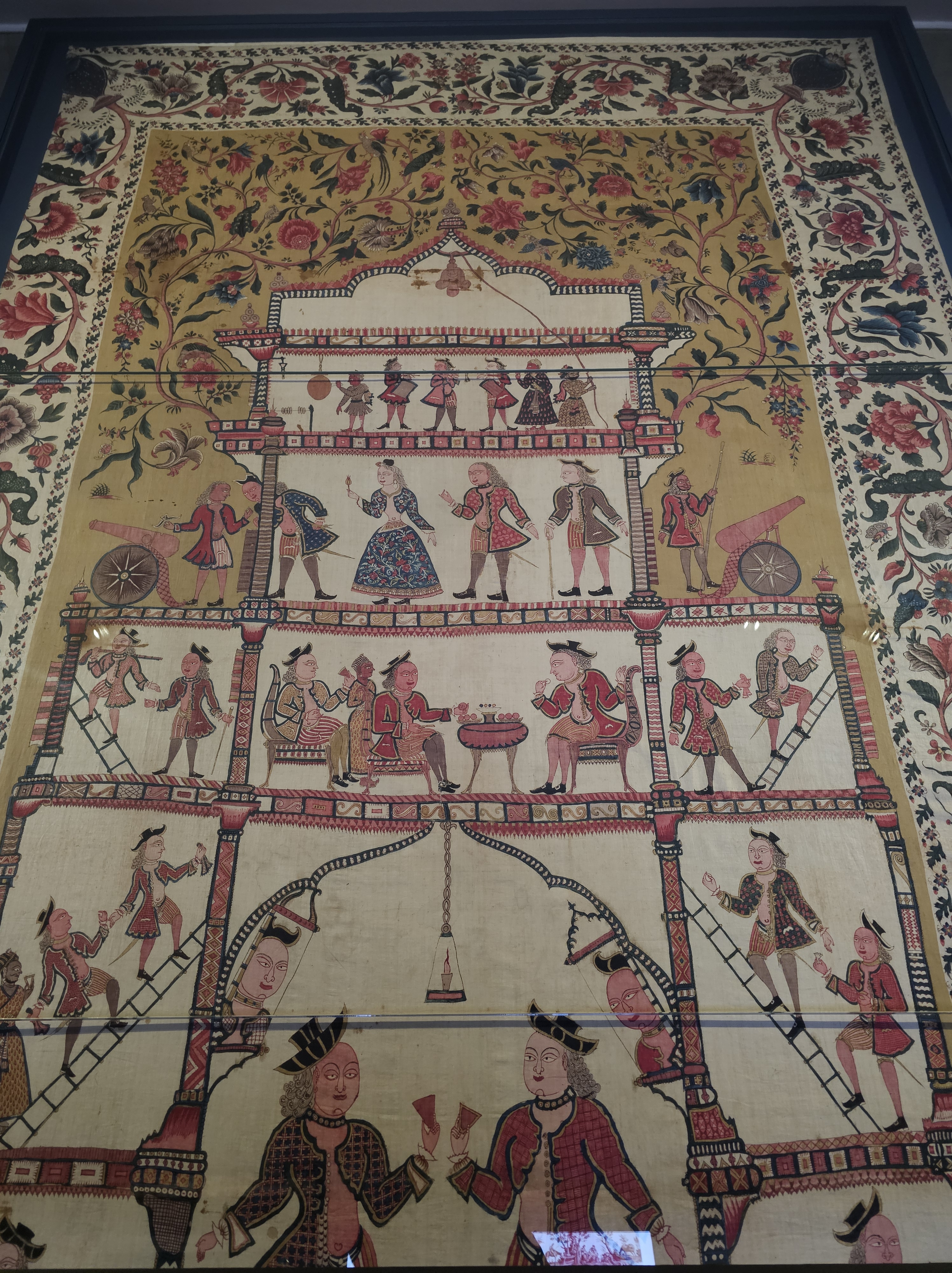
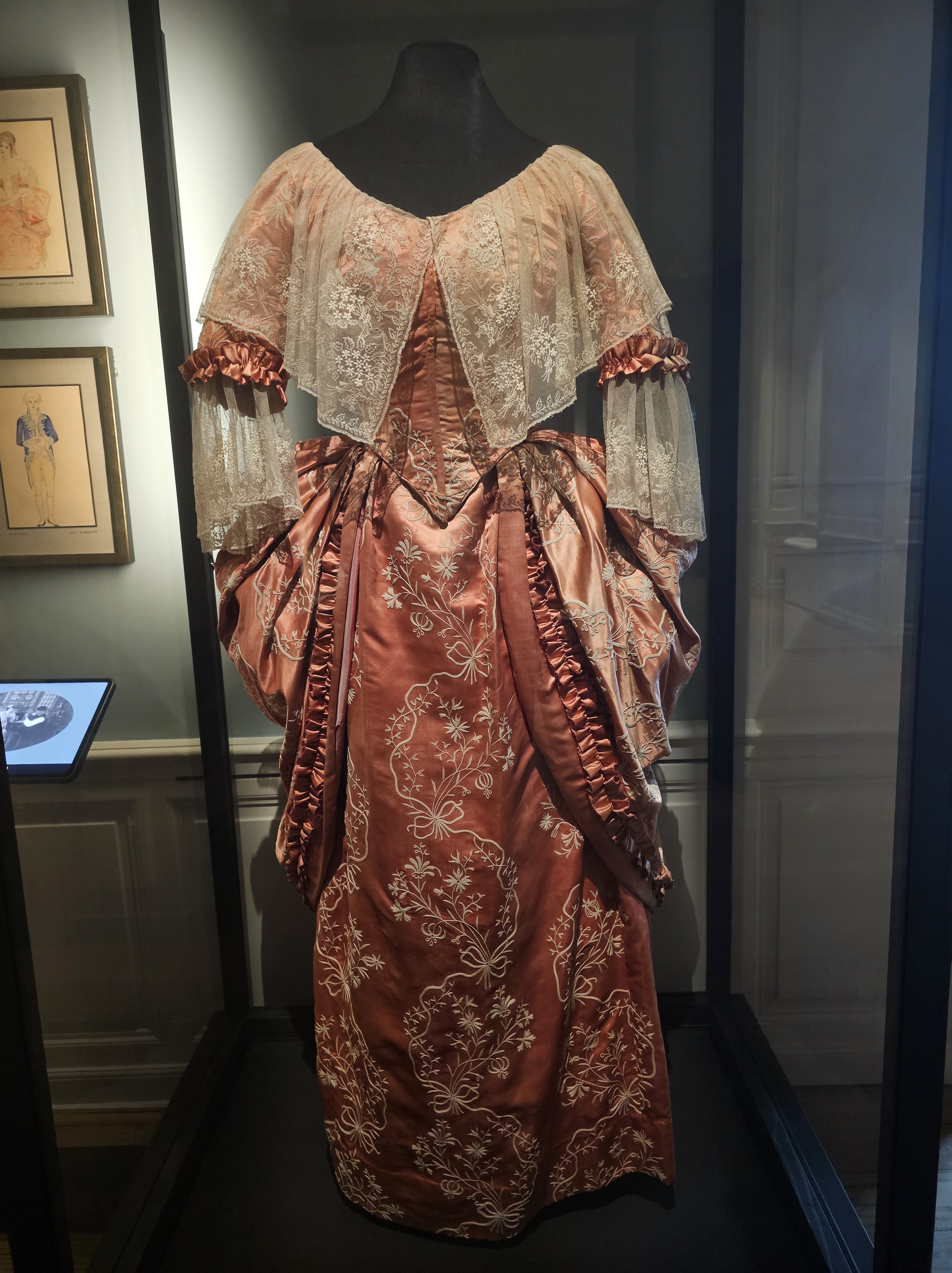
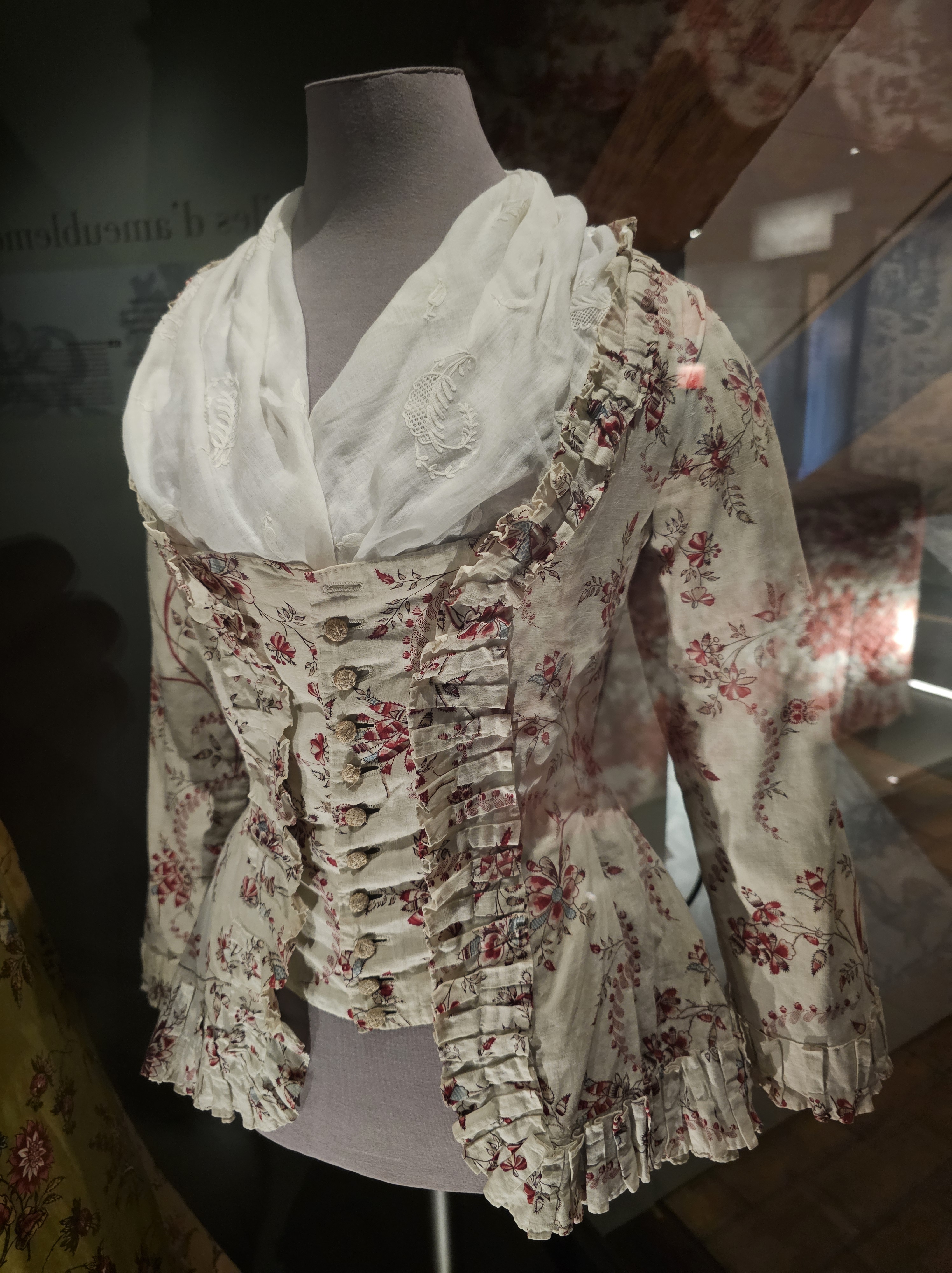
Chintz. How a Fabric Conquered the World
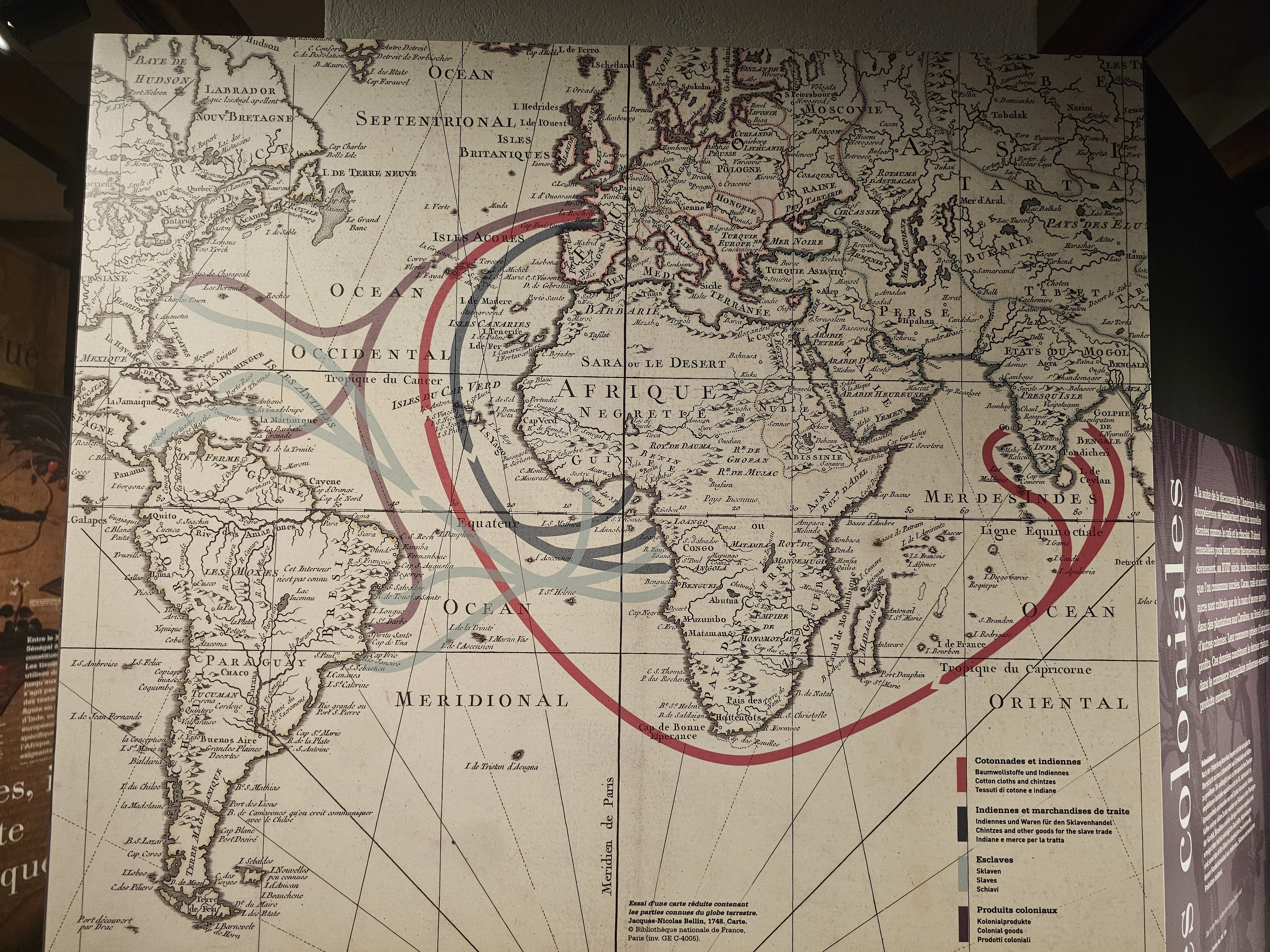
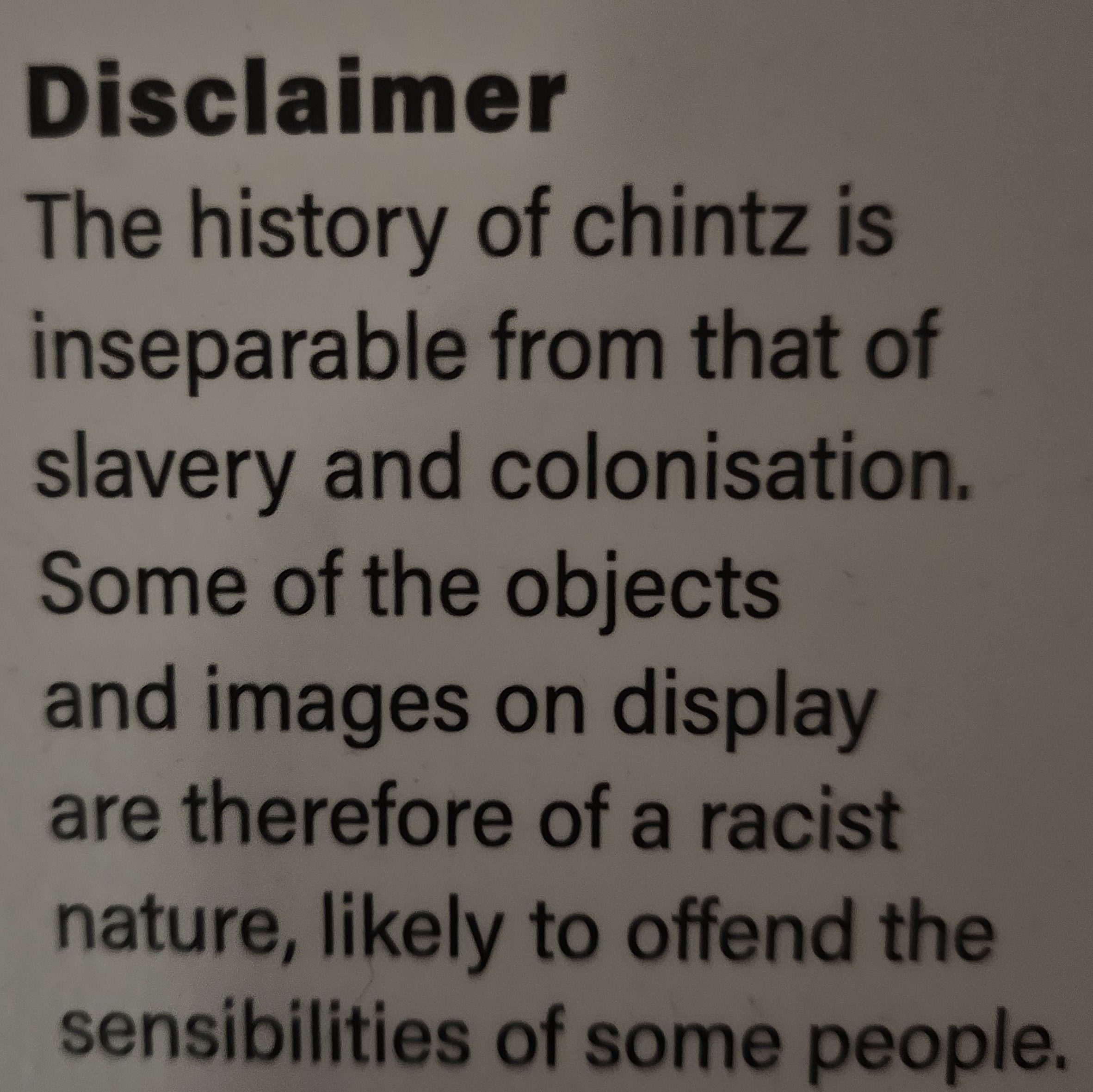
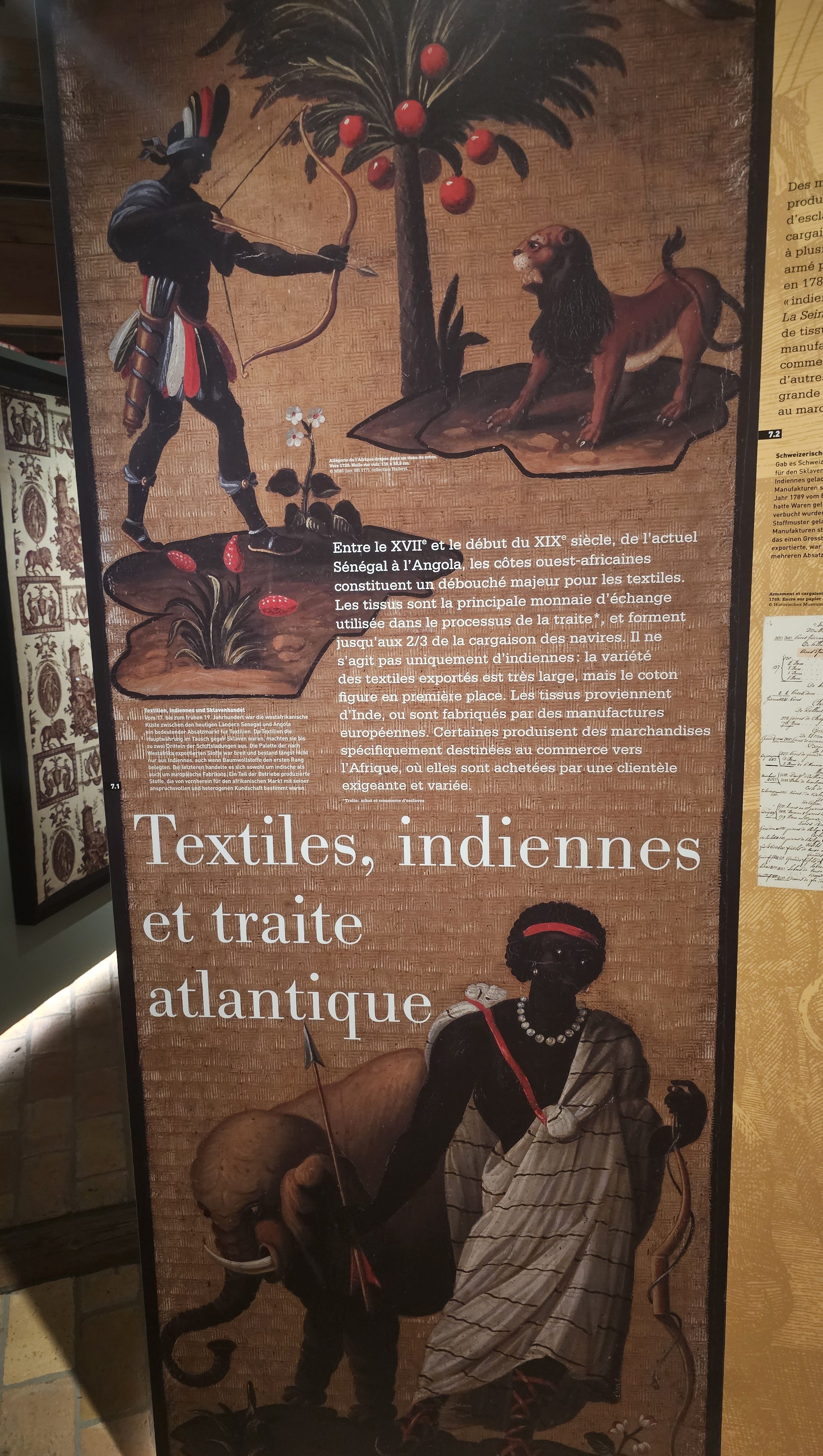
The permanent exhibition highlights the active role Swiss entrepreneurs and traders played in modern history, including industrialization, colonial trade routes, the transatlantic slave trade, and dye manufacturing.
Who would have thought that a piece of colourful cotton could tell us so much about globalisation, trade, wealth, and slavery?
What makes this exhibition particularly interesting is the Swiss connection. Switzerland had no overseas colonies of its own, yet Swiss merchants, manufacturers, and financiers were deeply involved in the international textile trade, including its links to colonial exploitation and slavery.
These fabrics were more than a fashion statement. They became valuable commodities, transformed European manufacturing, inspired industrial espionage, and even played a role in the transatlantic slave trade. What struck me is how little we sometimes know about the origins of the things we take for granted. Behind something as seemingly innocent as a beautiful fabric lies an extraordinary story of human ingenuity, economic ambition, cultural exchange, and exploitation.
A reminder that globalisation didn’t begin with the internet or modern corporations. We’ve been connected through trade, competition, and the pursuit of profit for centuries.