Nyon, Vaud
THE LOWDOWN
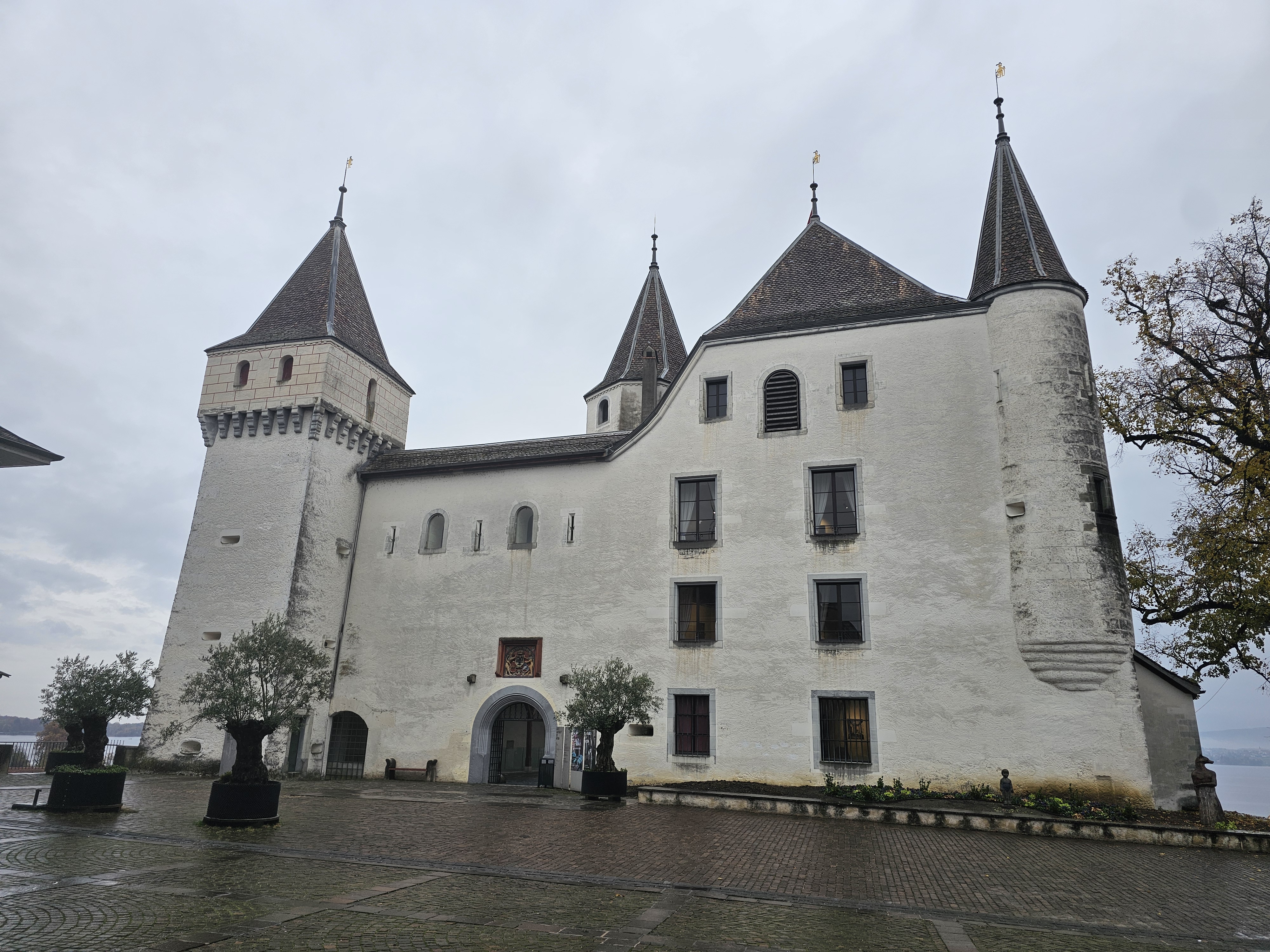
Nyon is one of those places where you almost forget you’re visiting a castle because the setting is so ridiculously pretty.
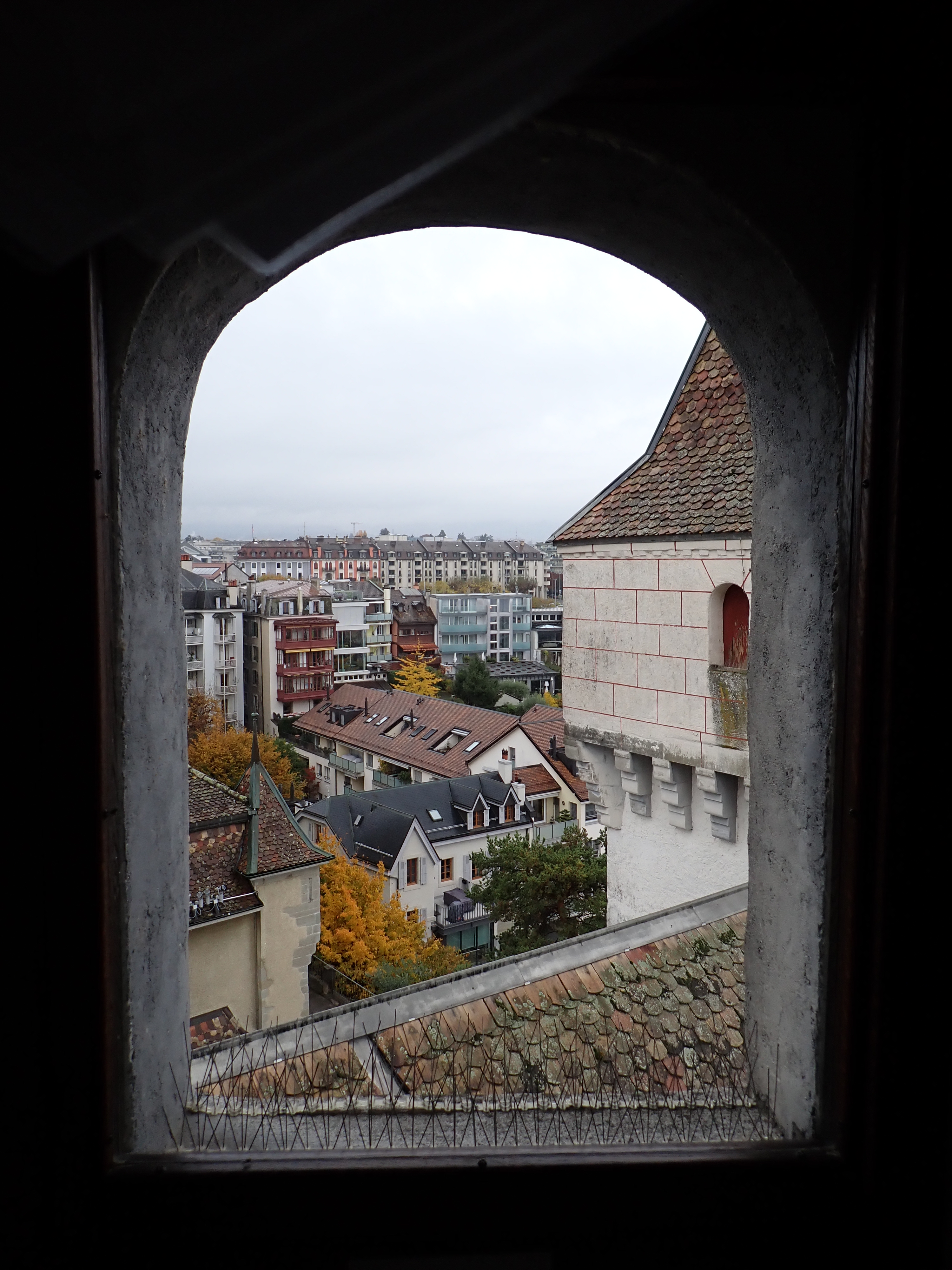
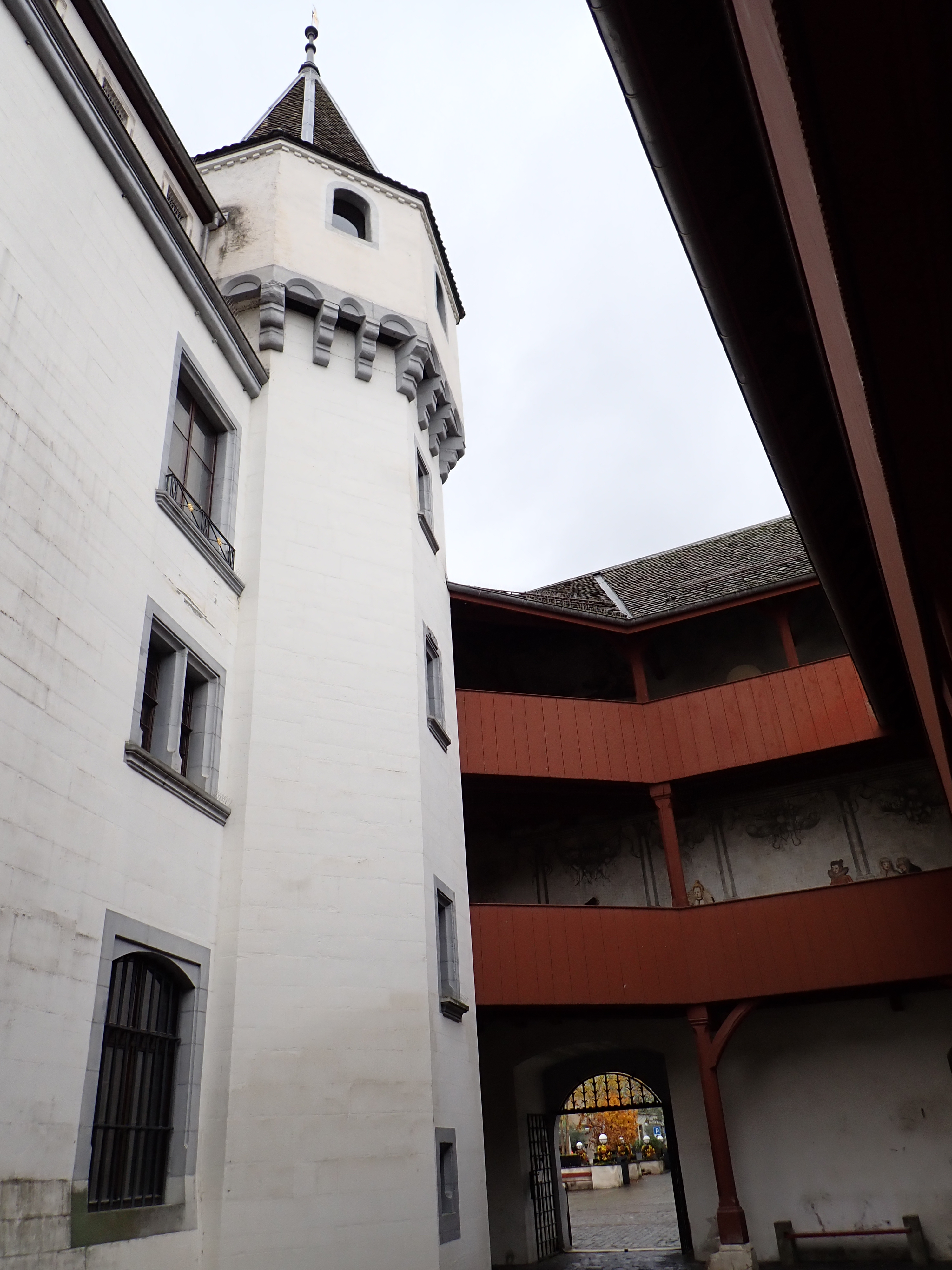
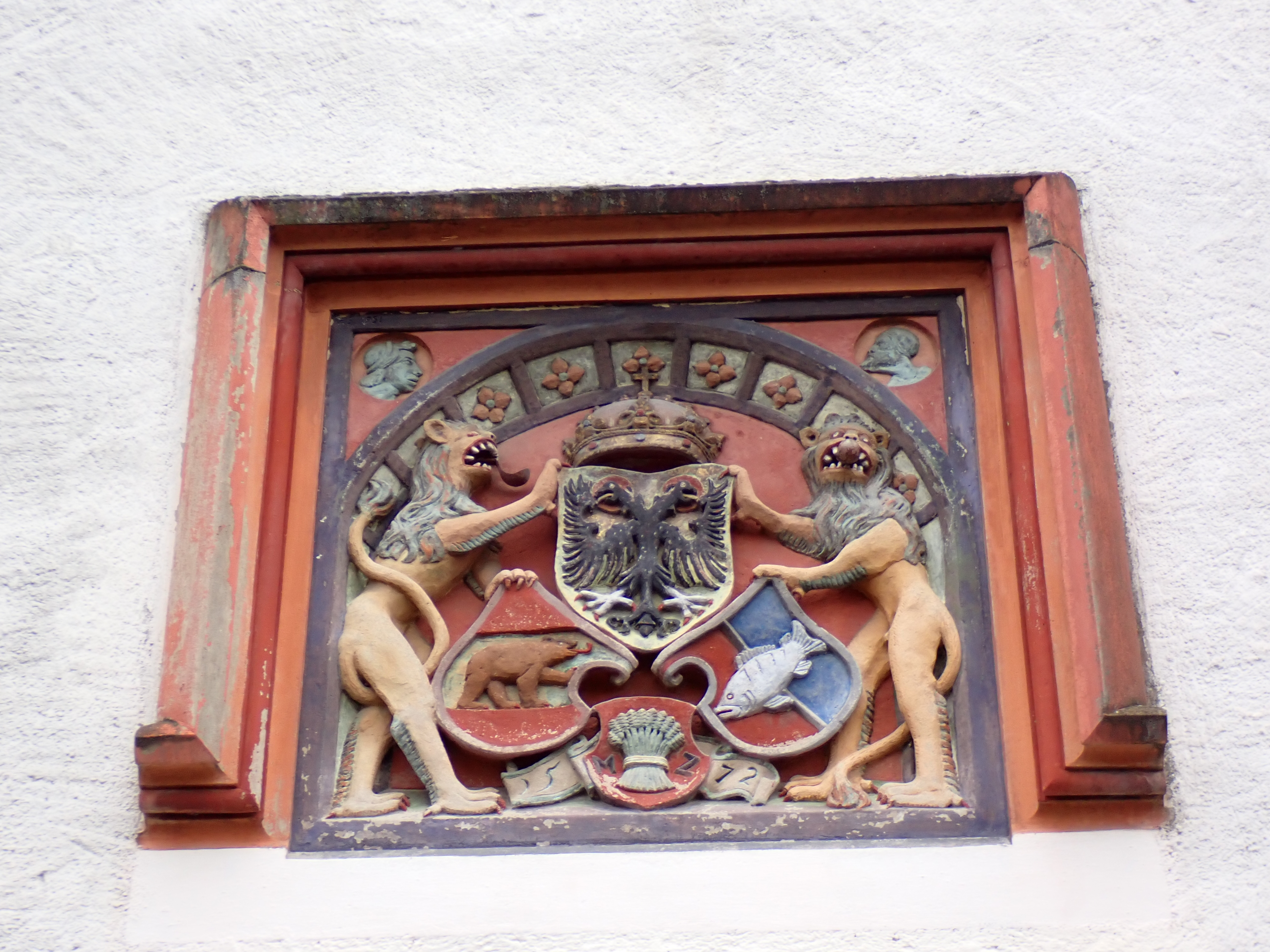
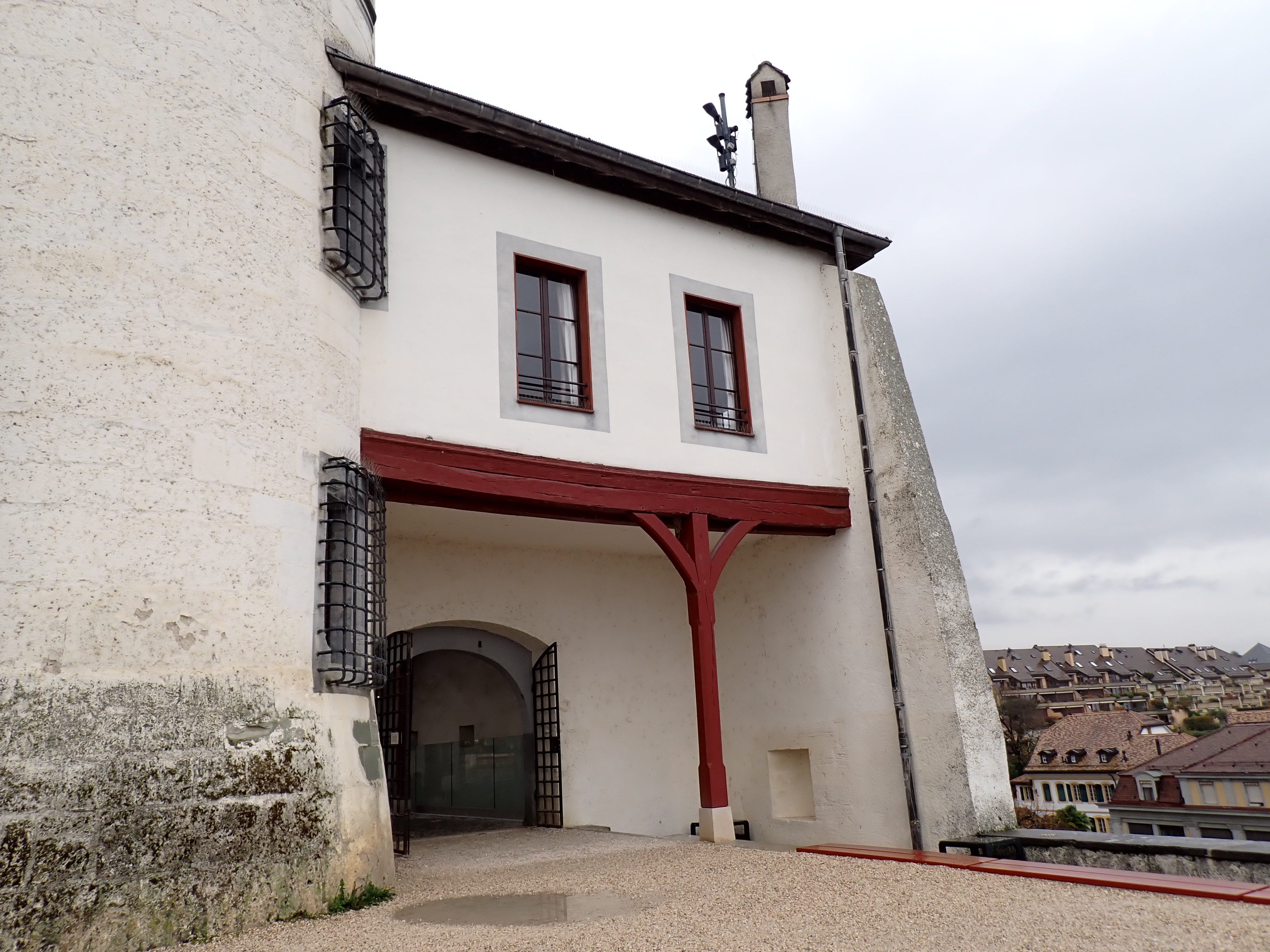
Five towers, a commanding position above Lake Geneva and spectacular views towards the French Alps. It looks more like something from a fairy tale than a building that spent centuries being used to administer justice and lock people up. The castle’s medieval origins go back to the 12th century, when the Lords of Prangins controlled the area. It subsequently passed to the powerful Counts of Savoy before being taken over by Bern in 1536.
Today, it houses a museum dedicated to the history of Nyon and its famous porcelain industry.
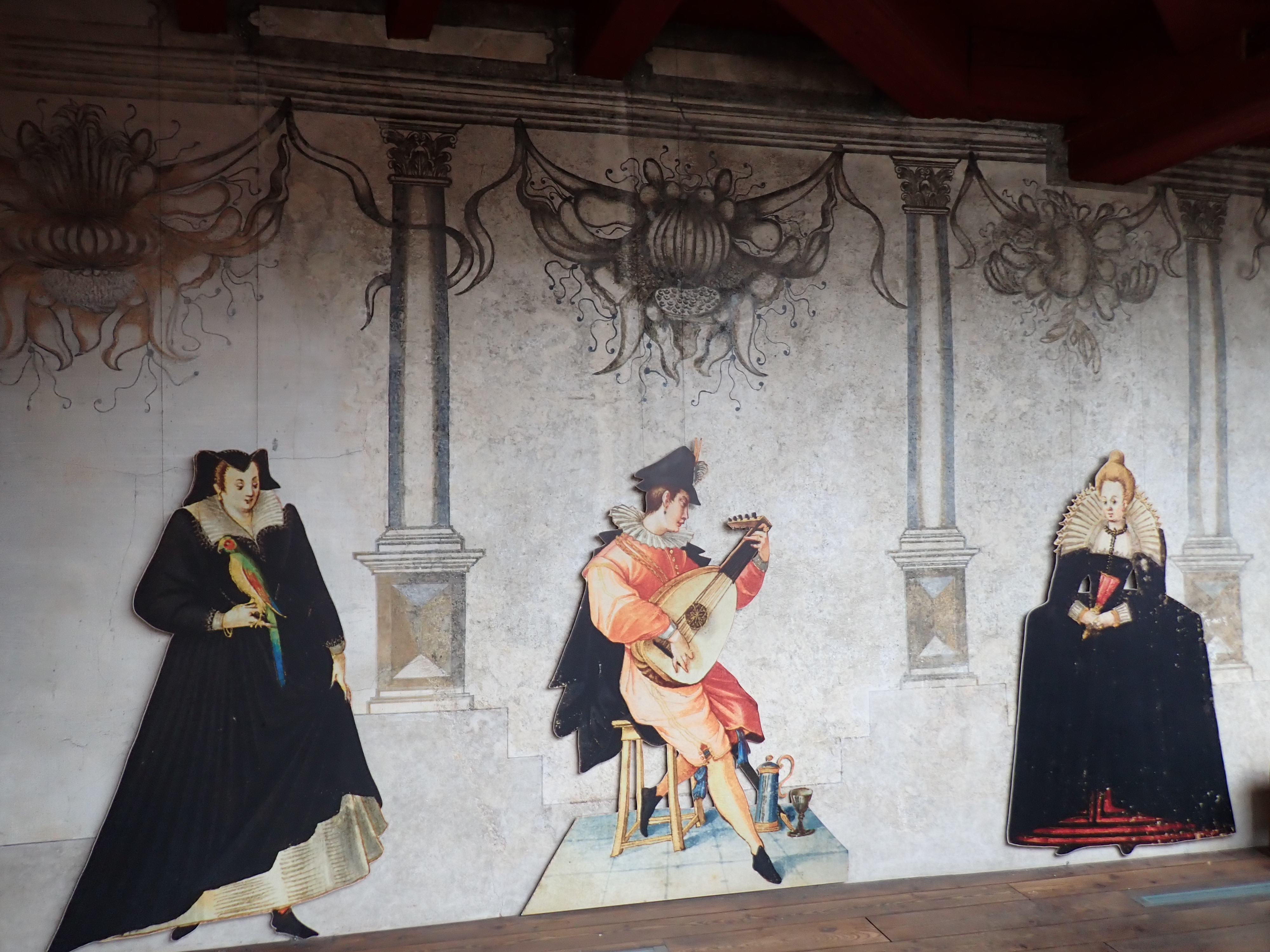
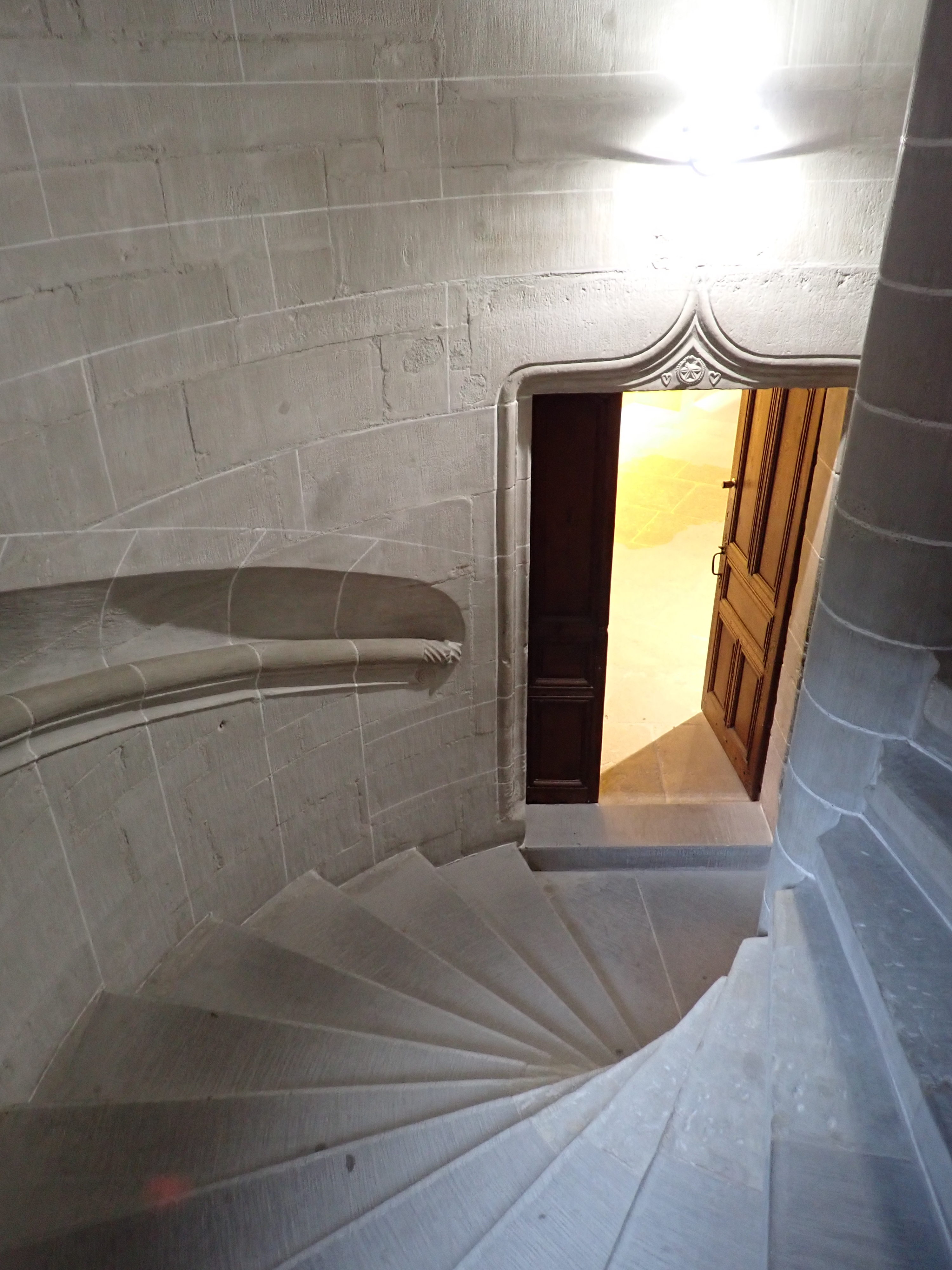
ROUND THE CASTLE
Nyon has a rather interesting architectural identity crisis.
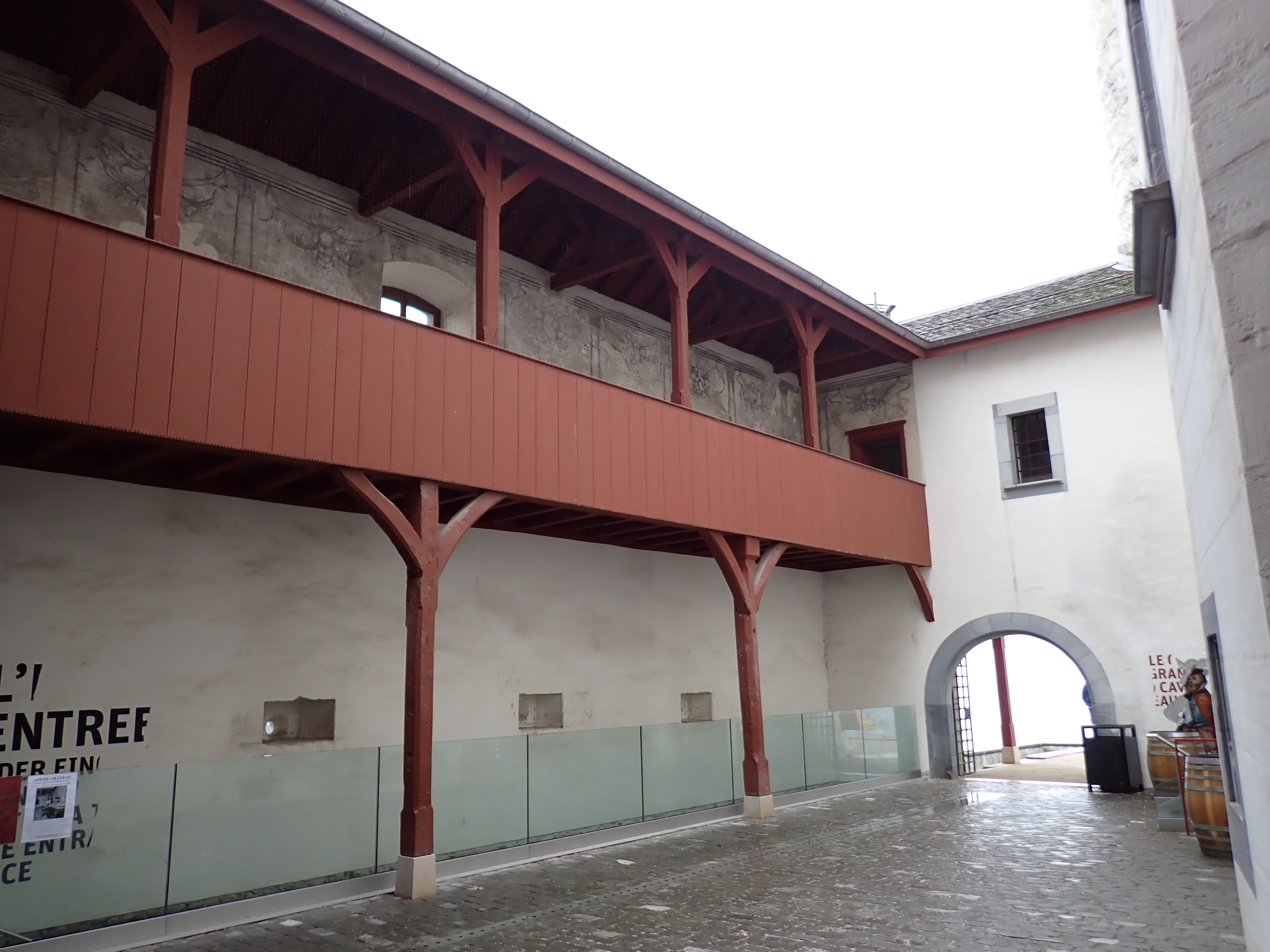
From the outside, it looks like a medieval fortress. But once you get inside, you discover that much of what you see reflects the changes made when the Bernese authorities turned it into an administrative residence.
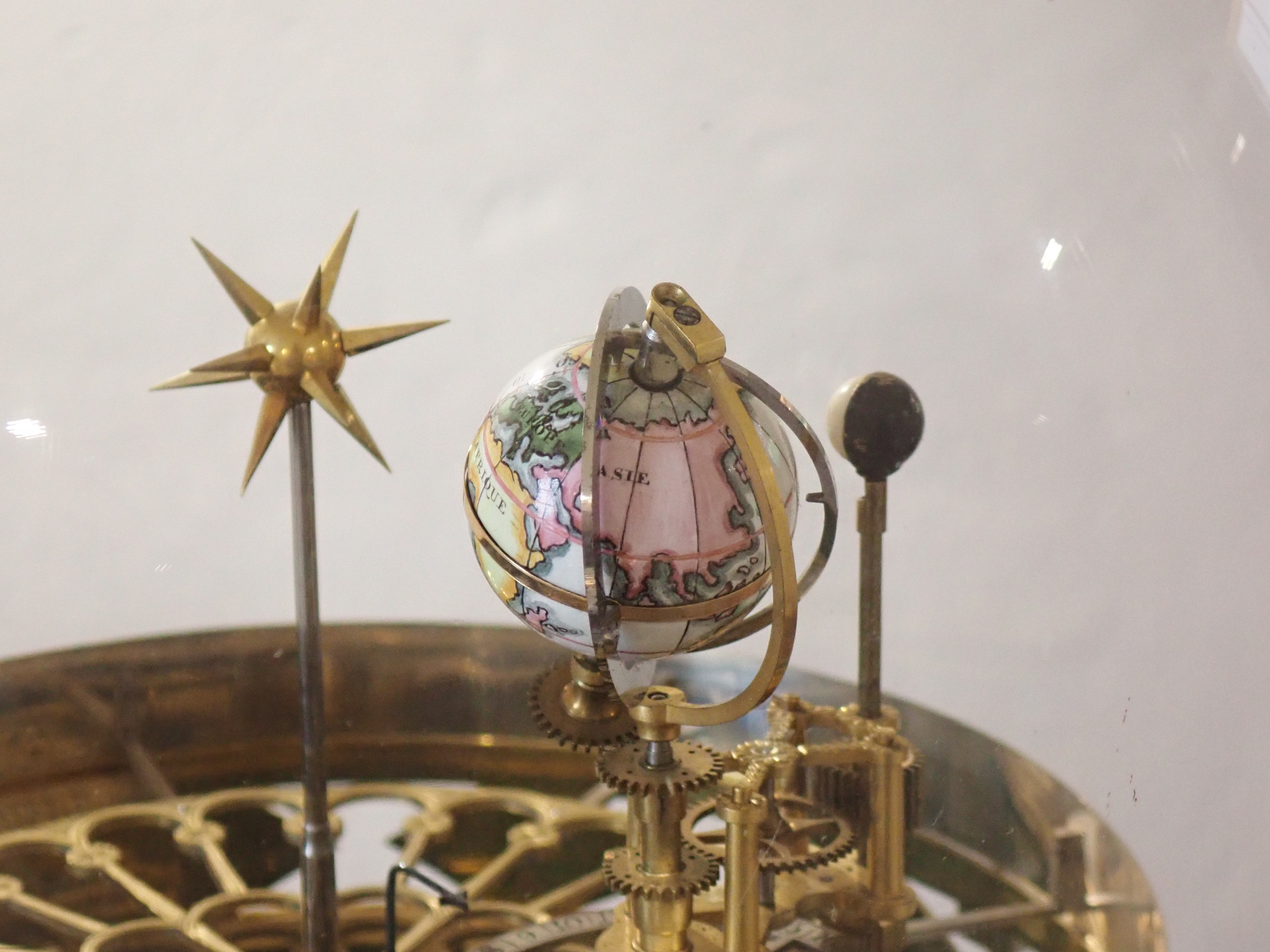
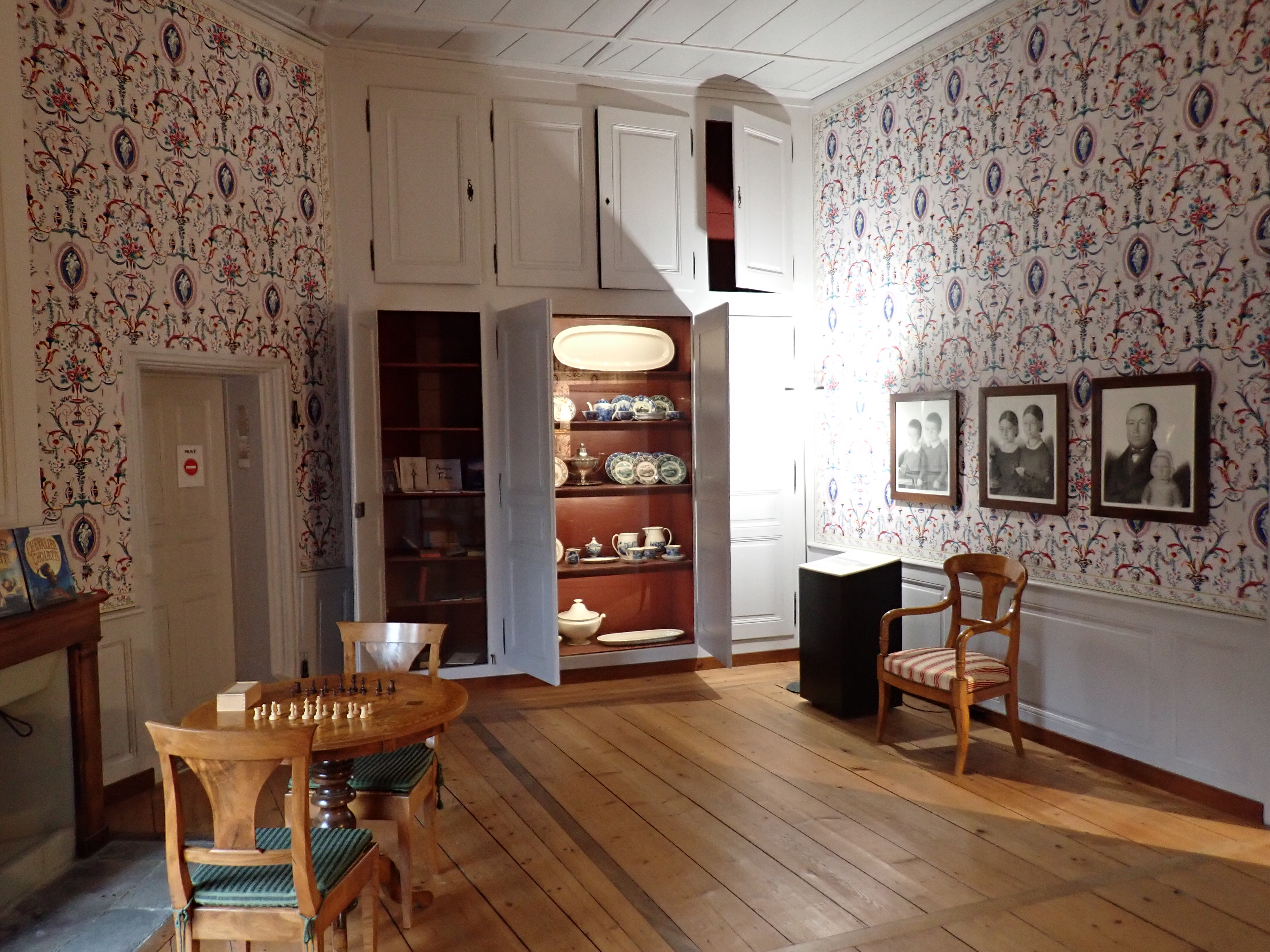
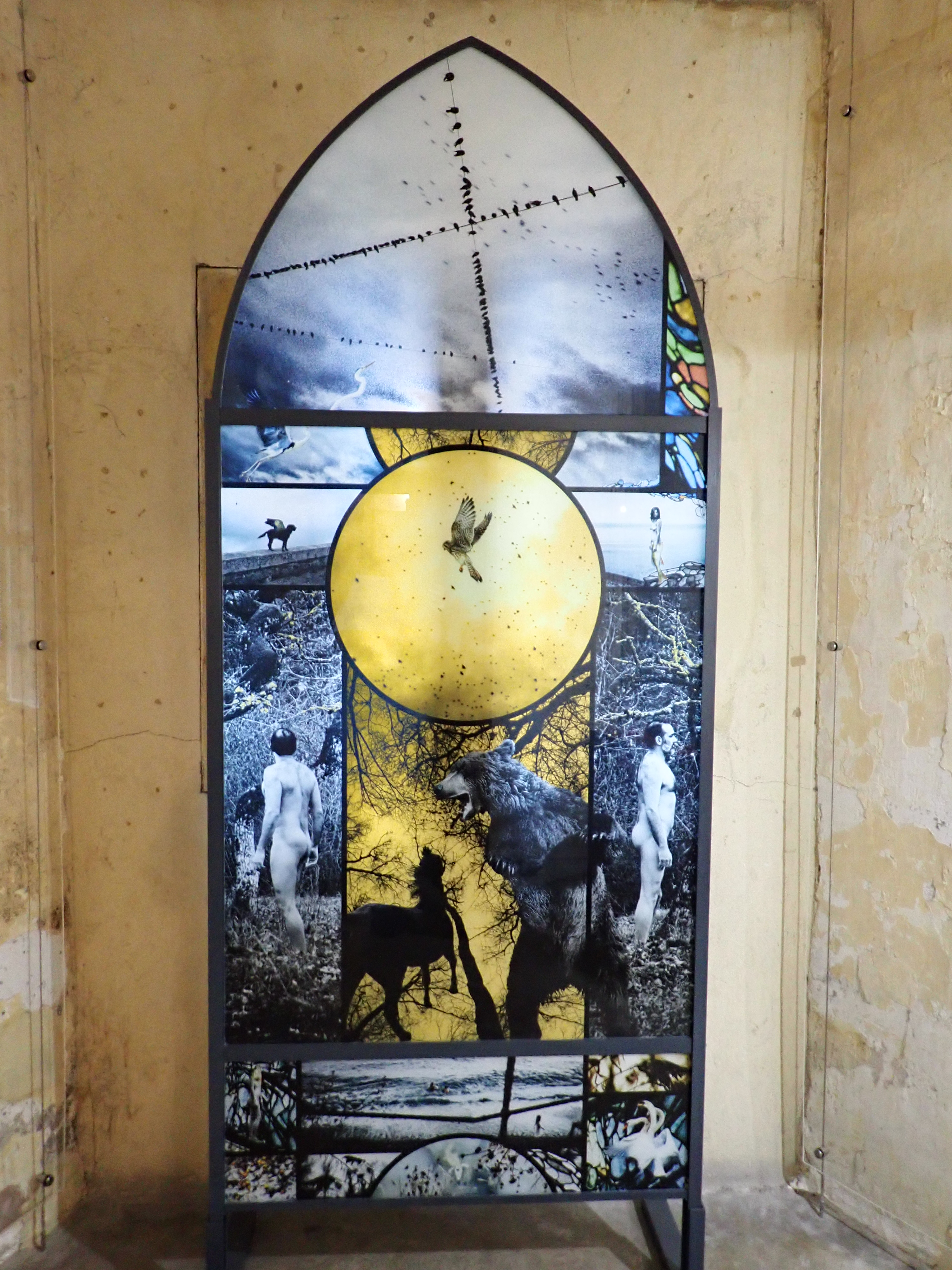
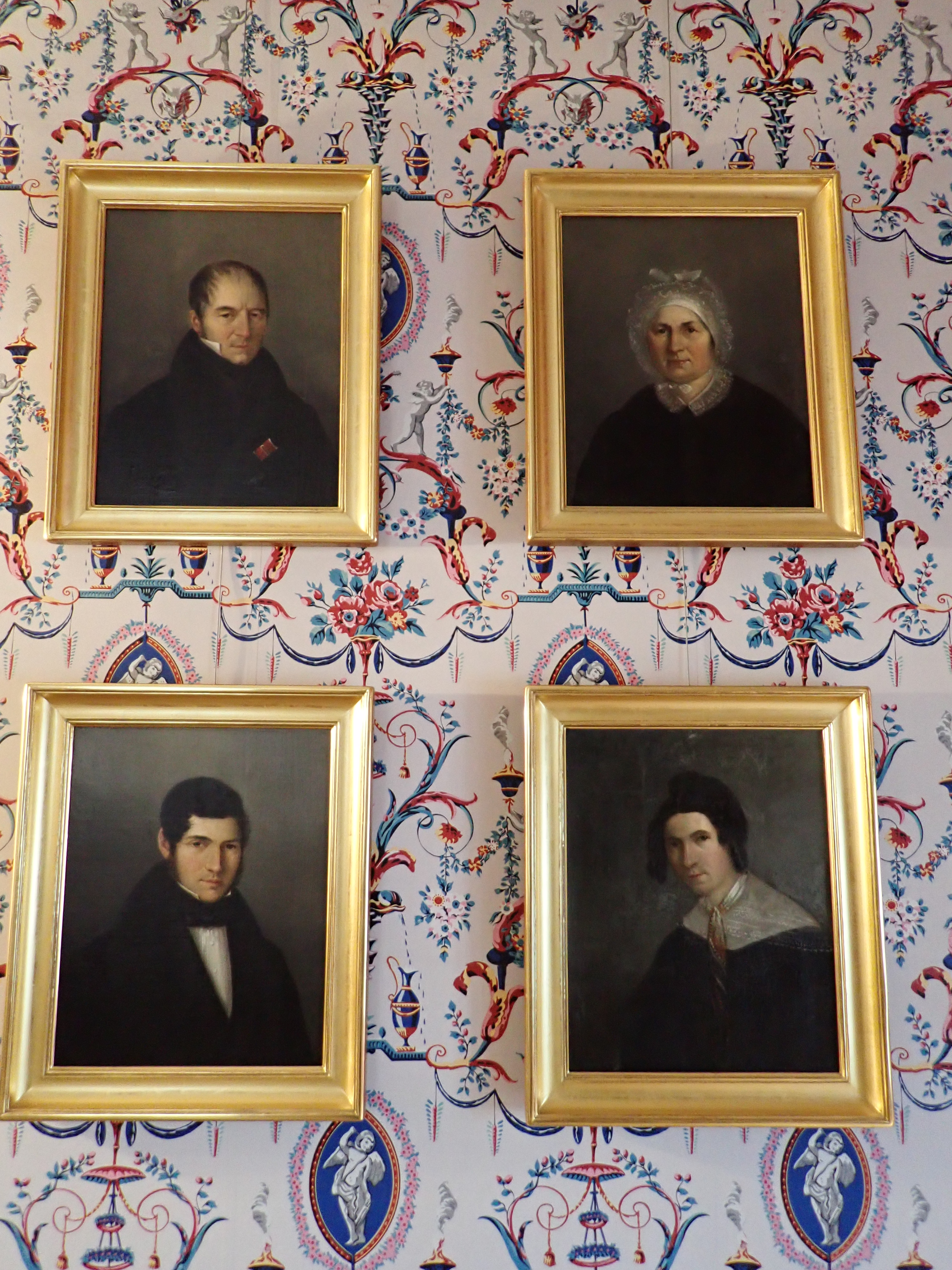
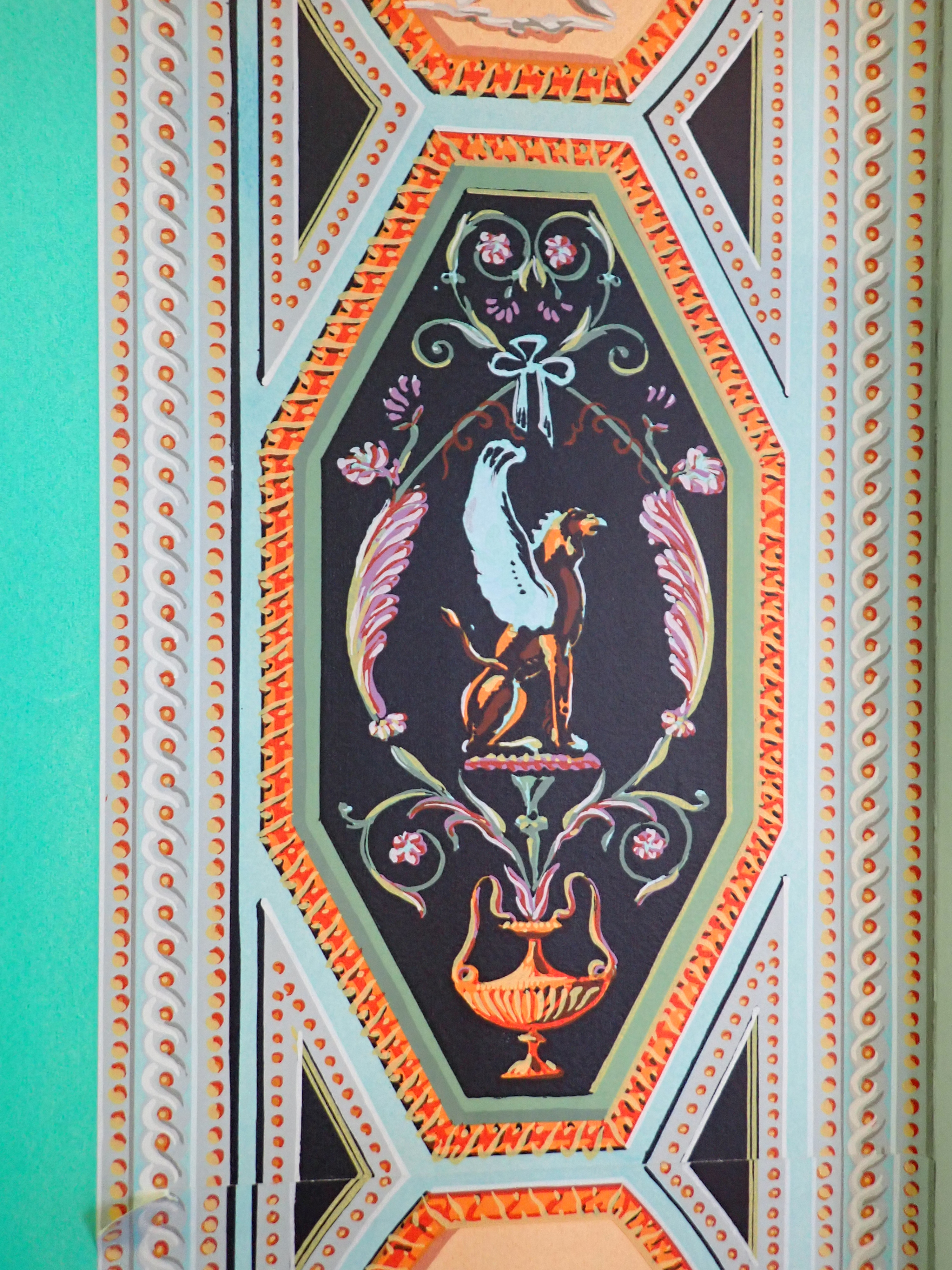
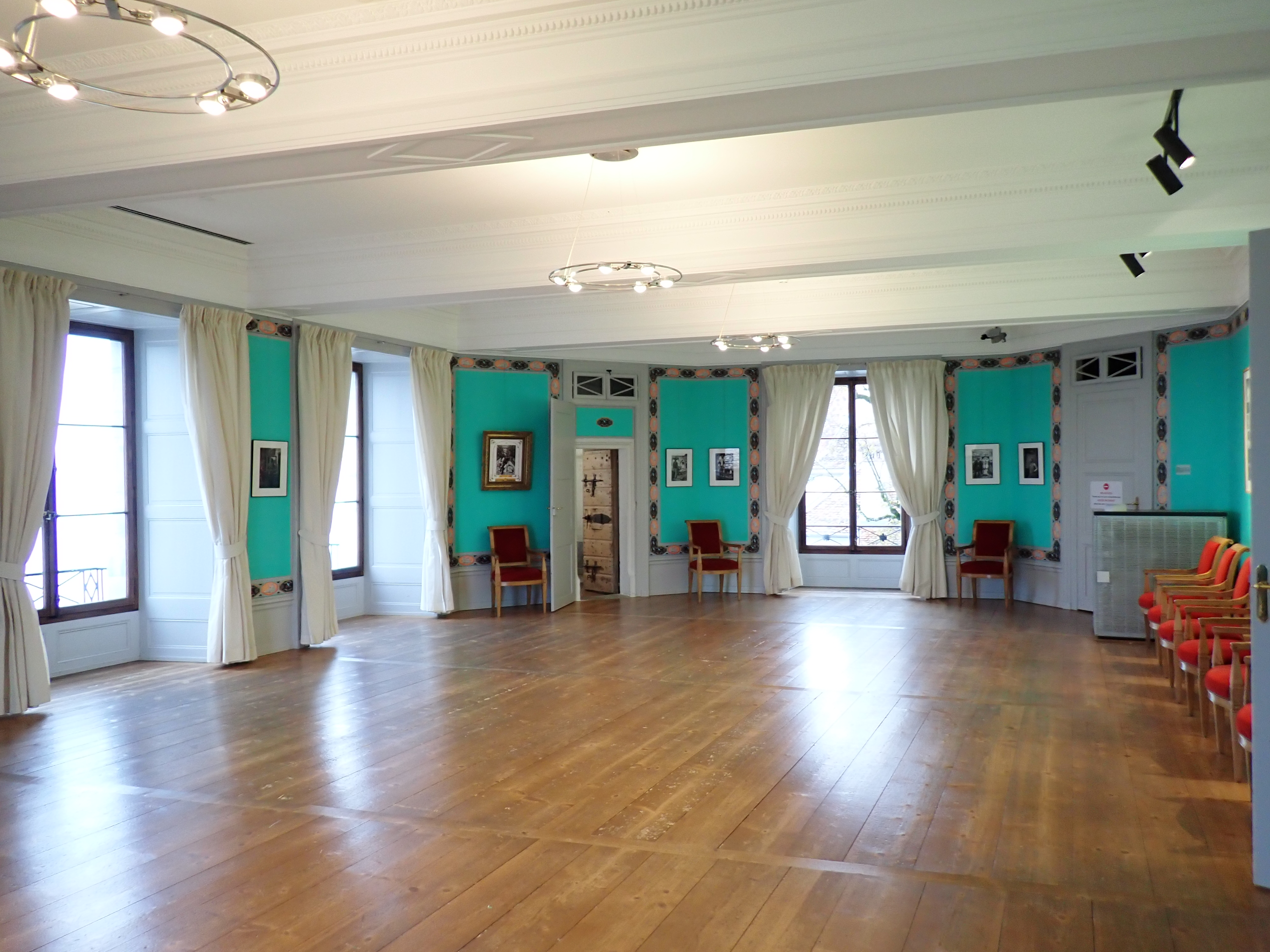
For more than 250 years, Bern governed Nyon through appointed bailiffs who lived and worked here. The castle was essentially the local headquarters of Bernese power. After the end of Bernese rule in 1798, it continued to serve various public purposes, including as a prison. The museum today has an interesting collection of Nyon porcelain, which was produced locally between 1781 and 1813. And this isn’t just any old crockery, it’s stunning.
Nyon porcelain was beautifully delicate, often decorated with flowers and intricate designs, and was aimed at wealthy customers who wanted something rather more sophisticated than an ordinary dinner plate.
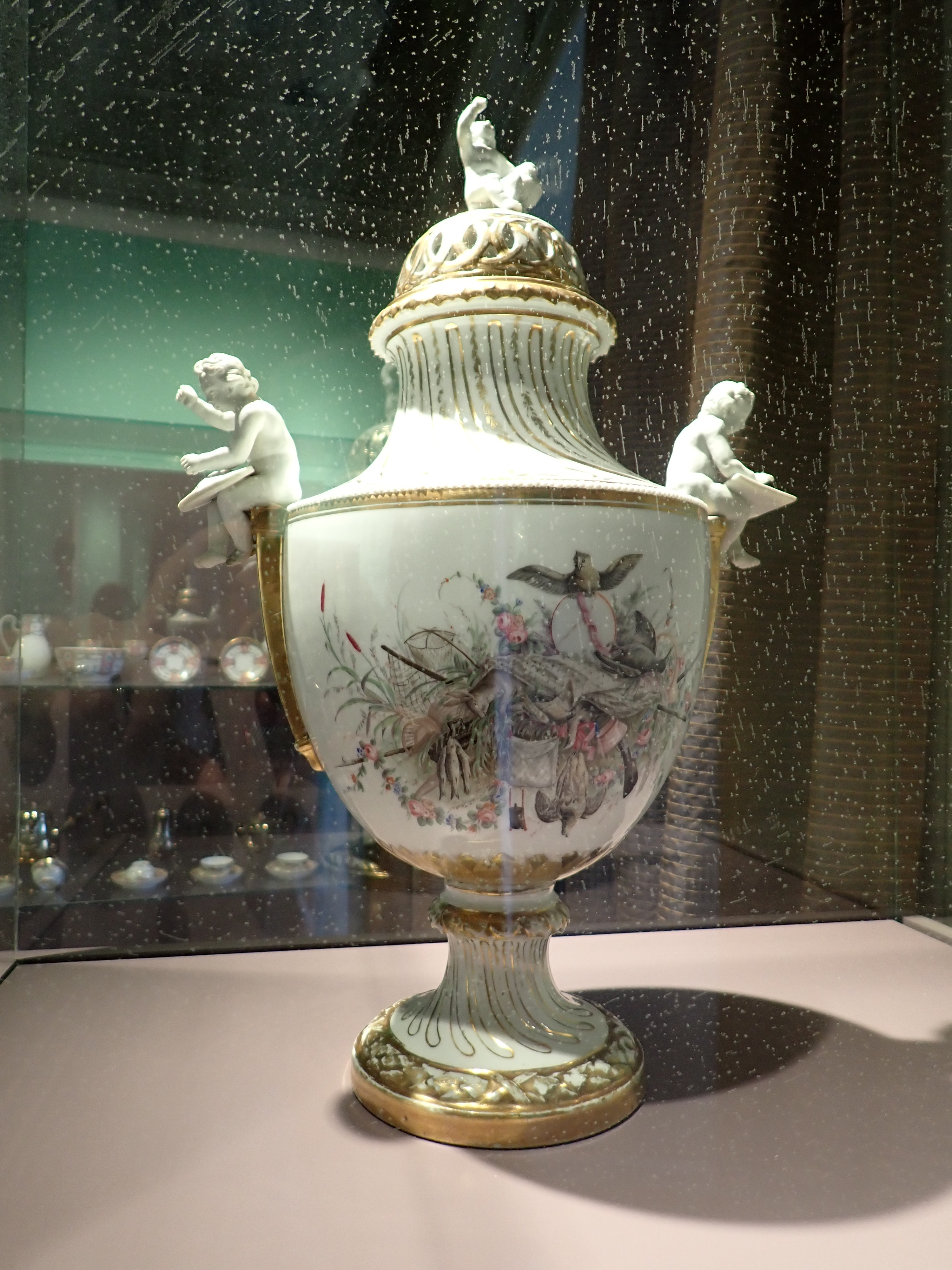
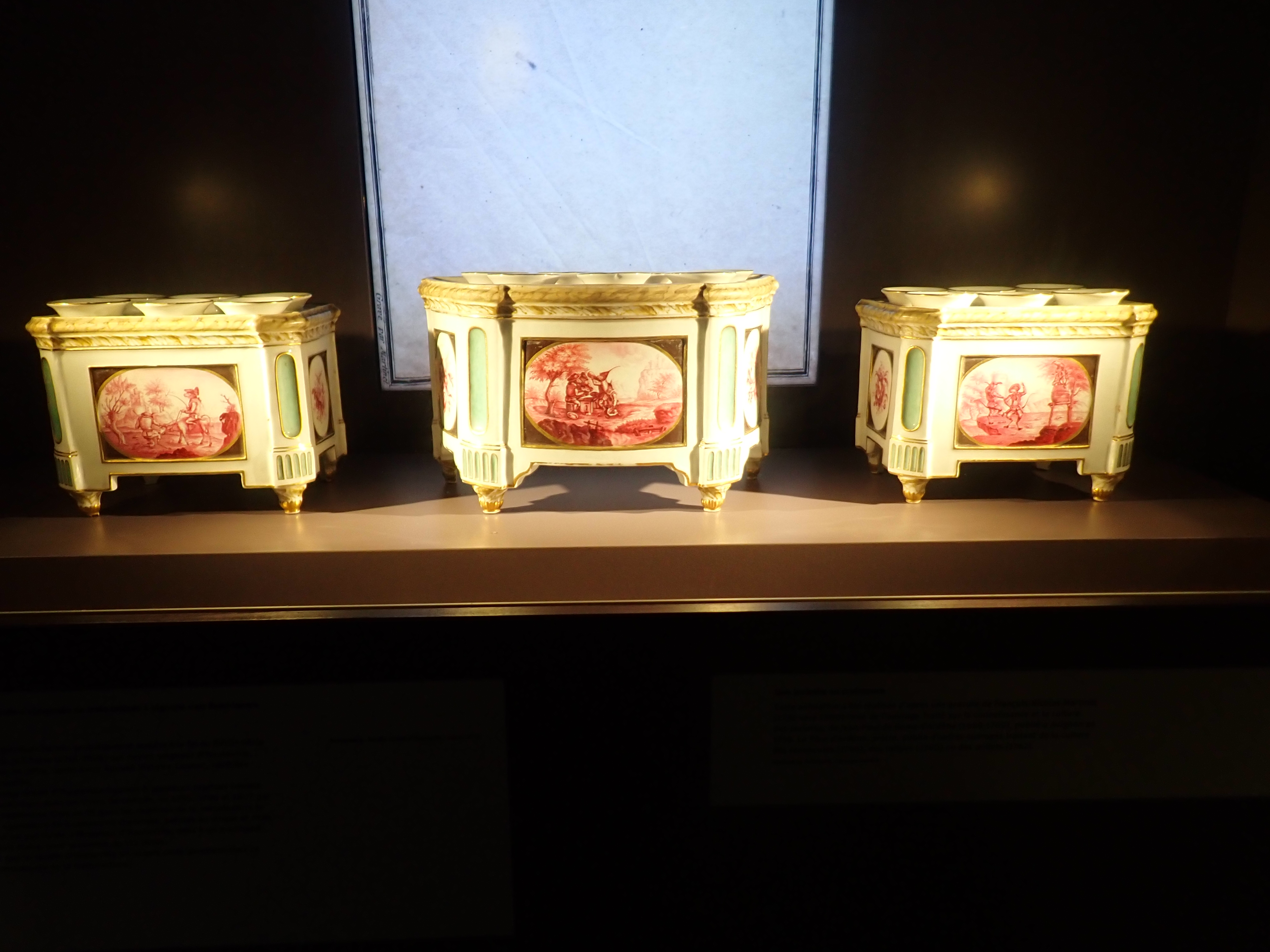
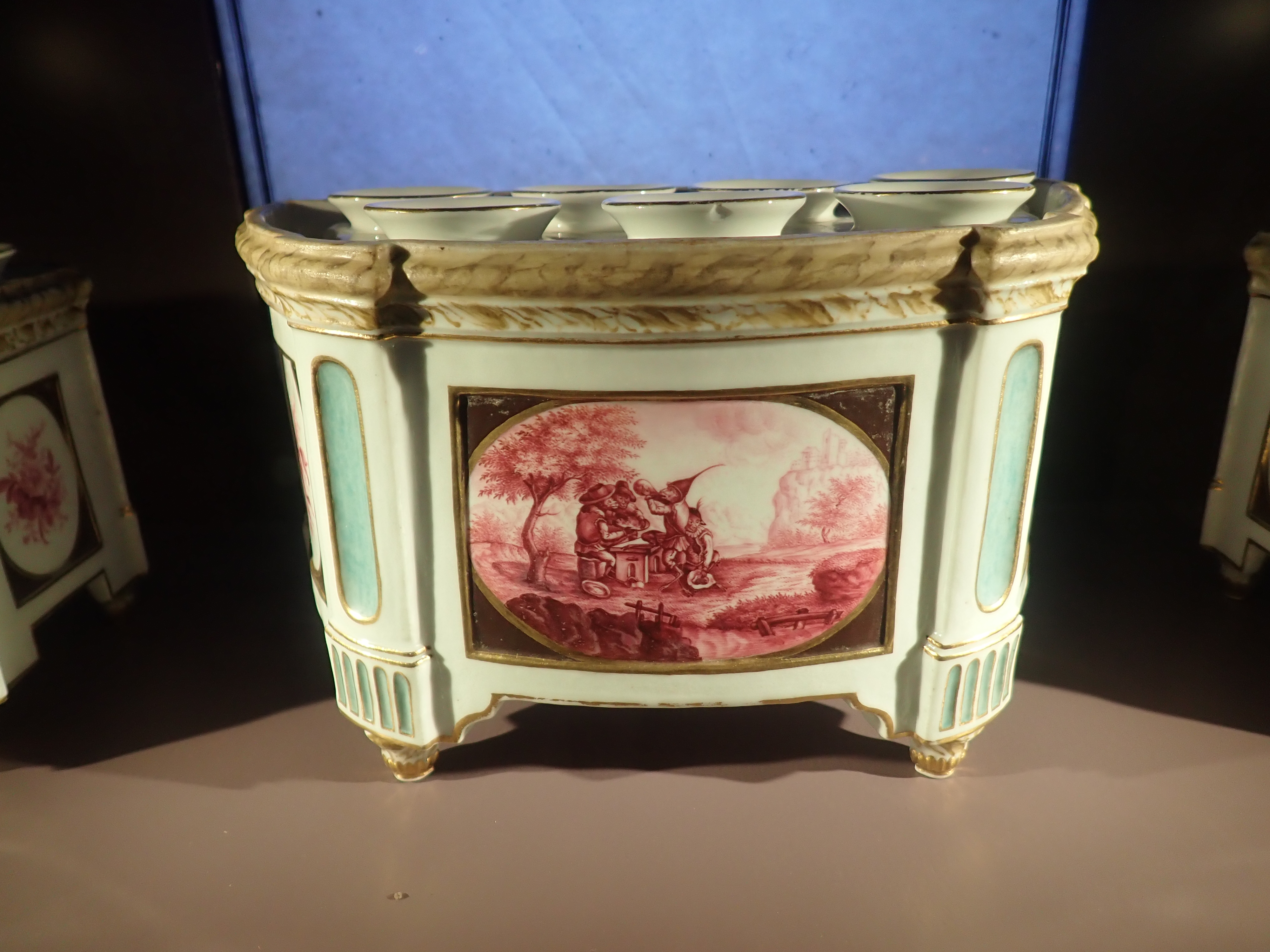
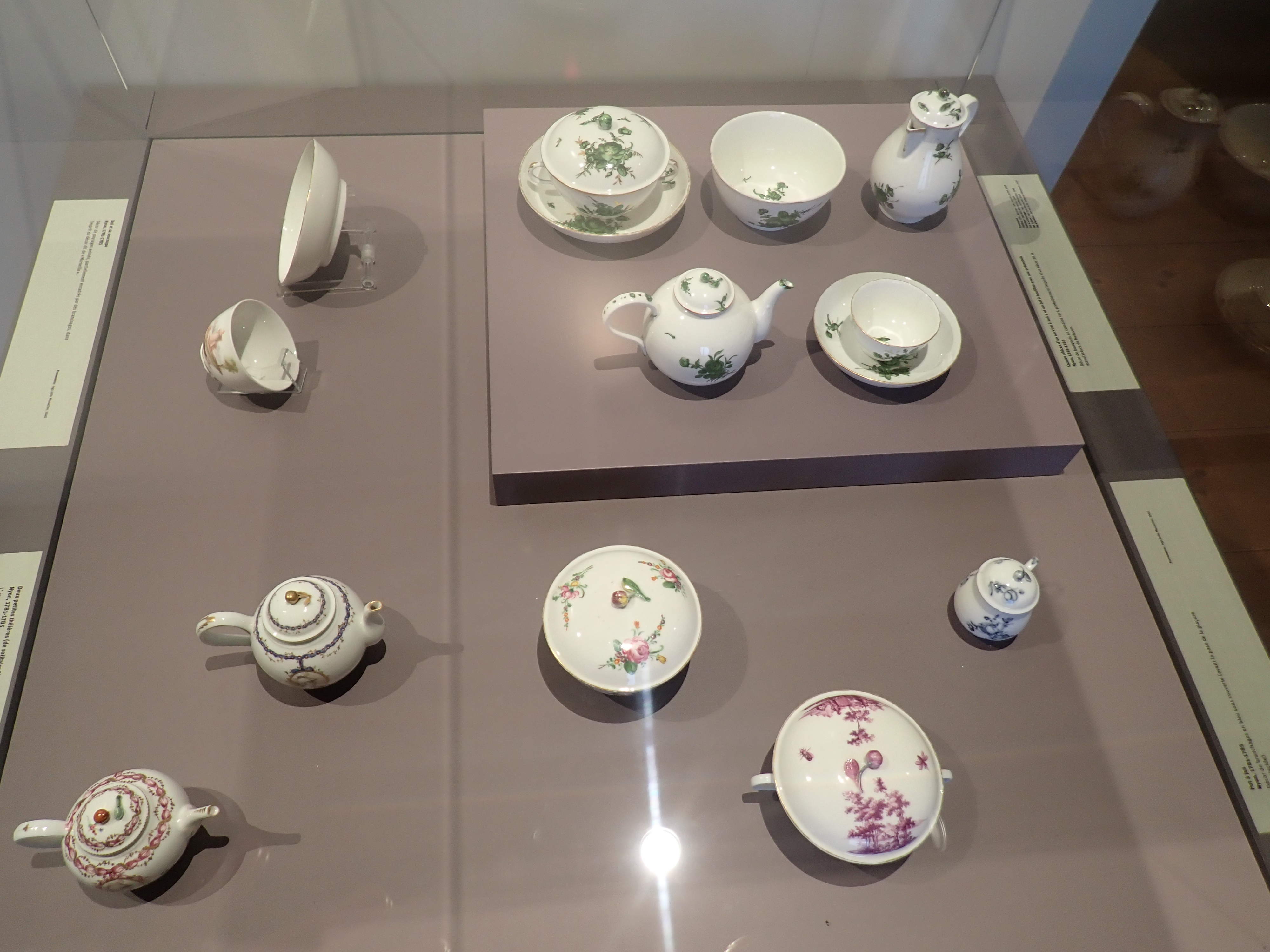
There’s also something rather nice about wandering through the castle and discovering how it has changed from medieval fortress to government offices, prison and finally museum.
THE LITTLE TITBIT
Now here’s the part I find particularly interesting.
For all its fairy-tale appearance, Nyon Castle was still being used as a prison well into the 20th century. The last prisoners left in 1979. Think about that for a moment.
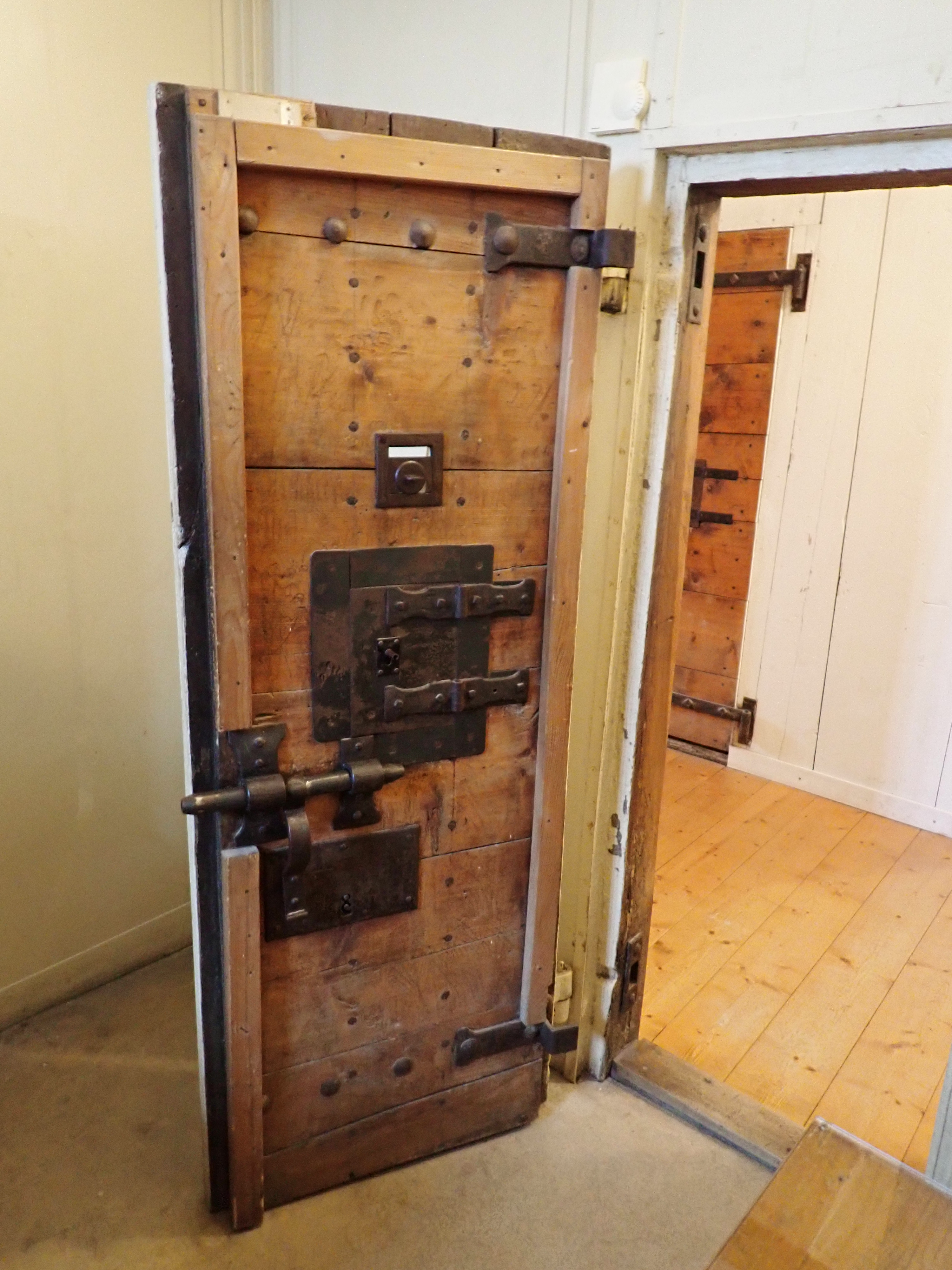
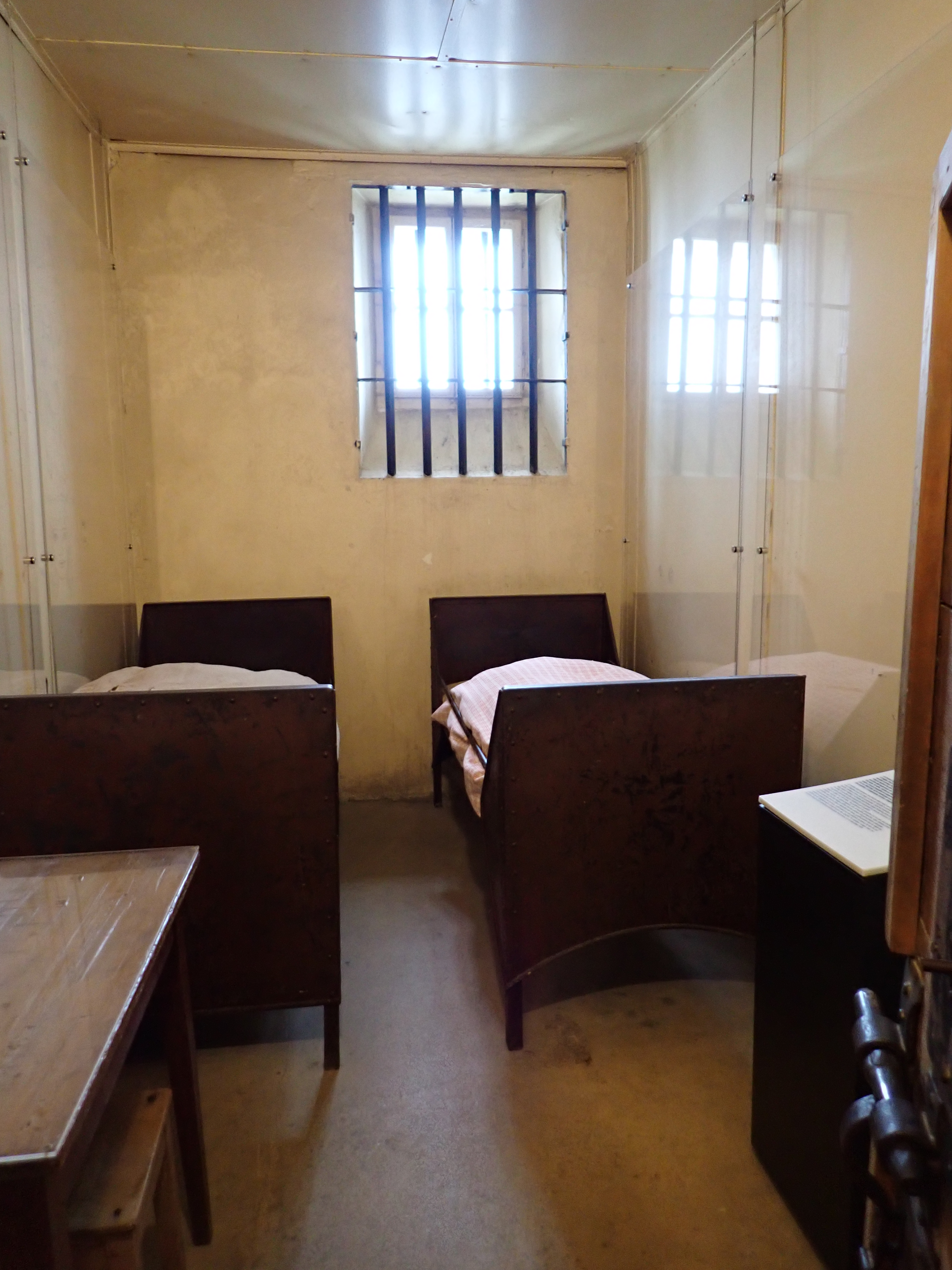
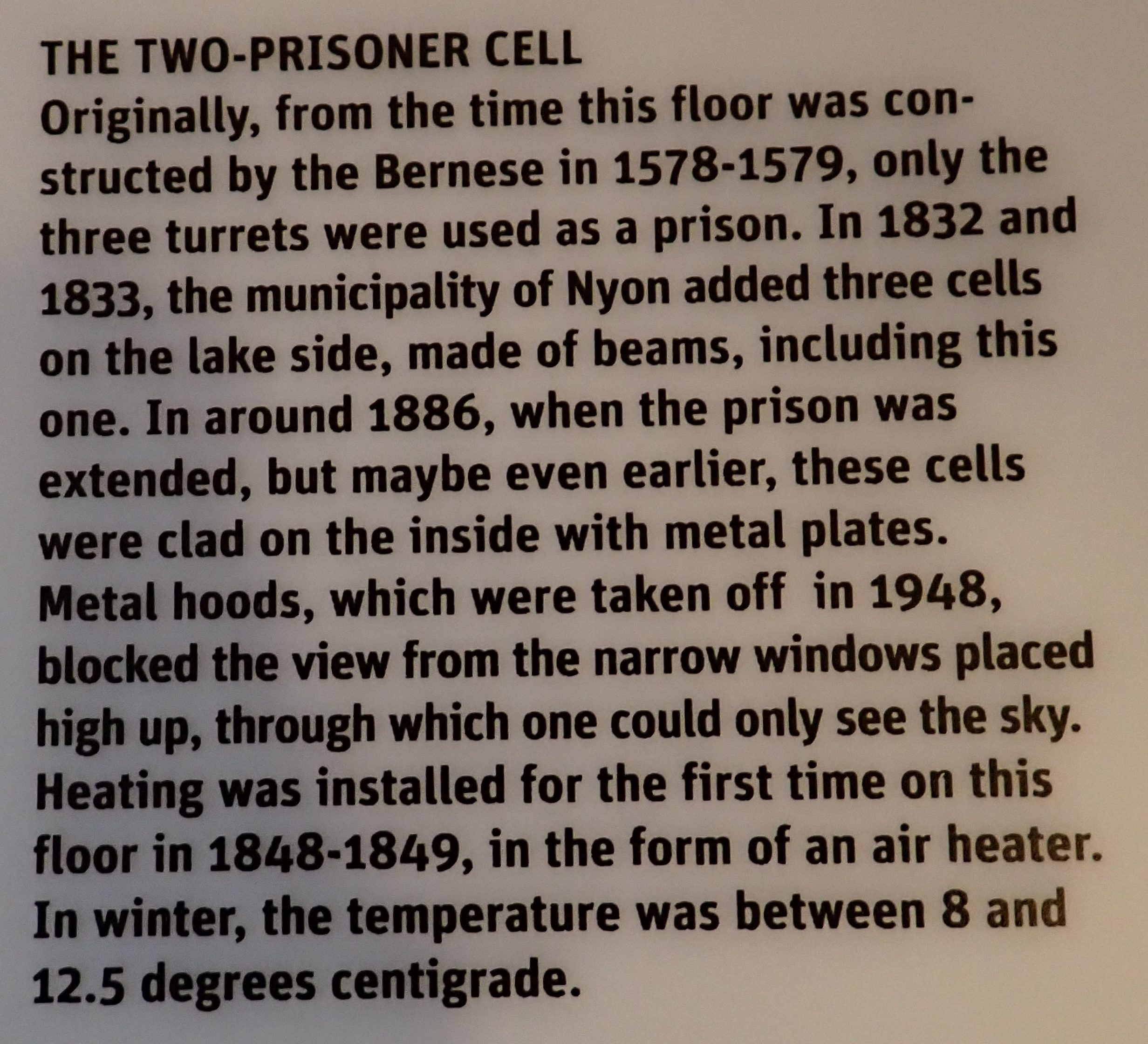
While the rest of Switzerland was driving around in modern cars, watching colour television and planning its summer holidays, people were still being locked up inside a medieval castle overlooking Lake Geneva. Not exactly the romantic castle experience you’d imagine. And there’s another little twist.
Nyon is famous for its porcelain, but the local factory lasted only about 32 years, from 1781 to 1813. That’s a remarkably short life for something that became such an important part of the town’s heritage. The factory struggled financially, partly because producing fine porcelain was expensive and competition was fierce. So today, more than 200 years later, people come to admire plates and teacups made by a business that didn’t even survive four decades. Sometimes the things that fail in their own time end up becoming the things everyone remembers.
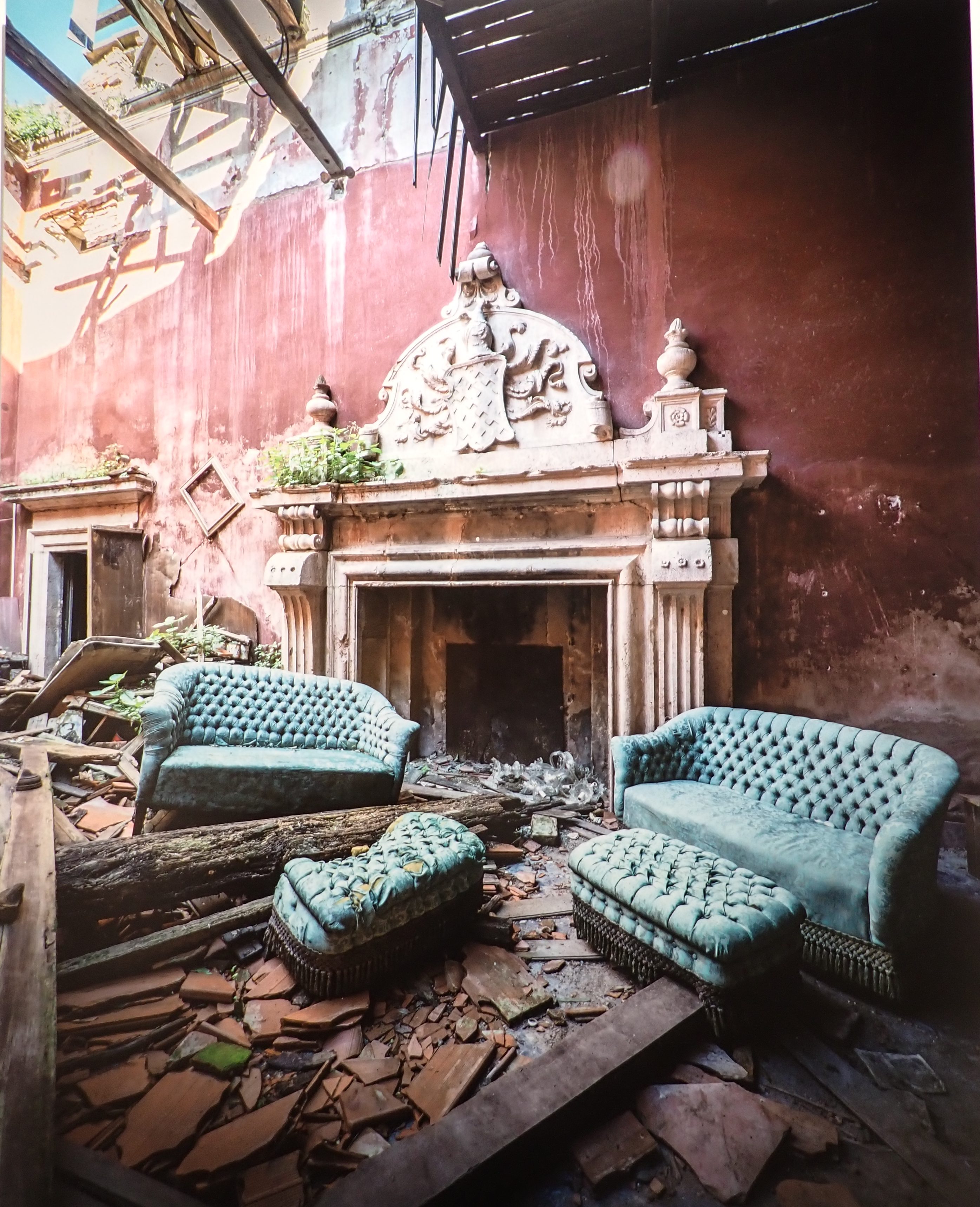
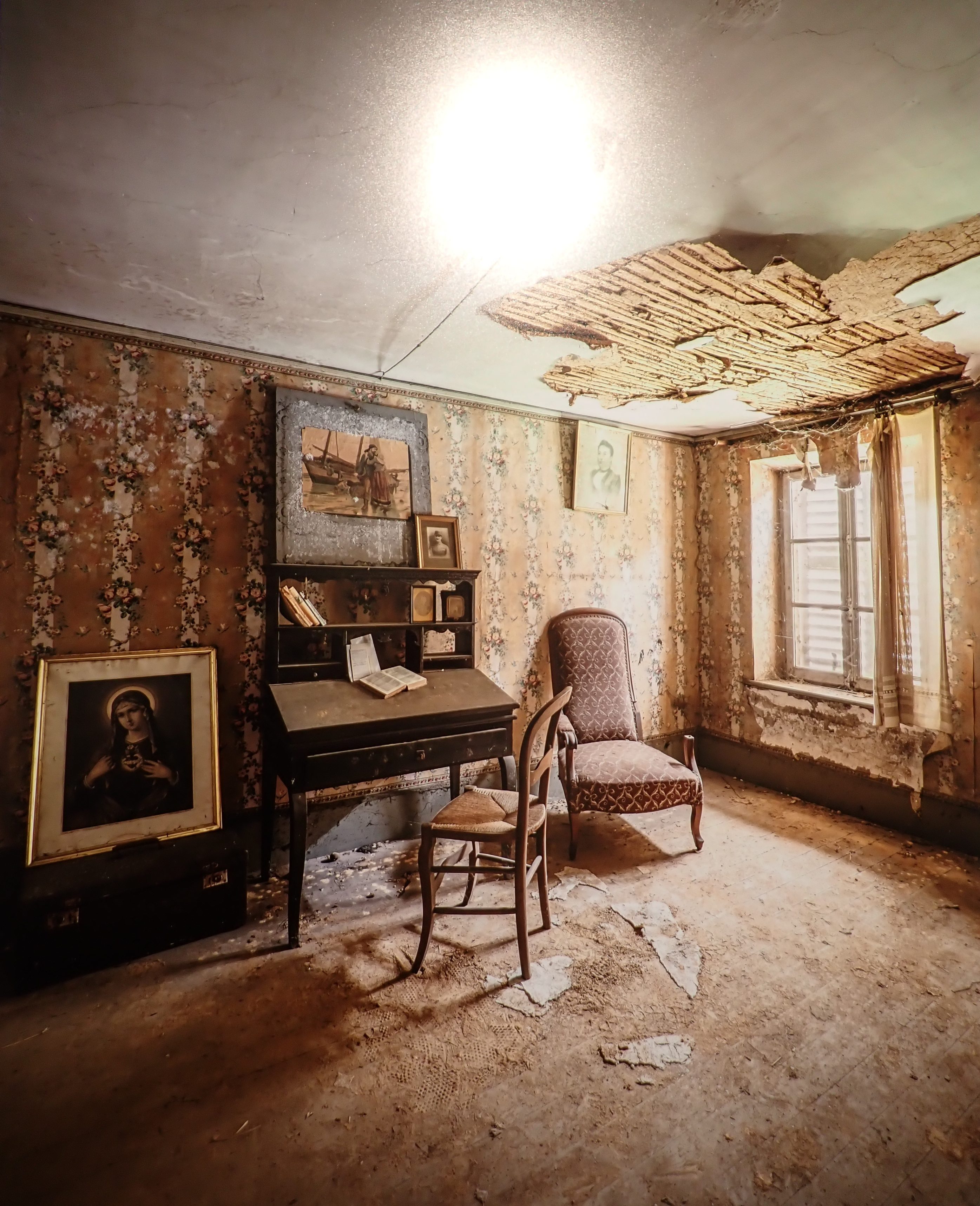
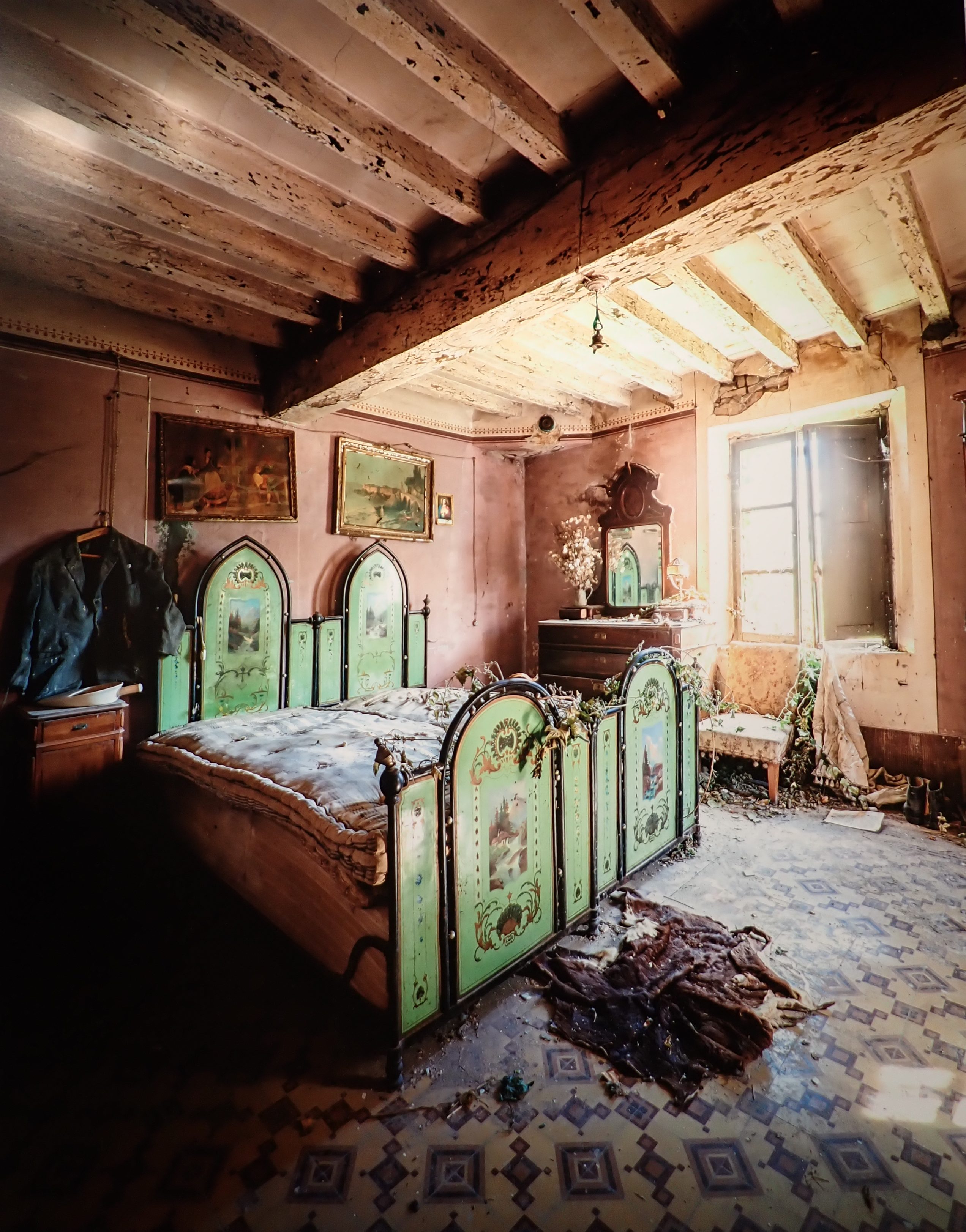
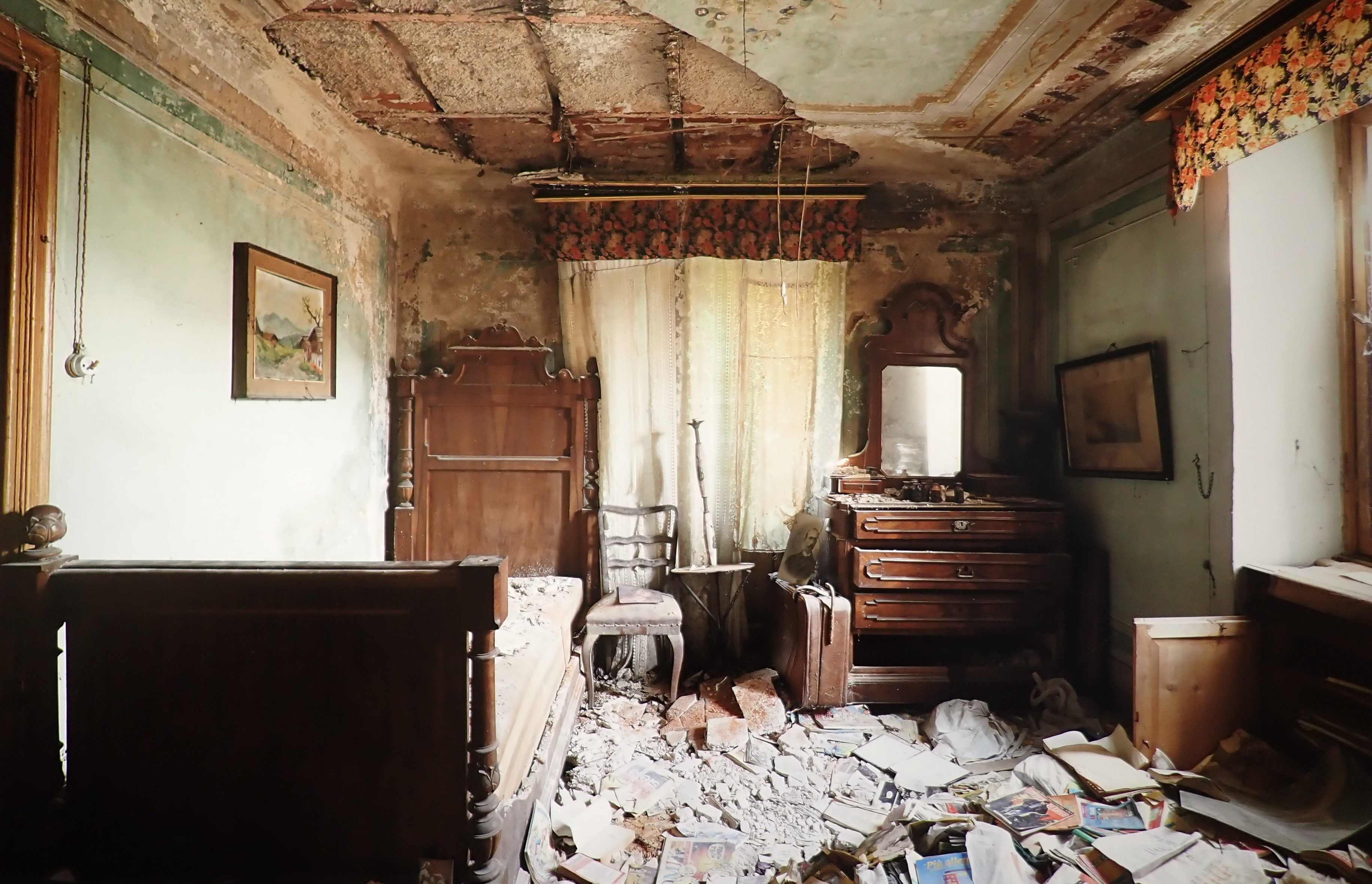
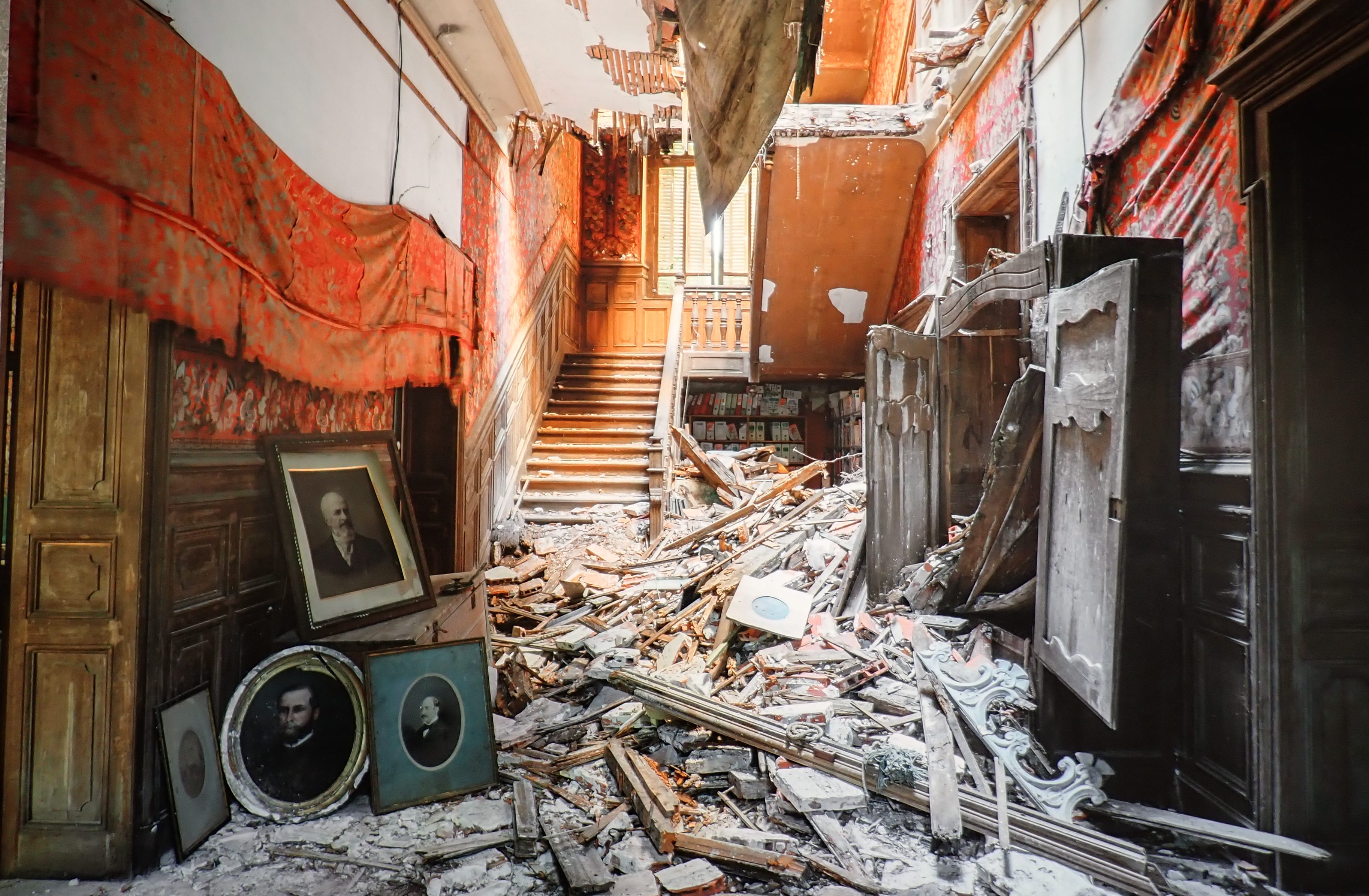
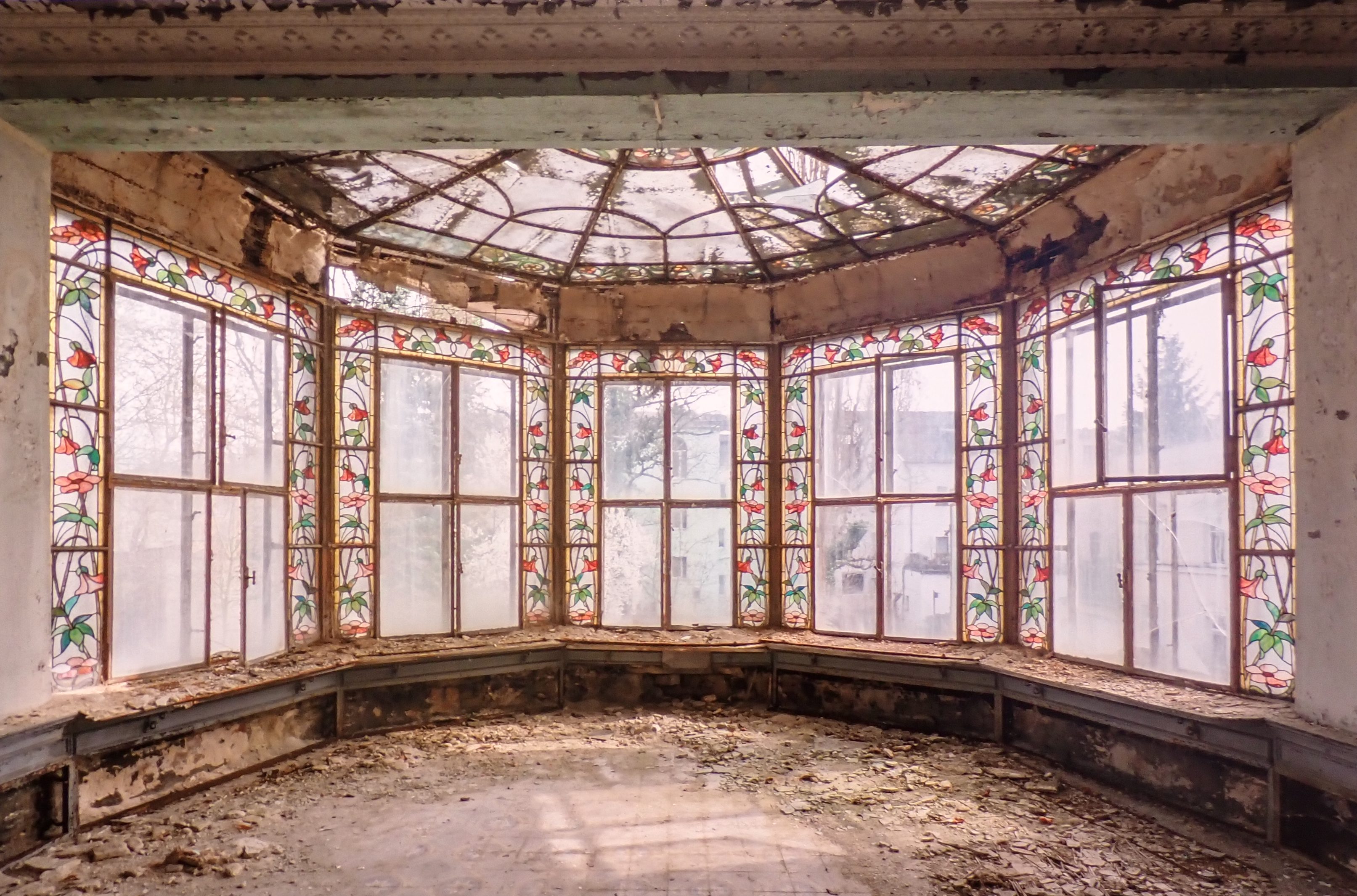
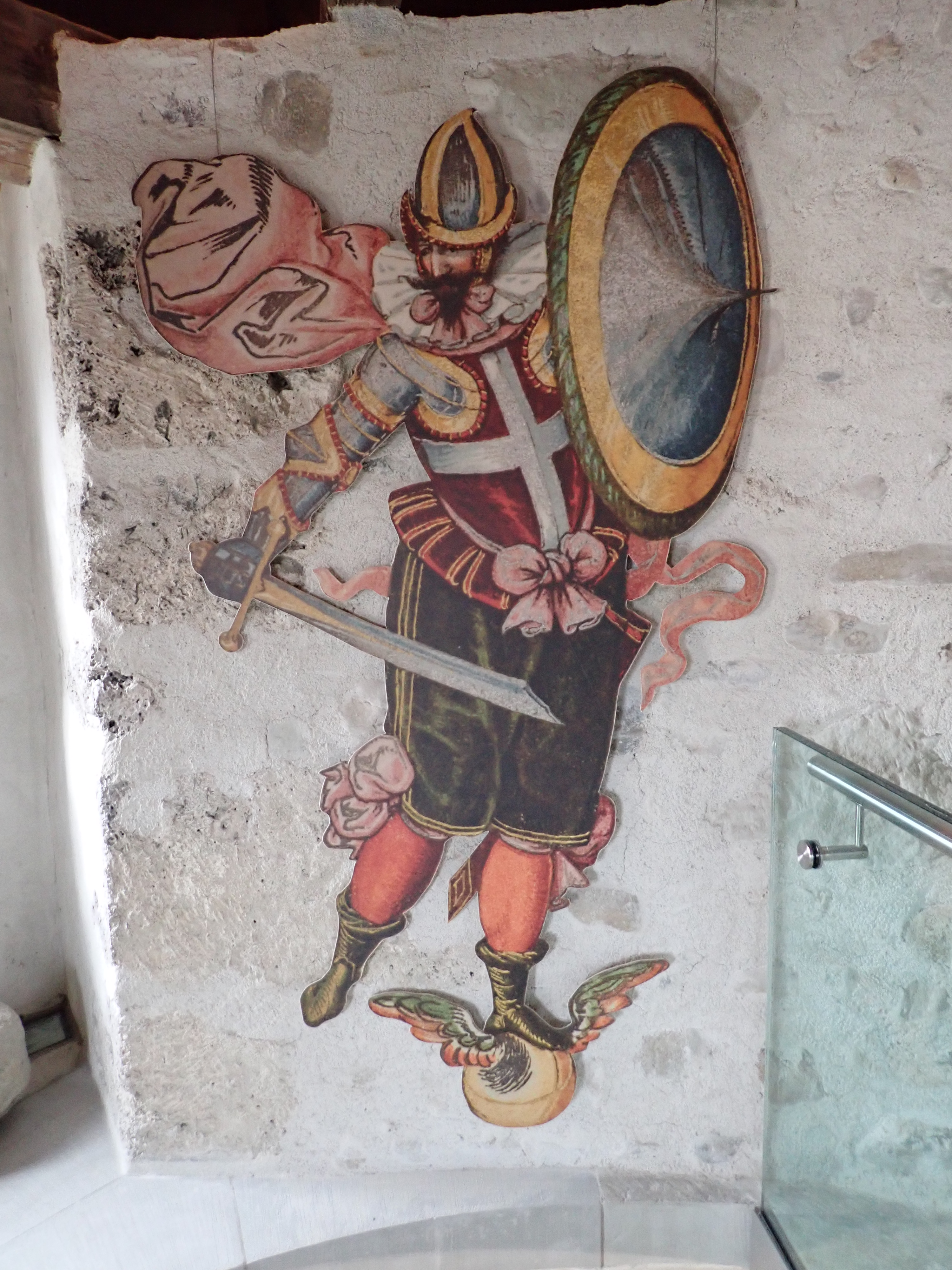
One of the exhibitions I enjoyed exploring is both a temporary photography exhibition capturing abandoned historic châteaux and villas as they are found decades later, and permanent displays showing how the castle’s own historic rooms evolved over centuries.
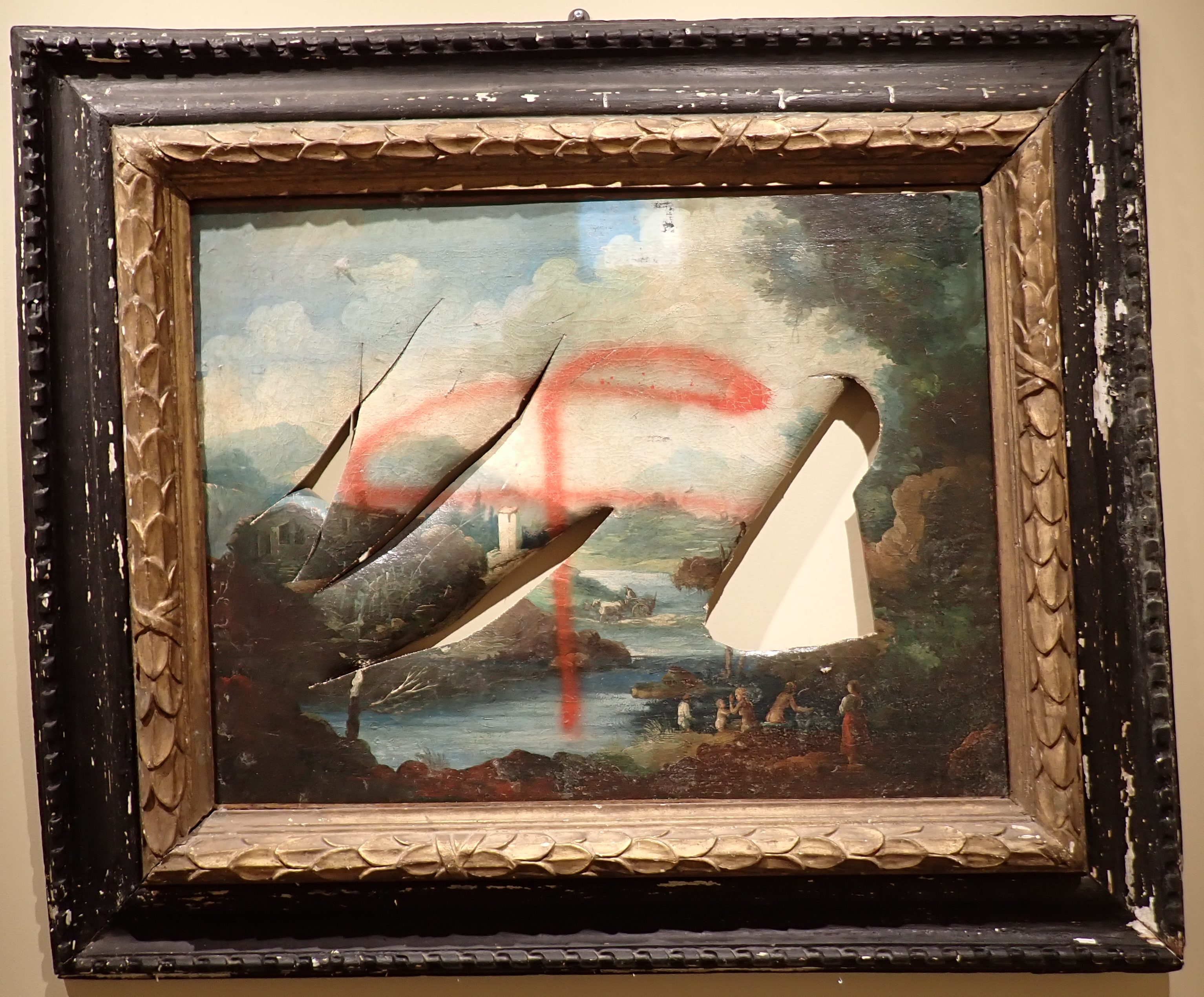
As someone who loves exploring old castles & palaces seeing this pictures added a new dimension to the work done to restore these historic places, fascinating. One artifact I found crazy was this desecrated picture. Whoever did this could possibly have sold this antique painting for hundreds but rather desecrated it, what a waste.