
Morges, Vaud
THE LOWDOWN
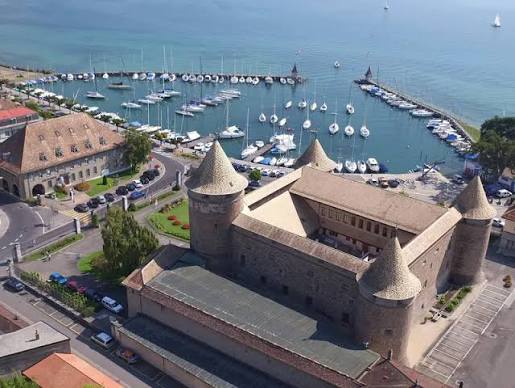
Morges is a proper castle. The building itself is more fort like than fairytale castle, none of this elegant country mansion business.
Built around 1286 by Louis of Savoy, it was designed to protect the growing town of Morges and strengthen Savoy’s control over the northern shores of Lake Geneva. It’s a big, solid square fortress with four corner towers and thick stone walls. Not particularly romantic, perhaps, but exactly the sort of place you’d want if someone was planning to attack you.
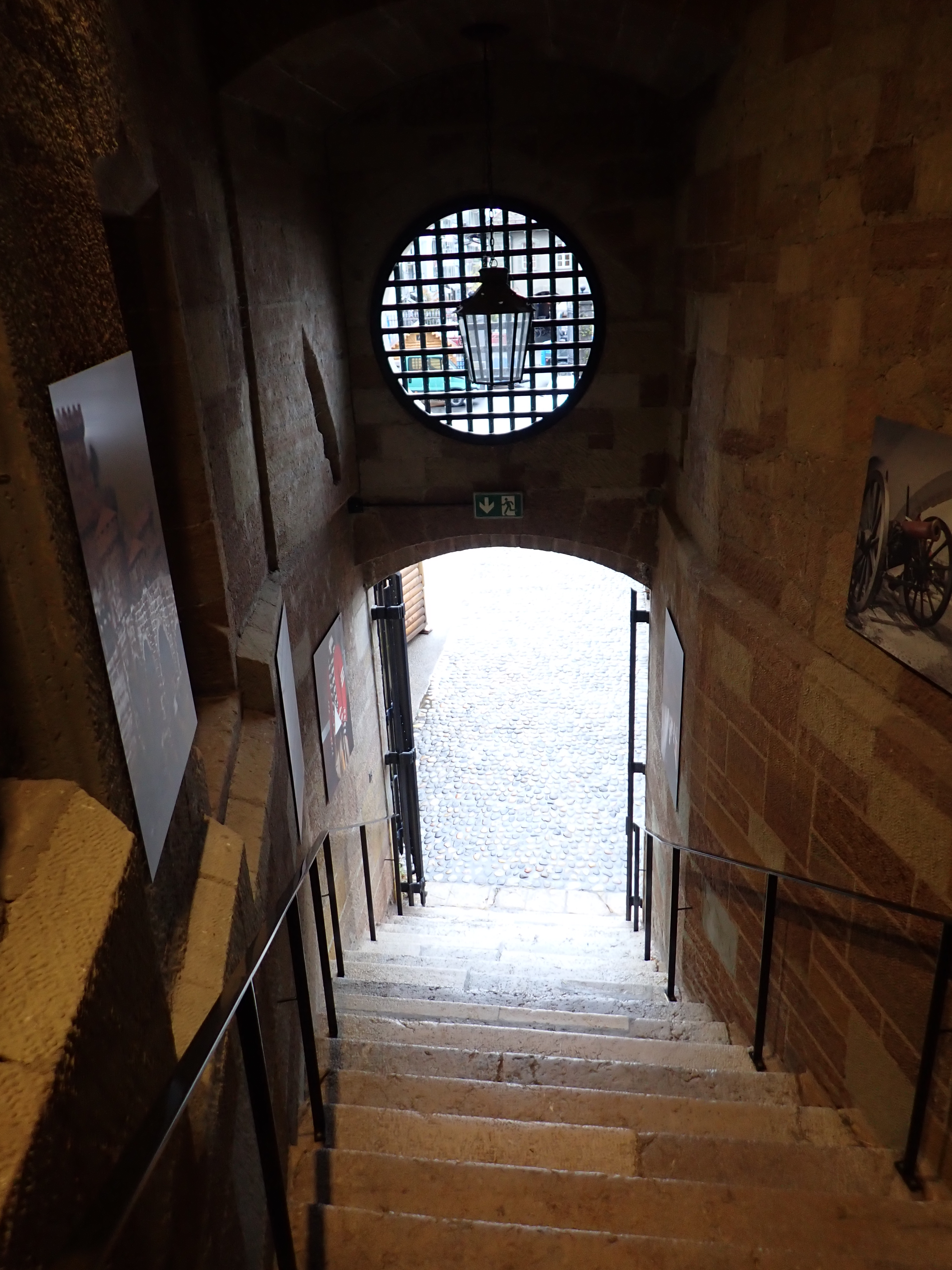
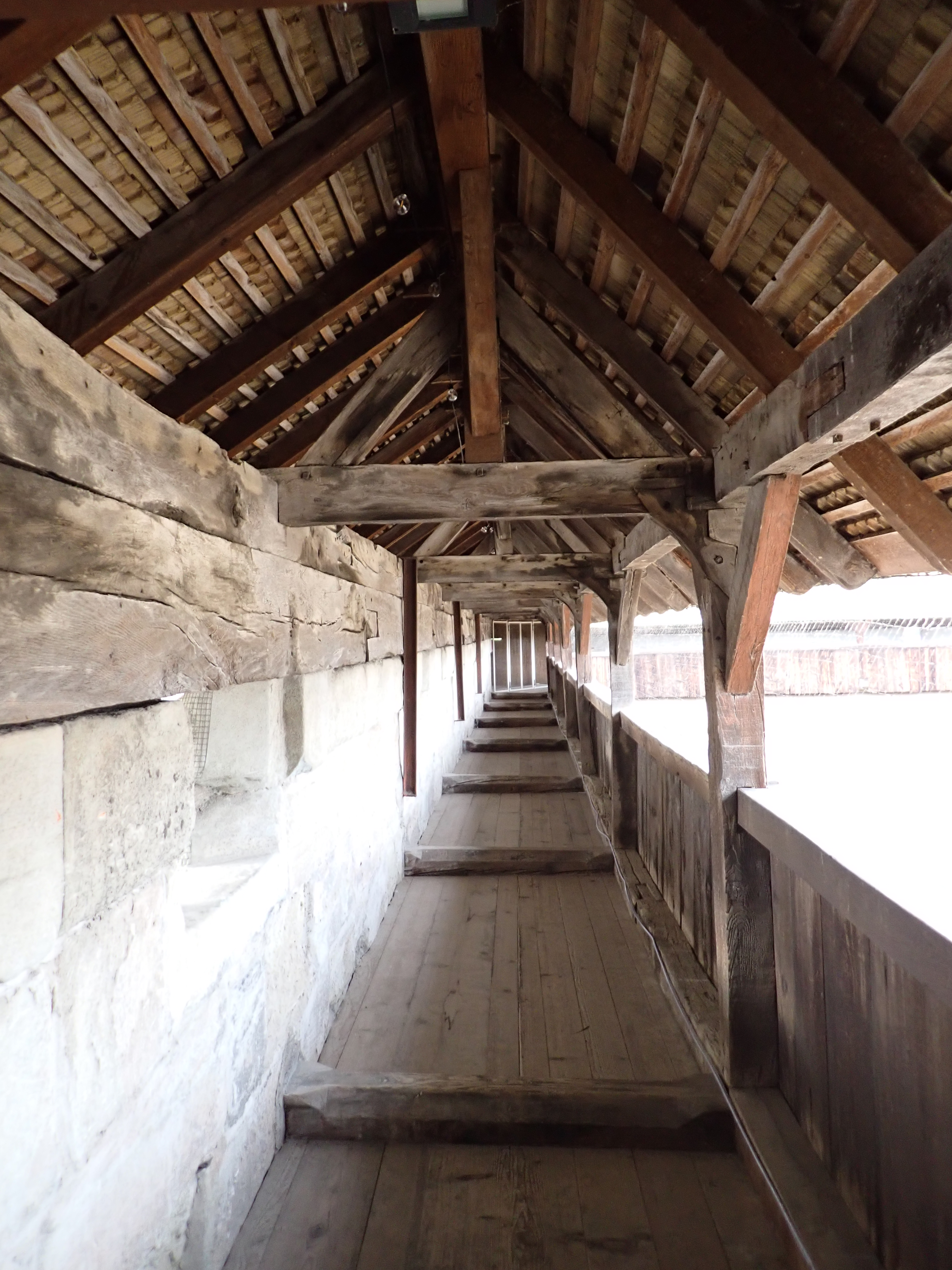
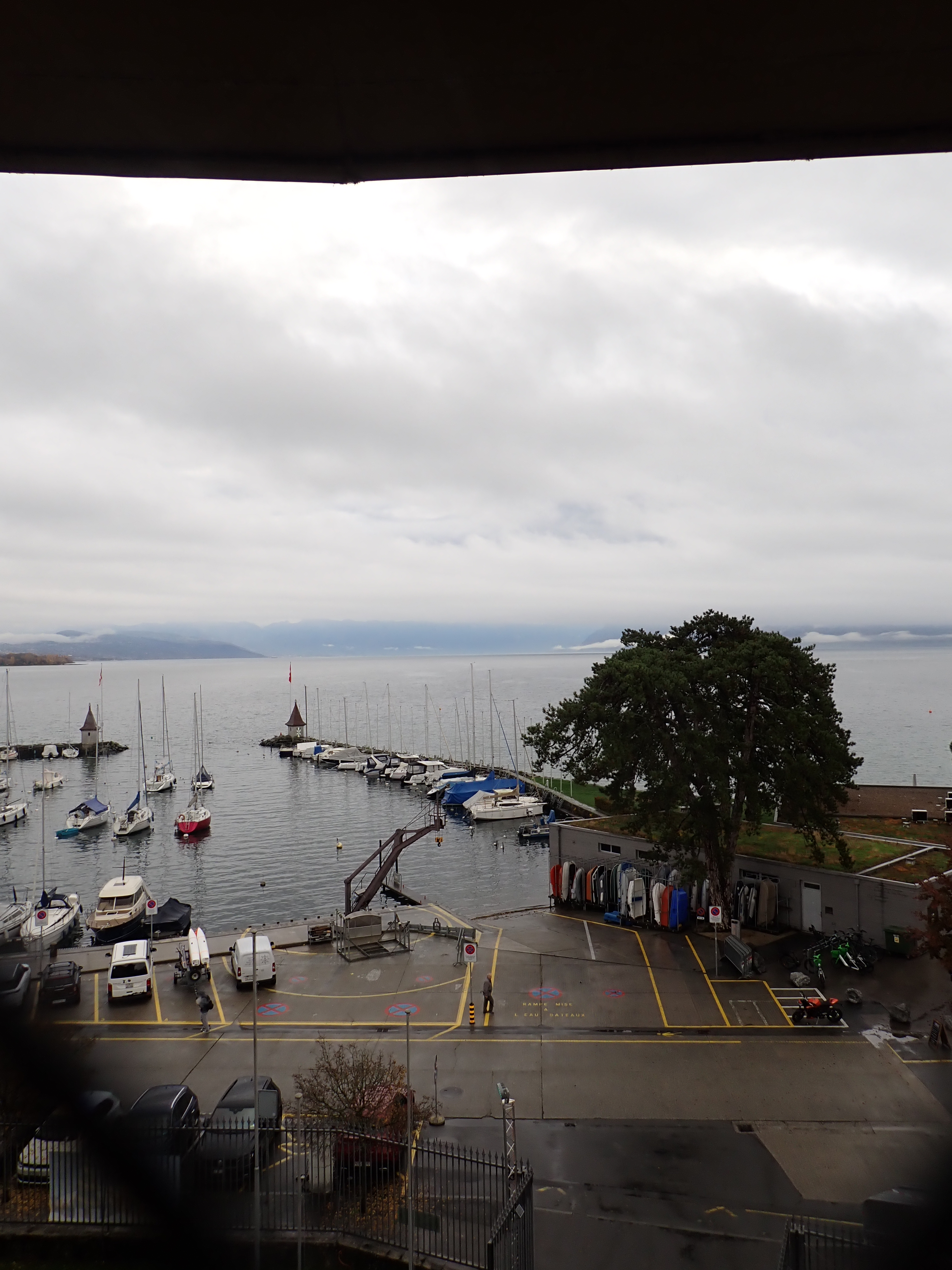
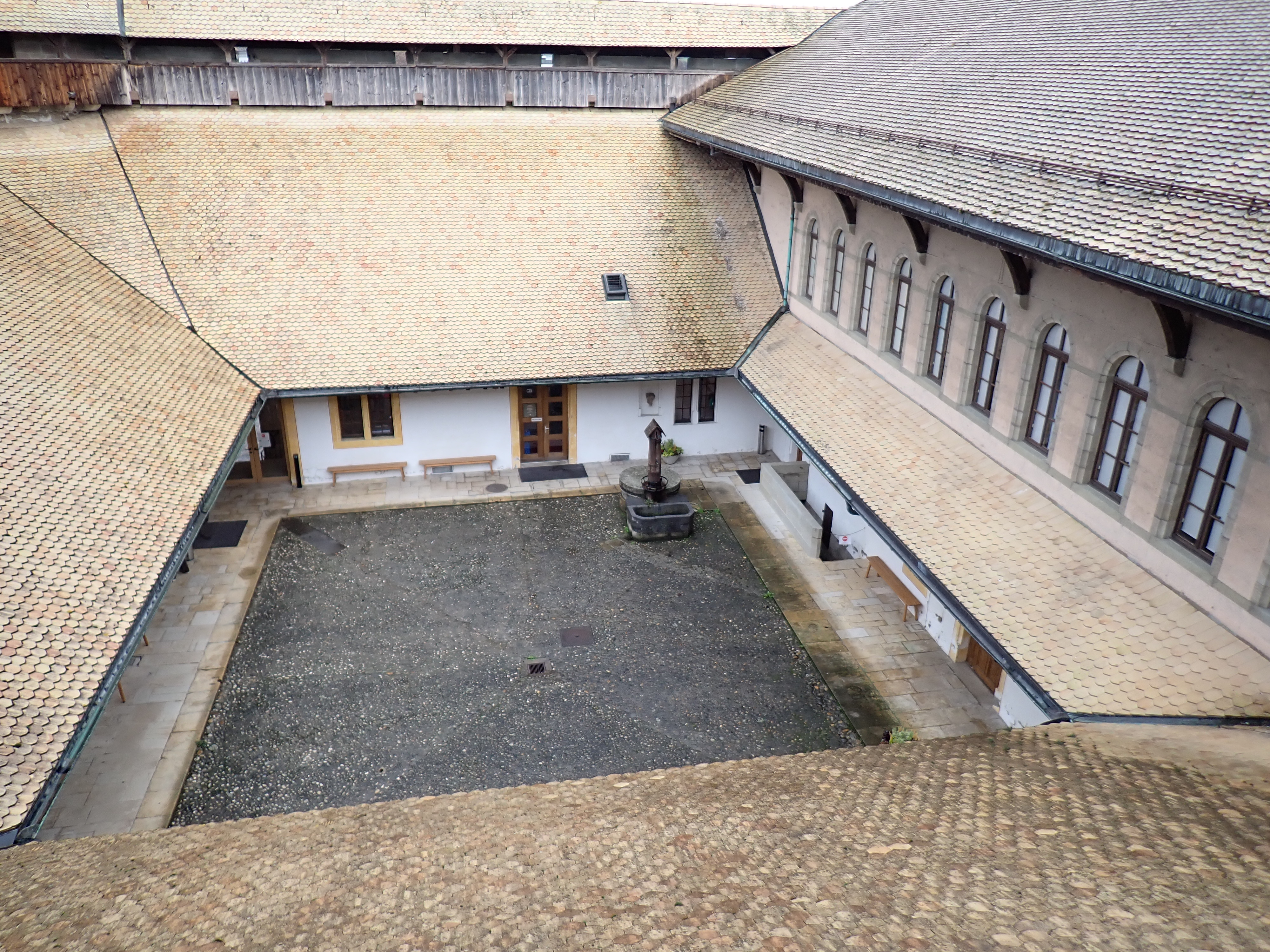
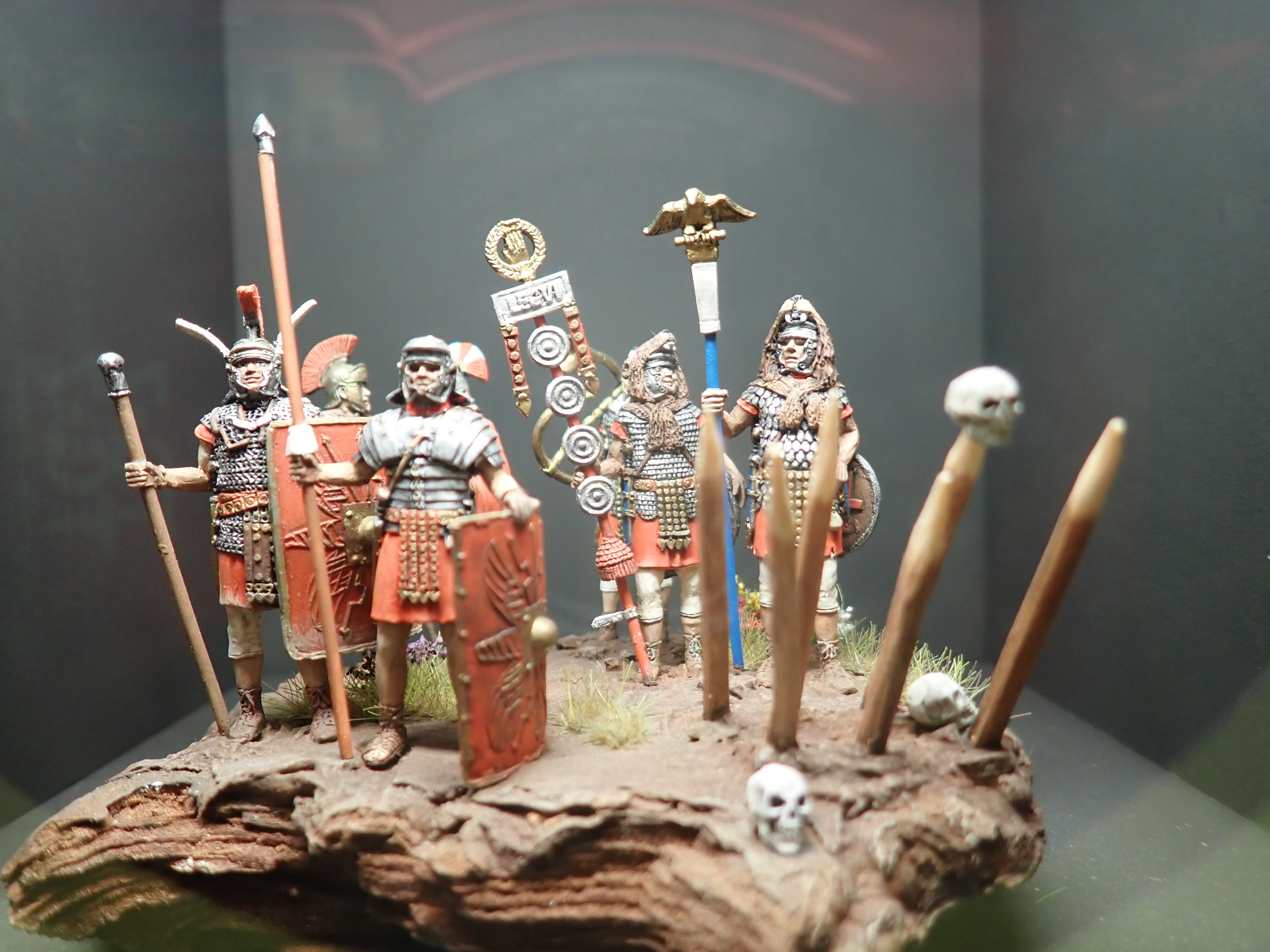
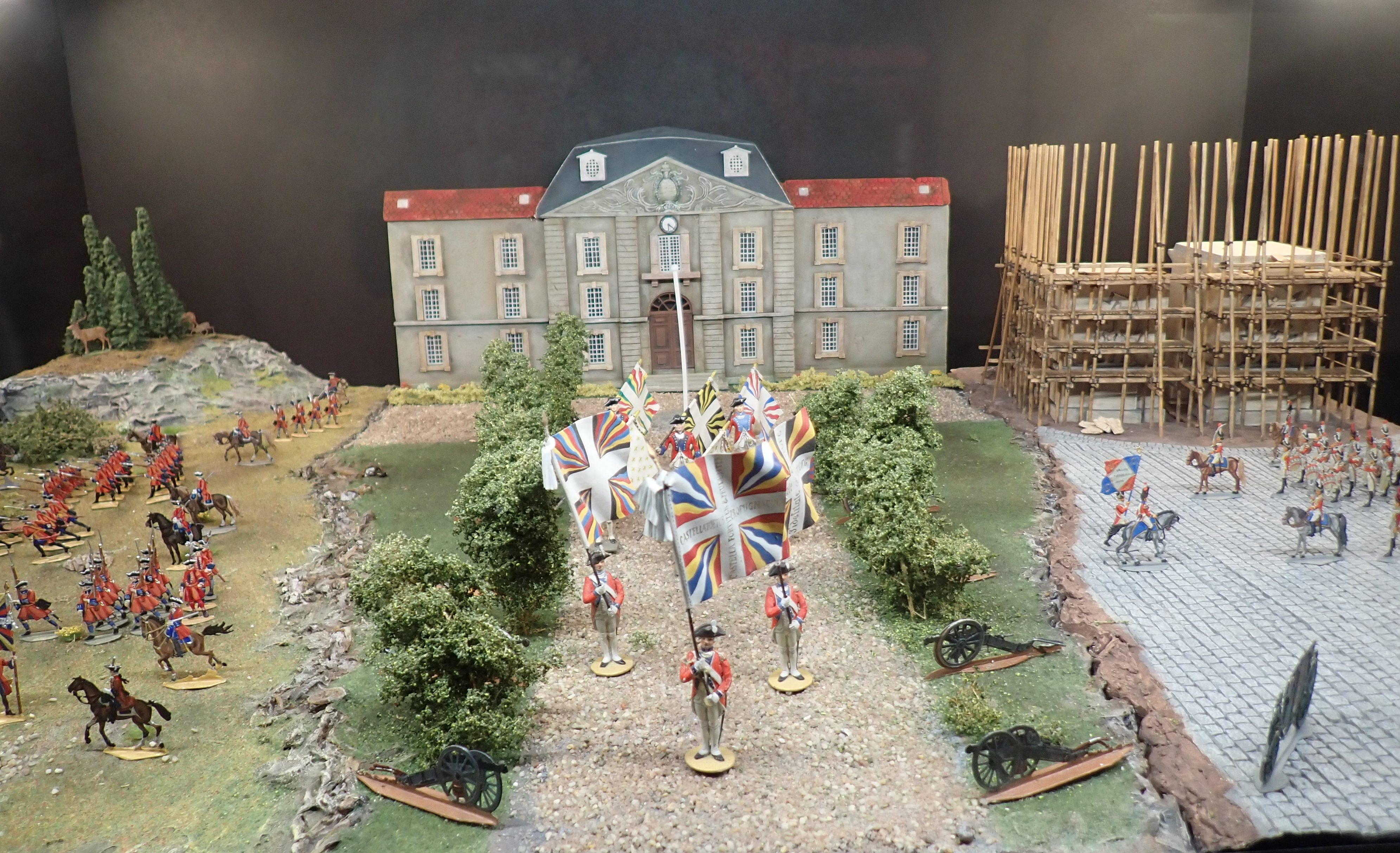
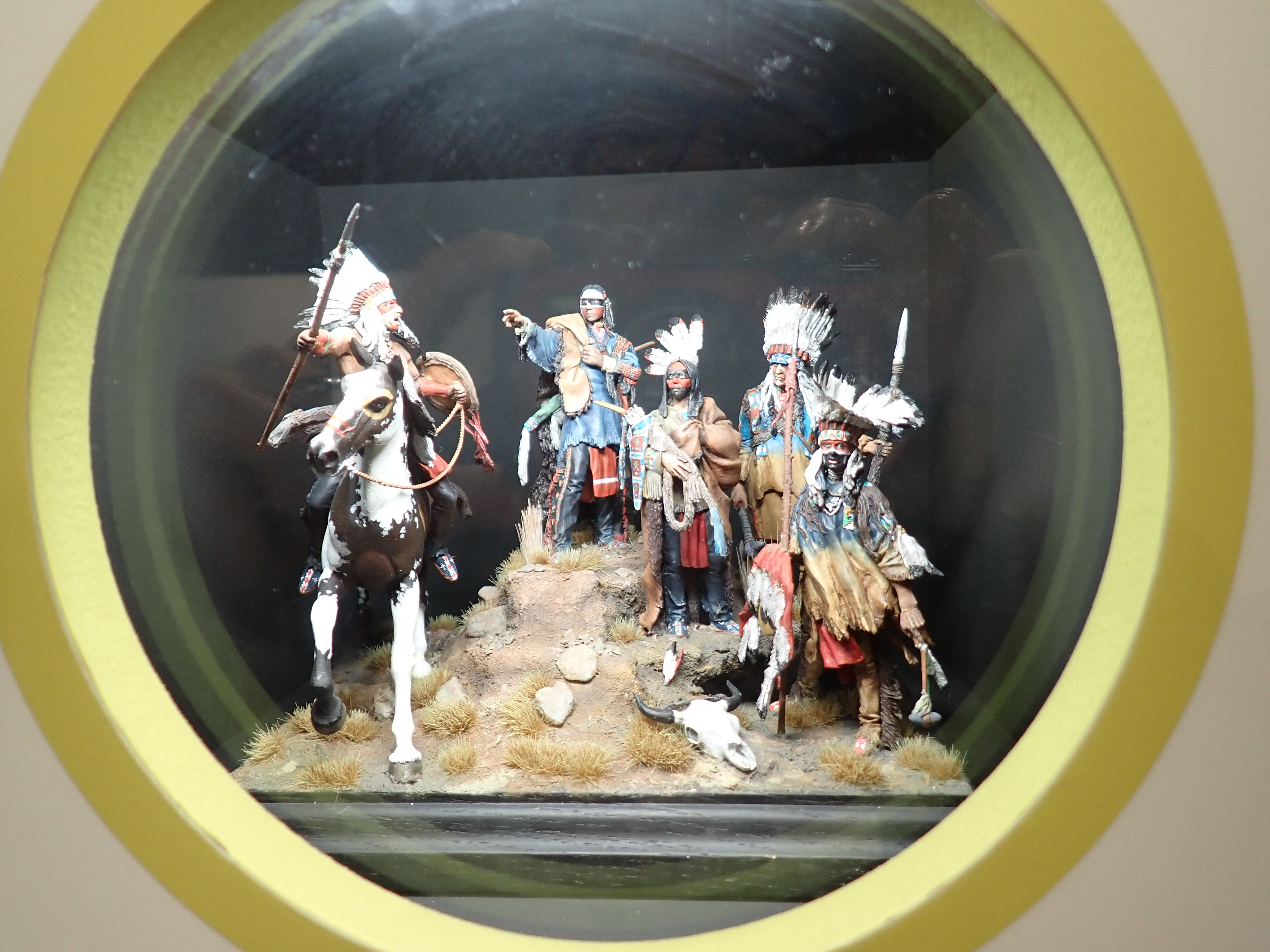
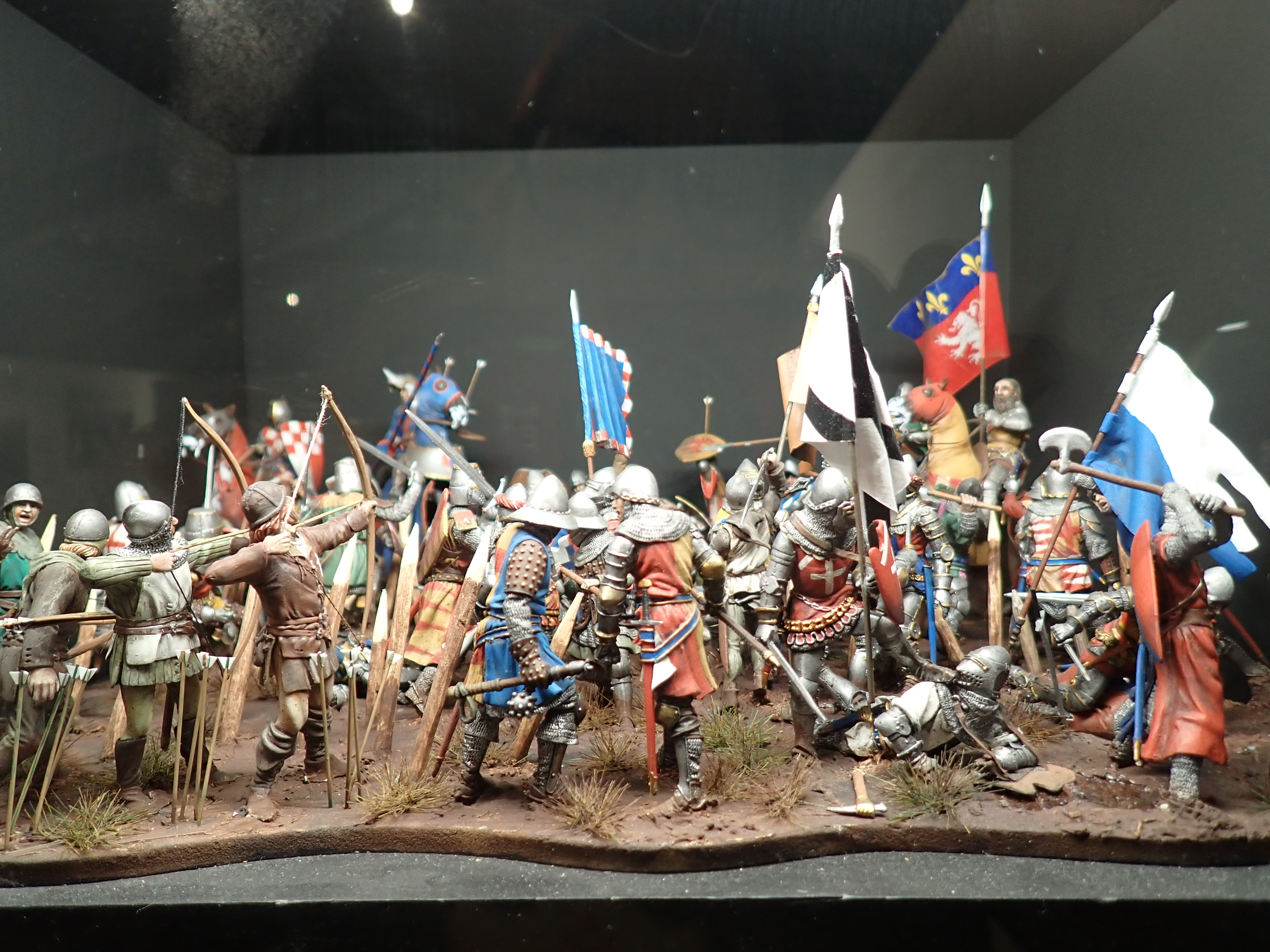
Today, the castle houses several military museums, including collections of weapons, artillery, military uniforms and thousands of miniature soldiers. And I mean thousands.
ROUND THE CASTLE
What makes Morges different from most of the castles on this list is that it has never really shaken off its military past. After Bern conquered Vaud in 1536, the castle became an administrative centre, but it also continued to play a role in regional defence. Following the creation of the Canton of Vaud in 1803, it was used as an arsenal, storing military equipment and weapons.
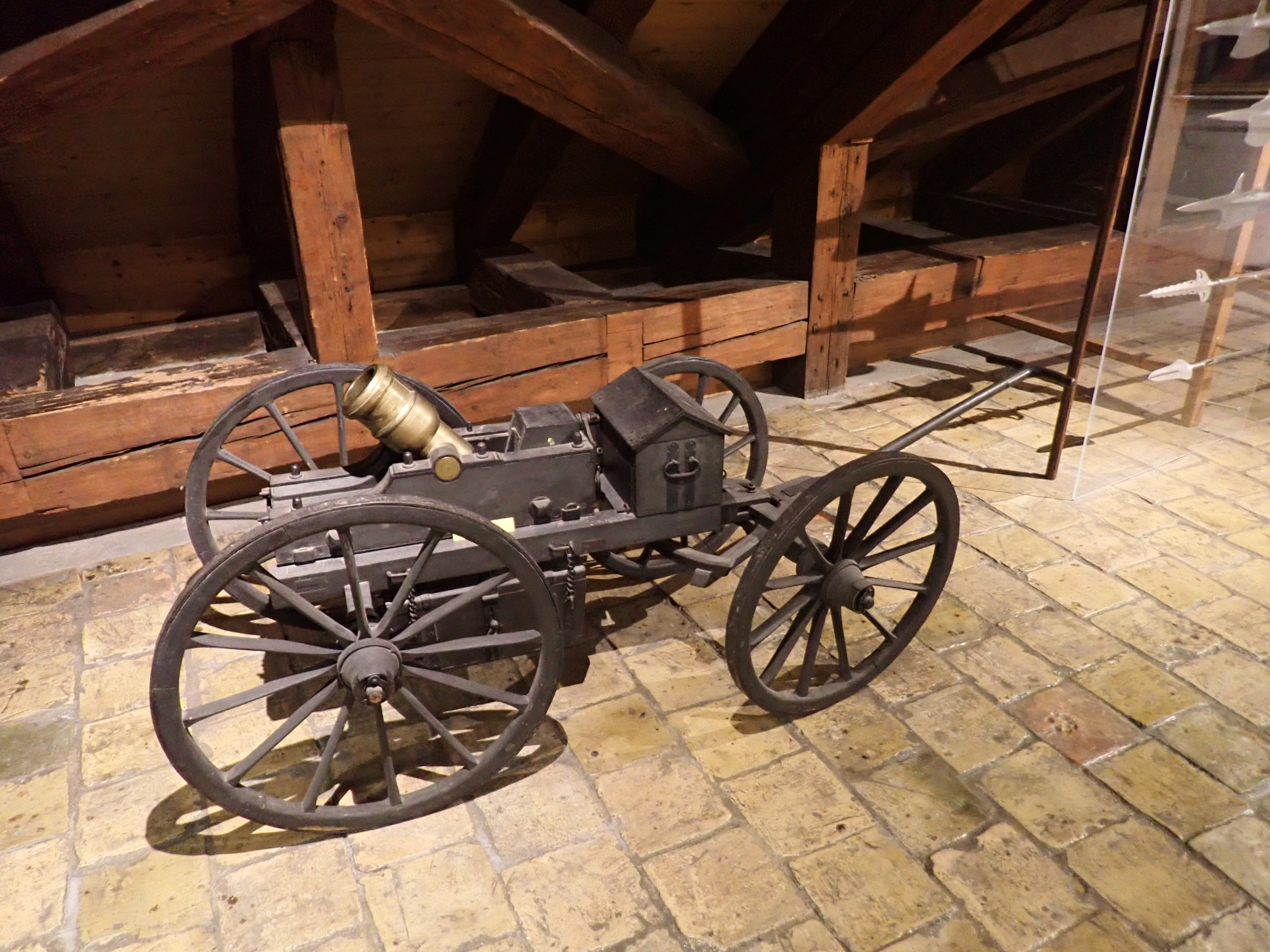
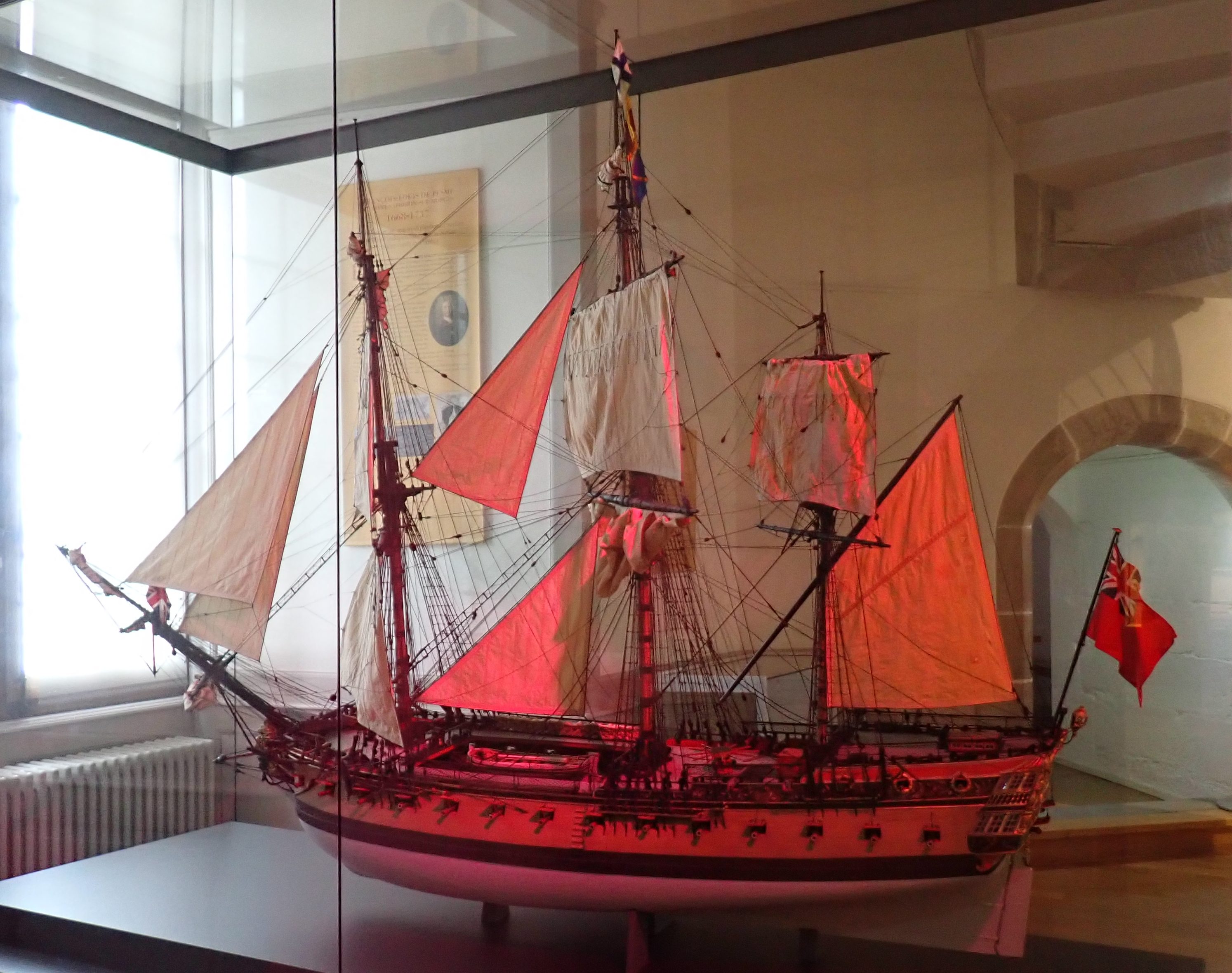
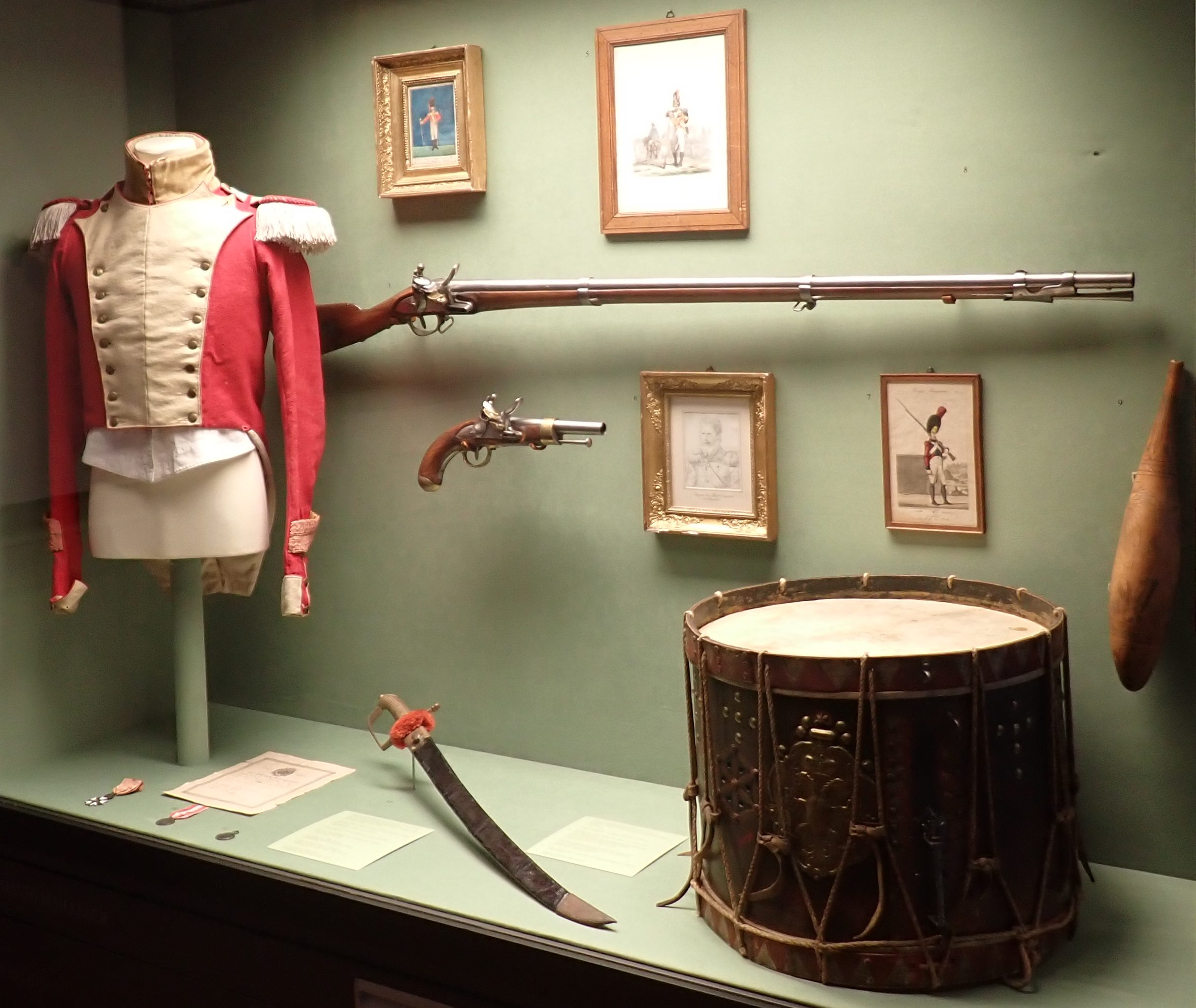
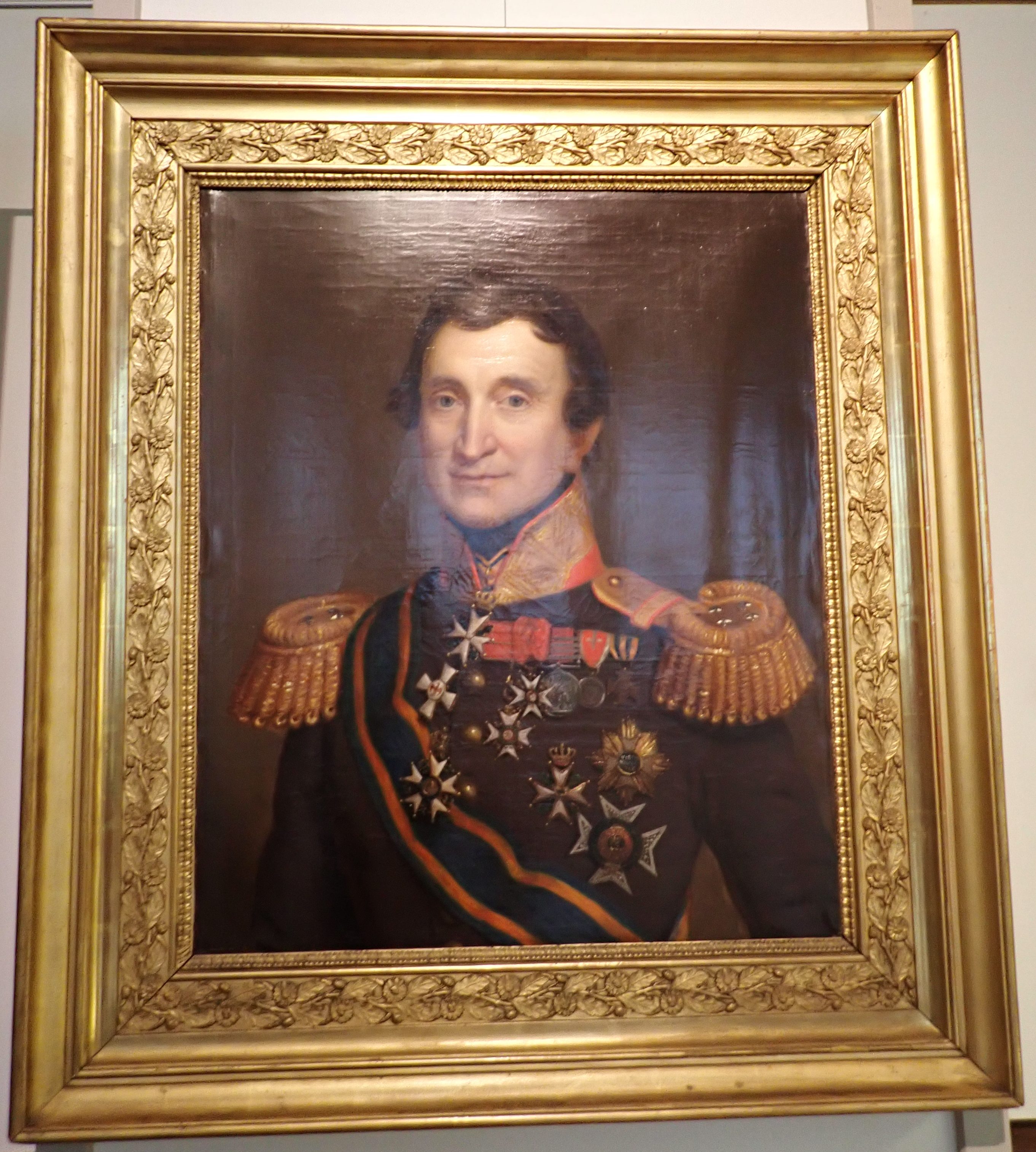
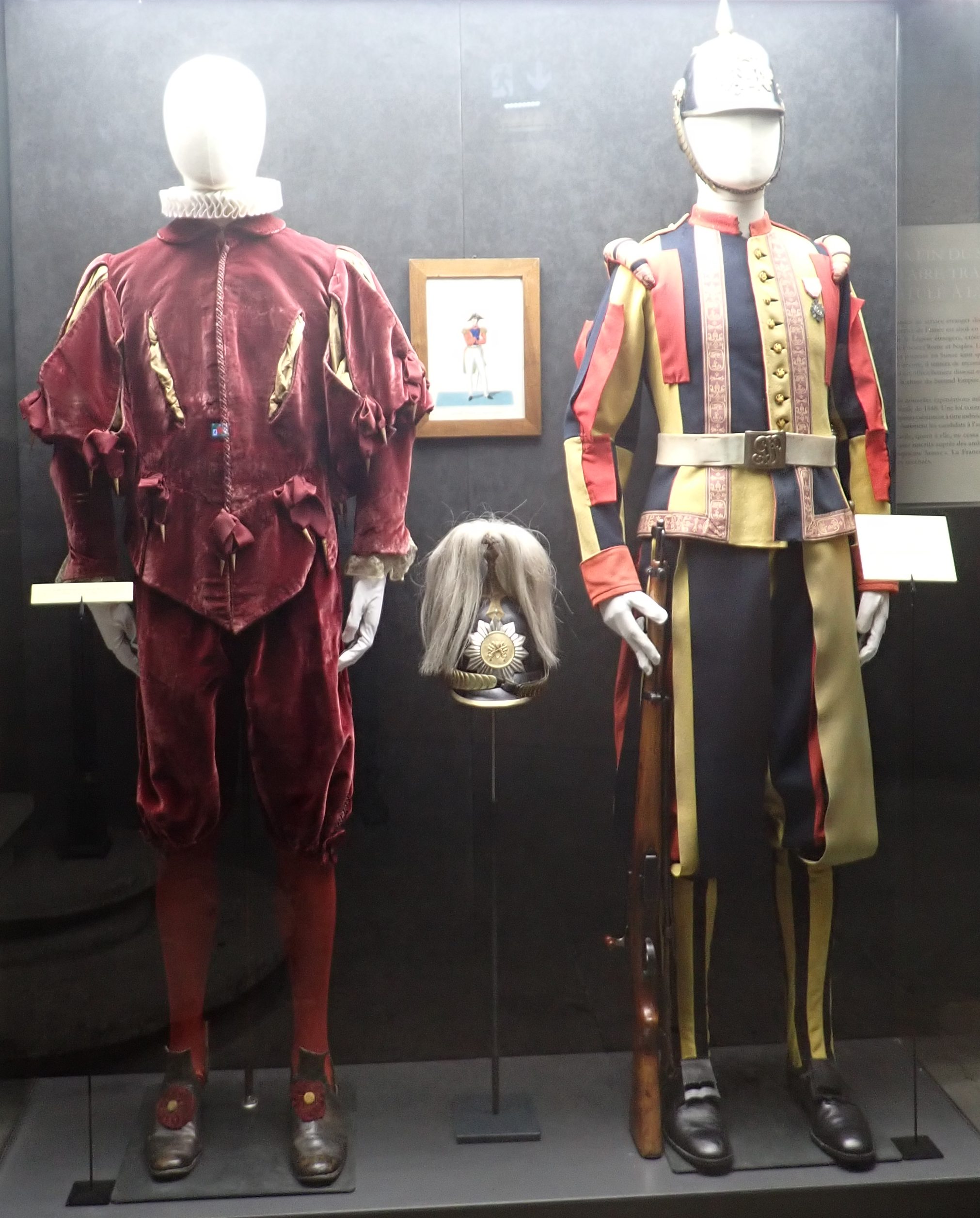
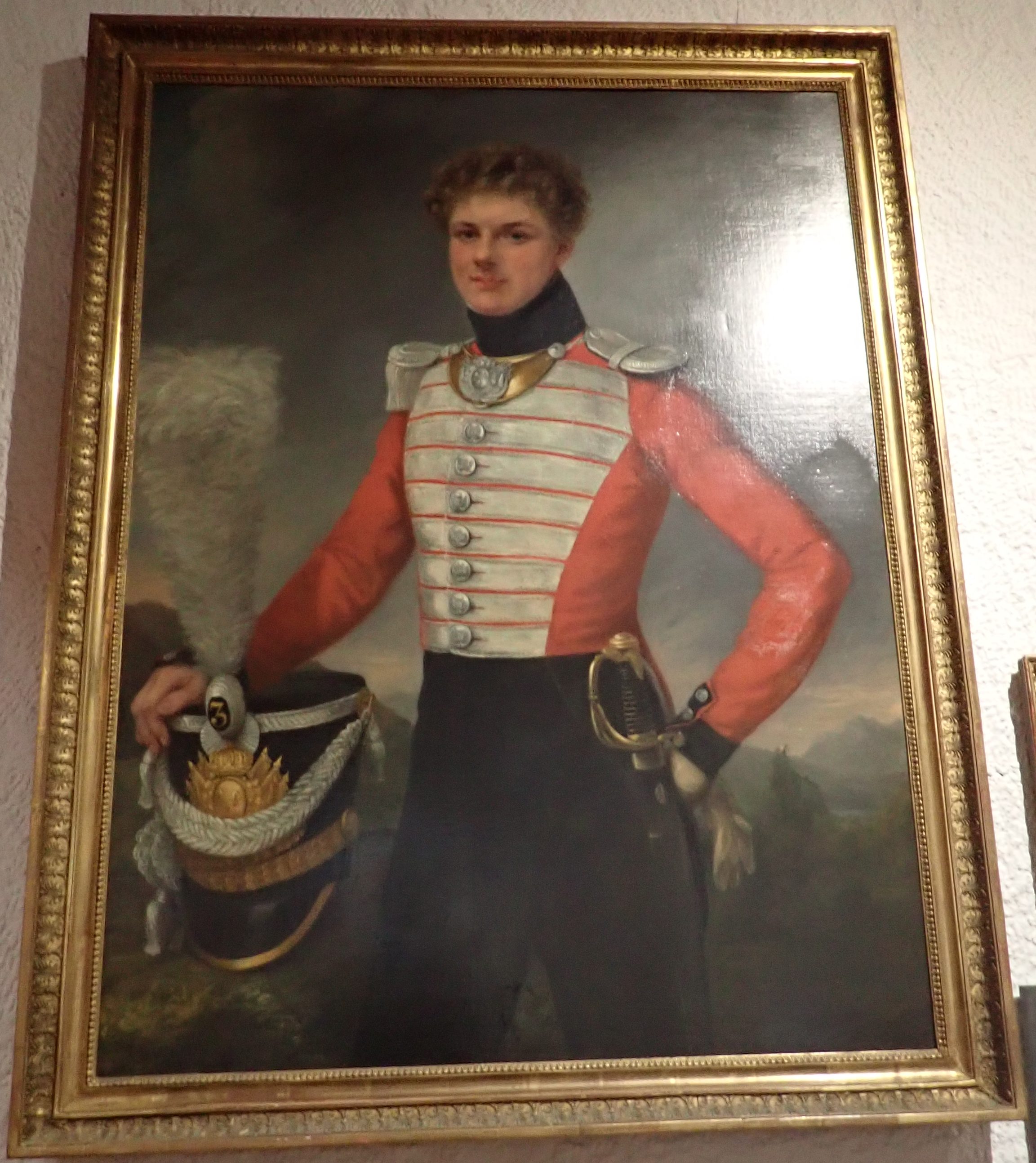
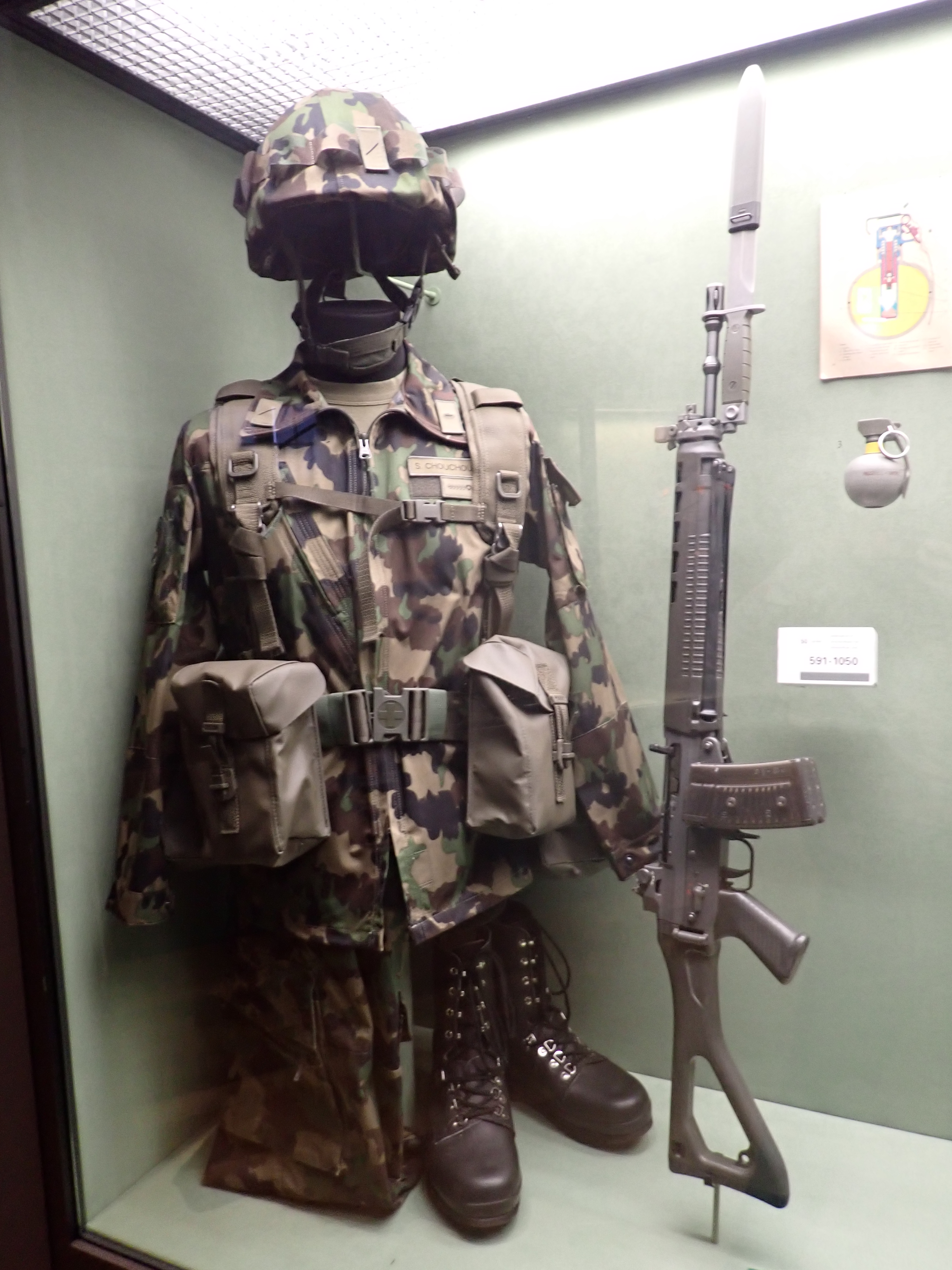
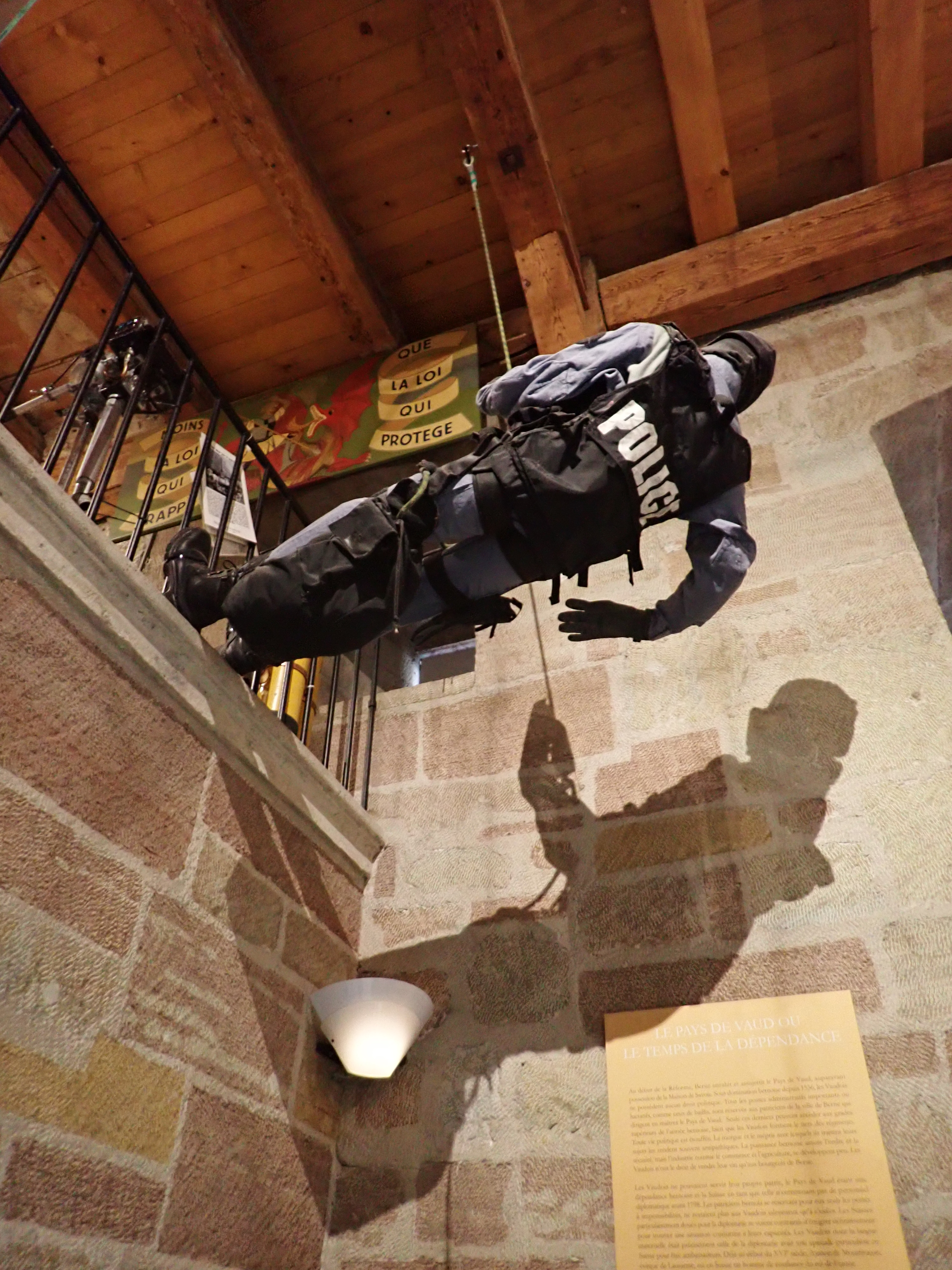
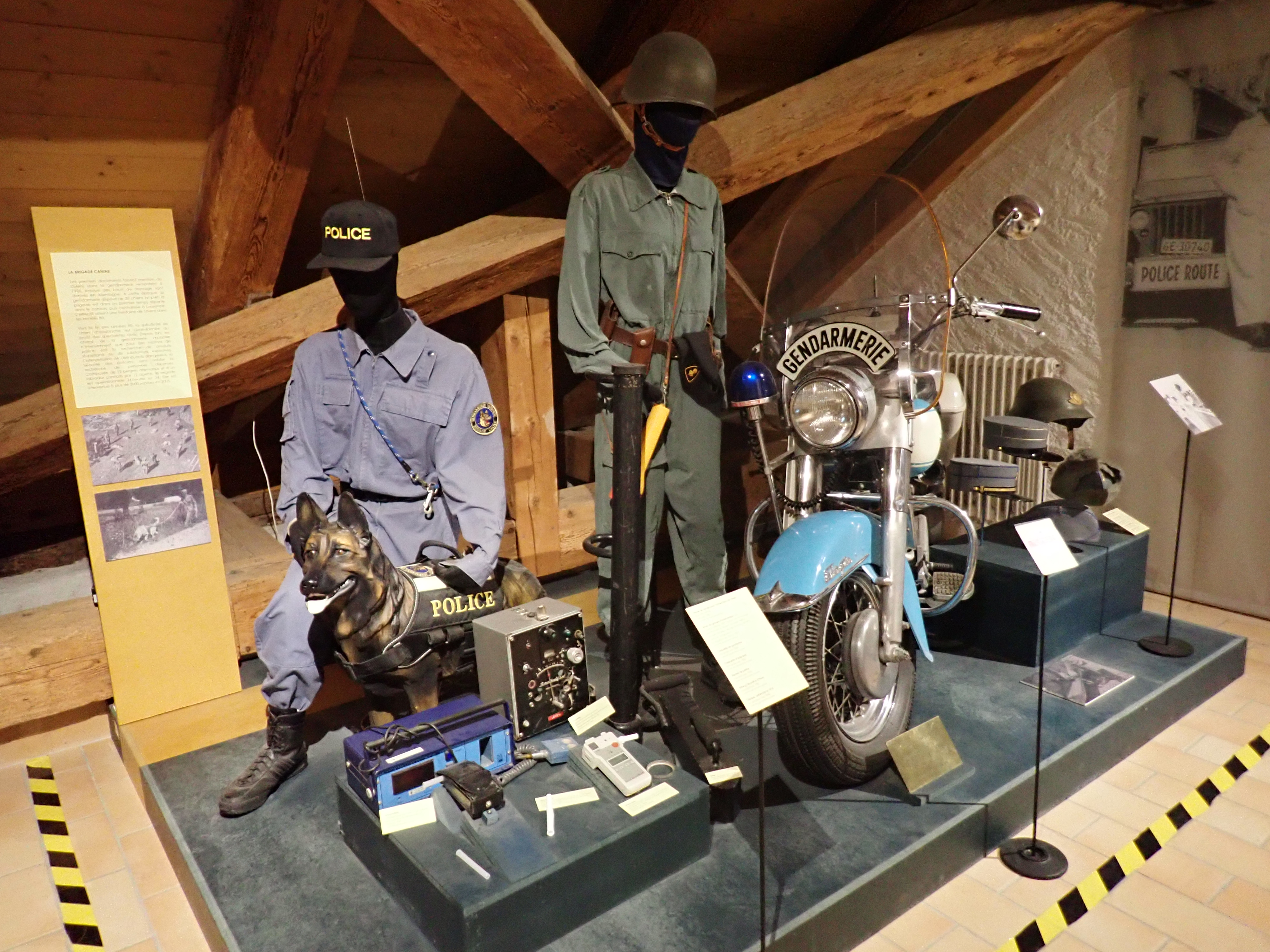
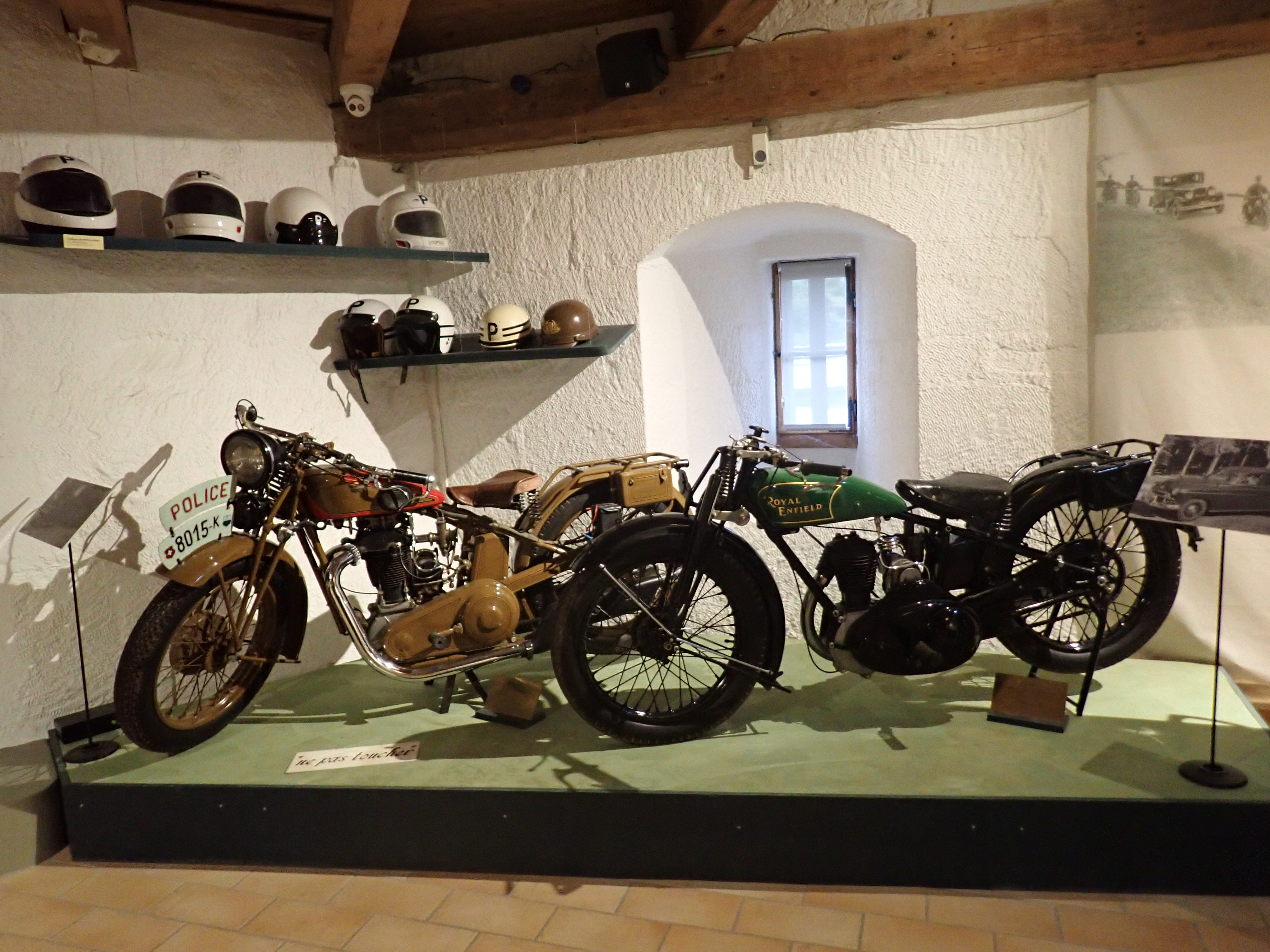
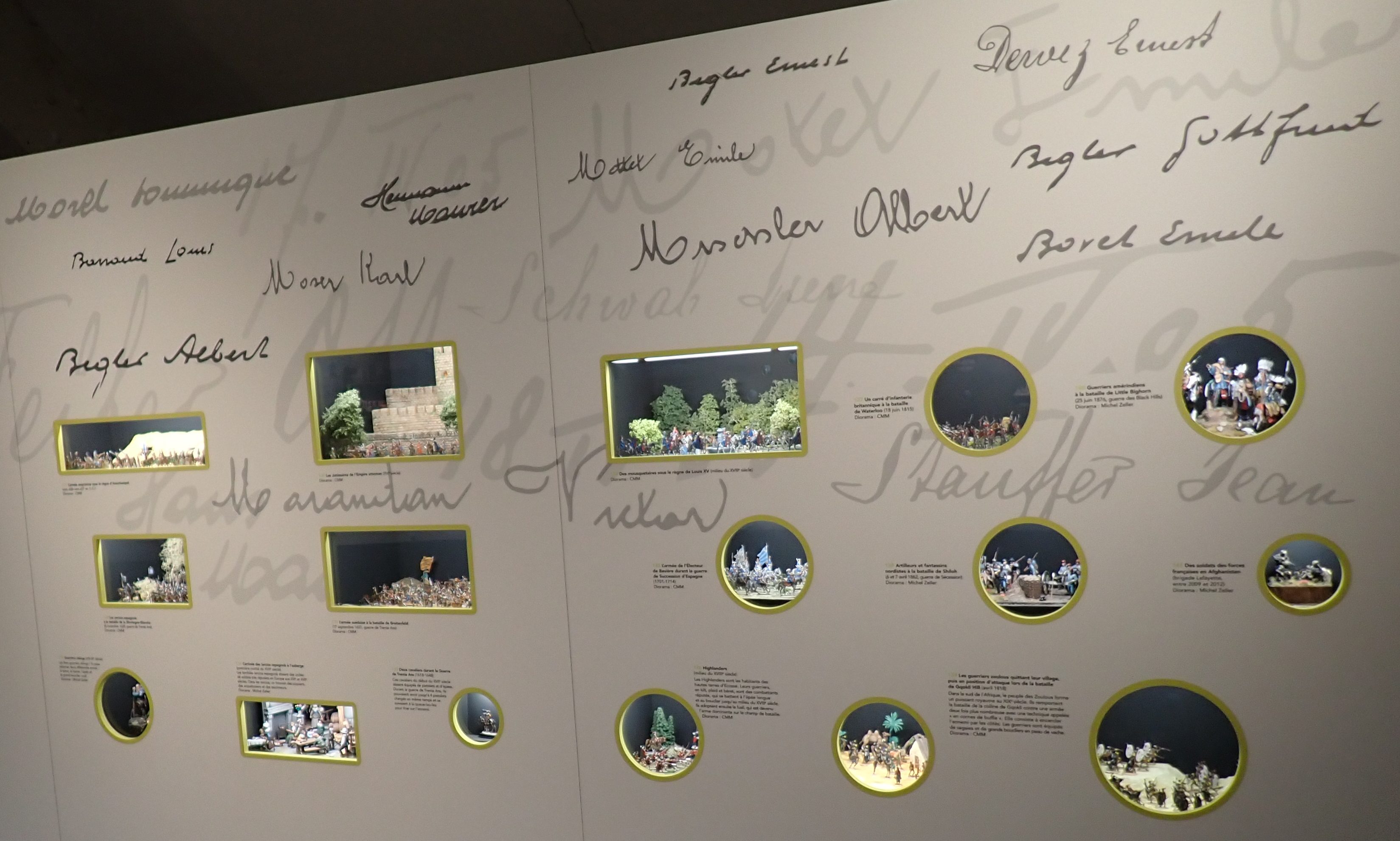
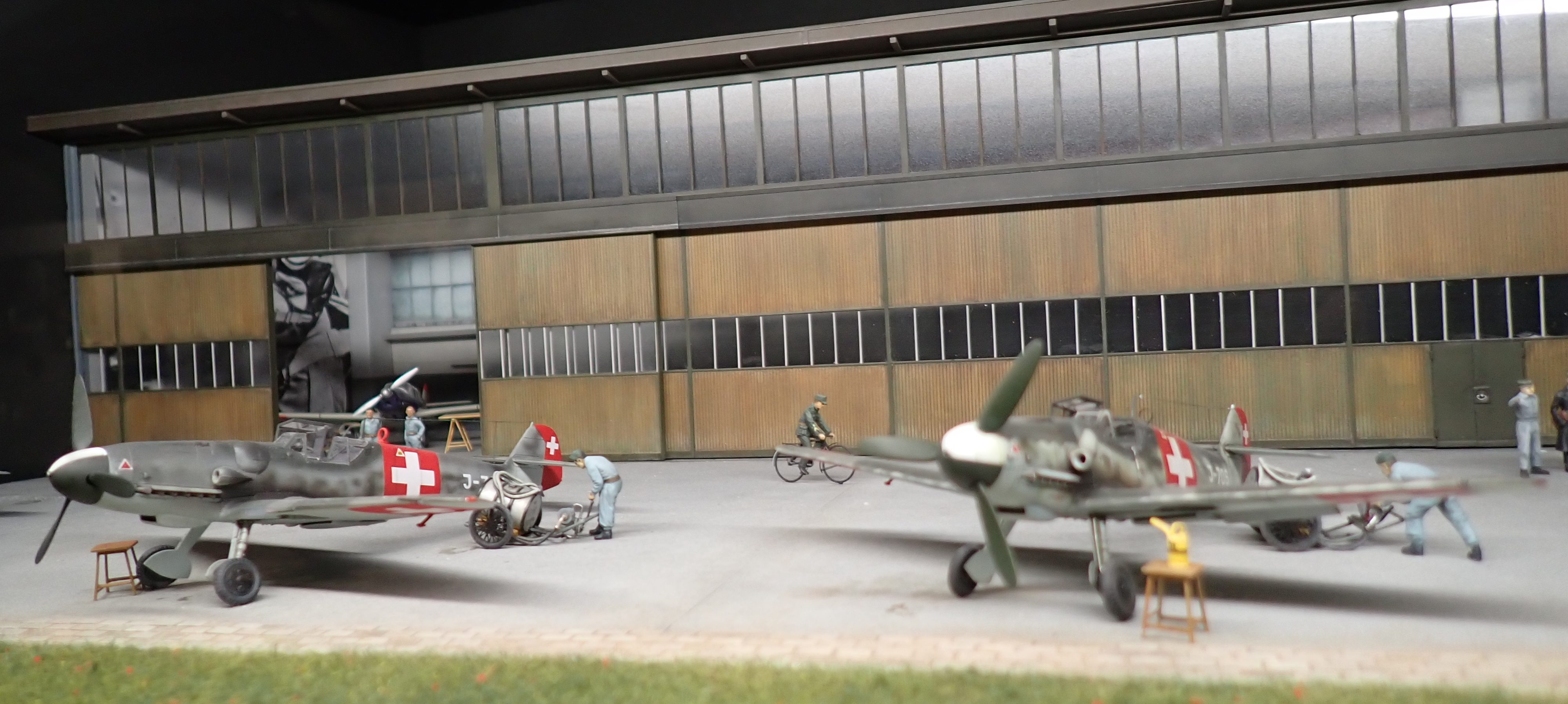
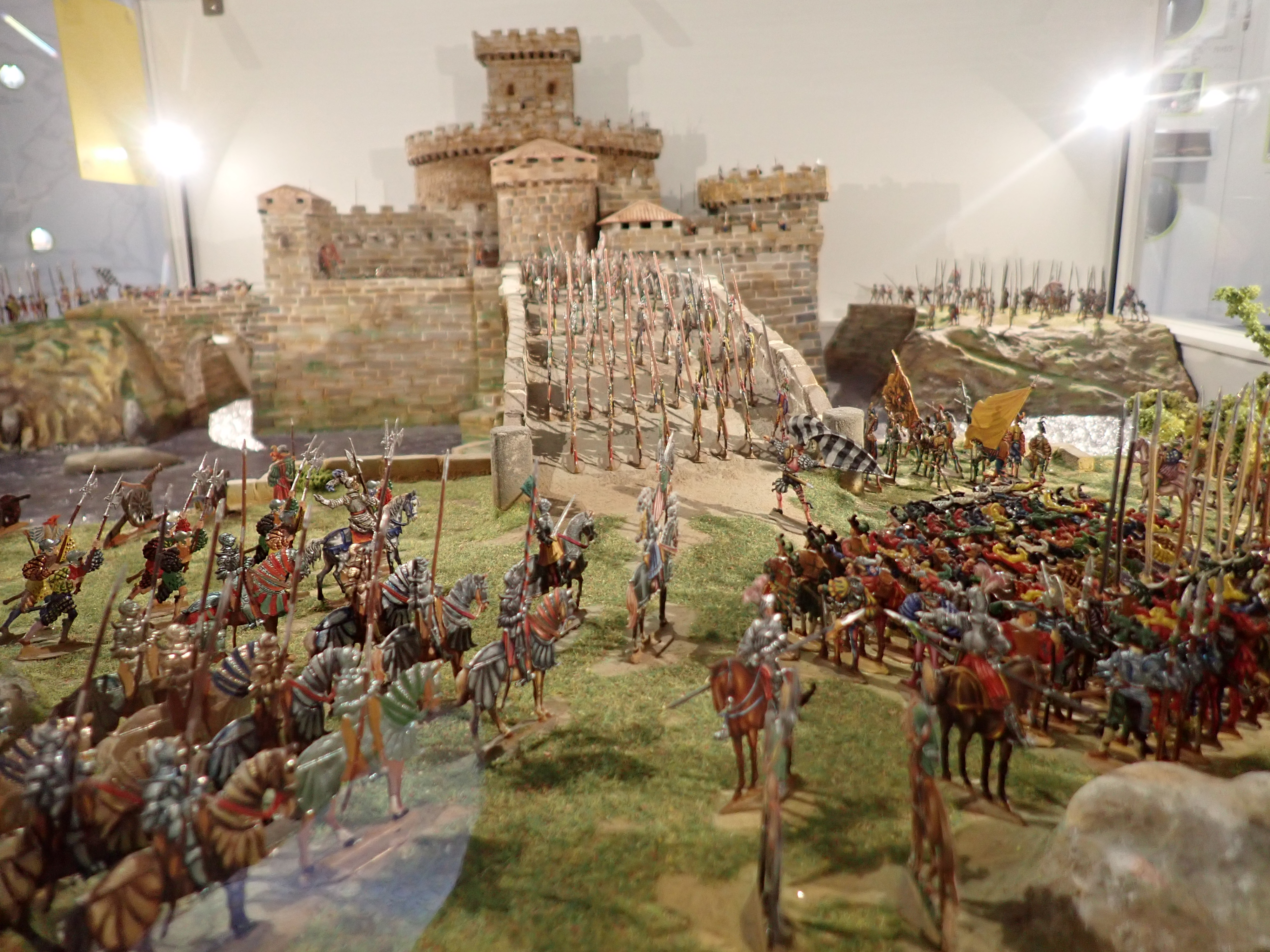
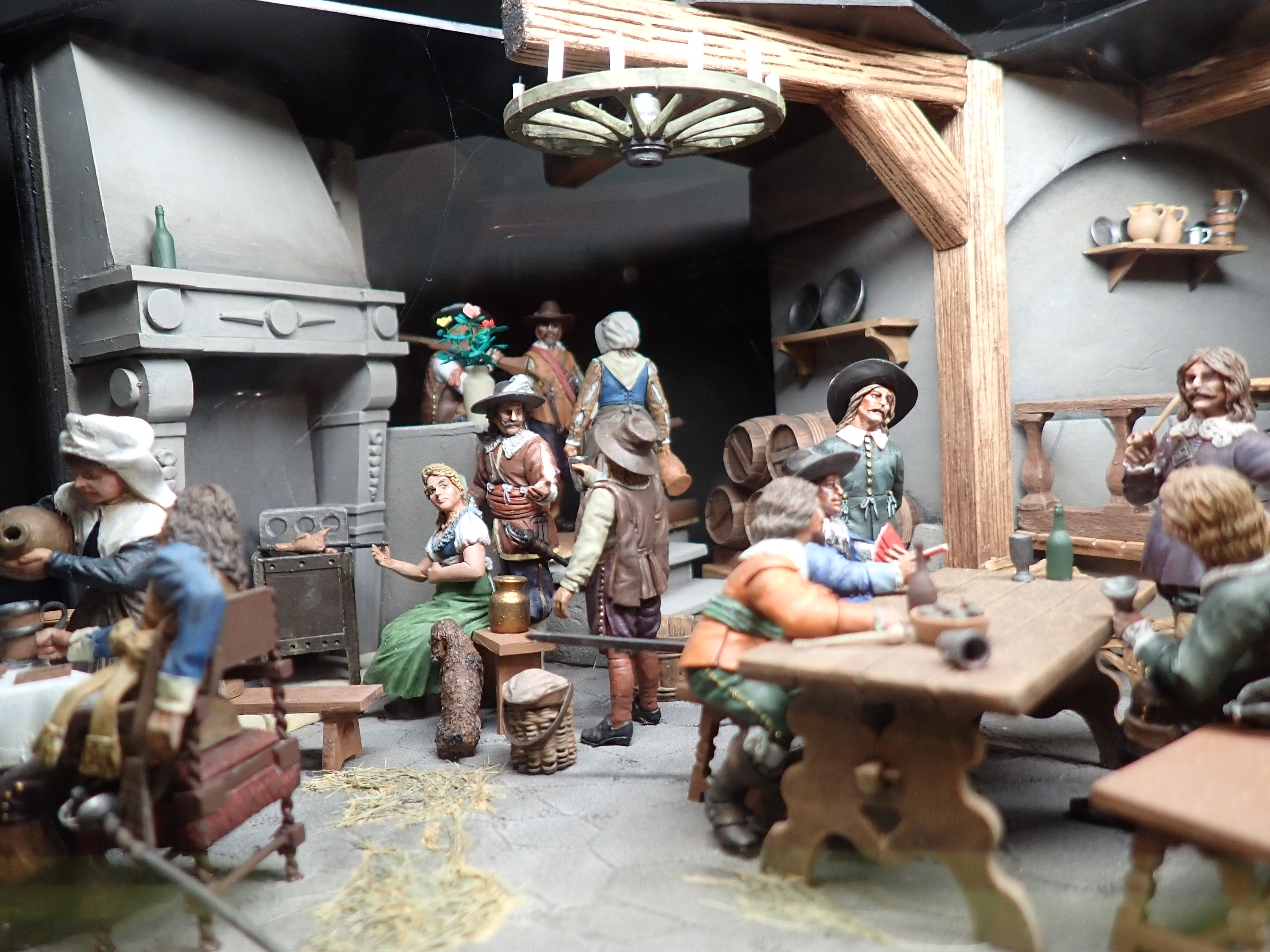
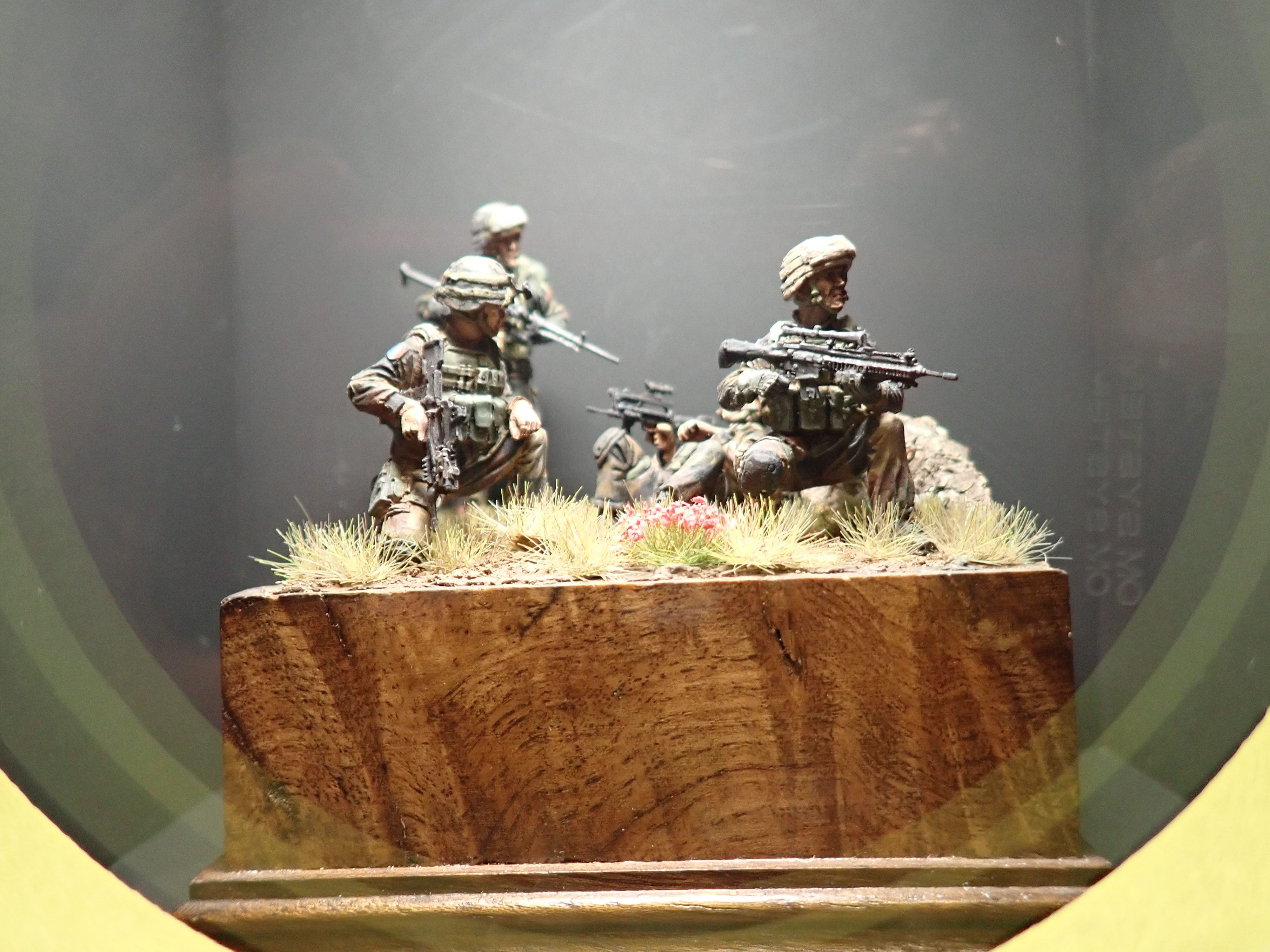
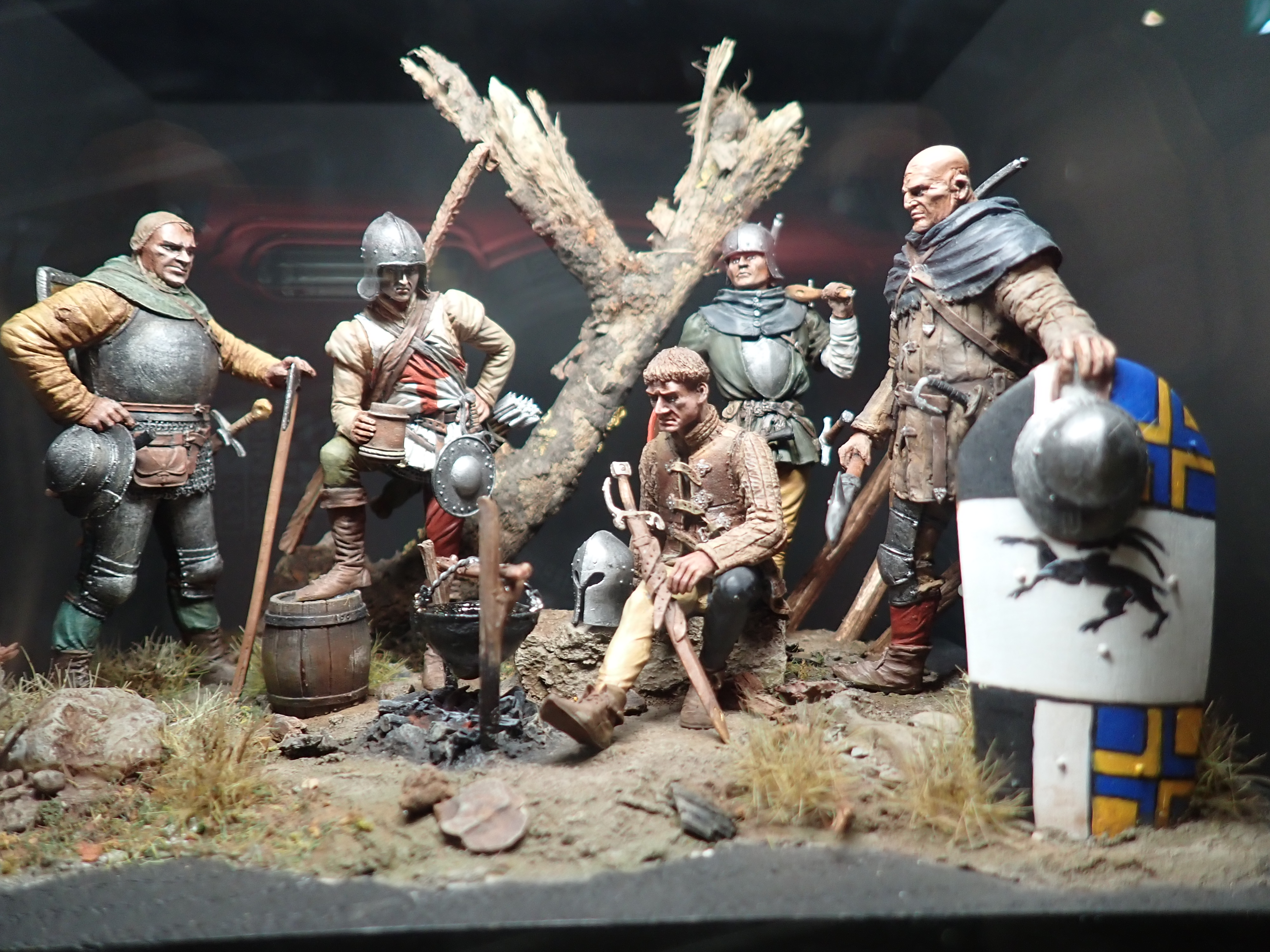
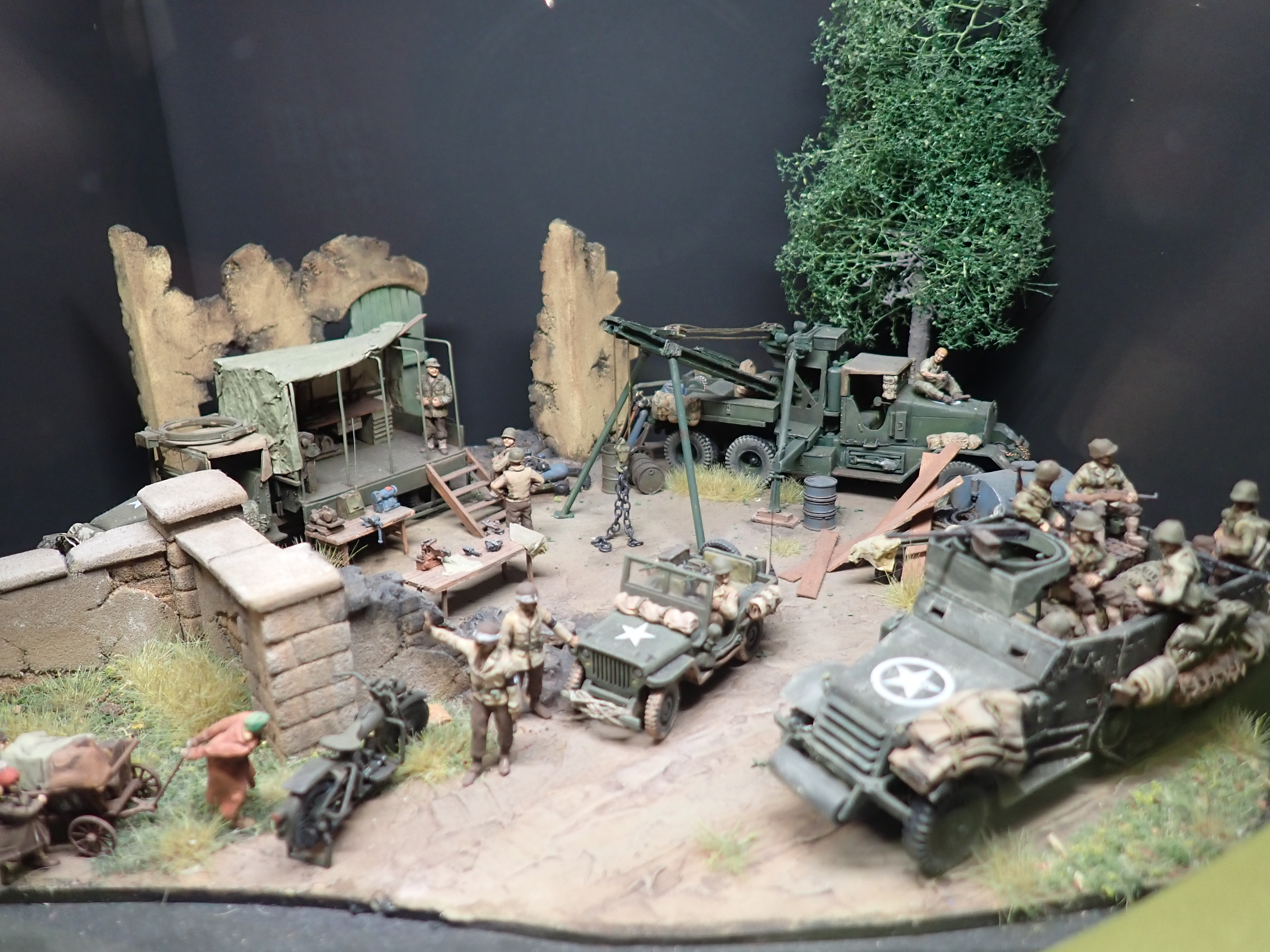
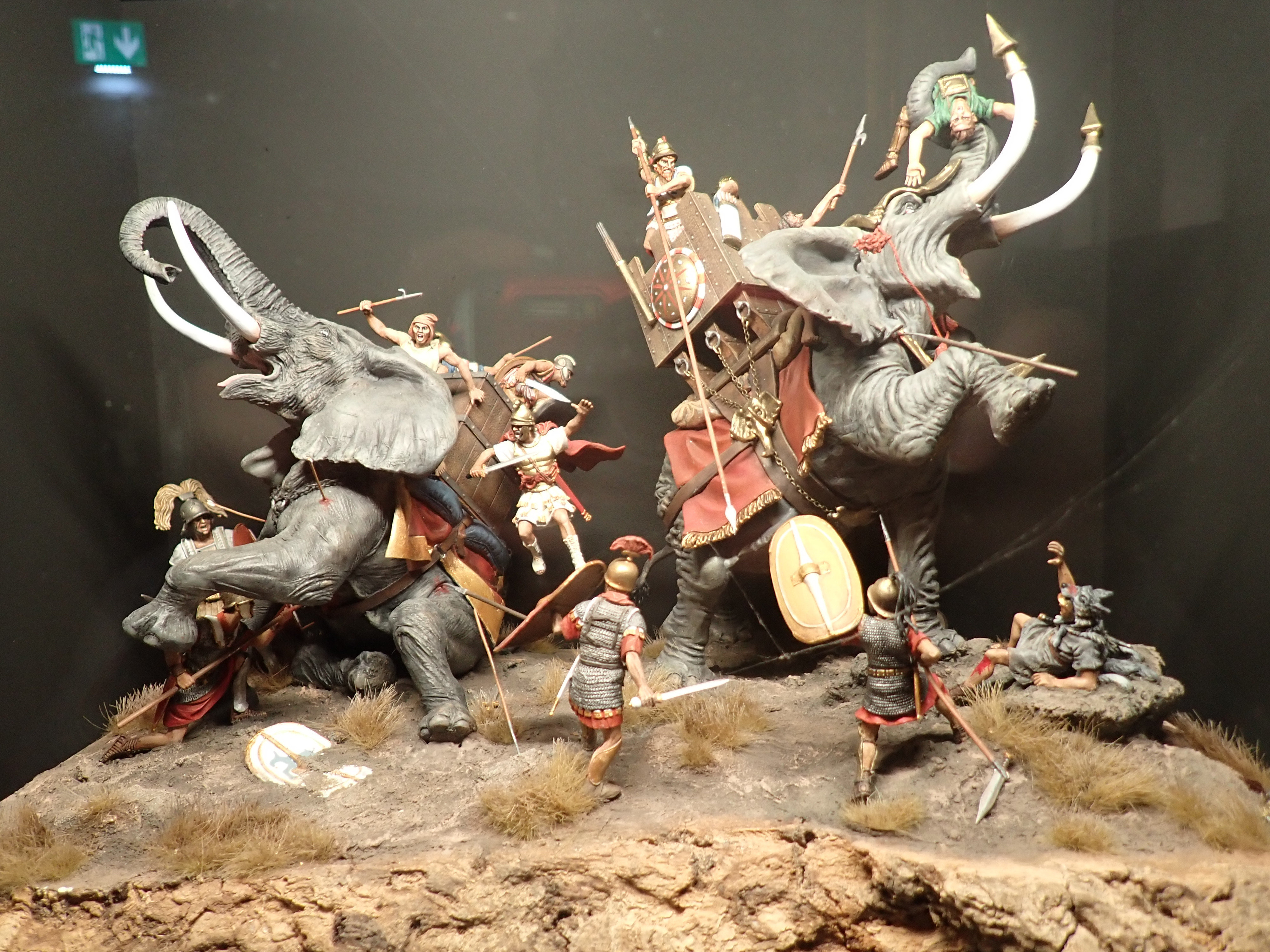
These days, the castle houses the Vaud Military Museum, the Swiss Museum of Historical Figurines and collections devoted to artillery and military history. One of the most fascinating displays is the collection of miniature soldiers. We’re not talking about a few toy soldiers scattered around a display case. There are thousands of carefully painted figures representing armies and battles from different periods.
Some are arranged in elaborate battle scenes, complete with cavalry, artillery and infantry formations. The detail is extraordinary, and you can easily spend ages examining them. It’s military history on a miniature scale, without anyone actually getting shot.
THE LITTLE TITBIT
Morges has a rather surprising connection to one of the most famous names in British history: the Duke of Wellington.
After Napoleon’s defeat, Switzerland became home to a number of former soldiers, officers and military enthusiasts who had fought through the turbulent Napoleonic period. But the really interesting connection is through a man called Charles-Henri de La Harpe, a Vaudois officer who served in Napoleon’s armies and whose remarkable collection of military miniatures helped lay the foundations for the museum’s figurine collection.
What I particularly like about Morges is the strange contrast between the real military history of the building and the tiny armies displayed inside it. For centuries, castles like this were built because rulers genuinely feared invasion, rebellion and war. Now you can stand inside those same walls looking at entire armies small enough to fit on a table.
The castle was built by the Savoy dynasty, which ruled large parts of what is now western Switzerland. Today, we tend to think of Switzerland as a country that has always been independent and neutral. But for much of its history, this part of Switzerland was ruled by powerful families whose interests stretched far beyond today’s national borders. The Swiss identity we take for granted today was still a very long way off.


