Veytaux, near Montreux — Lake Geneva
THE LOWDOWN
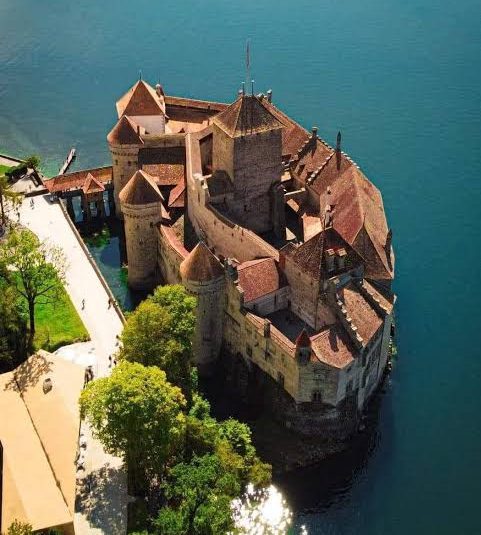
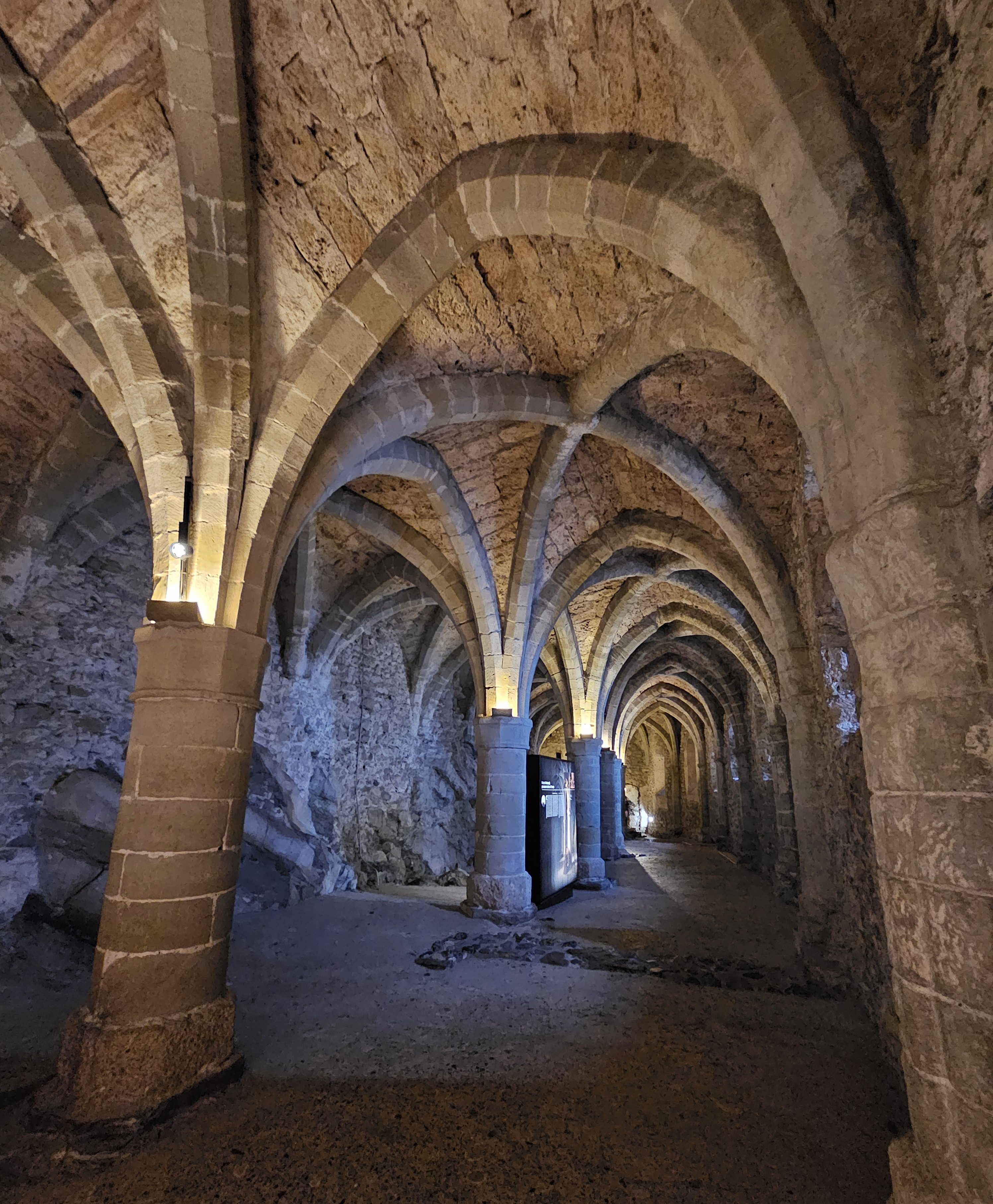
My favourite Swiss castle, and for obvious reasons the most visited. I fell in love with Chillon not only from the minute I saw it but when I walked downstairs into the dungeon with its huge high gothic vaulted ceilings. Strange I know but I couldn’t help being in awe of the architecture. Then there’s the fact that it’s an island.
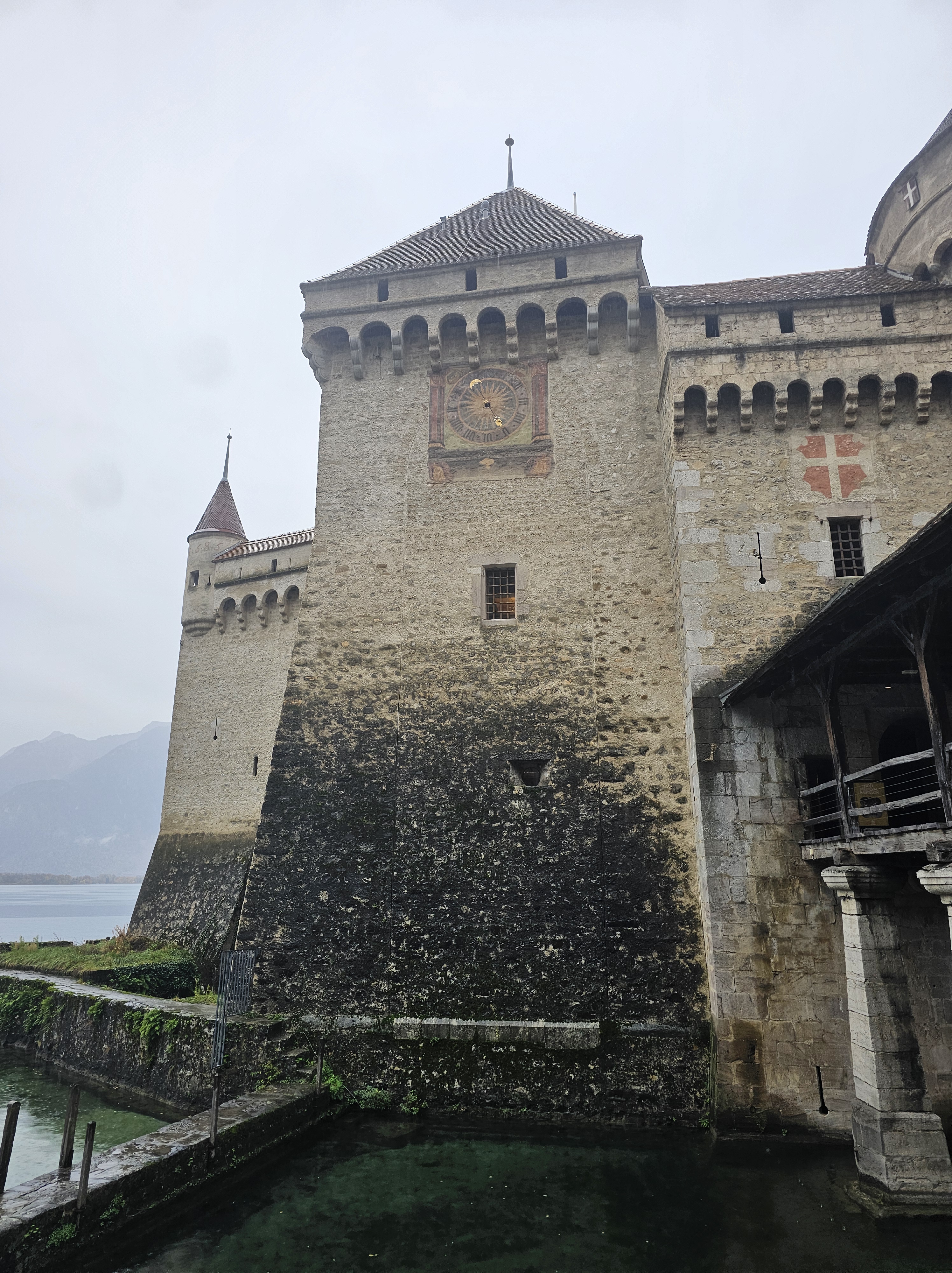
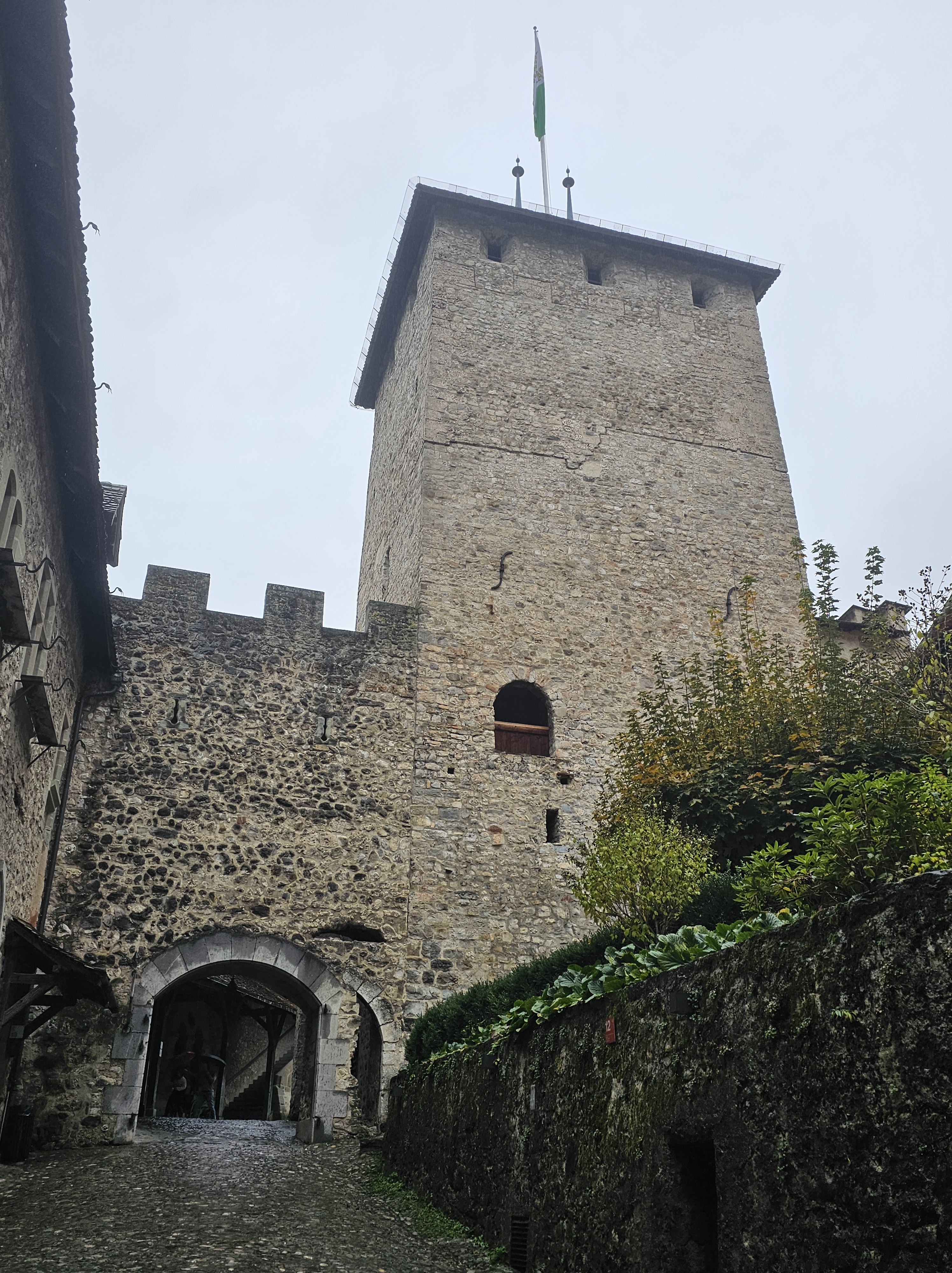
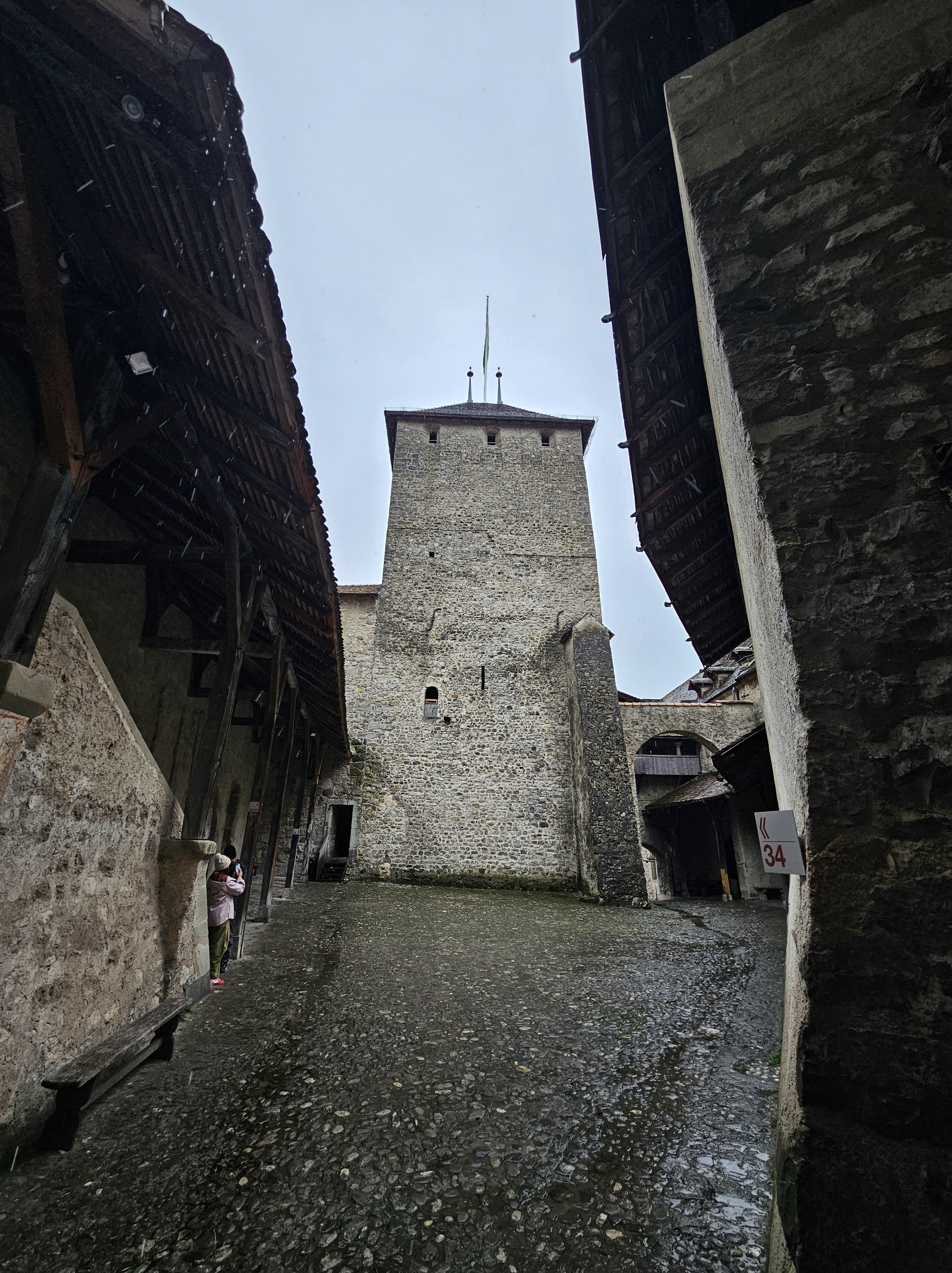
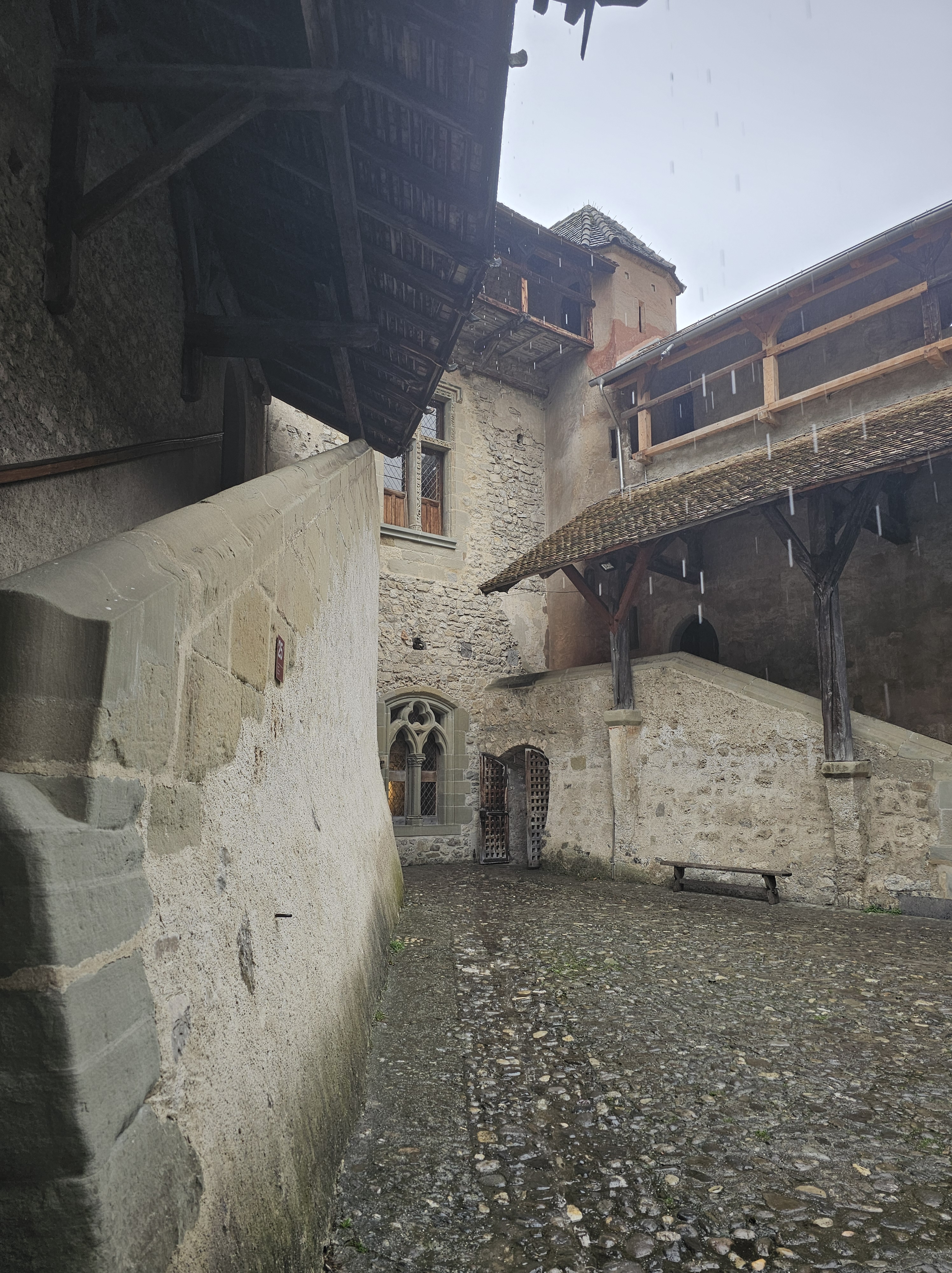
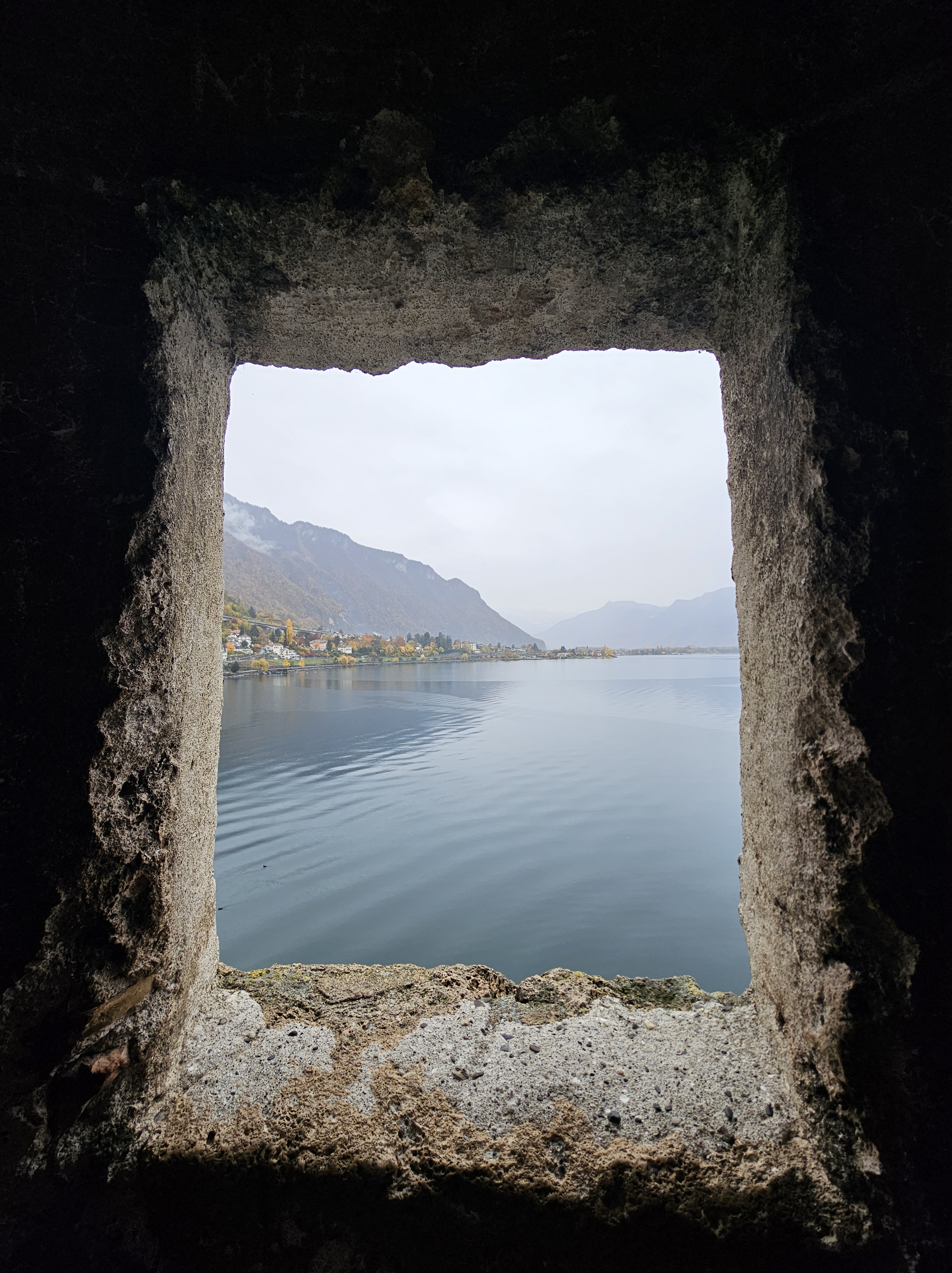
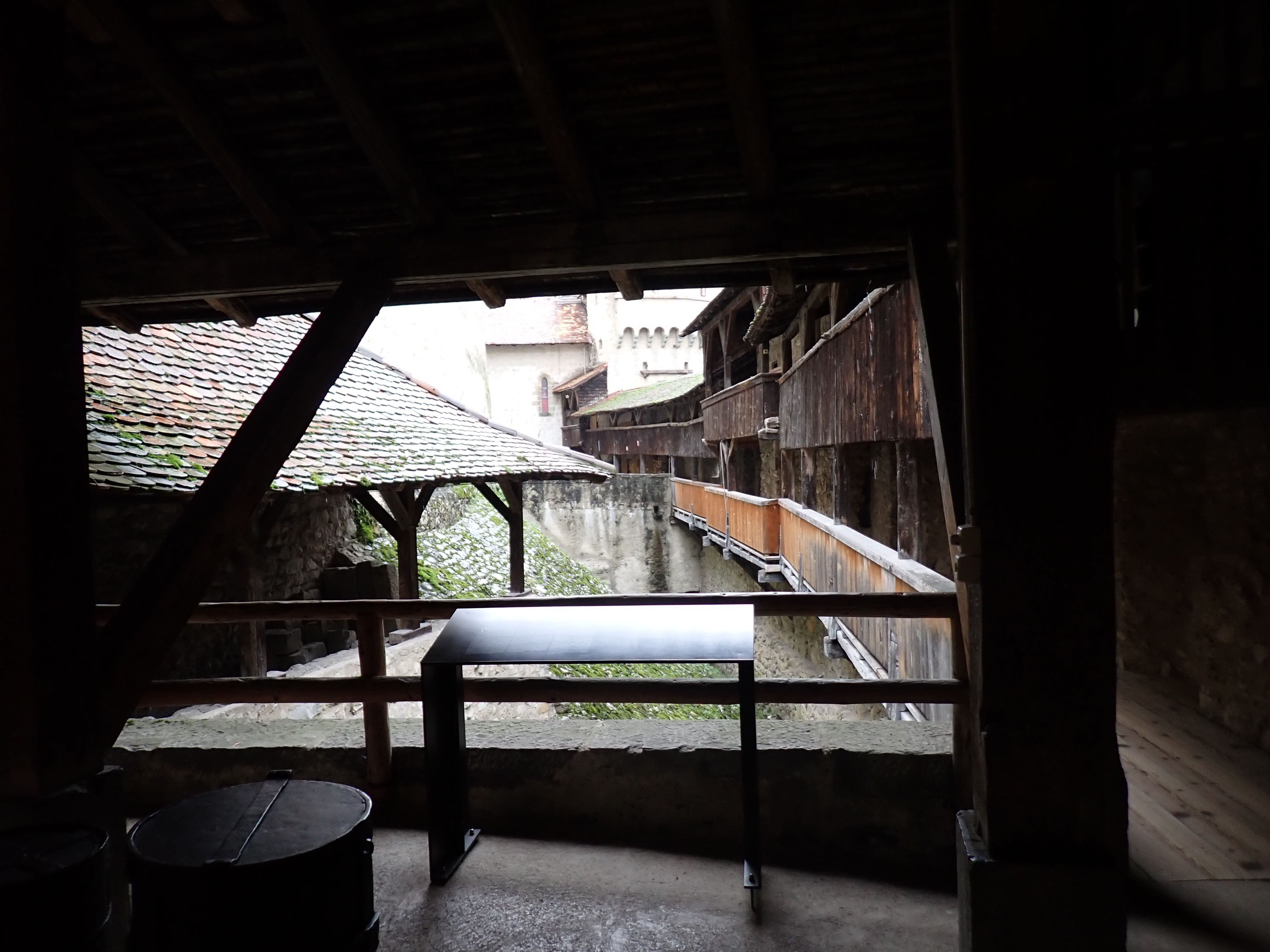
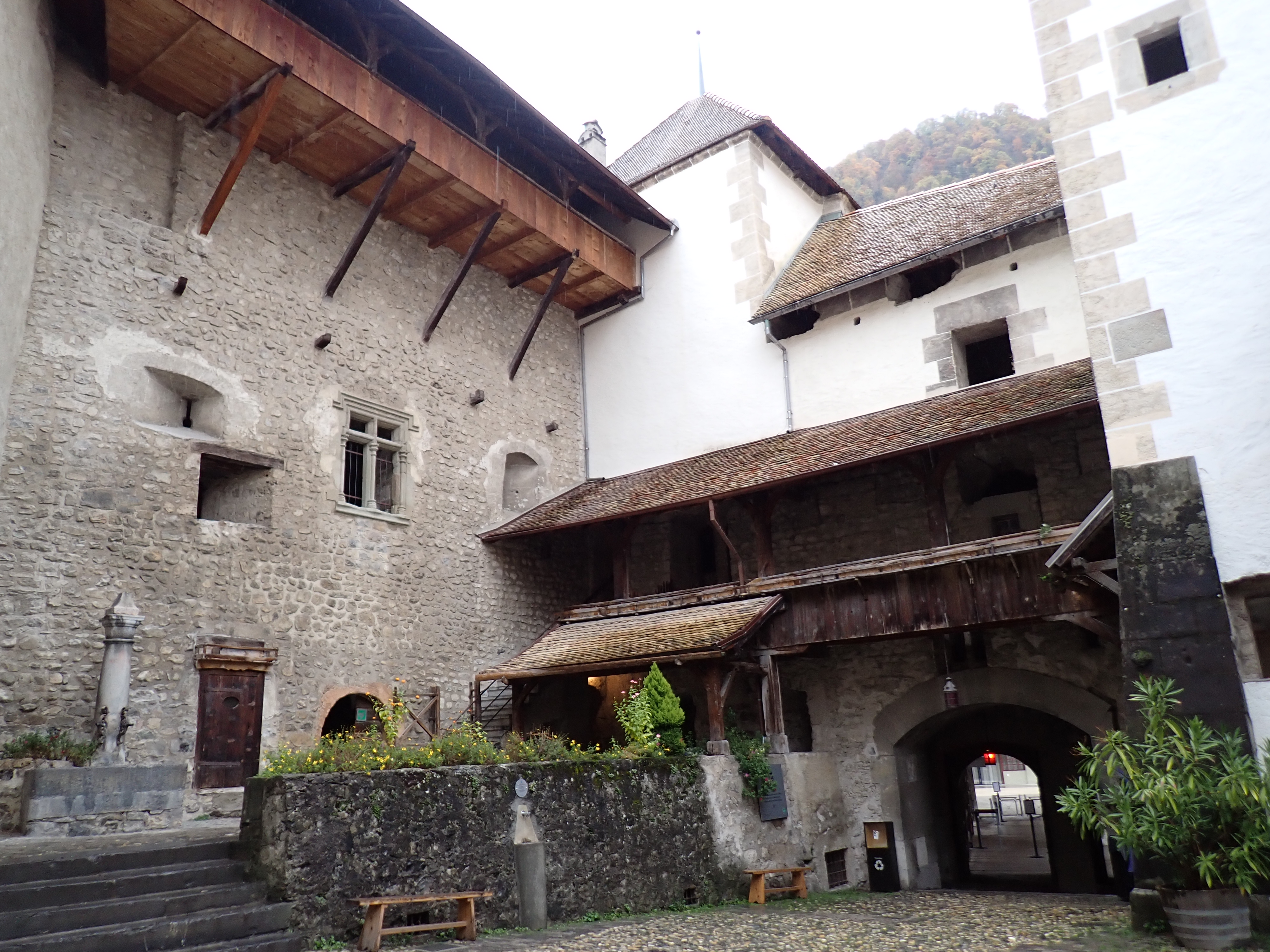
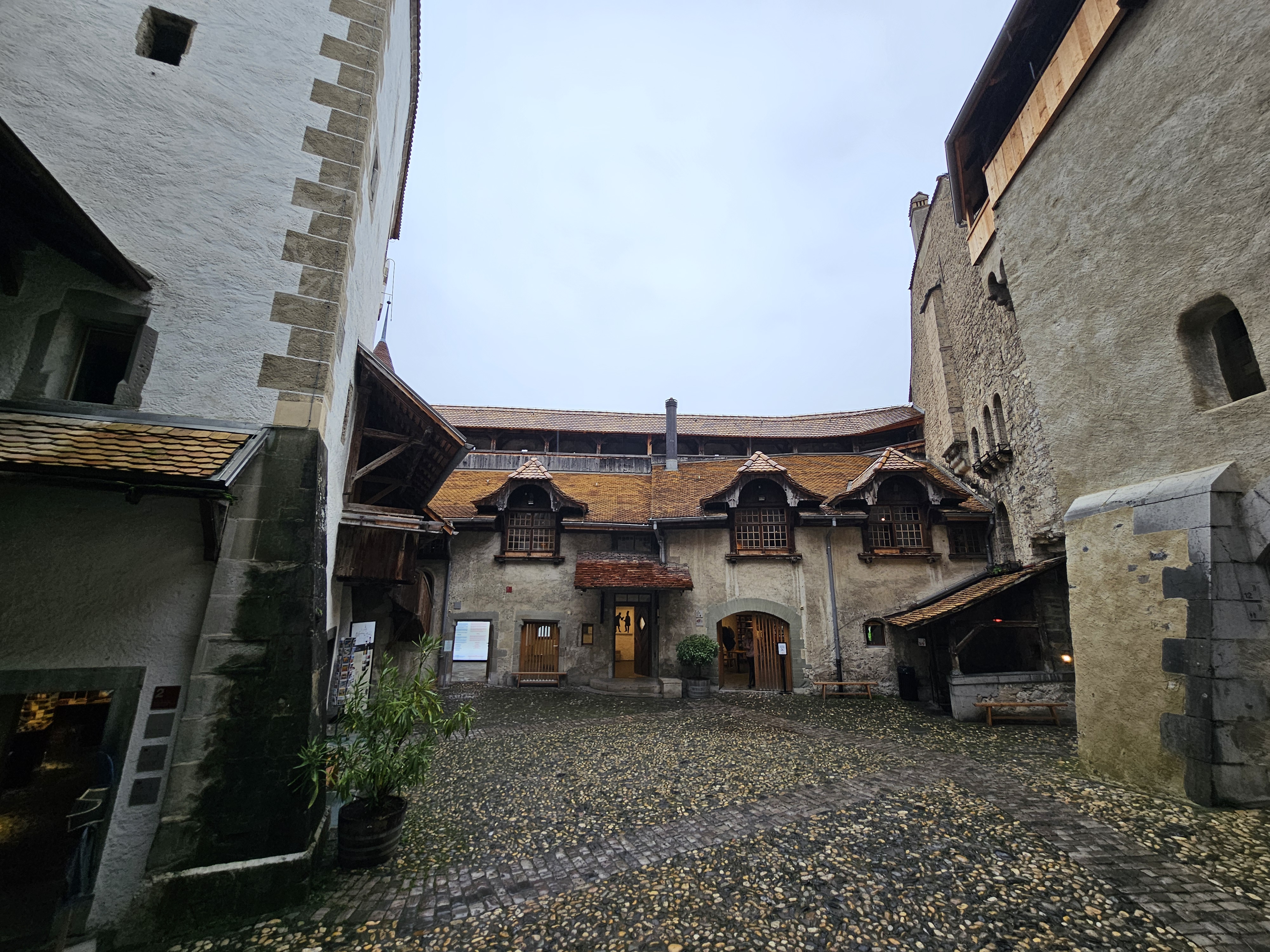
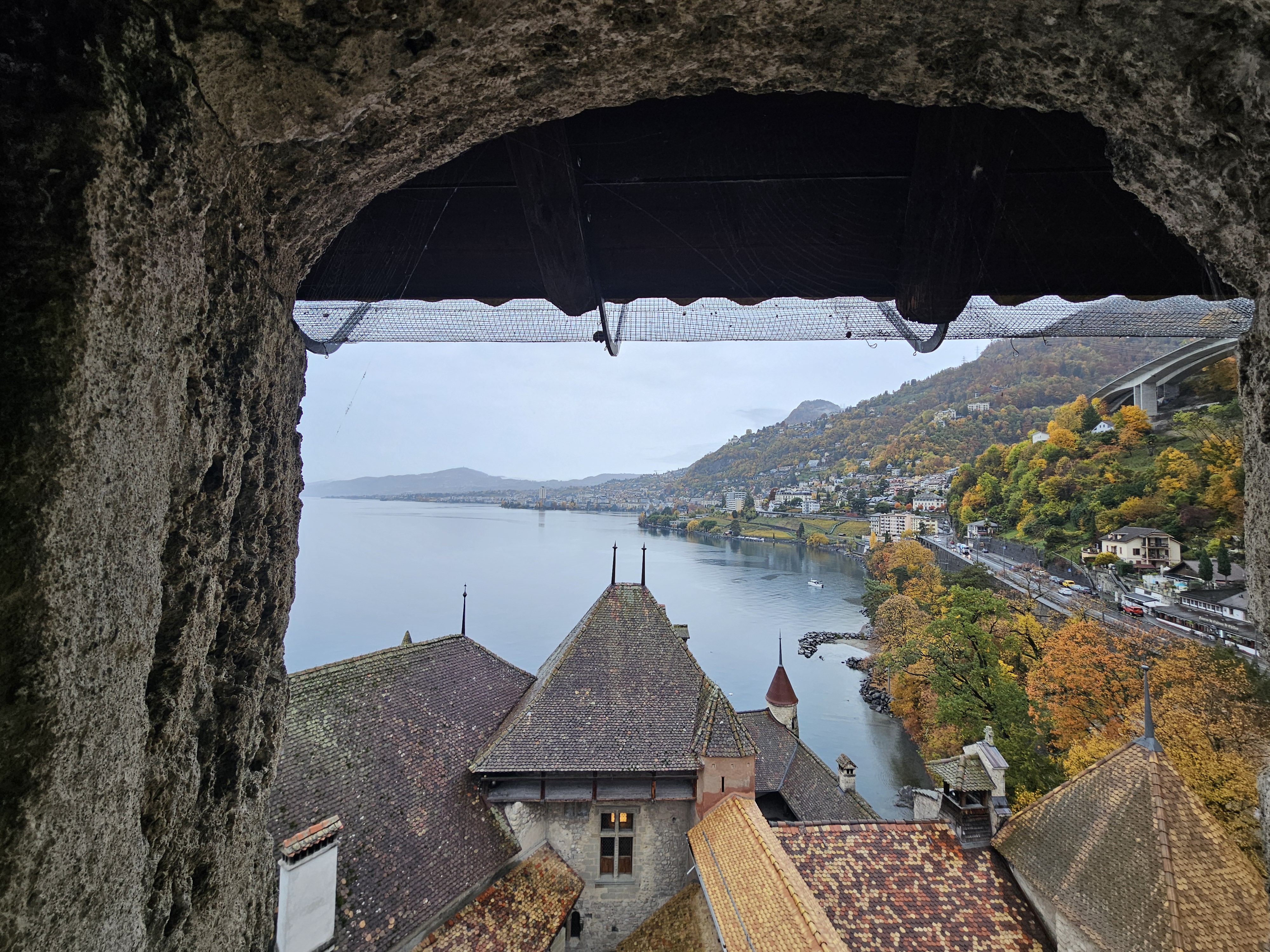
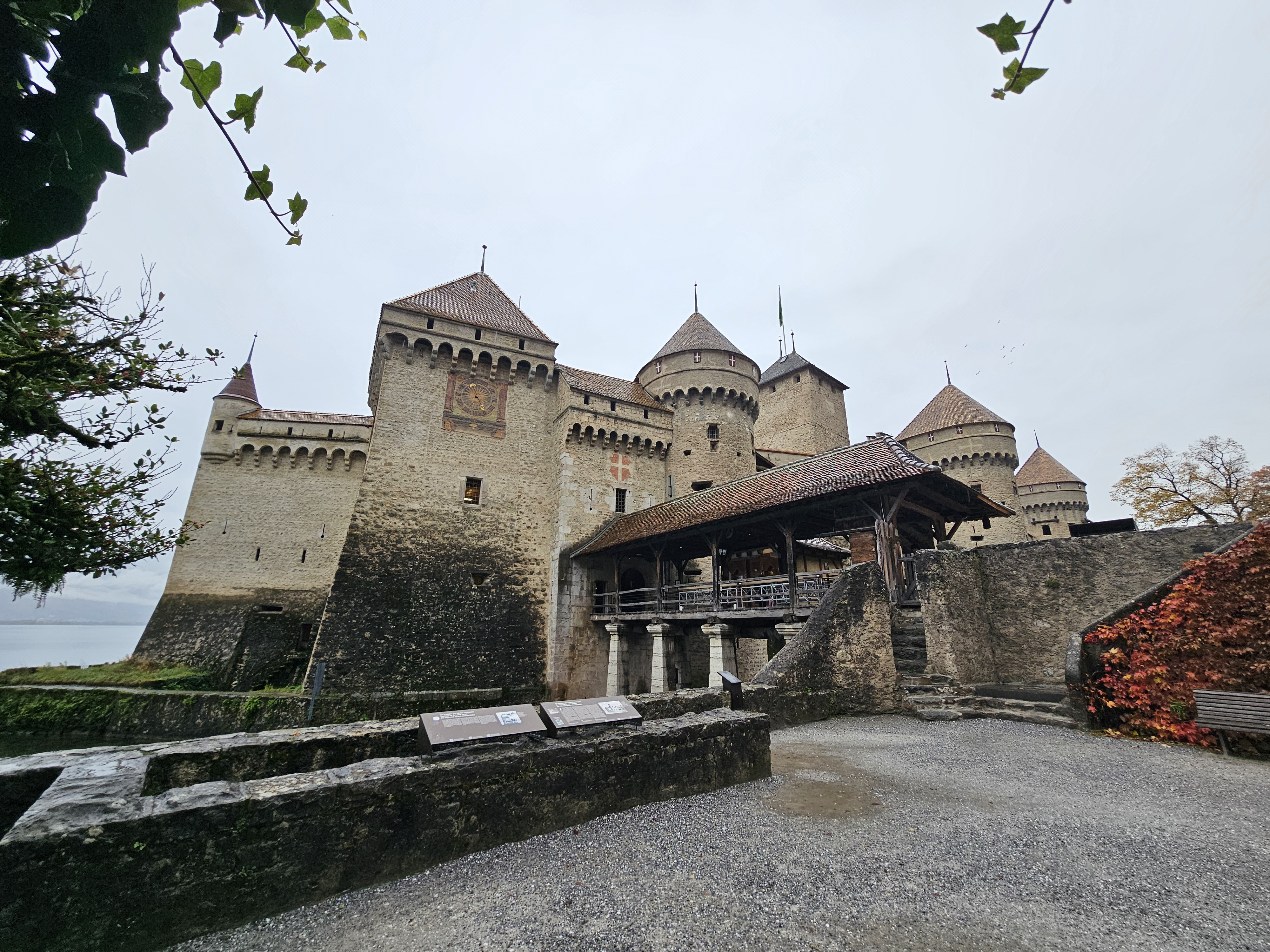
If ever there was a castle built in the perfect spot, this is it. Chillon sits on a little rocky island at the eastern end of Lake Geneva, with the mountains rising behind it and the lake practically touching its walls. It looks like something straight out of a fairy tale, although its history is considerably less romantic. The castle was already standing in 1150, when it belonged to the Counts of Savoy, who controlled much of what is now French-speaking Switzerland. And while the location might look spectacular today, back then it was all about money. The narrow strip of land between the mountains and the lake was an important trading route towards Italy, and the Savoys could charge travellers and merchants for passing through. So Chillon was essentially a medieval toll booth, just with thicker walls, armed guards and a considerably better view.
ROUND THE CASTLE
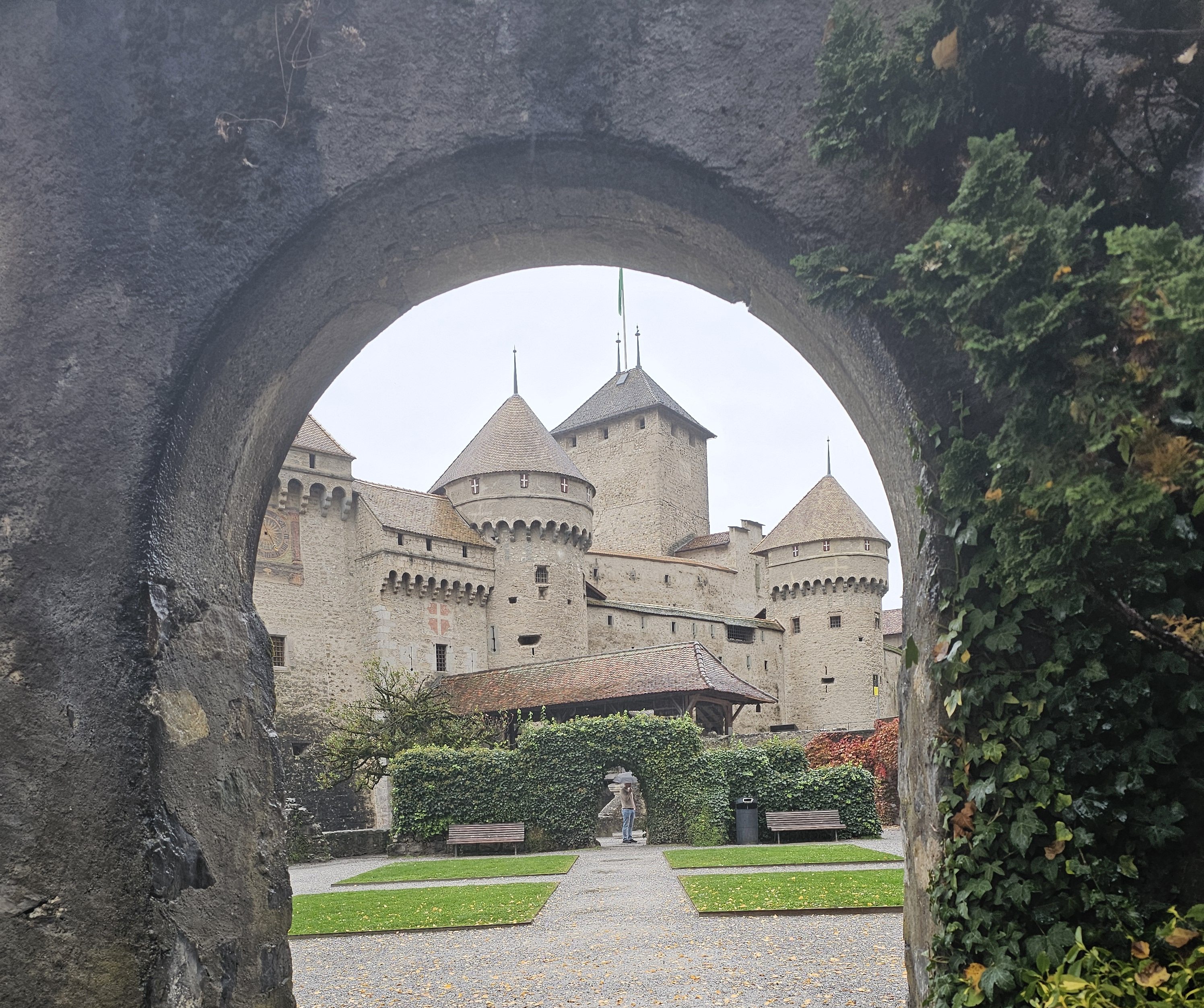
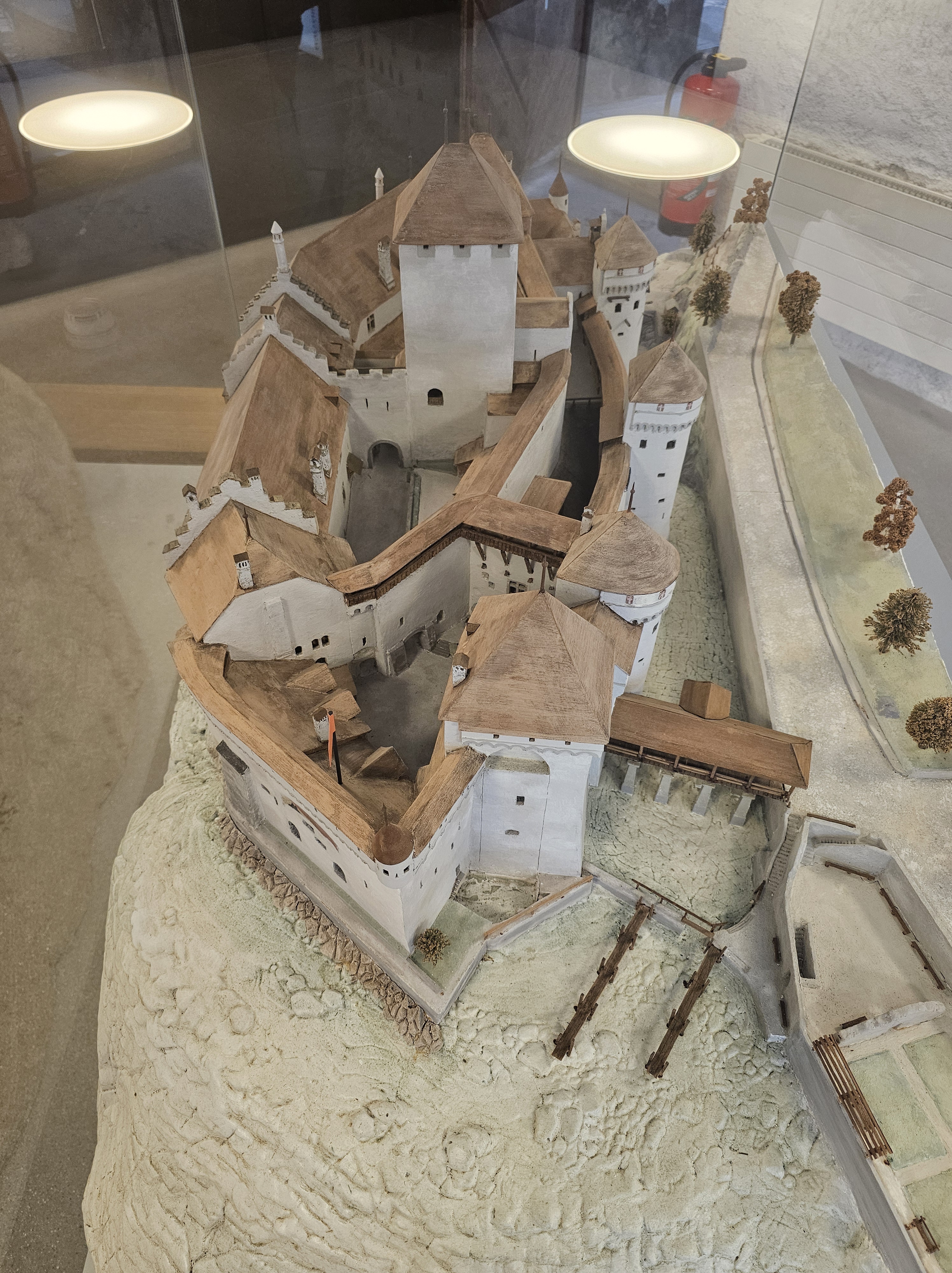
What makes Chillon special is just how much of the medieval castle has survived. There are four courtyards, towers, breathtaking grand halls, bedrooms, chapels and a maze of passages connecting everything together.
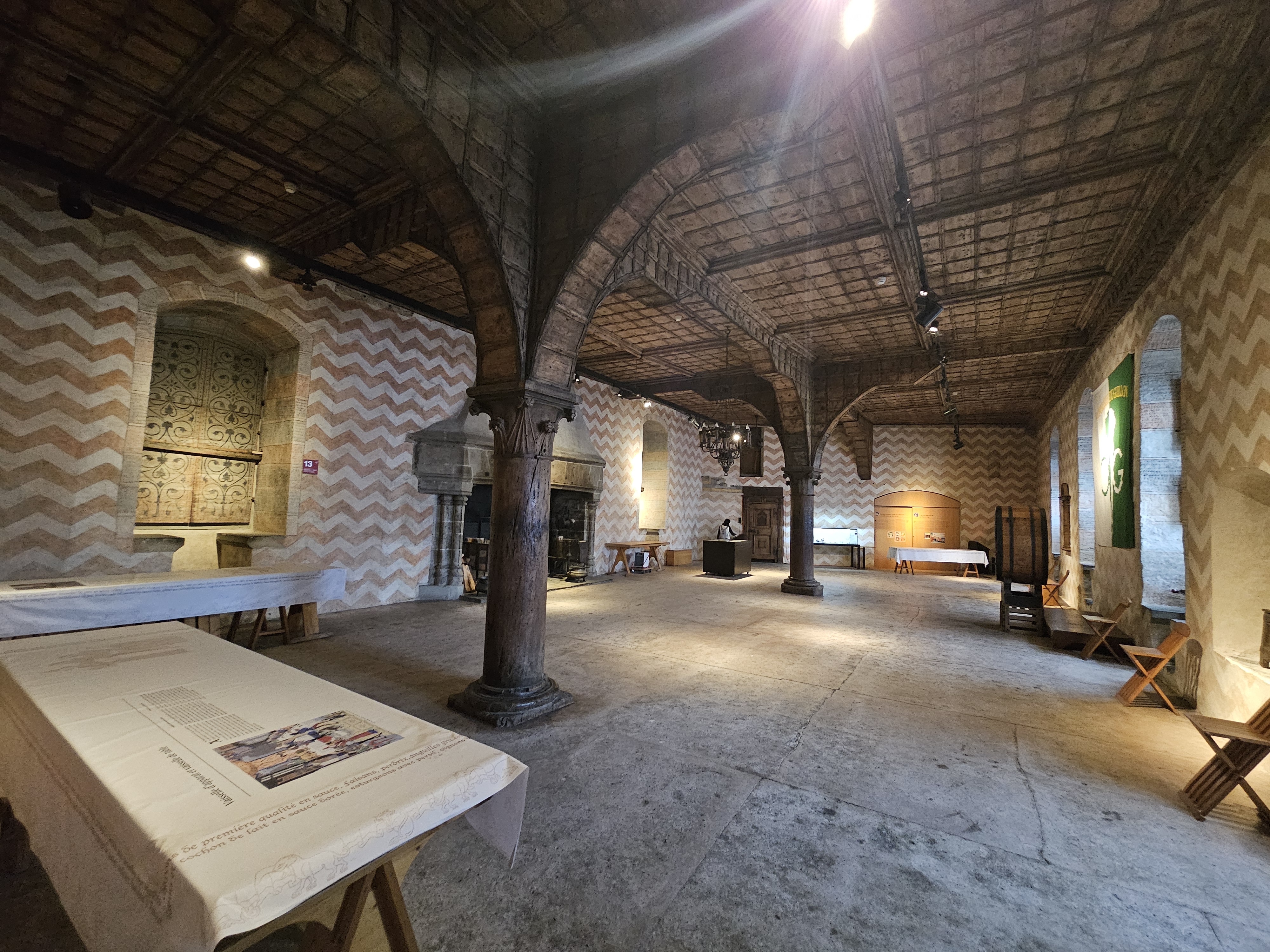
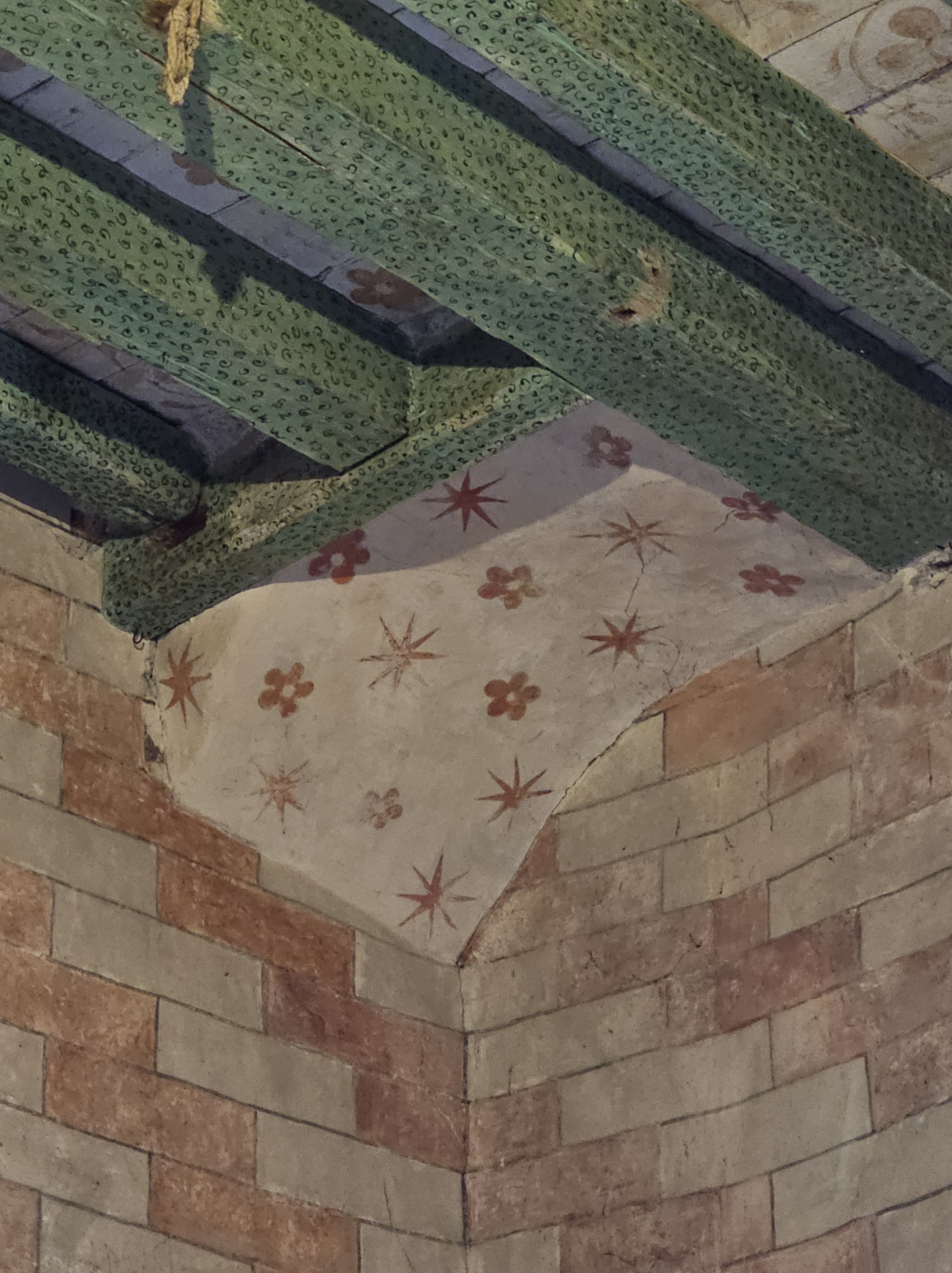
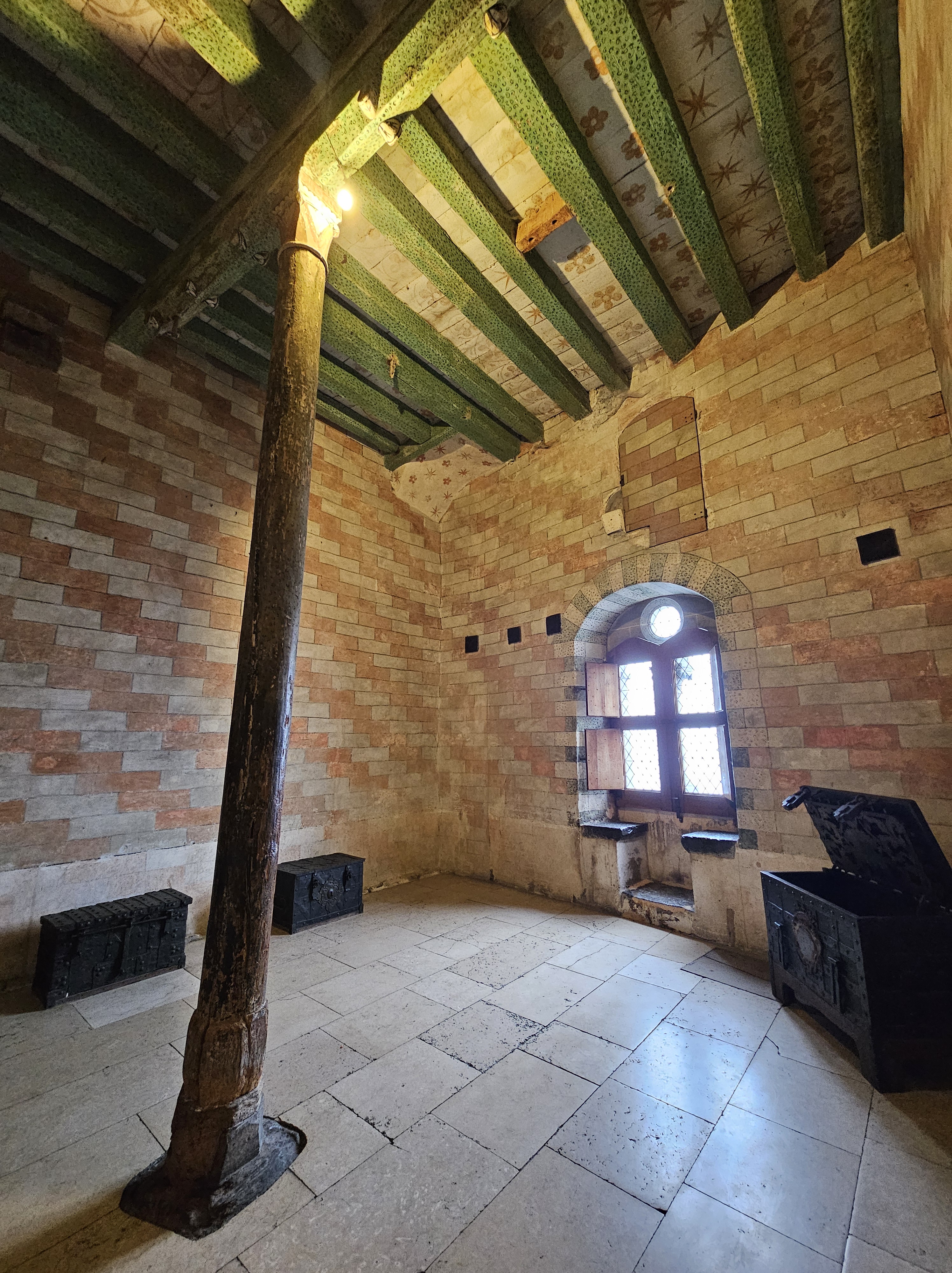
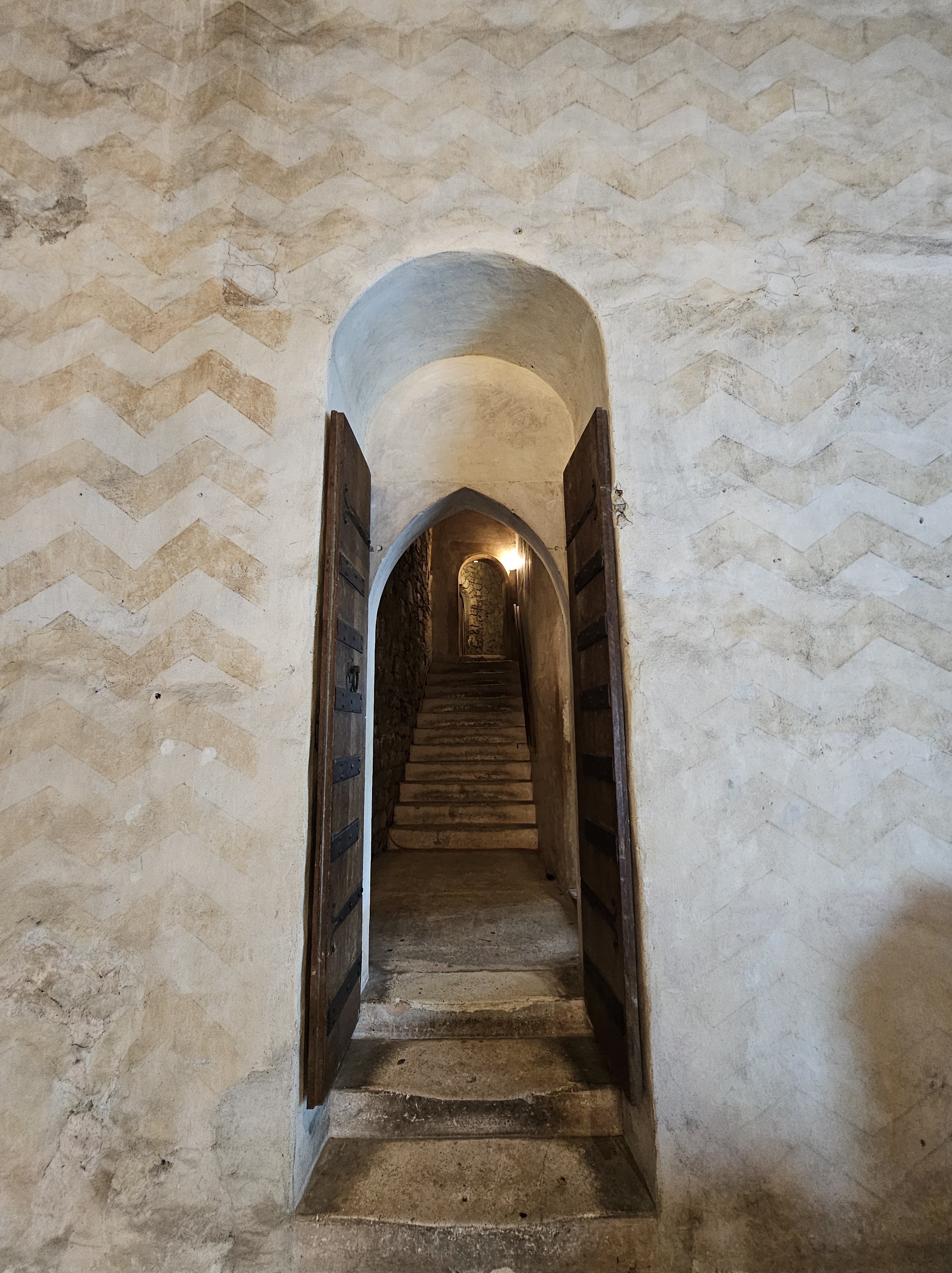
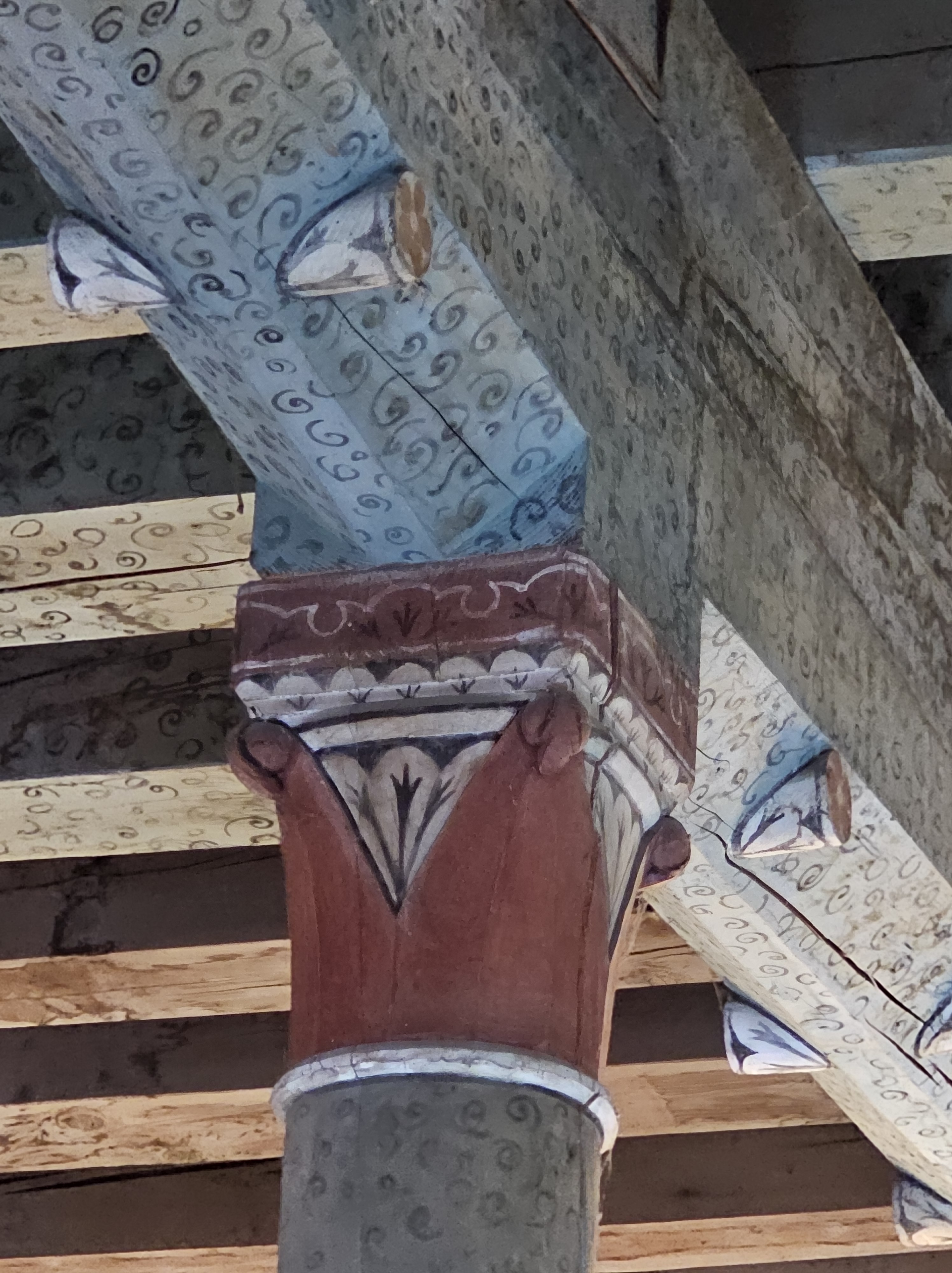
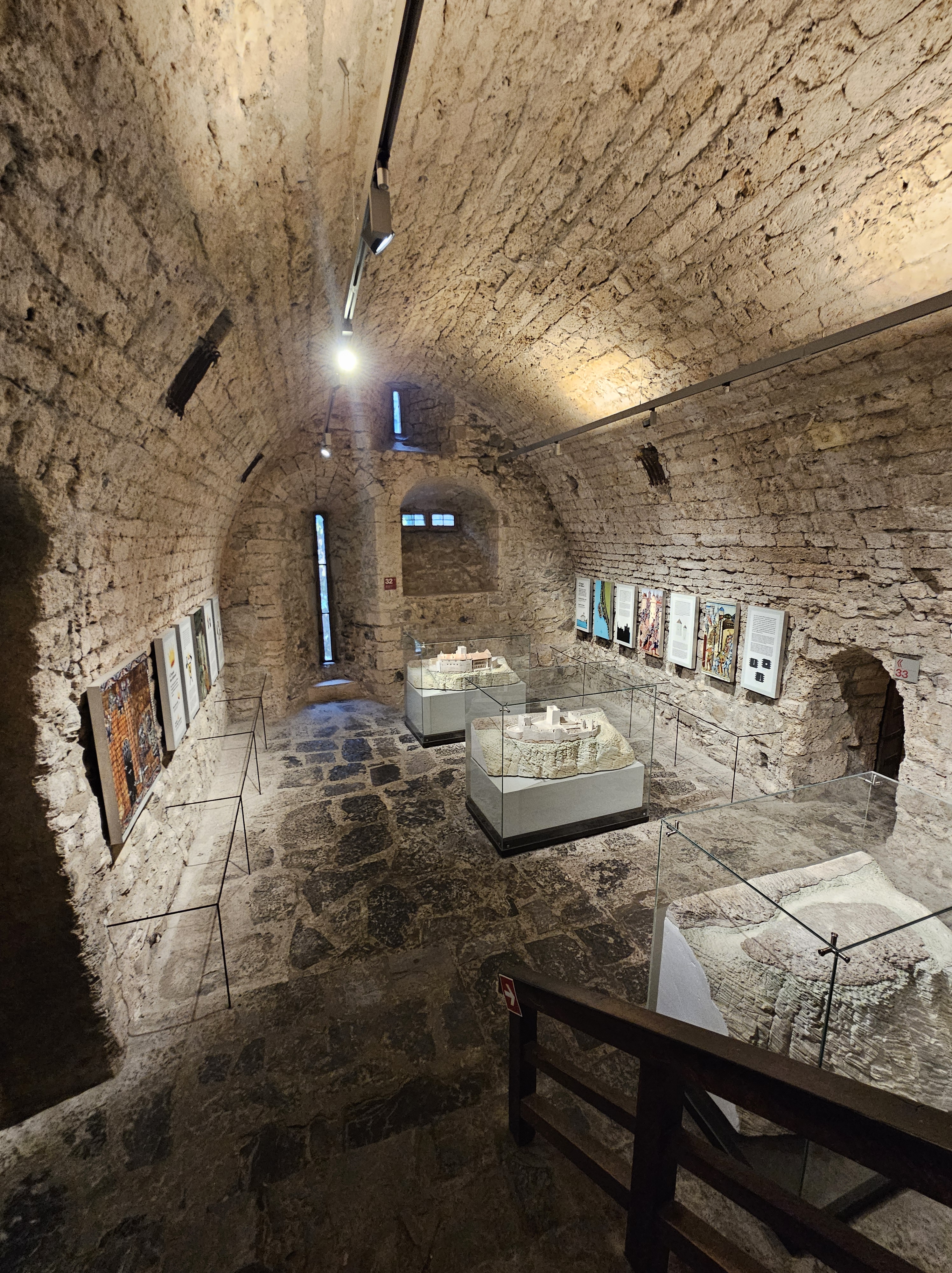
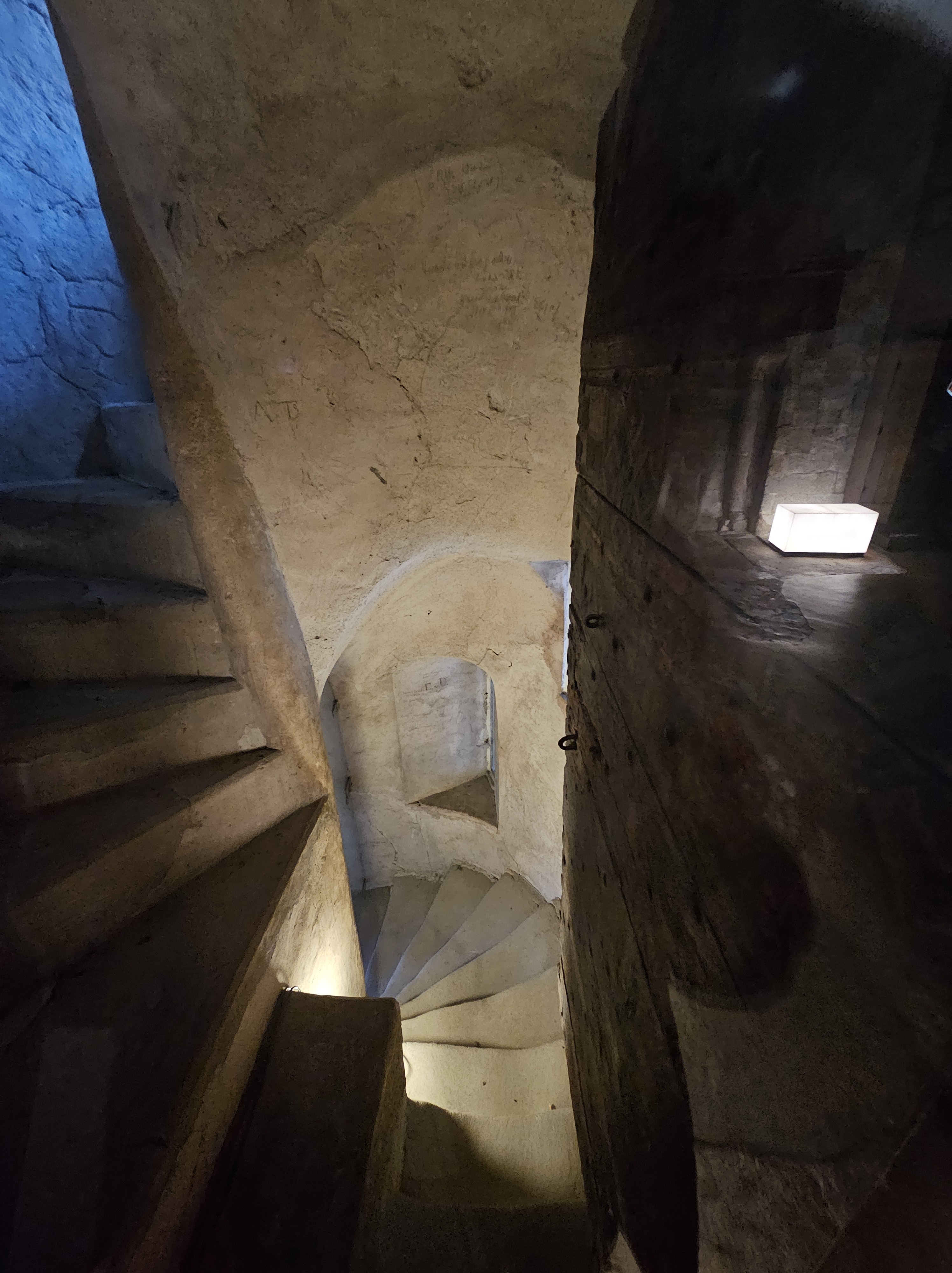
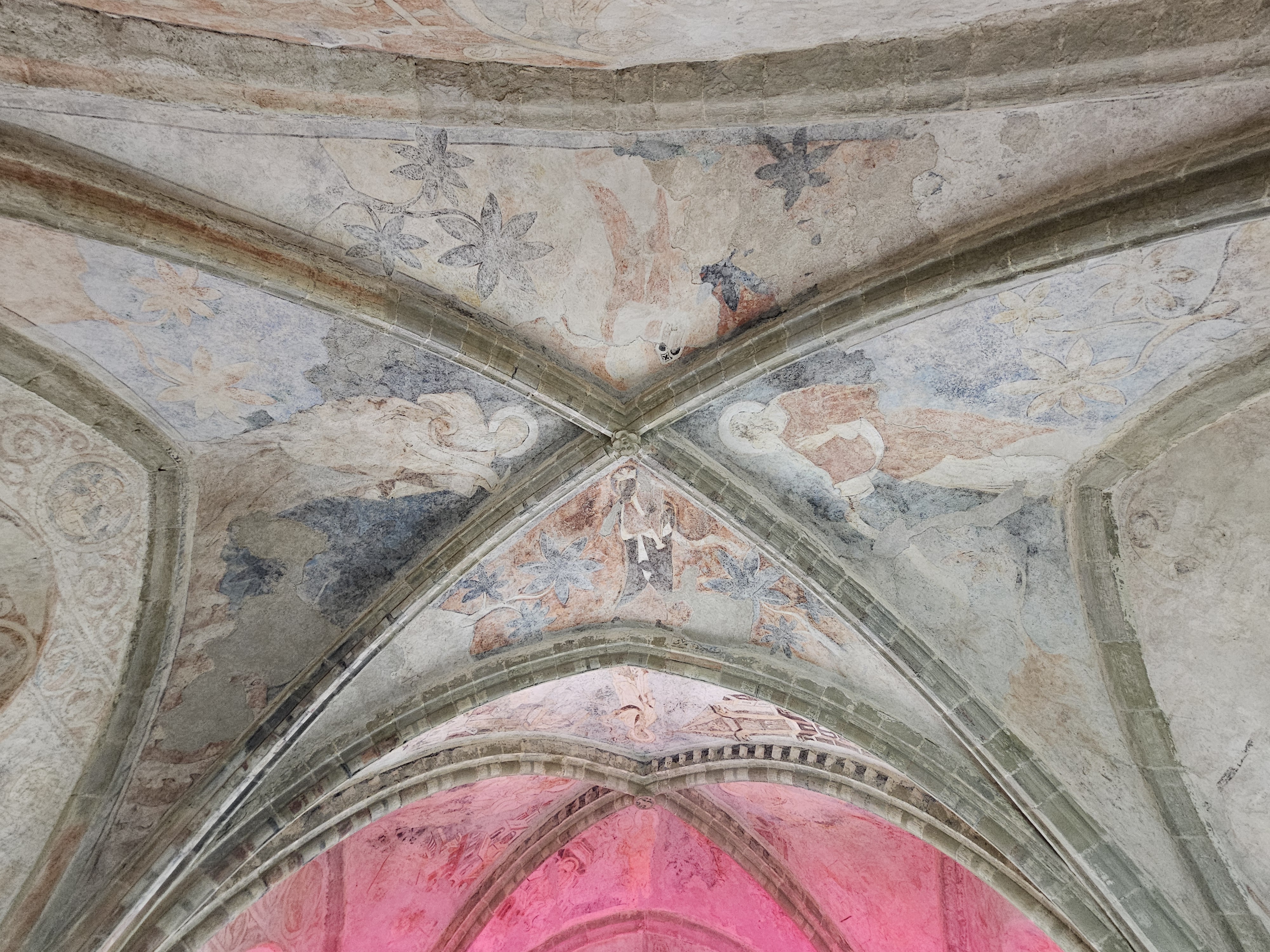
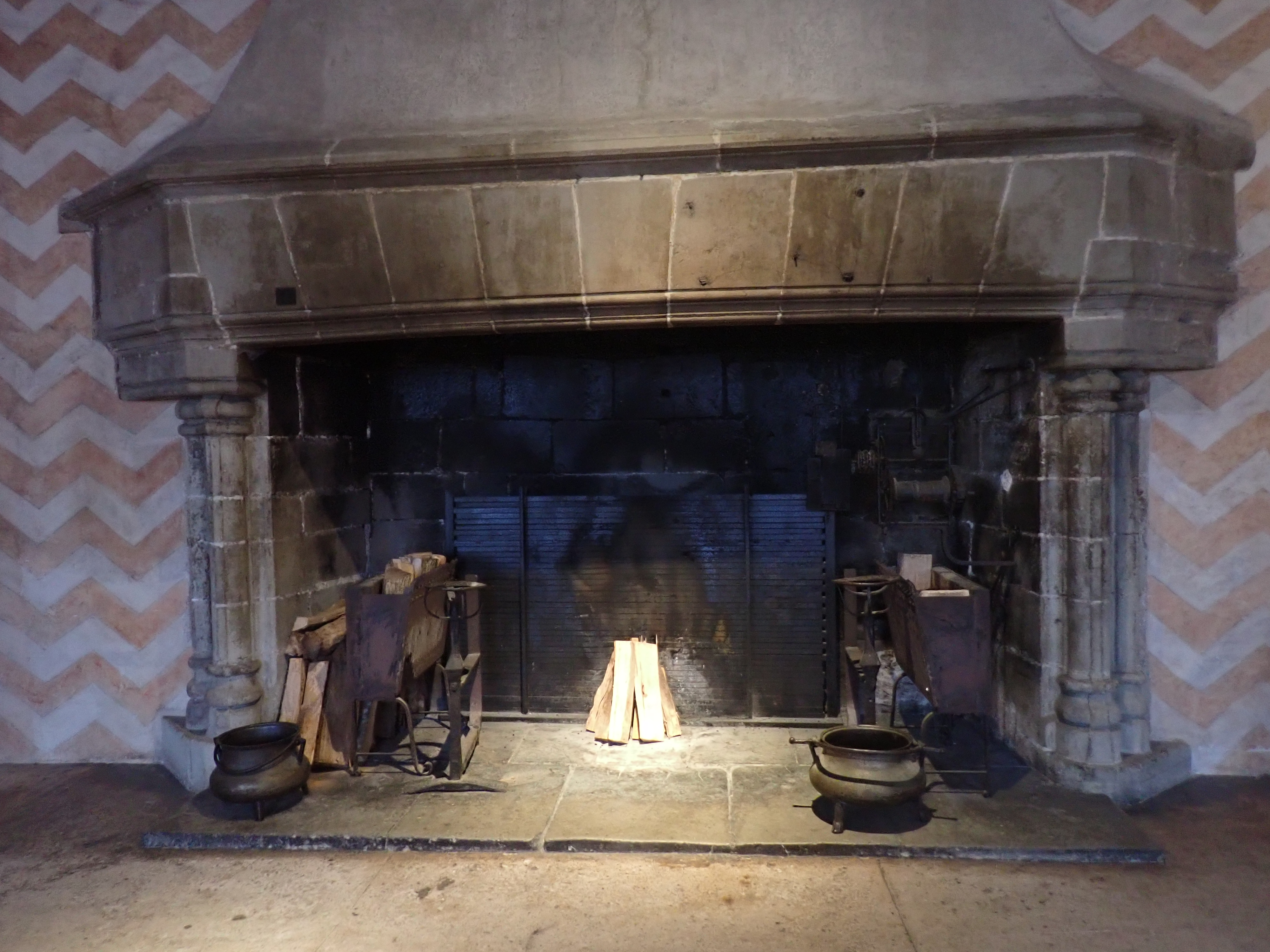
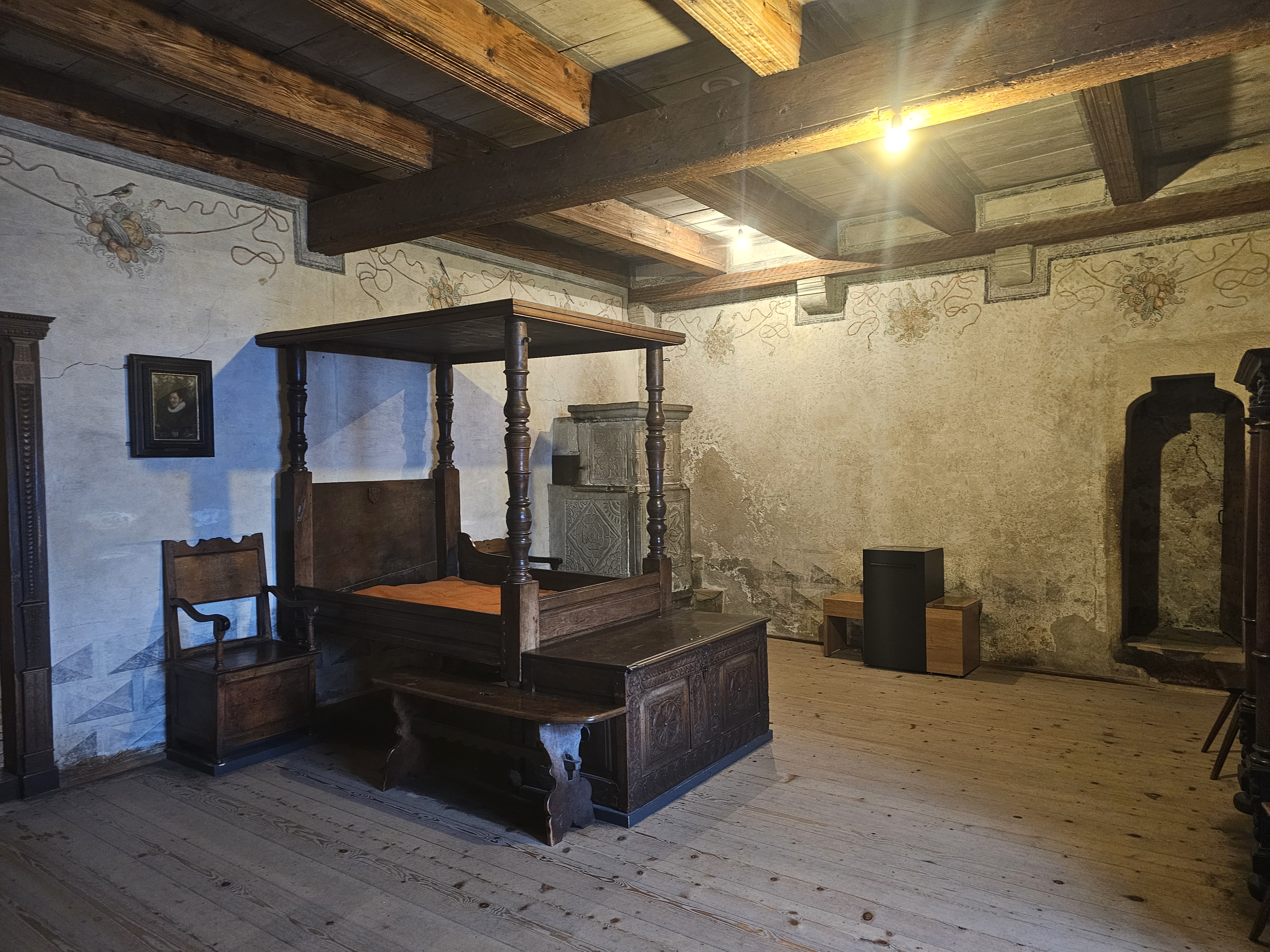
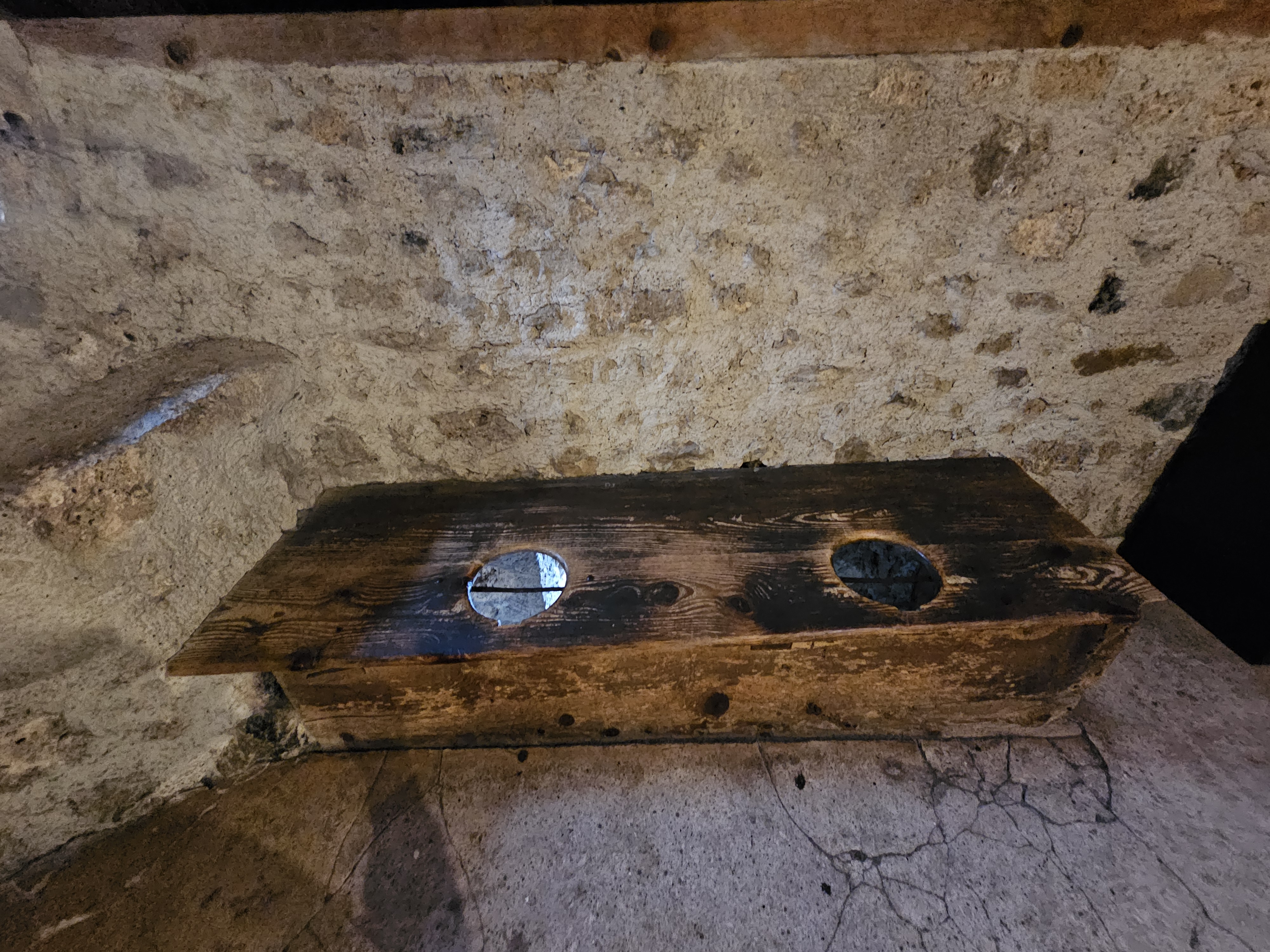
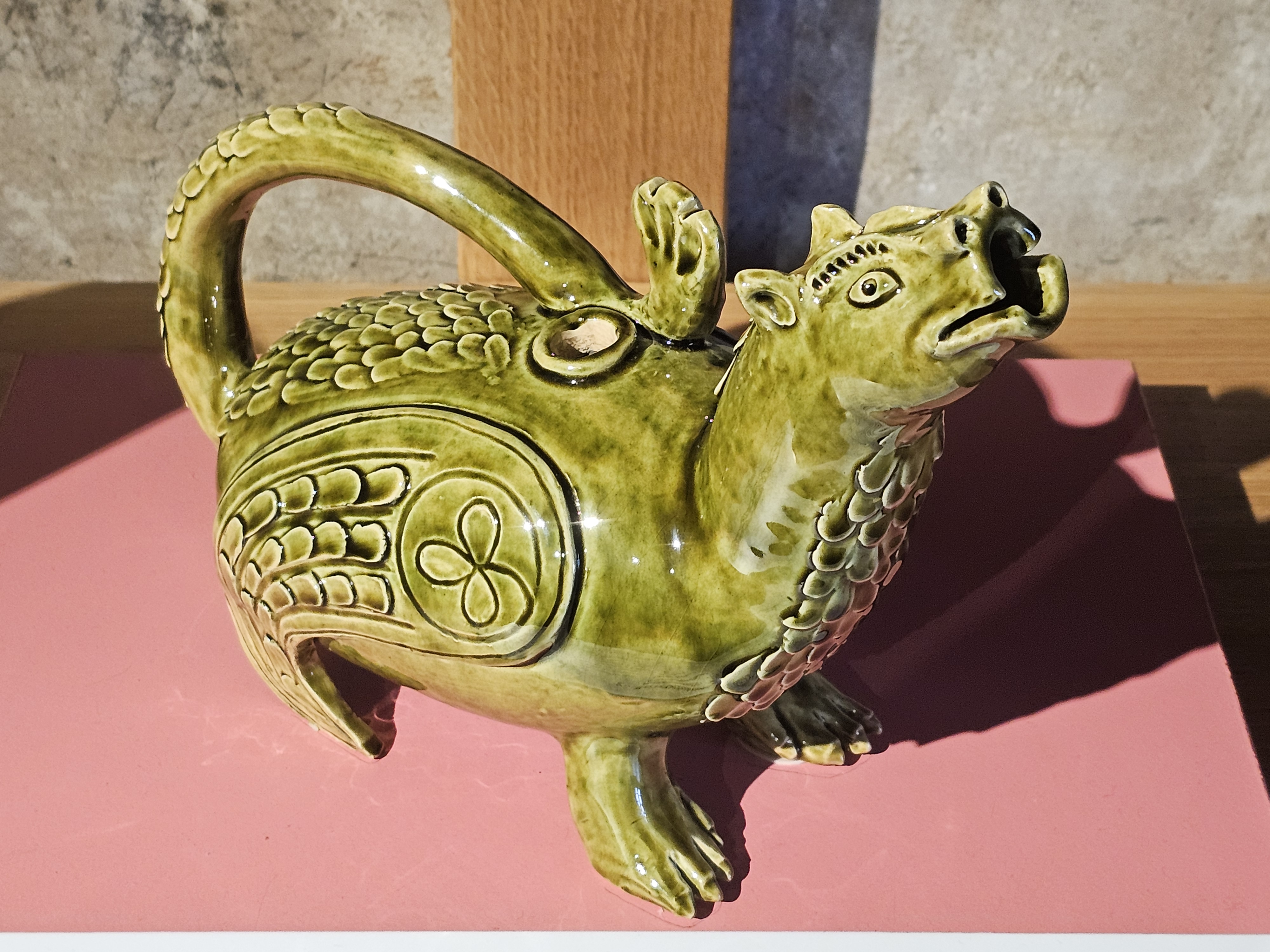
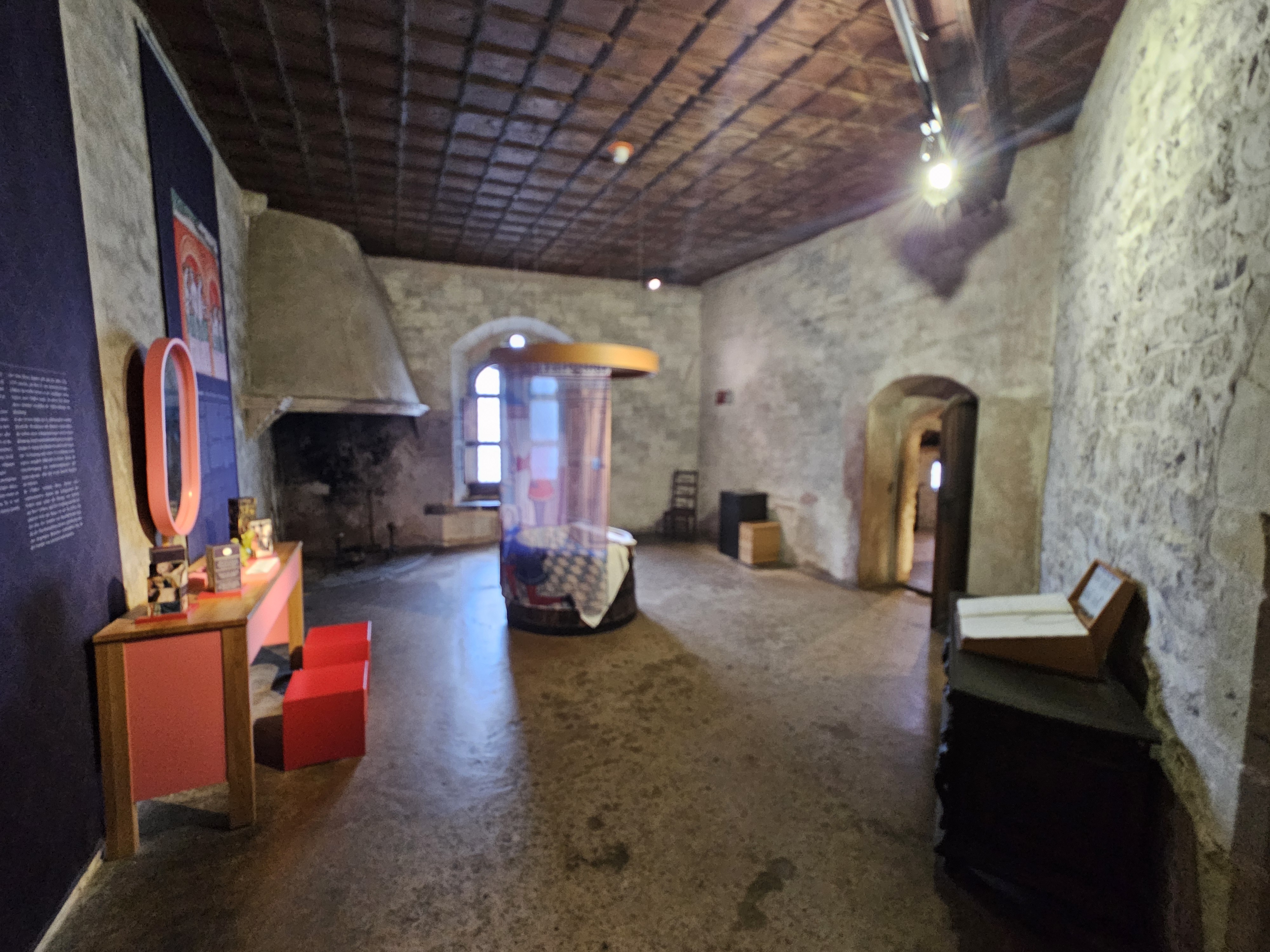
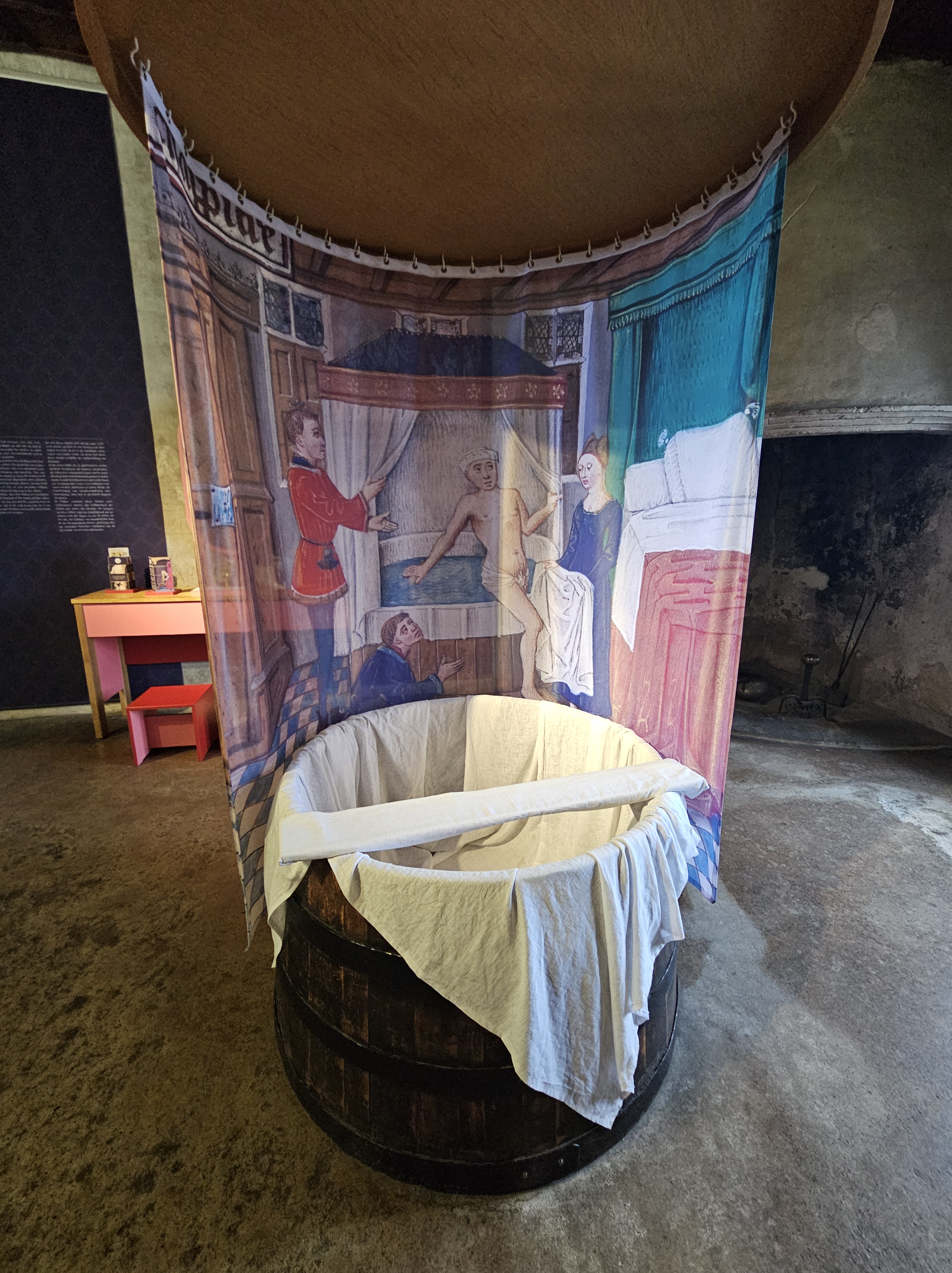
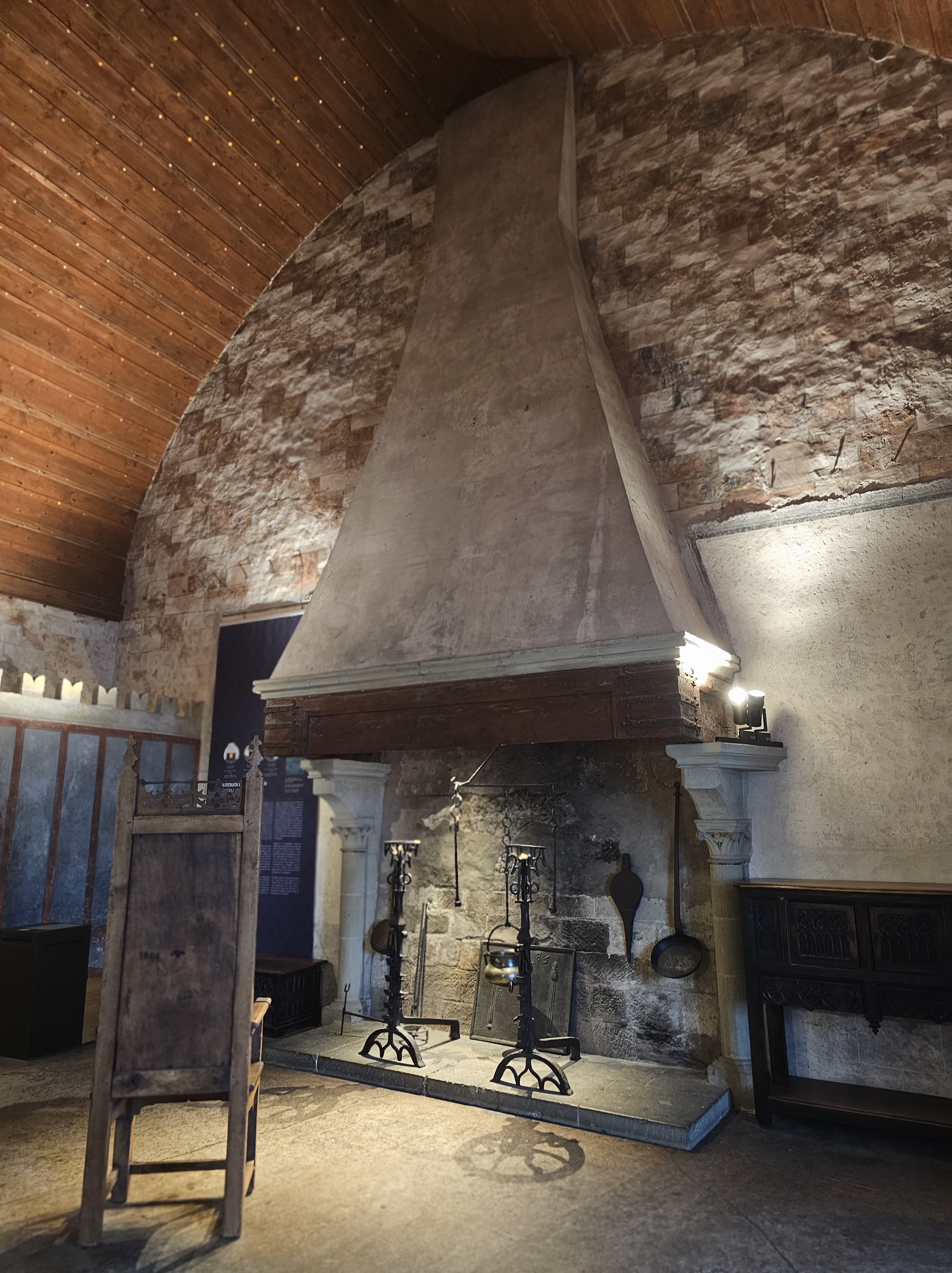
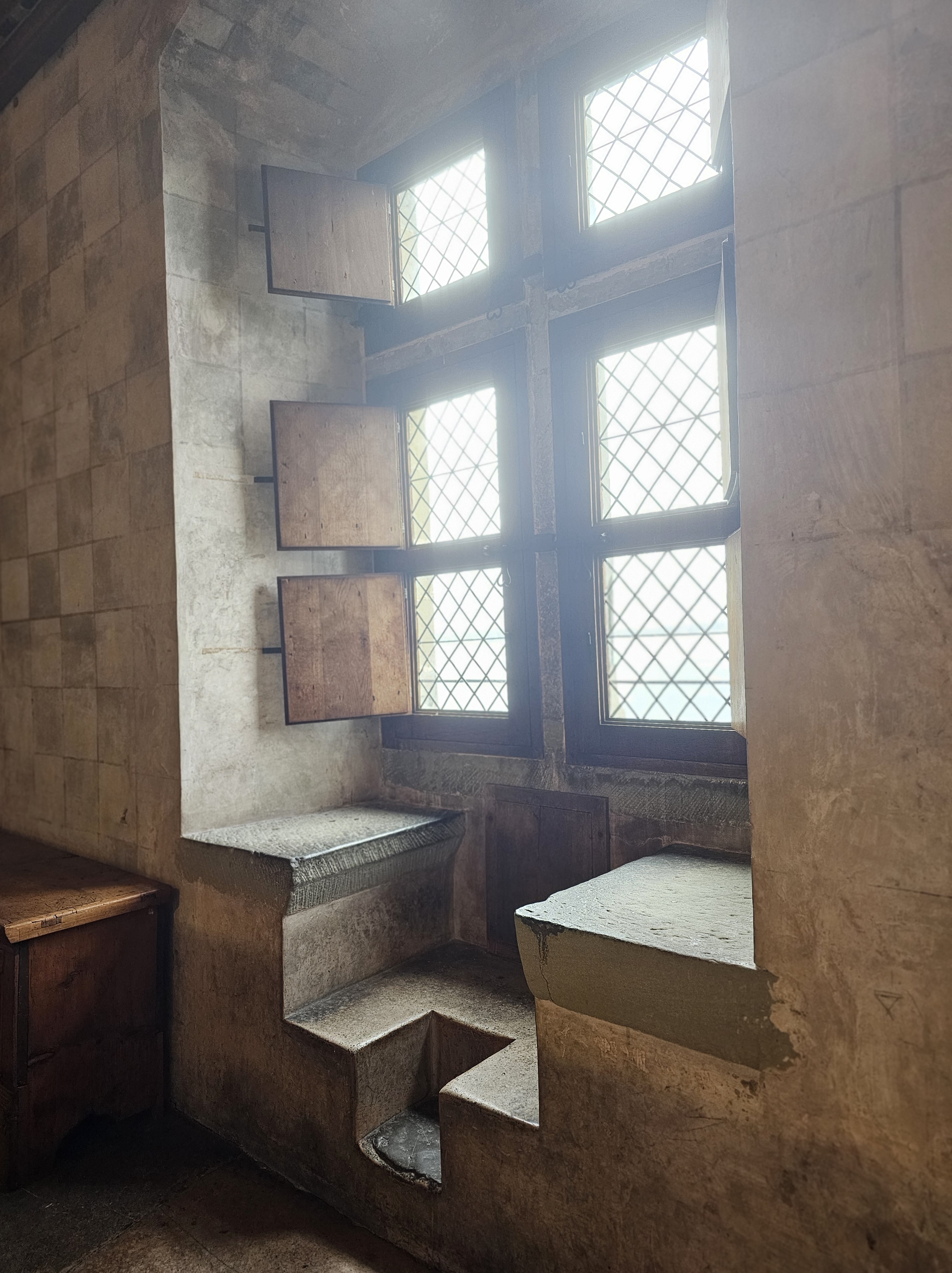
The Counts of Savoy used it as a residence as well as a fortress, and some of the rooms still contain remarkable medieval wall paintings. You can wander through the grand reception halls where important guests were entertained, then head downstairs into the enormous vaulted chambers beneath the castle.
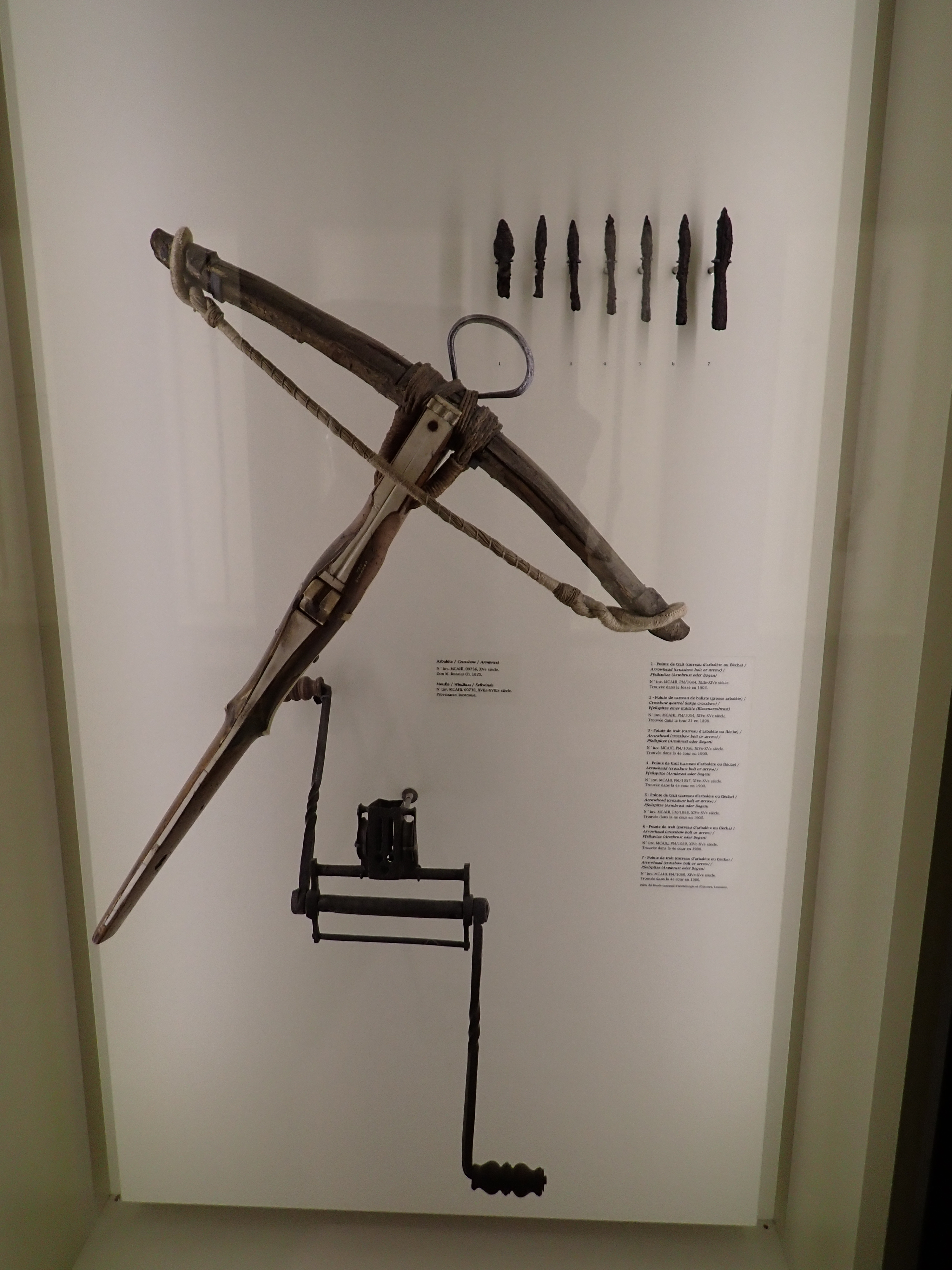

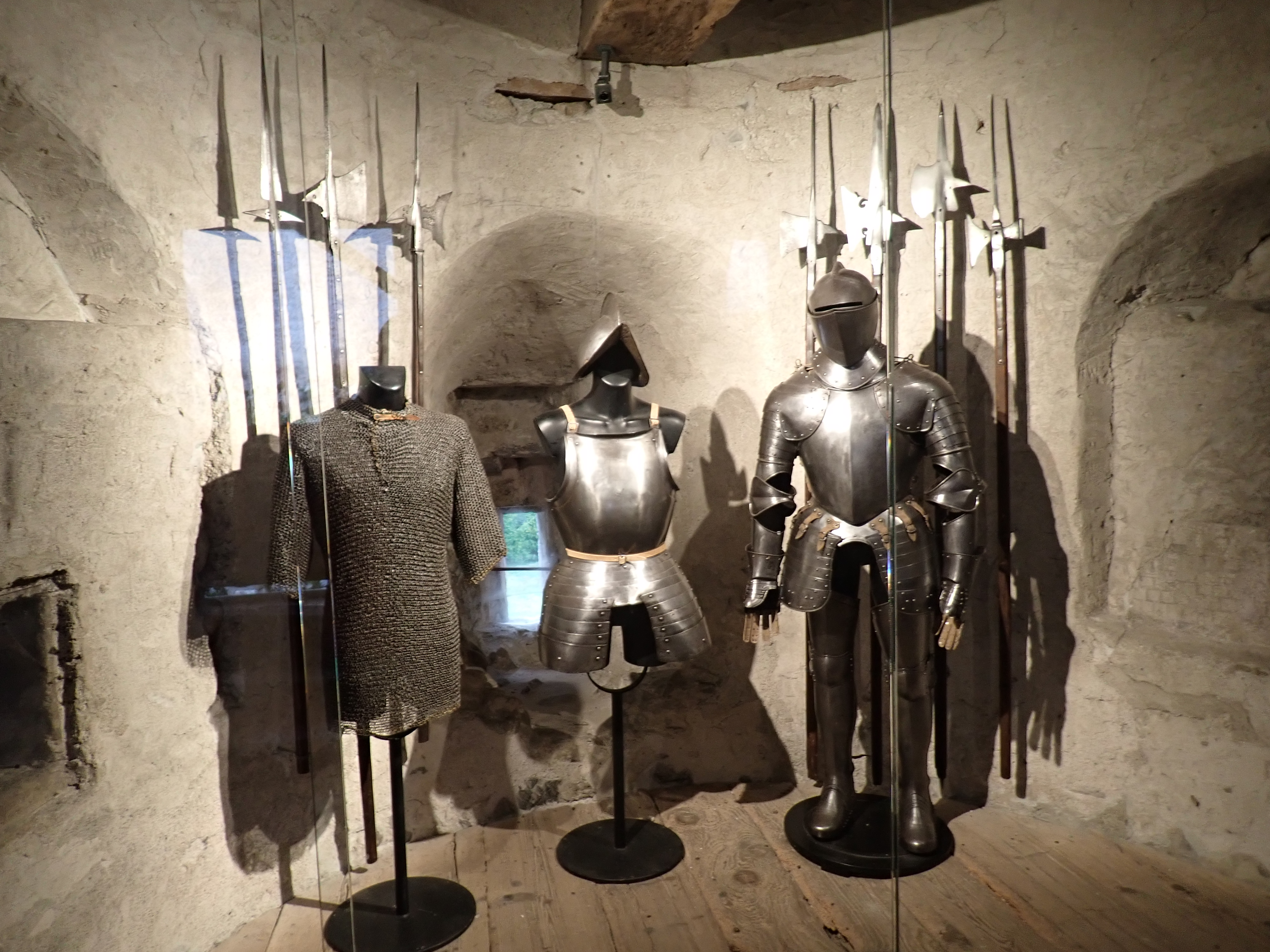
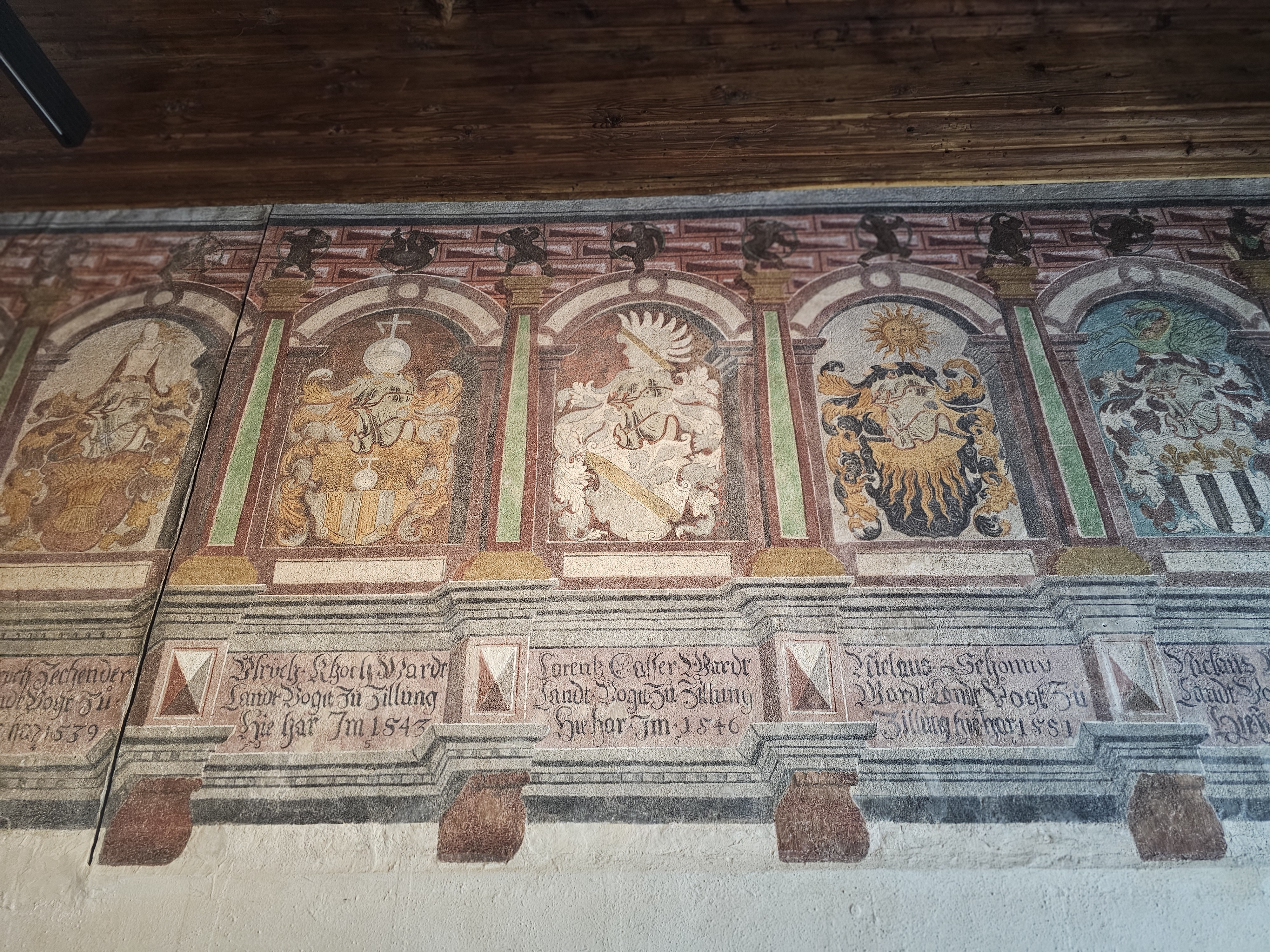
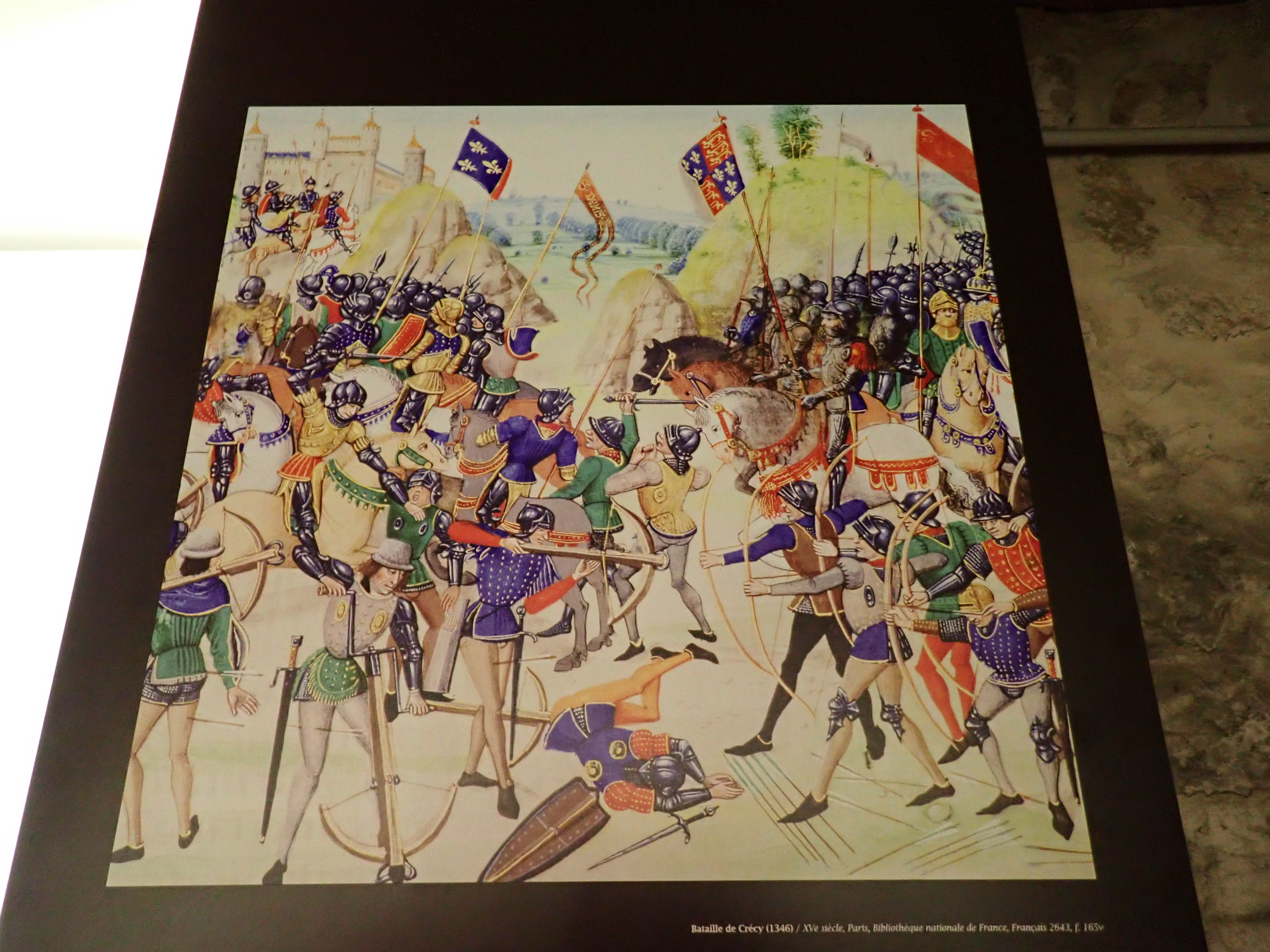
And that’s where things get rather darker.
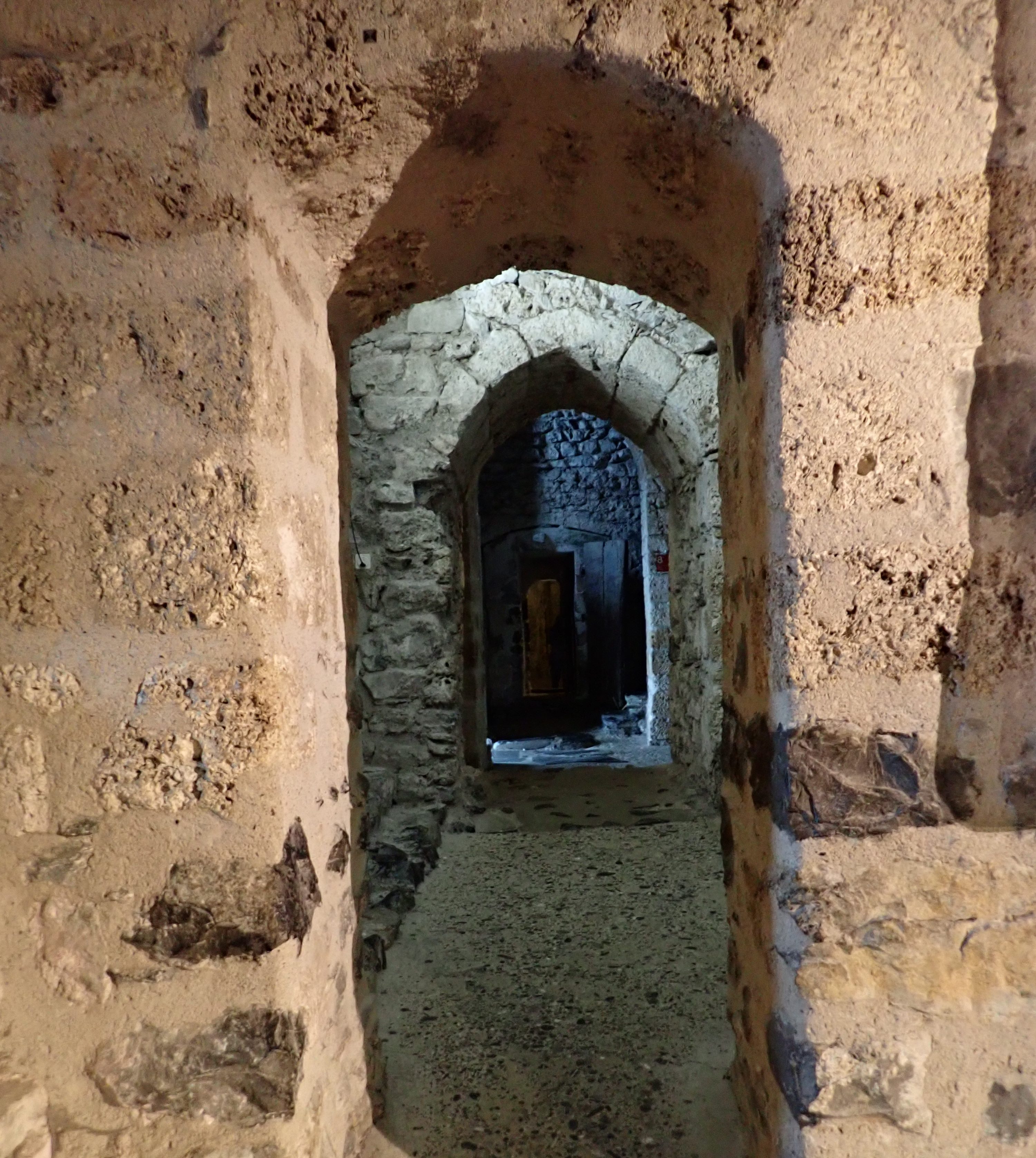
These underground rooms originally stored food, weapons and supplies, but parts were converted into a prison around 1290. With their massive stone pillars and Gothic arches, they almost resemble a cathedral, except that some of the people kept here weren’t exactly free to leave. Chillon also witnessed some genuinely horrific events. During the Black Death in 1348, Jewish people from nearby Villeneuve were falsely accused of poisoning wells and spreading the plague. Around forty imprisoned Jews were seized at Chillon, beaten and subsequently burned on the lakeshore without trial. It’s a particularly grim reminder of what fear and religious persecution could lead to in medieval Europe.
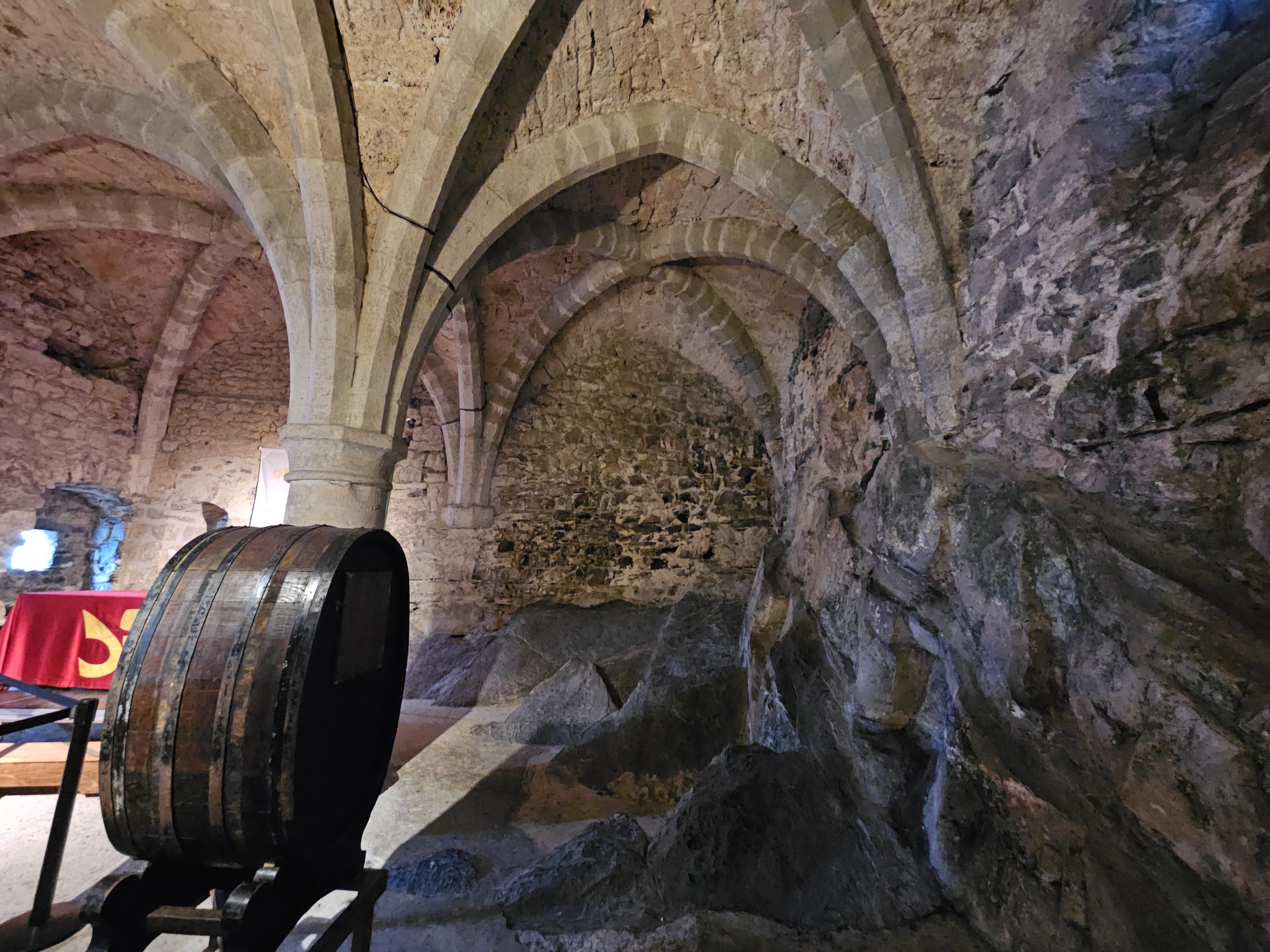
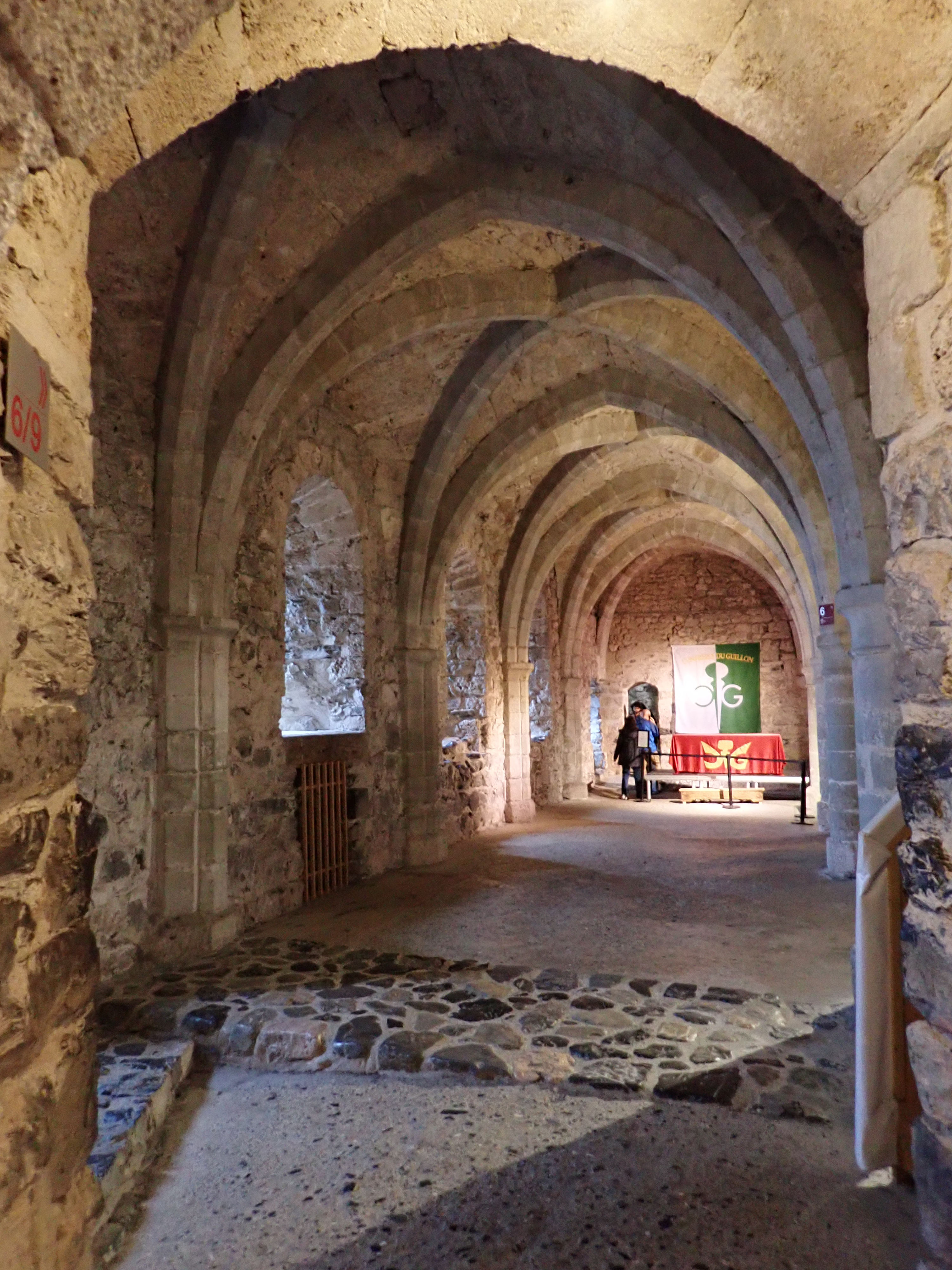
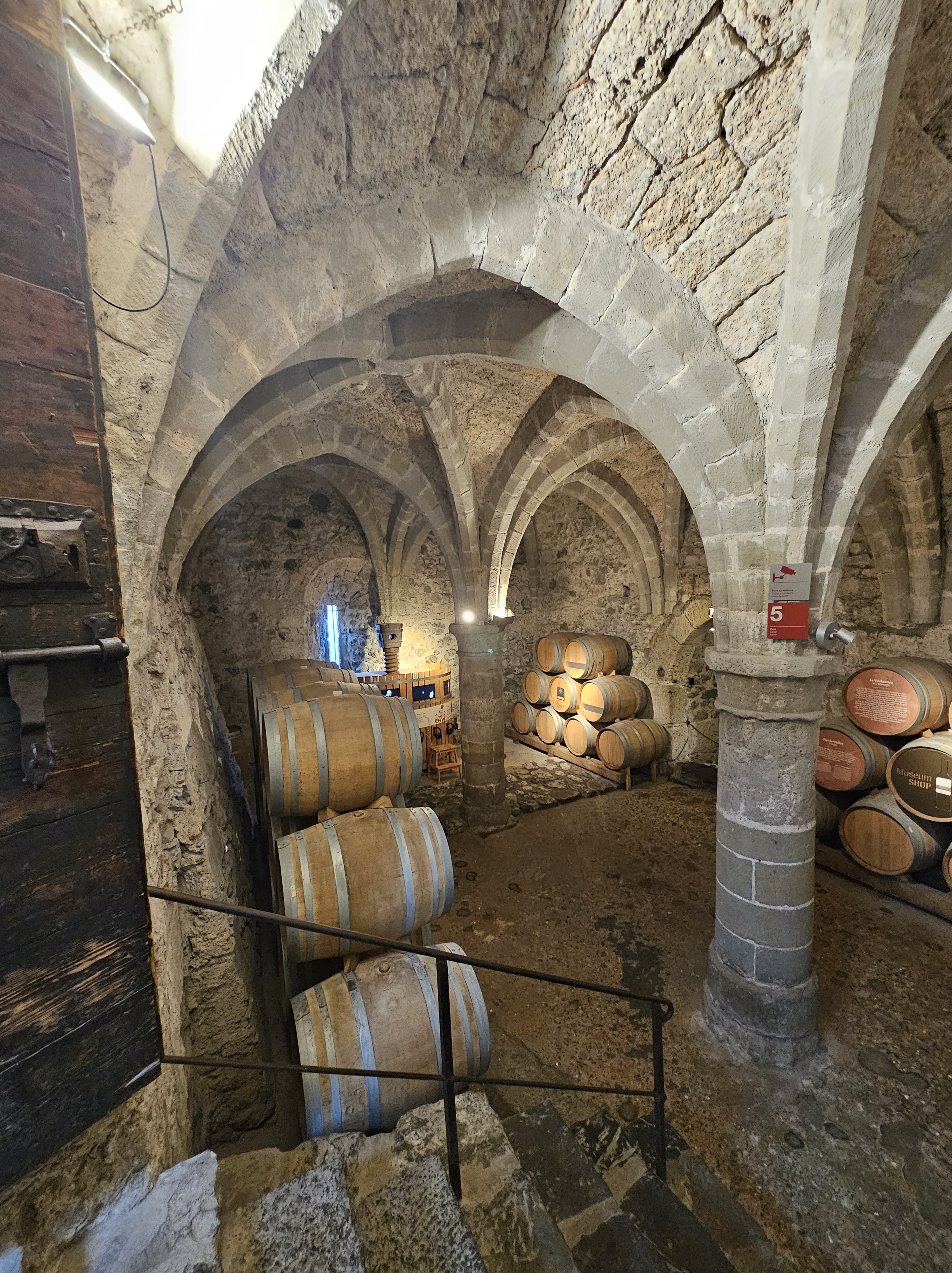
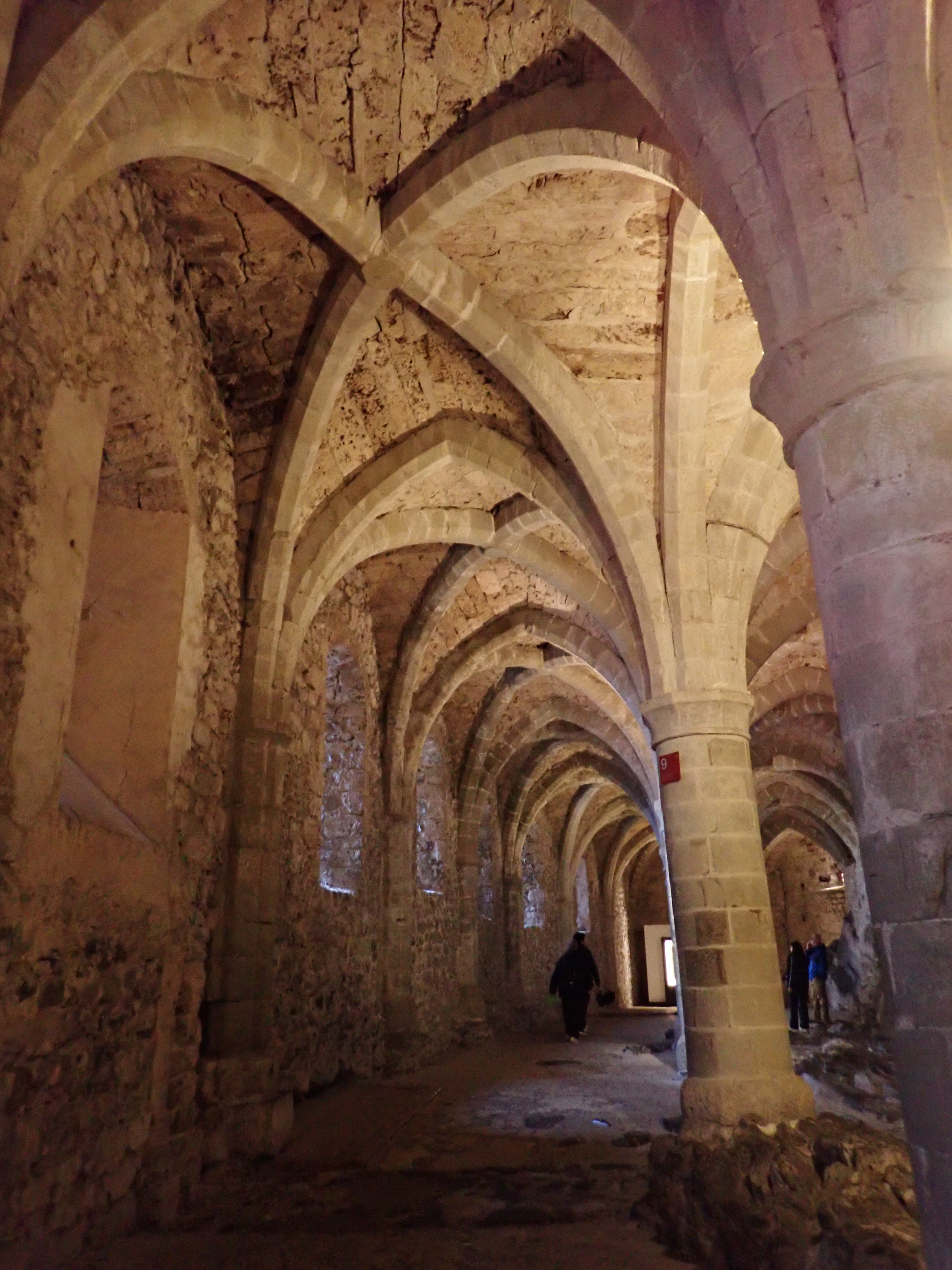
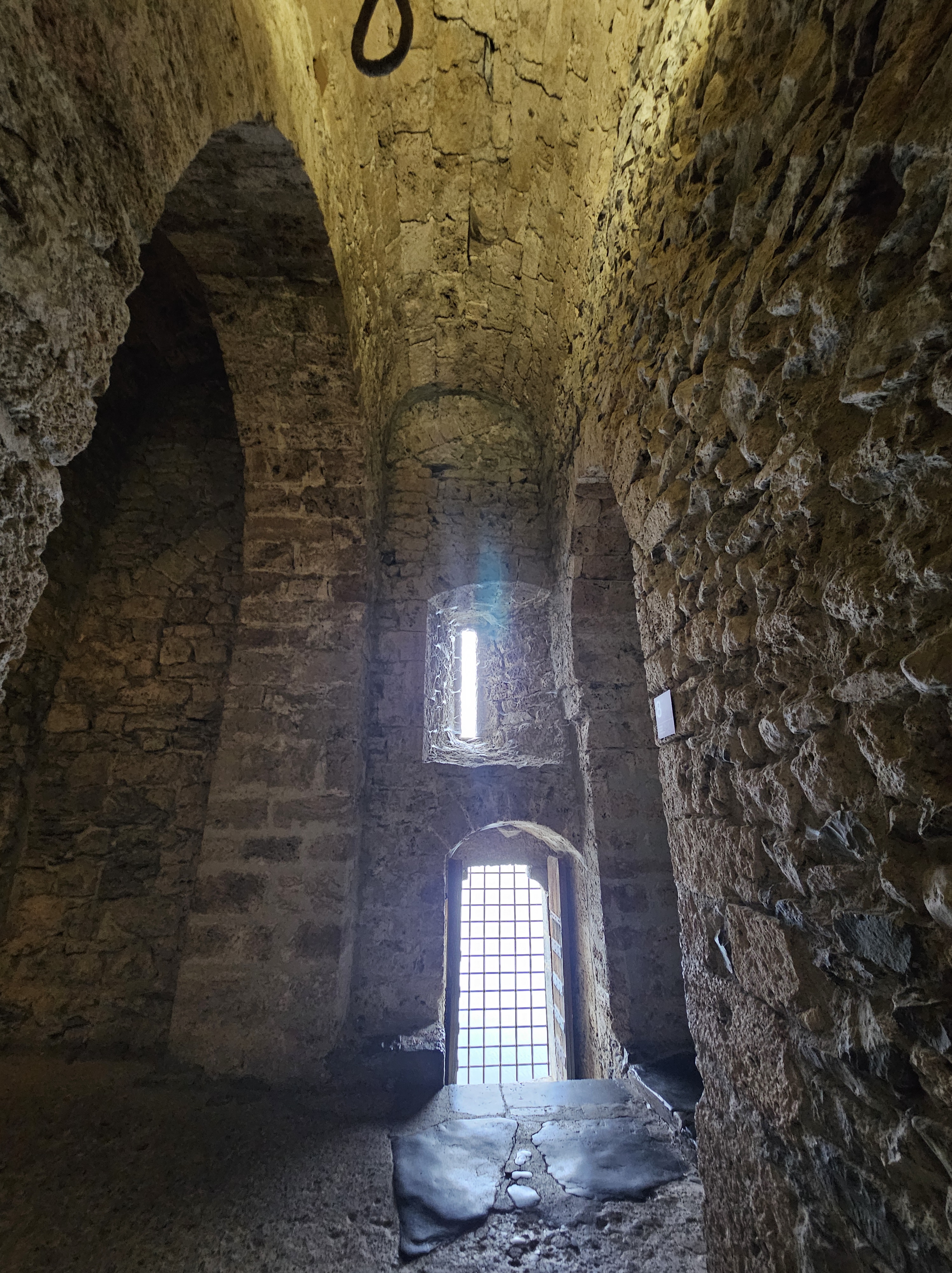
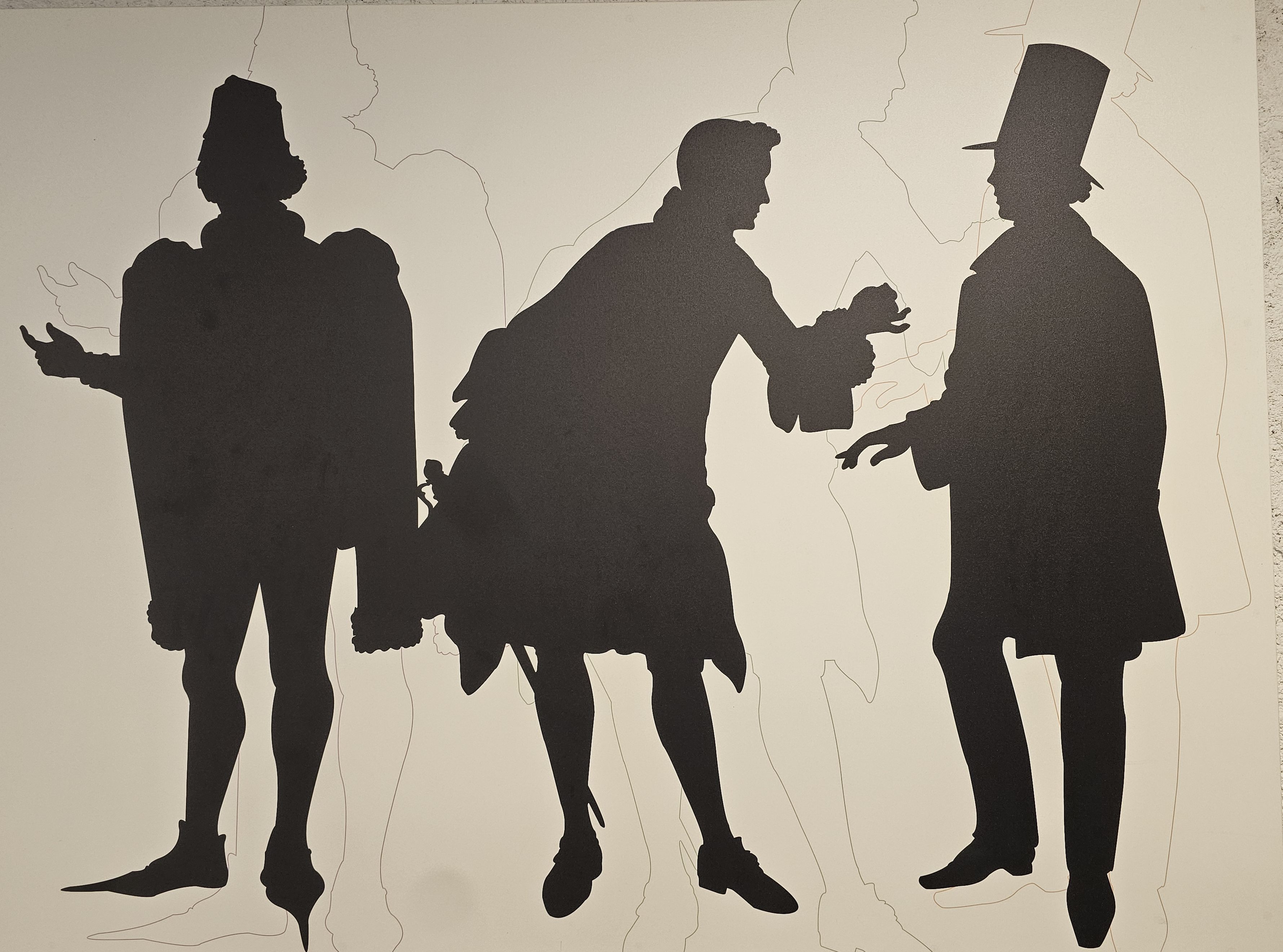
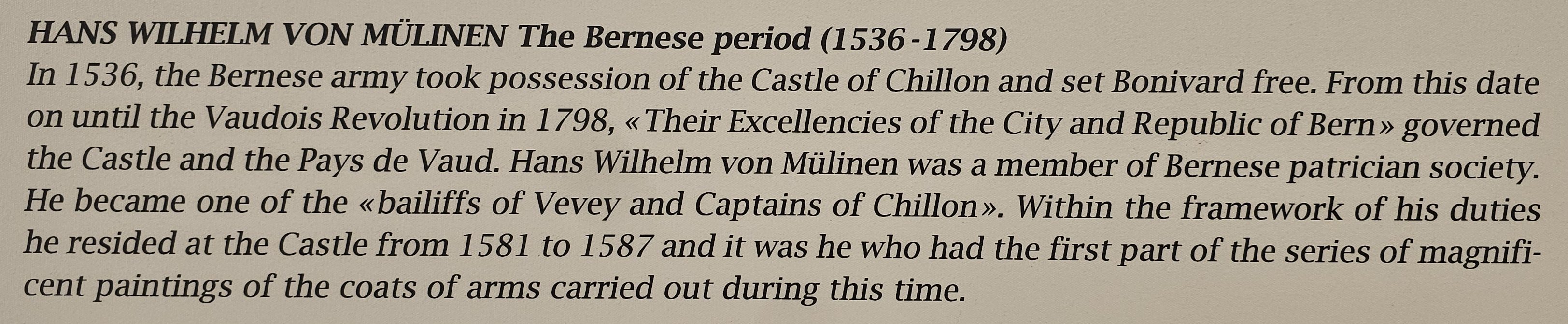
In 1536, the Bernese captured Chillon from the Savoys and turned it into the residence of their local governors. They stayed until 1798, when the people of Vaud finally threw off Bernese rule. The castle subsequently became an arsenal and state prison before developing into the historical monument we know today. And rather wonderfully, when tourists first started visiting in the 19th century, they could still encounter actual prisoners inside. Not quite the visitor experience you’d expect today.
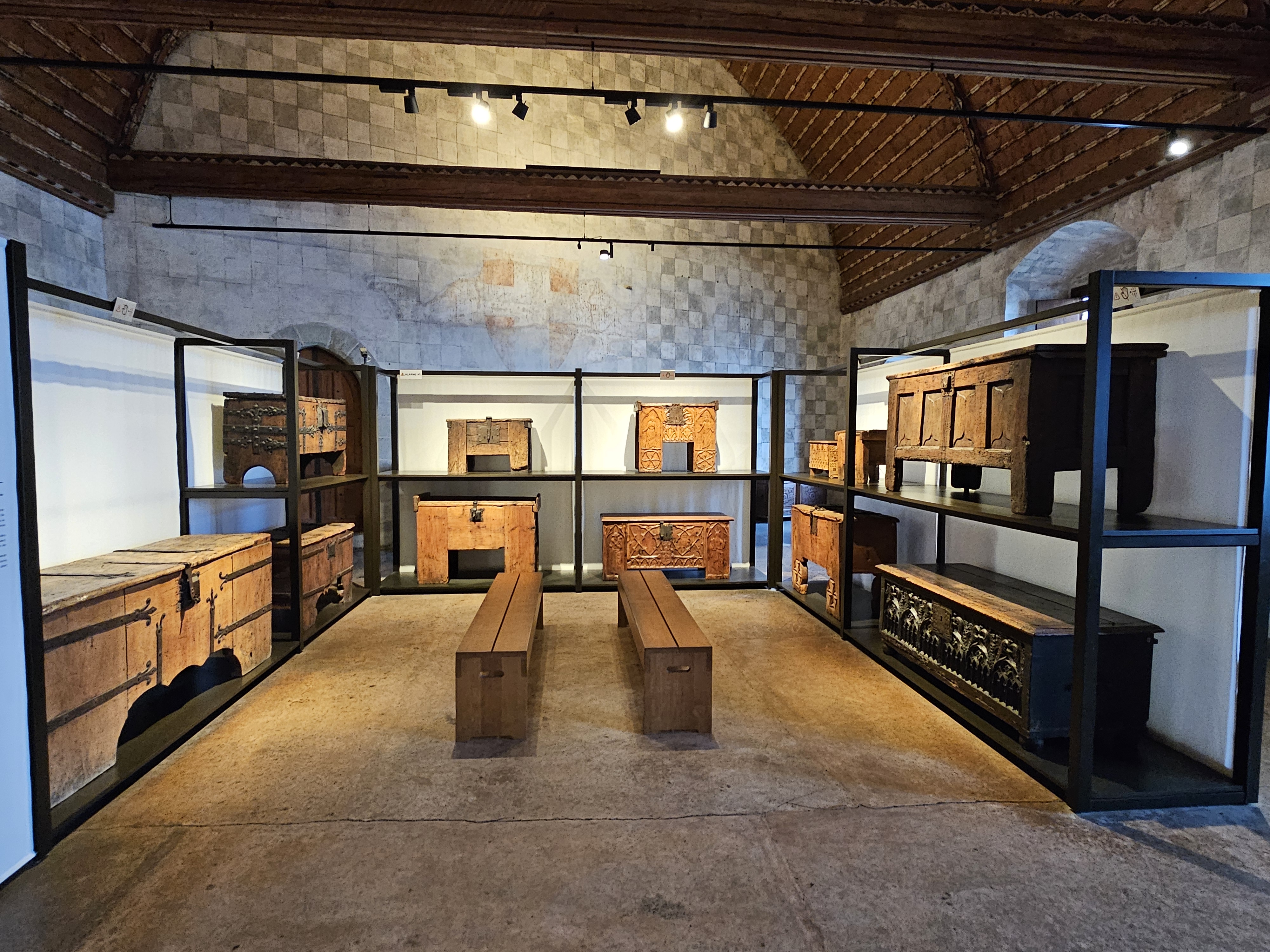
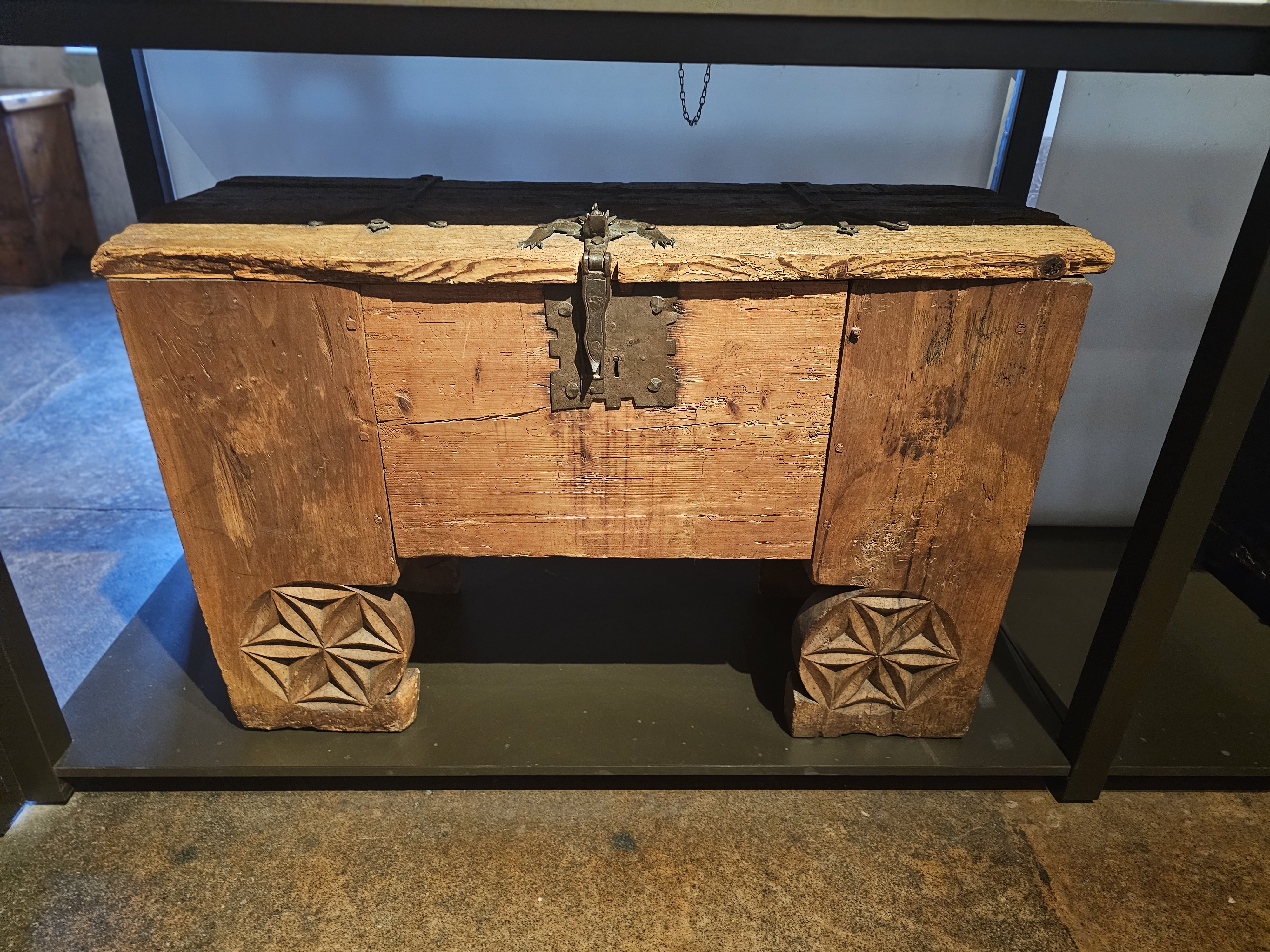
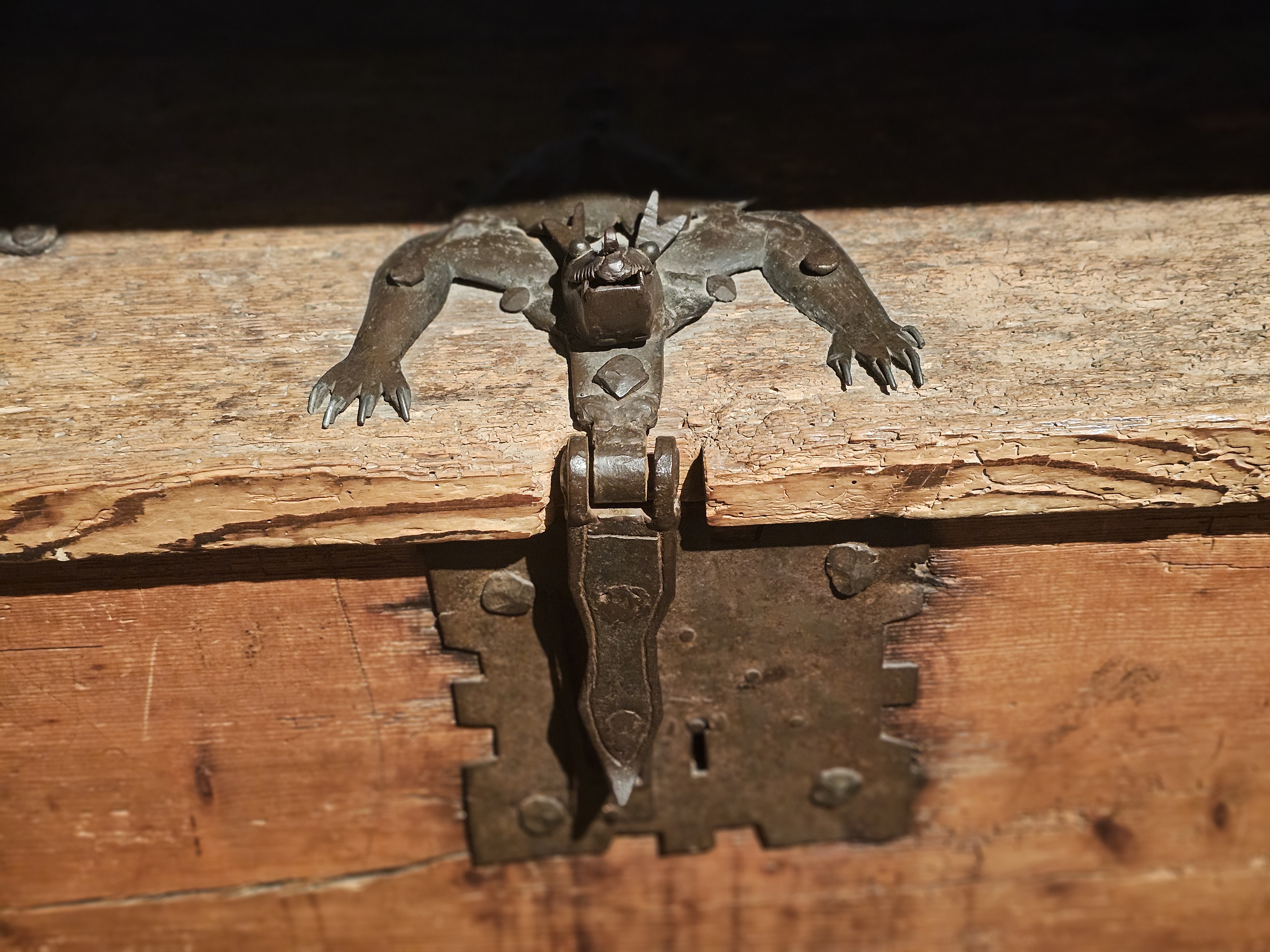
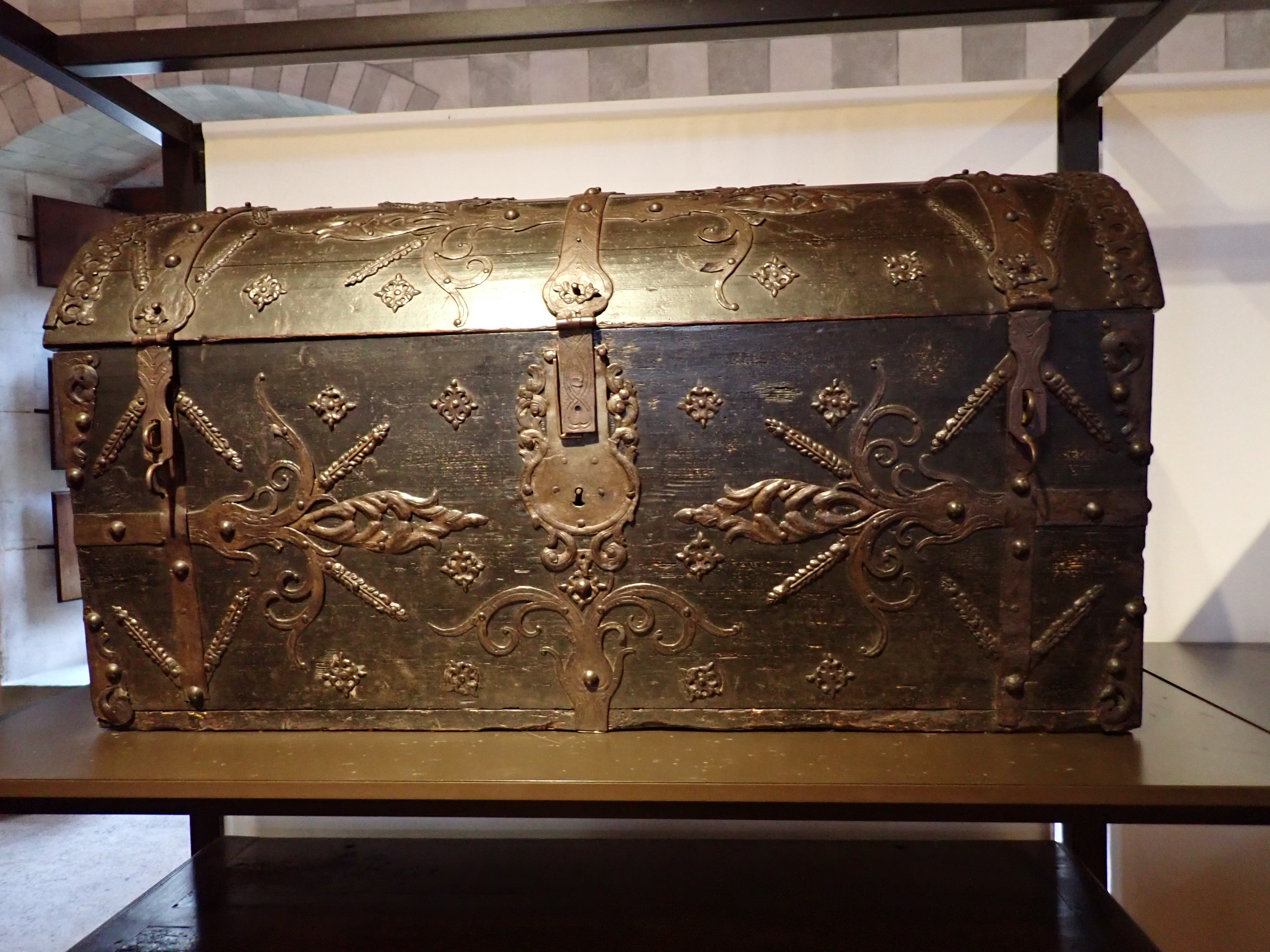
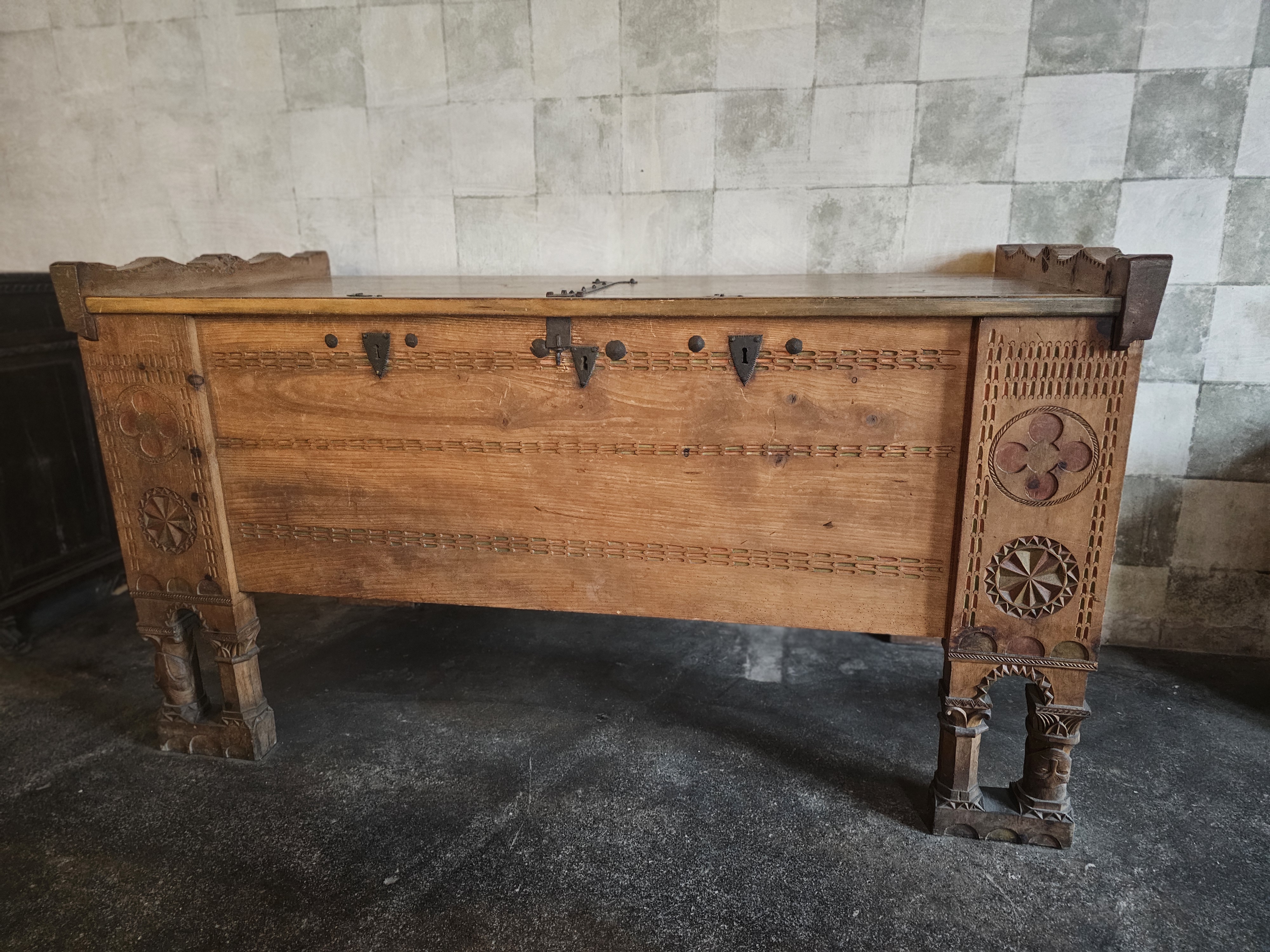
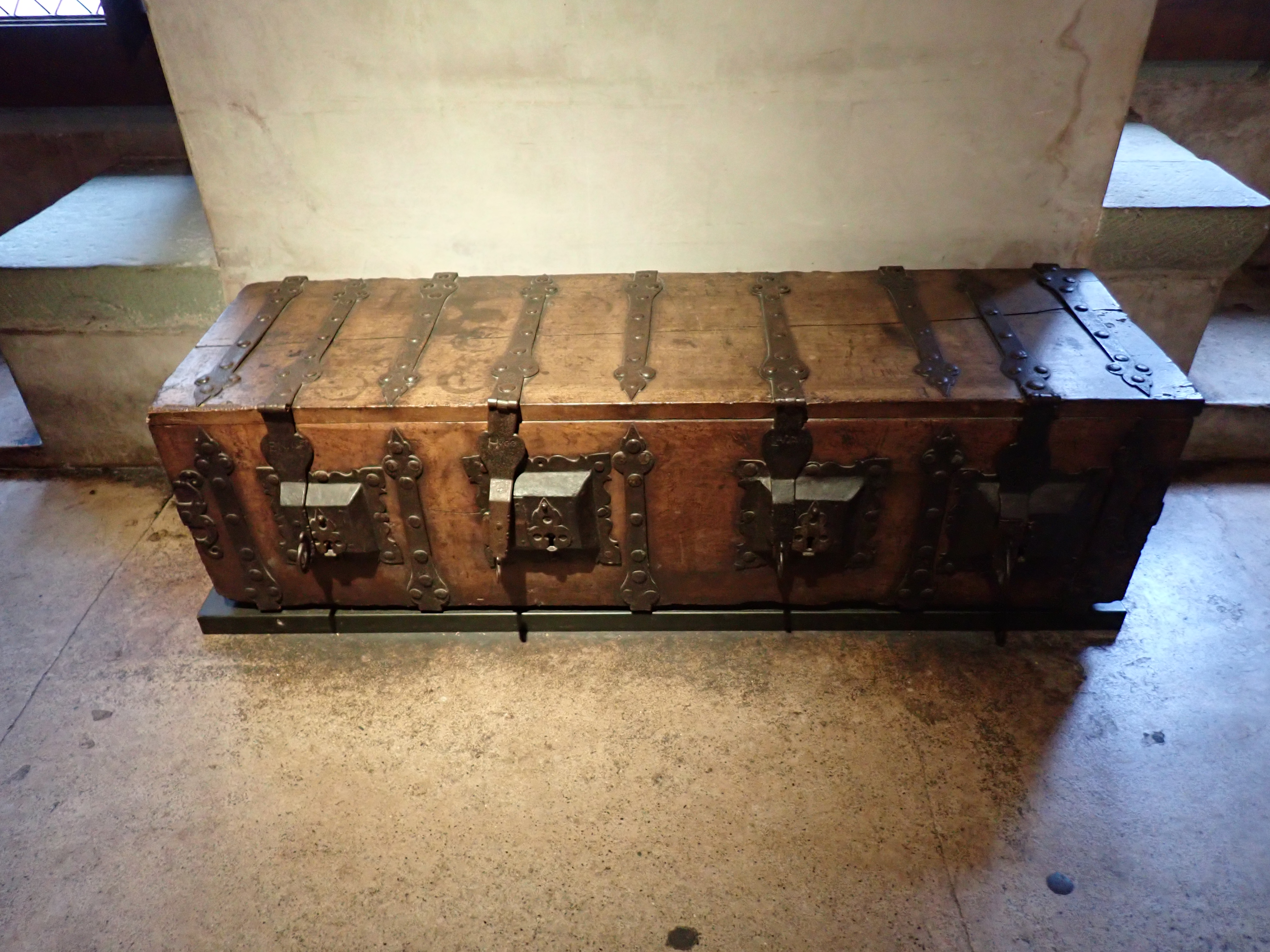
There is an entire exhibition dedicated to chests from all eras, which is particularly fascinating.
THE LITTLE TITBIT
Now, Chillon has one of the best stories of any Swiss castle, and the funny thing is that the real history is arguably more interesting than the famous legend.
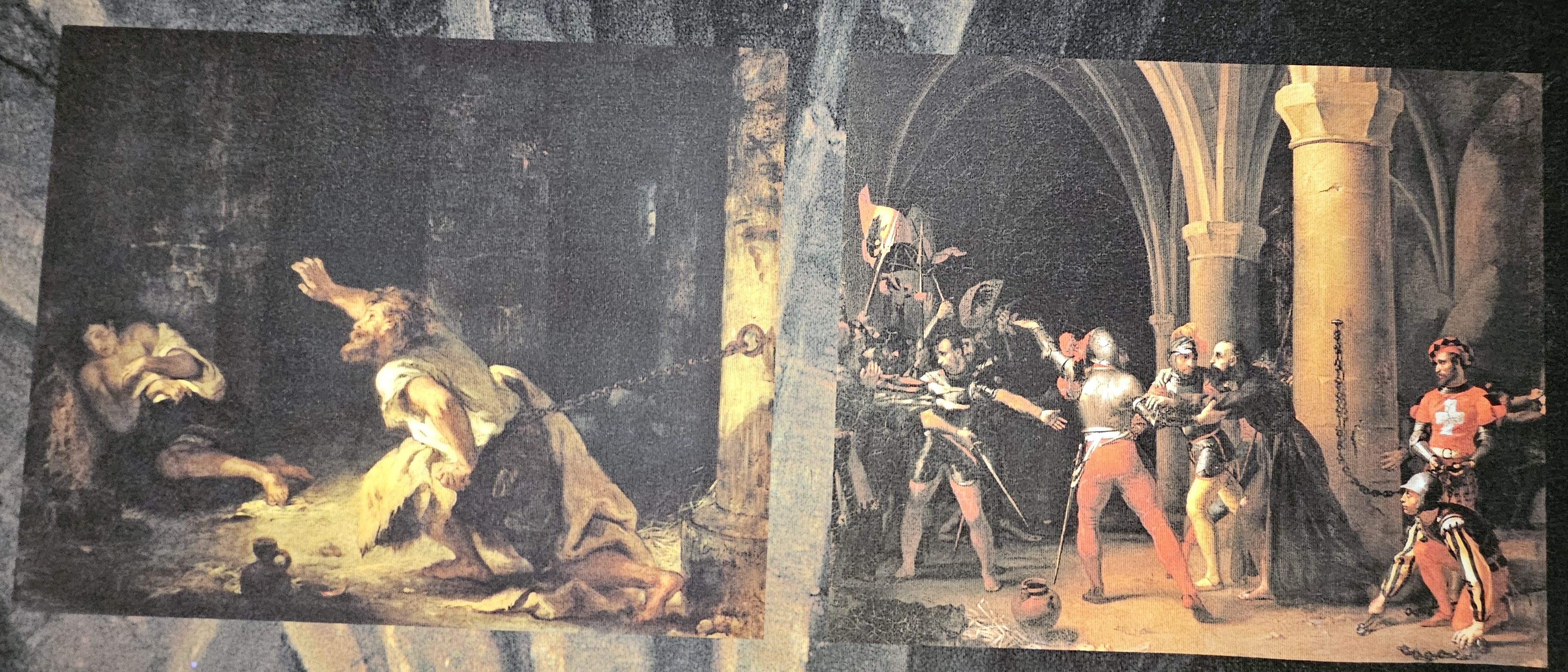
In 1530, a man called François Bonivard was thrown into Chillon’s prison by the Duke of Savoy. Bonivard was a former Catholic prior who had fallen out spectacularly with the duke, partly because he supported Geneva’s independence and partly because the duke had deprived him of his rather lucrative religious position. He spent six years imprisoned at Chillon, including several years in the underground dungeon, before the Bernese army liberated him in 1536. Almost 300 years later, in 1816, Lord Byron visited the castle, heard Bonivard’s story and wrote The Prisoner of Chillon, turning him into a romantic hero and symbol of freedom. The poem became enormously popular, and Chillon’s reputation as a tourist attraction took off.
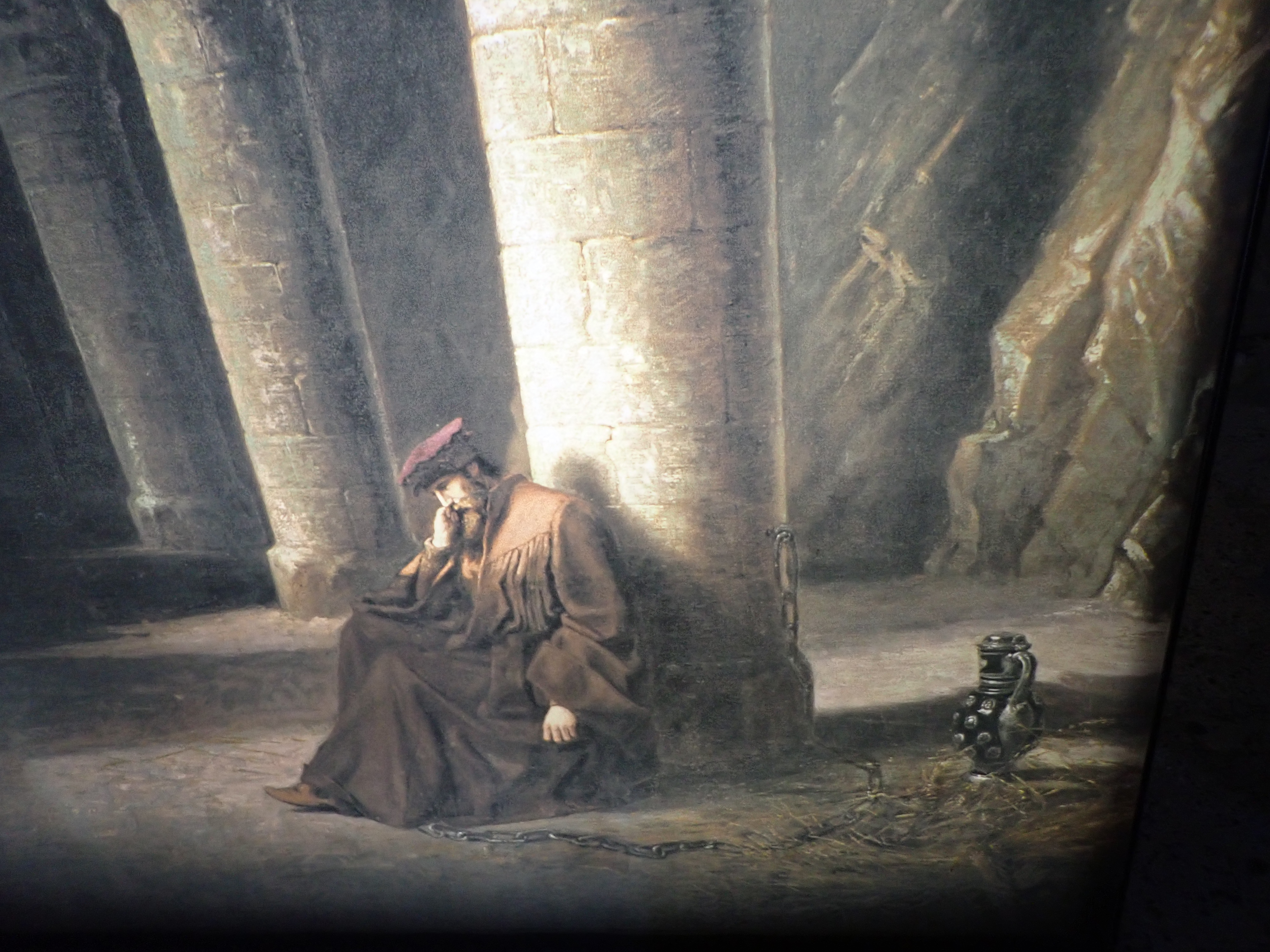
But here’s where the story gets interesting.
The real Bonivard was rather less saintly than Byron’s version.
After his release, he returned to Geneva, converted to Protestantism, became a historian and married four times. And his private life was anything but quiet.
He was frequently short of money, enjoyed entertaining friends and managed to attract the attention of Geneva’s strict religious authorities. His fourth marriage was particularly disastrous. Bonivard, by then approaching seventy, married a former nun called Catherine de Courtarouvel. Unfortunately, Catherine was subsequently accused of adultery, which in Calvin’s Geneva was a very serious offence. She was eventually sentenced to death and drowned in the Rhône. Her lover was beheaded. Bonivard himself lived until 1570, dying at around 77 years old. So the man immortalised as the tragic, lonely prisoner of Chillon actually survived his imprisonment, married four women, caused plenty of scandal and lived for another 34 years after being released.
Not quite the ending Lord Byron had in mind.
And then there’s Byron himself.
If you visit the underground prison today, you’ll see the poet’s name carved into one of the stone pillars. For years, the story has been that Byron scratched it there during his visit in 1816. Except there’s a problem. Nobody has ever conclusively proved that he actually did it.
Some historians believe the inscription is genuine. Others suspect it may have been added by the castle’s guides after Byron’s poem became famous, as a clever way of attracting more visitors. The signature was certainly there by August 1817, but nobody knows for sure whose hand carved it. So there’s a very real possibility that one of Switzerland’s most famous pieces of literary graffiti was actually an early tourist marketing stunt.
And if that’s true, you have to admire the ingenuity. Two hundred years later, people are still coming to look at it.
One final little detail I rather like.
When Byron returned to Chillon in September 1816, he was shown around by a castle guard described as drunk and deaf, who apparently shouted his way through the castle’s history. Imagine being one of the world’s most famous poets, arriving at this magnificent medieval fortress looking for inspiration, only to find your tour guide is drunk and practically yelling the entire time.
Some things about tourism clearly haven’t changed much in 200 years.