Zug, Switzerland
THE LOWDOWN
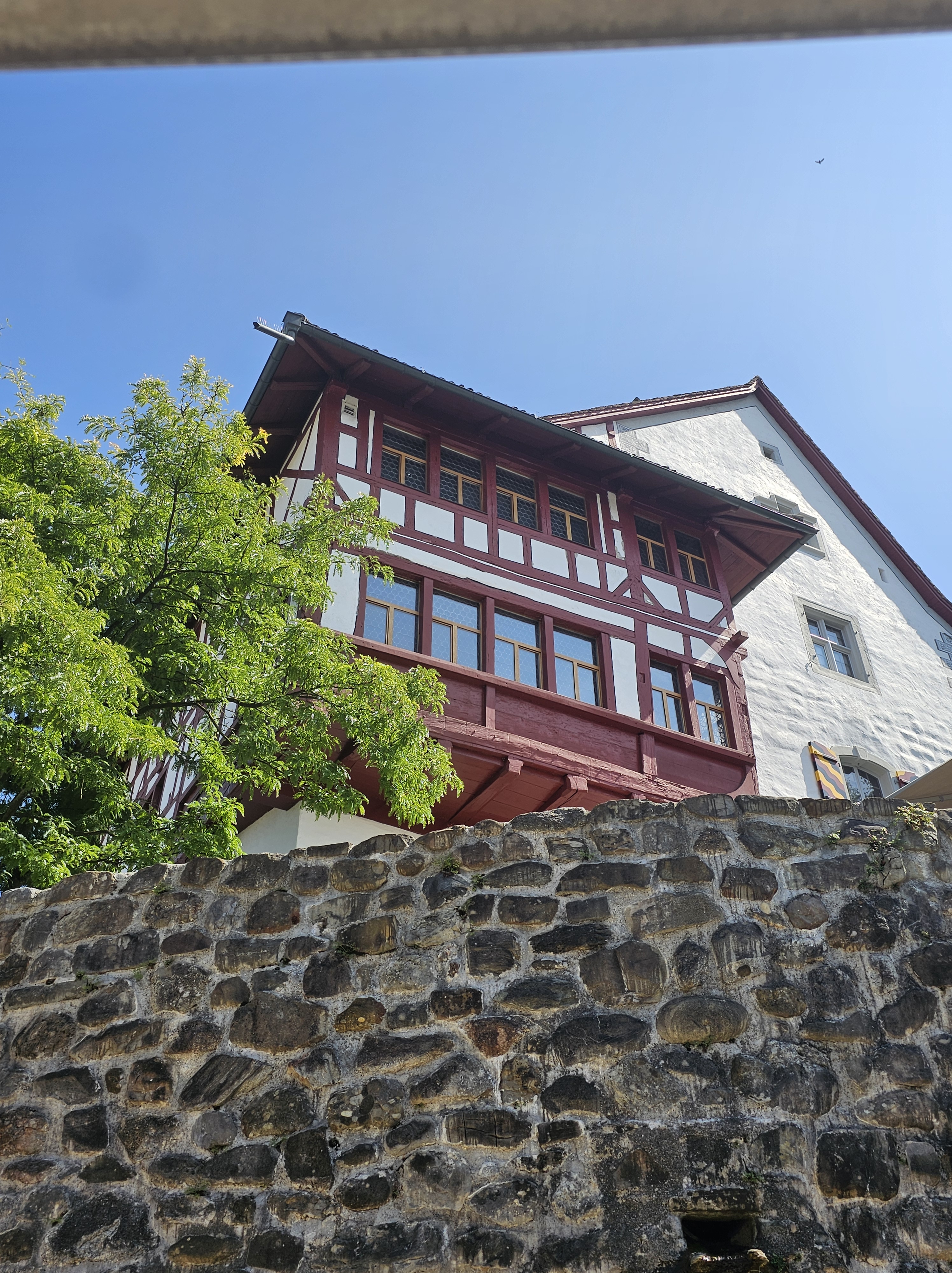
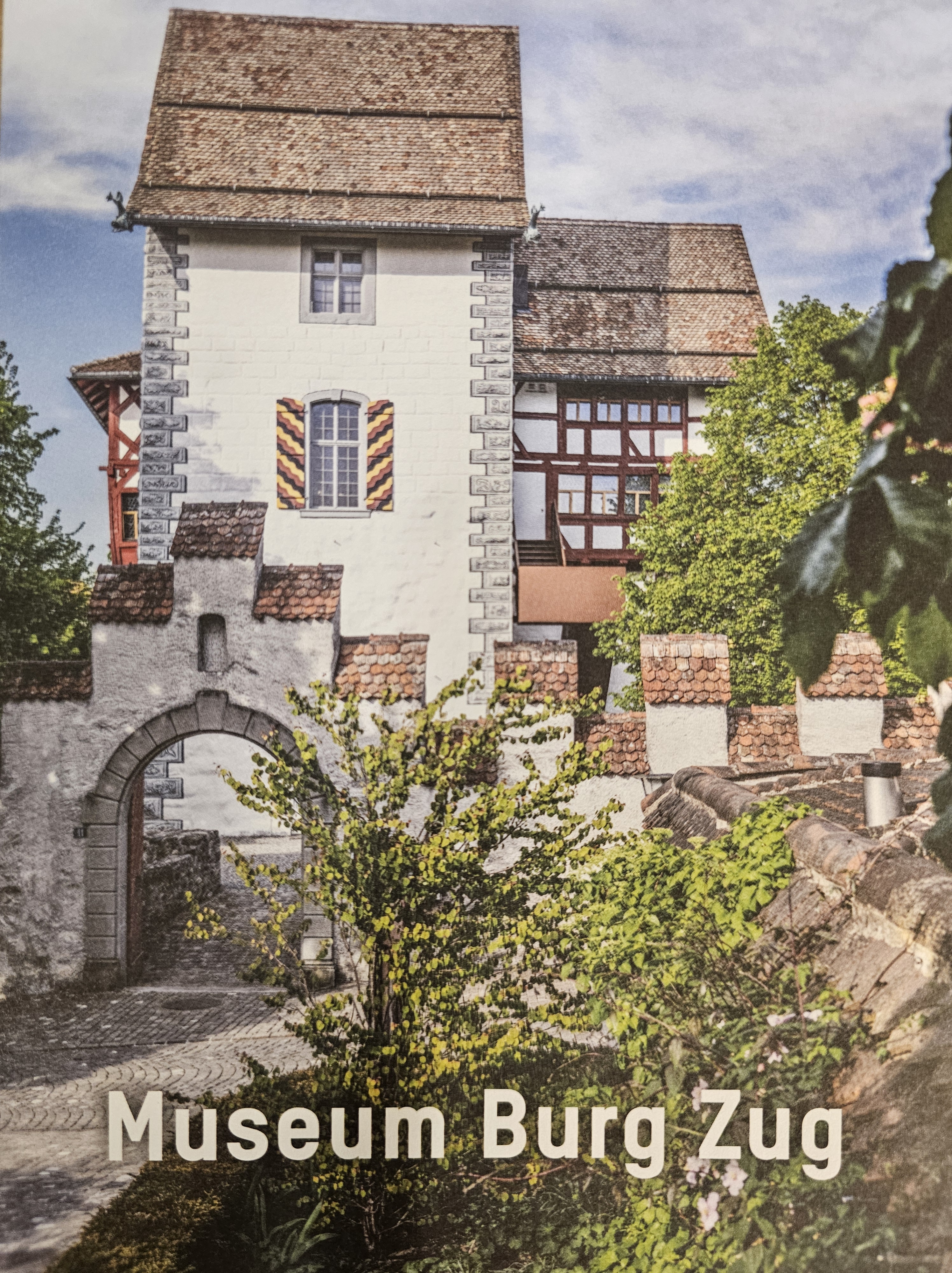
Right in the heart of Zug’s old town sits this little castle — the oldest surviving secular building in the whole city — and honestly, nobody actually knows who built it. Its origins go back to the 12th century, but archaeologists have found evidence of 26 separate building phases stretching all the way from the 8th century to the 20th, so this place has basically been under construction, on and off, for well over a thousand years.
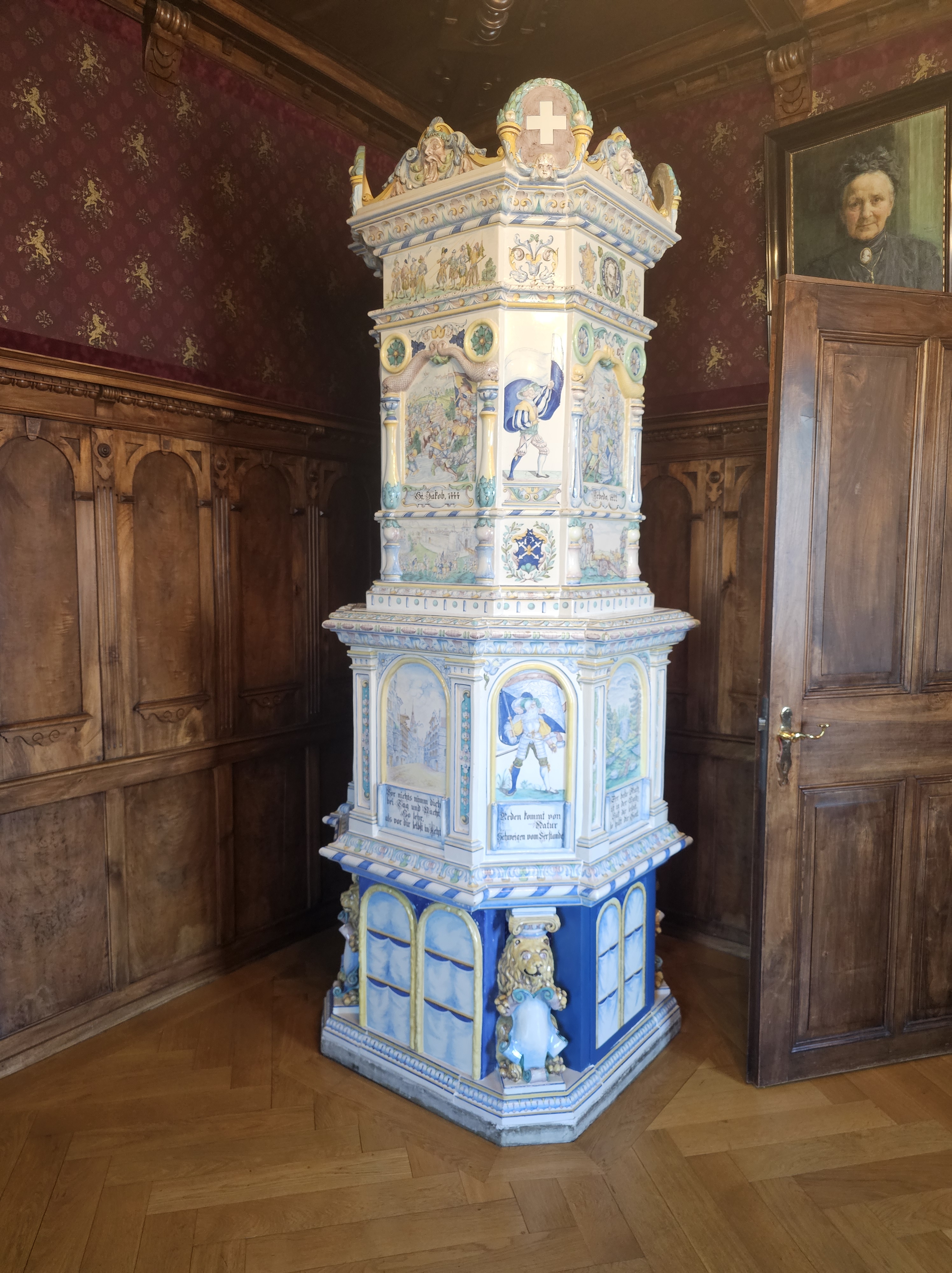
ROUND THE CASTLE
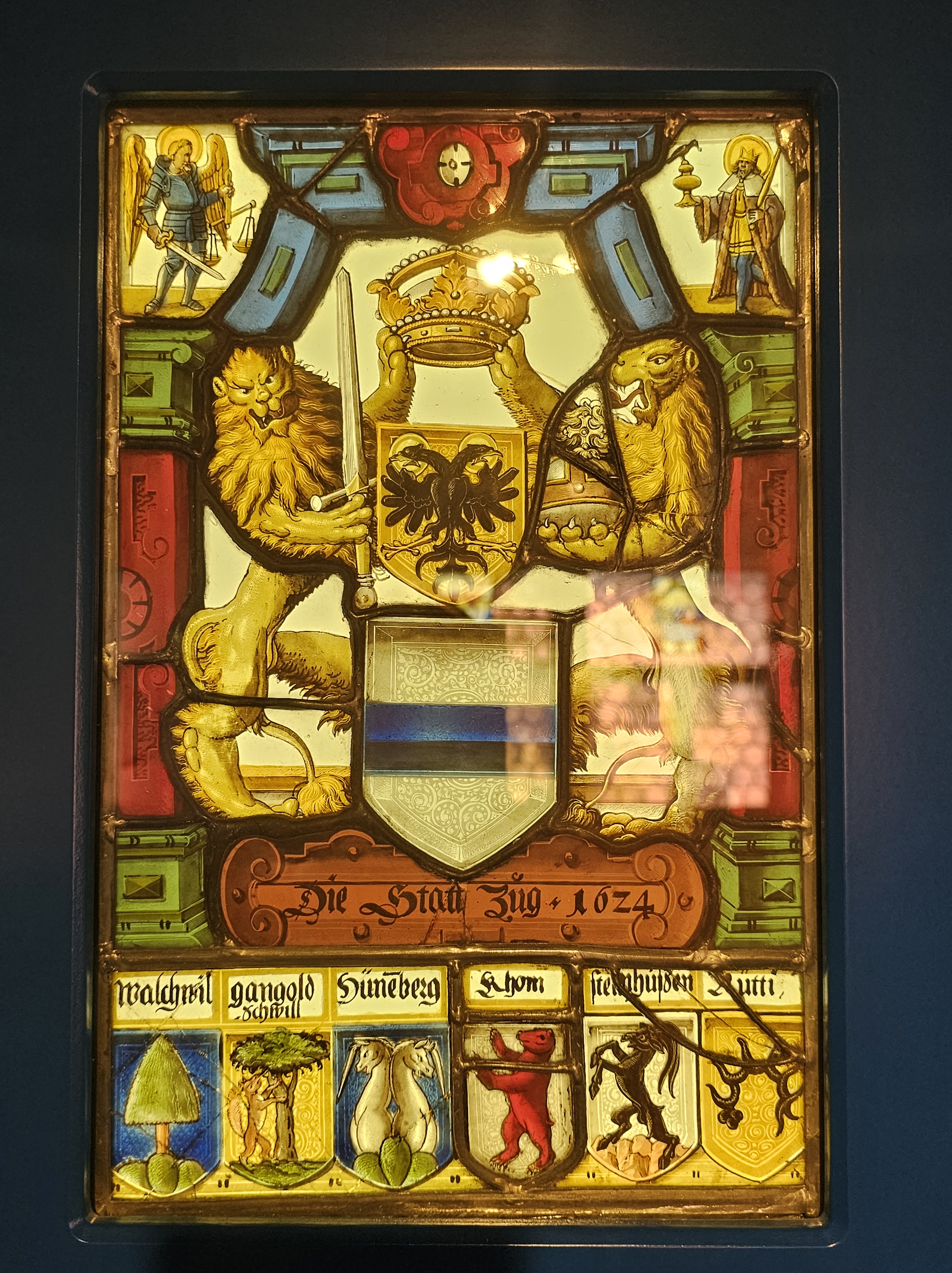
What we do know is that by around 1300 it had ended up in Habsburg hands, who sometimes leased it out to the Knights of Hünenberg. After Zug was forced into the Swiss Confederation in 1352, a local nobleman called Peter von Hünenberg became its first private owner, and from there it settled into life as a rather grand residence for a string of important Zug families right up until relatively modern times. Between 1979 and 1982 it got a full restoration and reopened in 1983 as the town’s historical museum, with over 50,000 artefacts documenting Zug’s history — including, rather brilliantly, a fully preserved early 20th-century pharmacy tucked inside a medieval building.
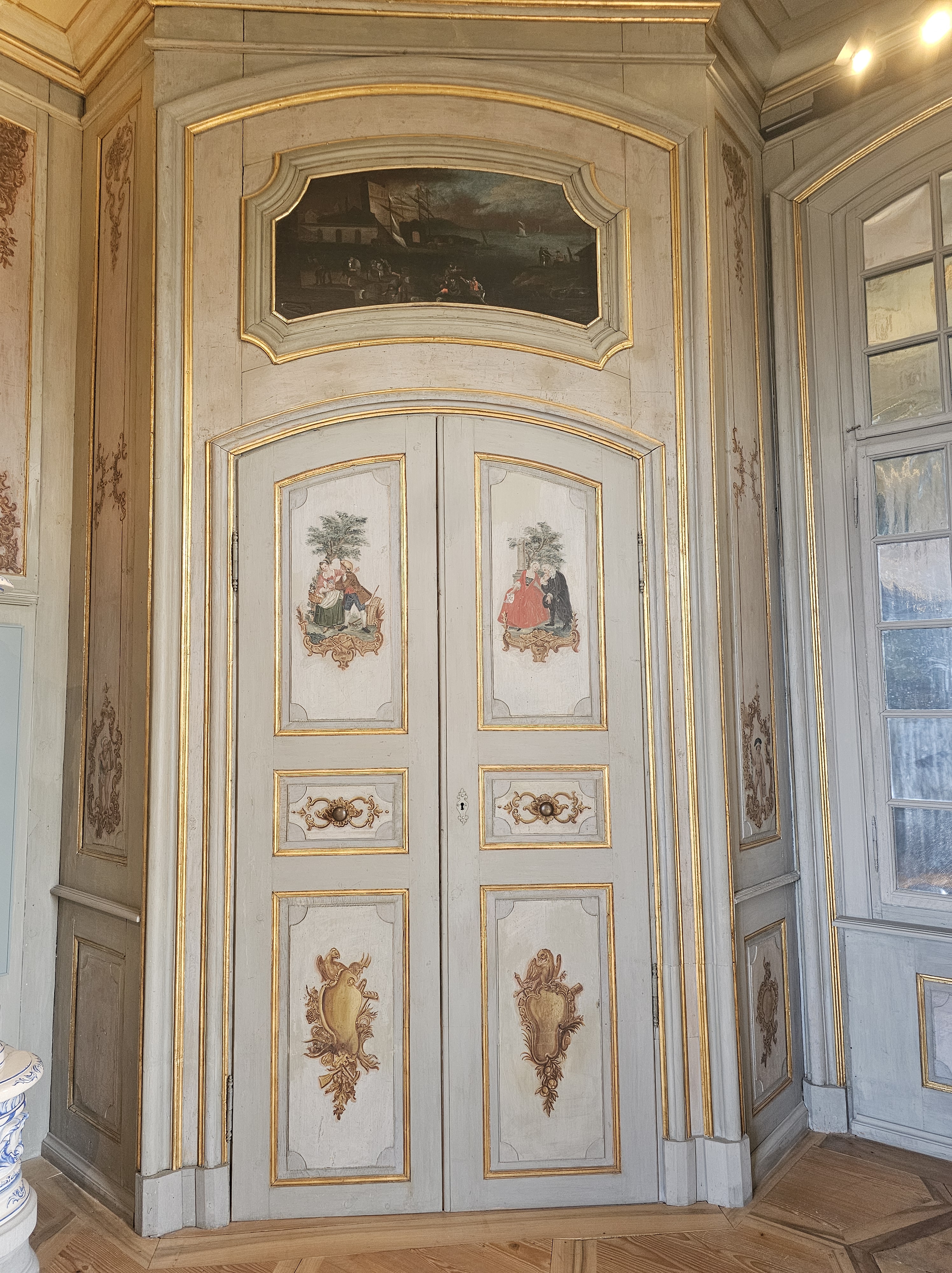
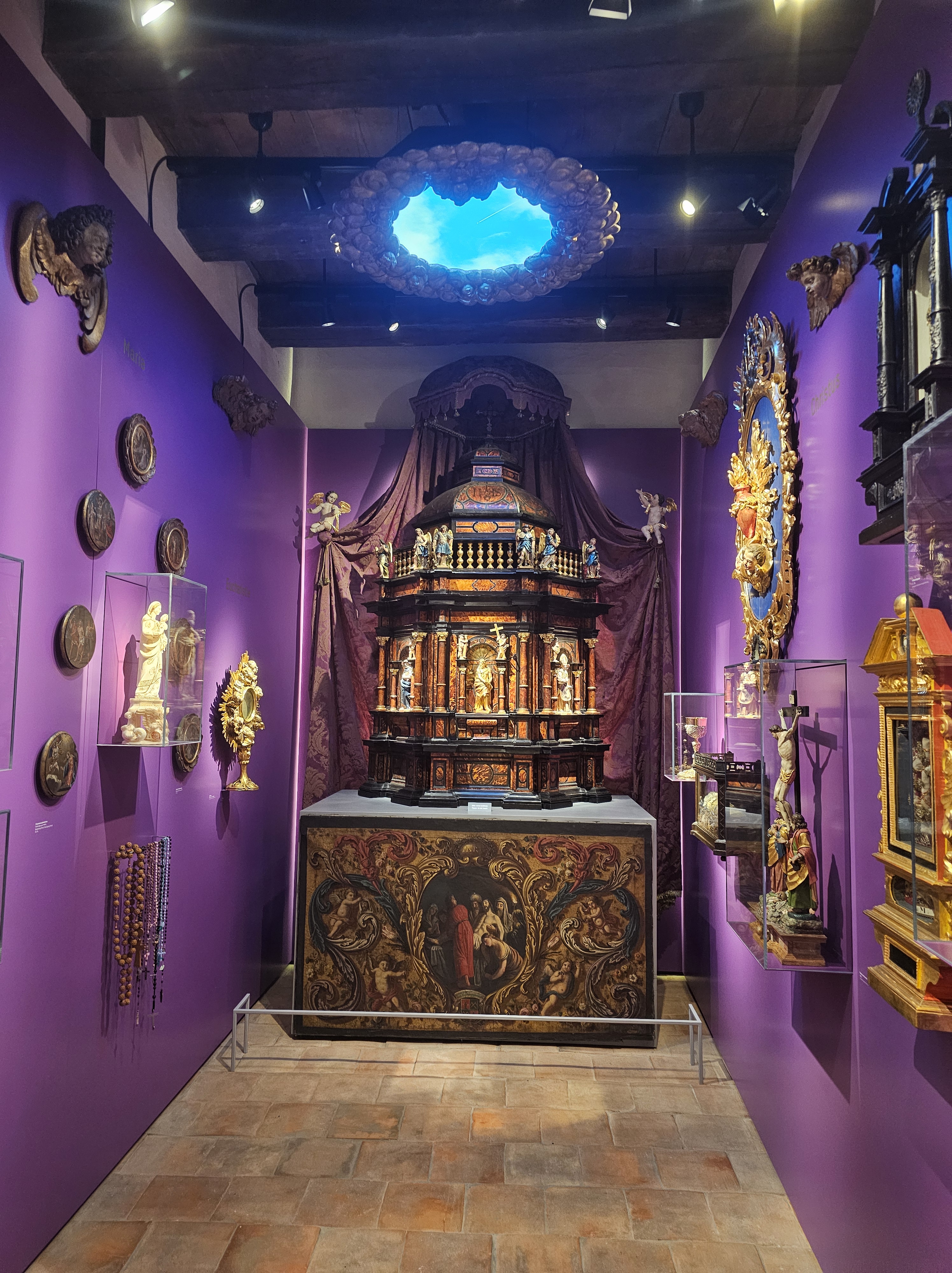
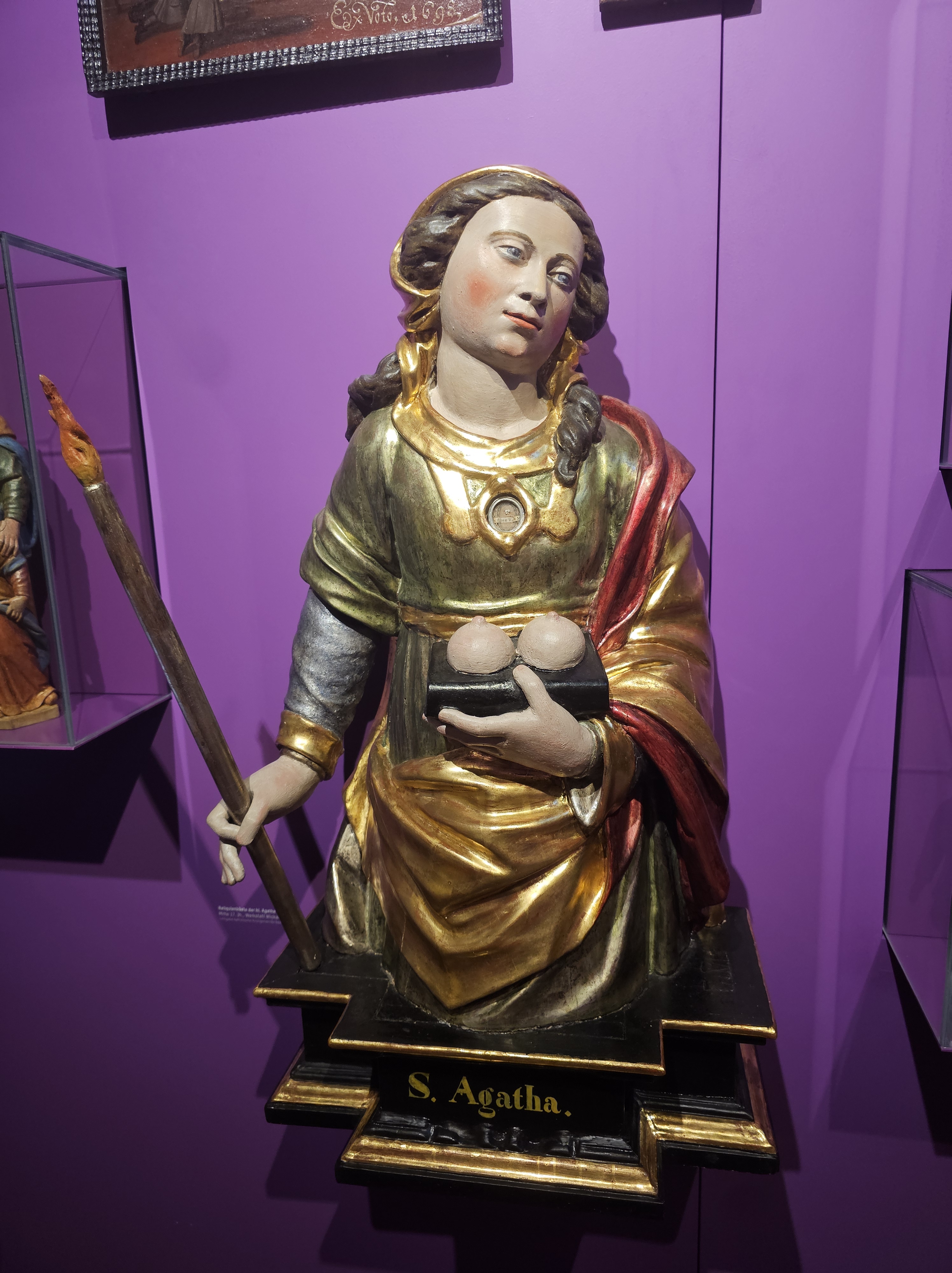
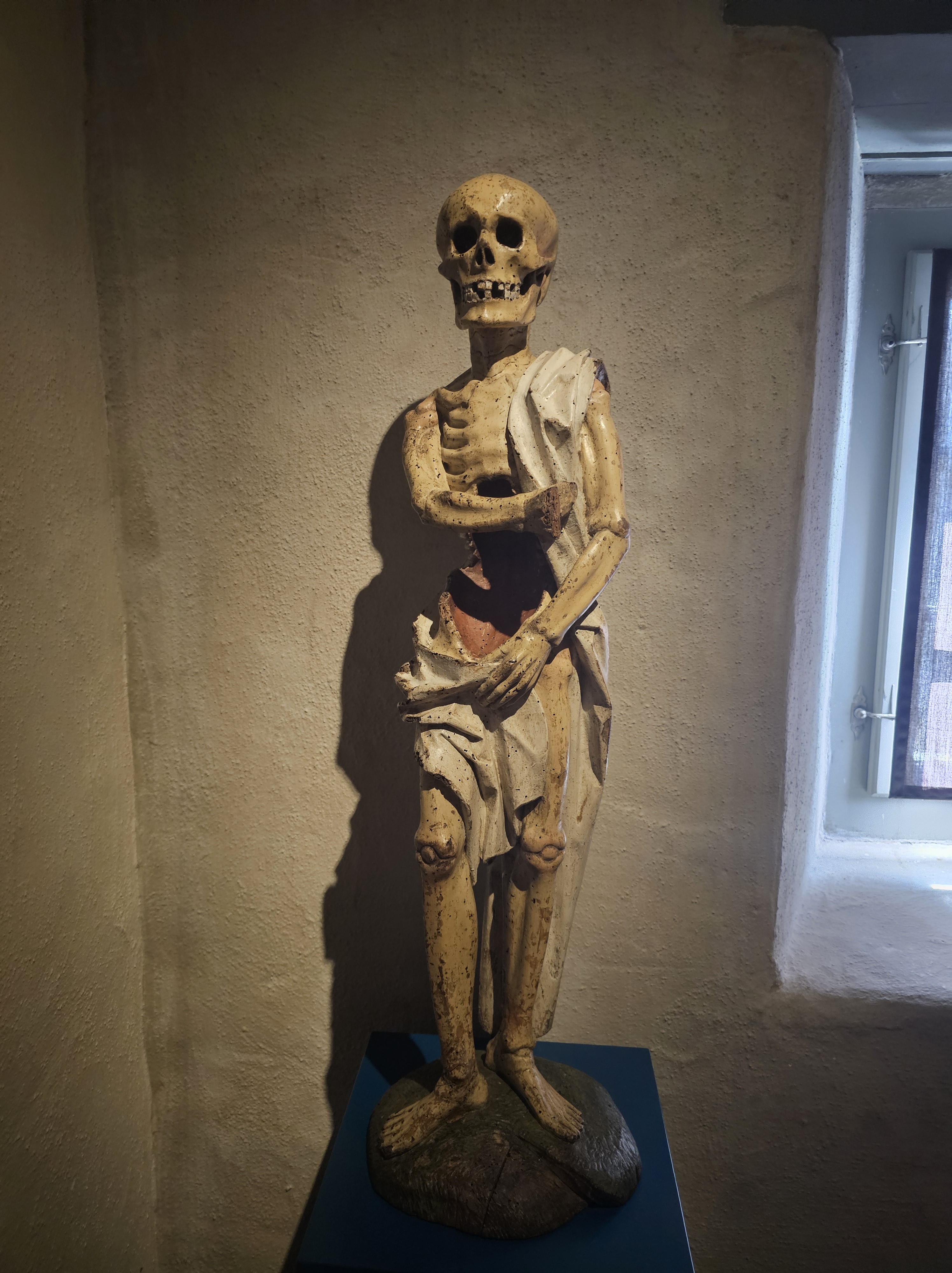
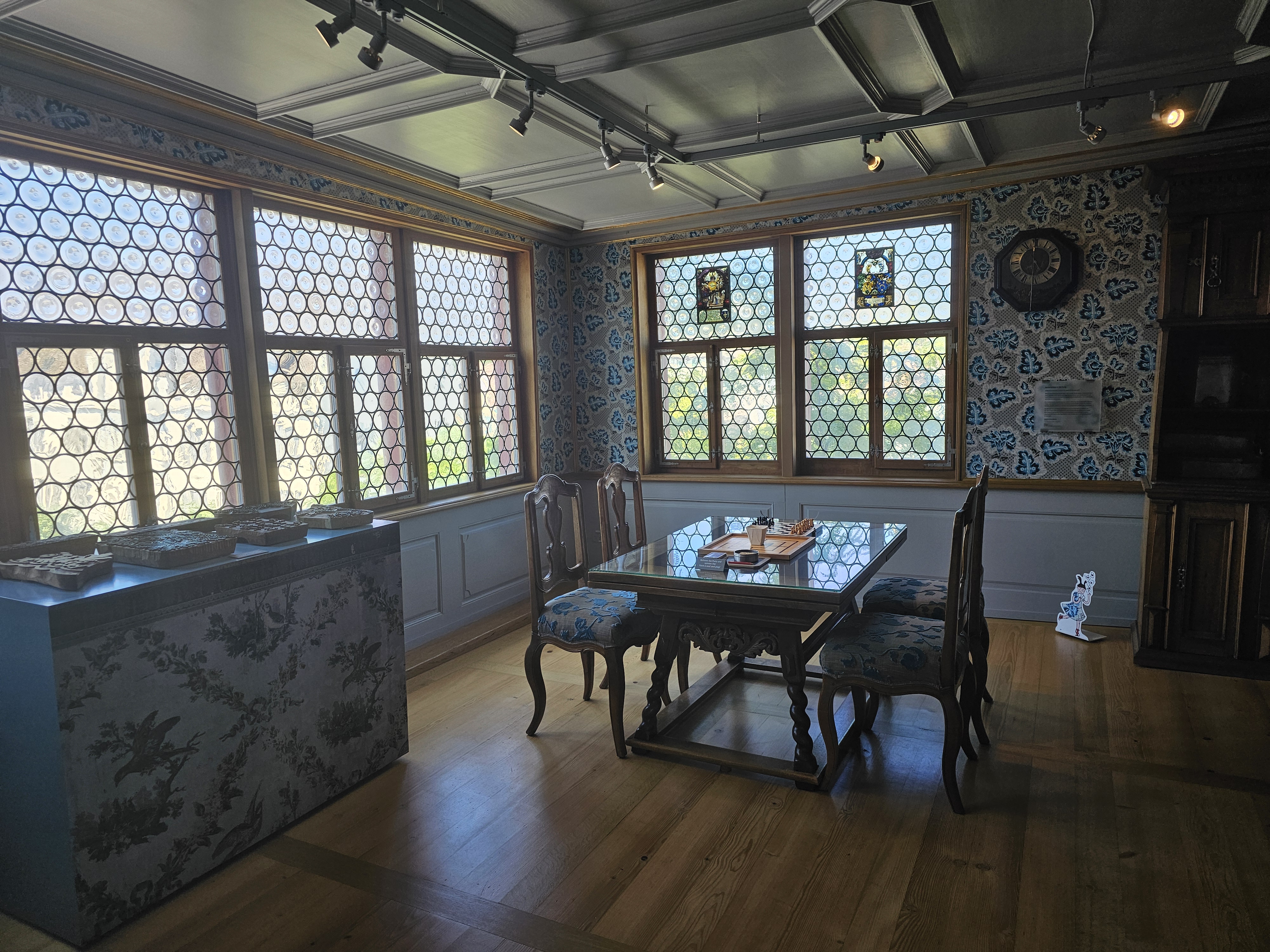
The castle is used almost like a time machine through everyday life in Zug. Instead of filling rooms with display cases, different rooms recreate or preserve ways people lived and worked across the centuries. You move from medieval power and warfare, through religion and the Baroque period, into domestic life of the 18th and 19th centuries and eventually the early 20th century.
What makes it unusual is that the castle itself is part of the story. It began as a medieval seat of authority and was subsequently transformed into the prestigious home of wealthy Zug families, so you’re seeing changing lifestyles inside a building that actually experienced those changes.
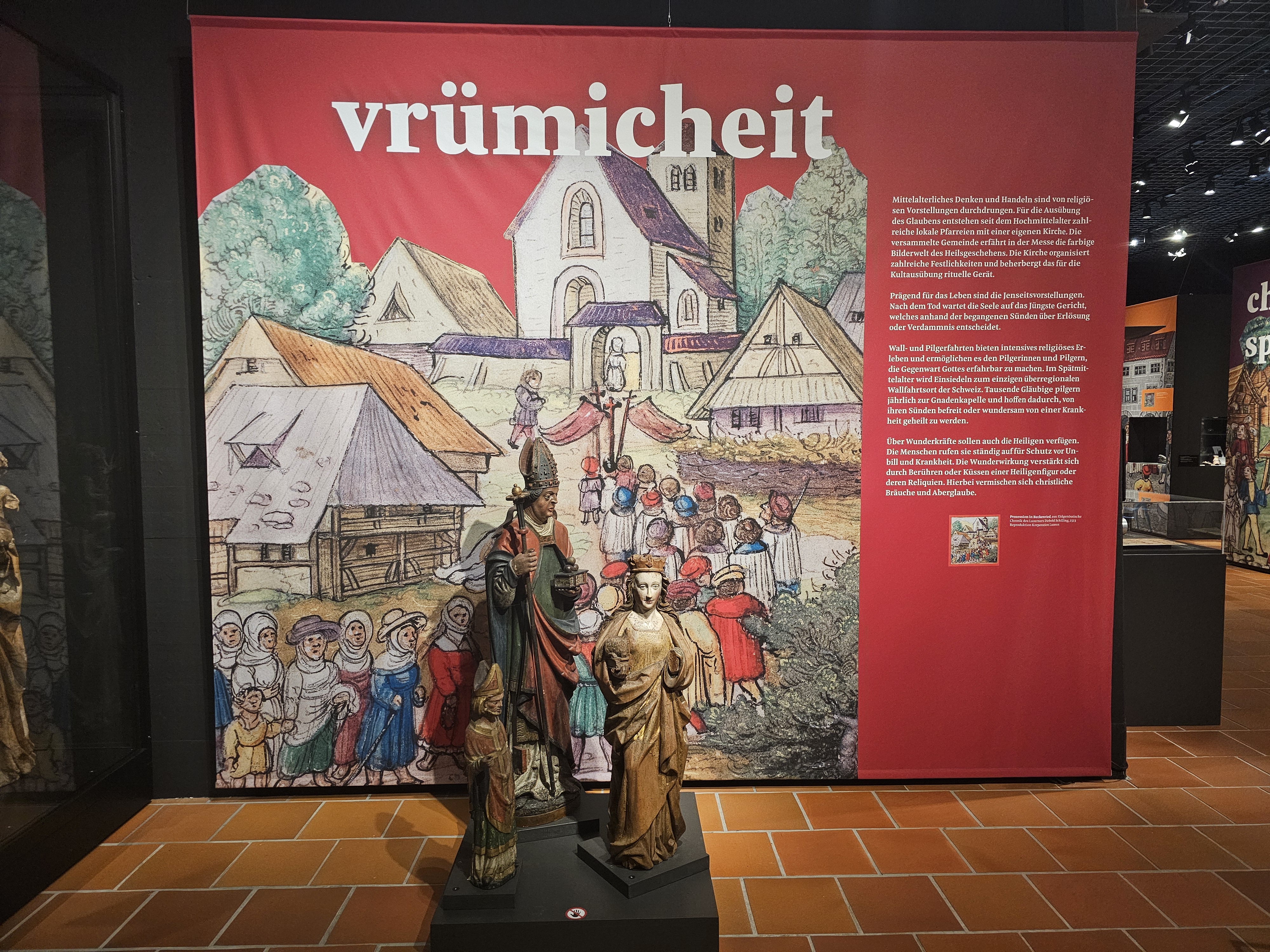
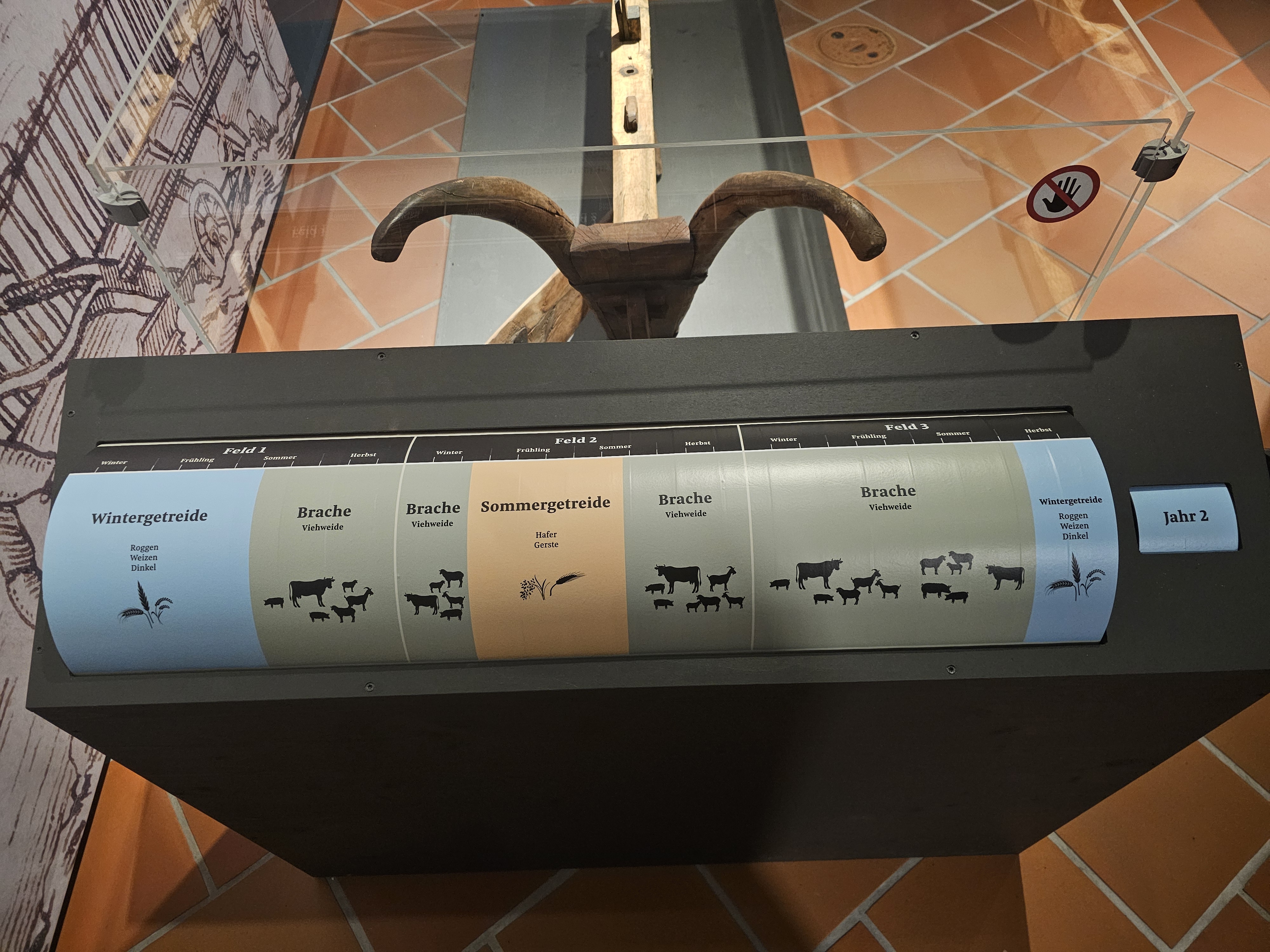
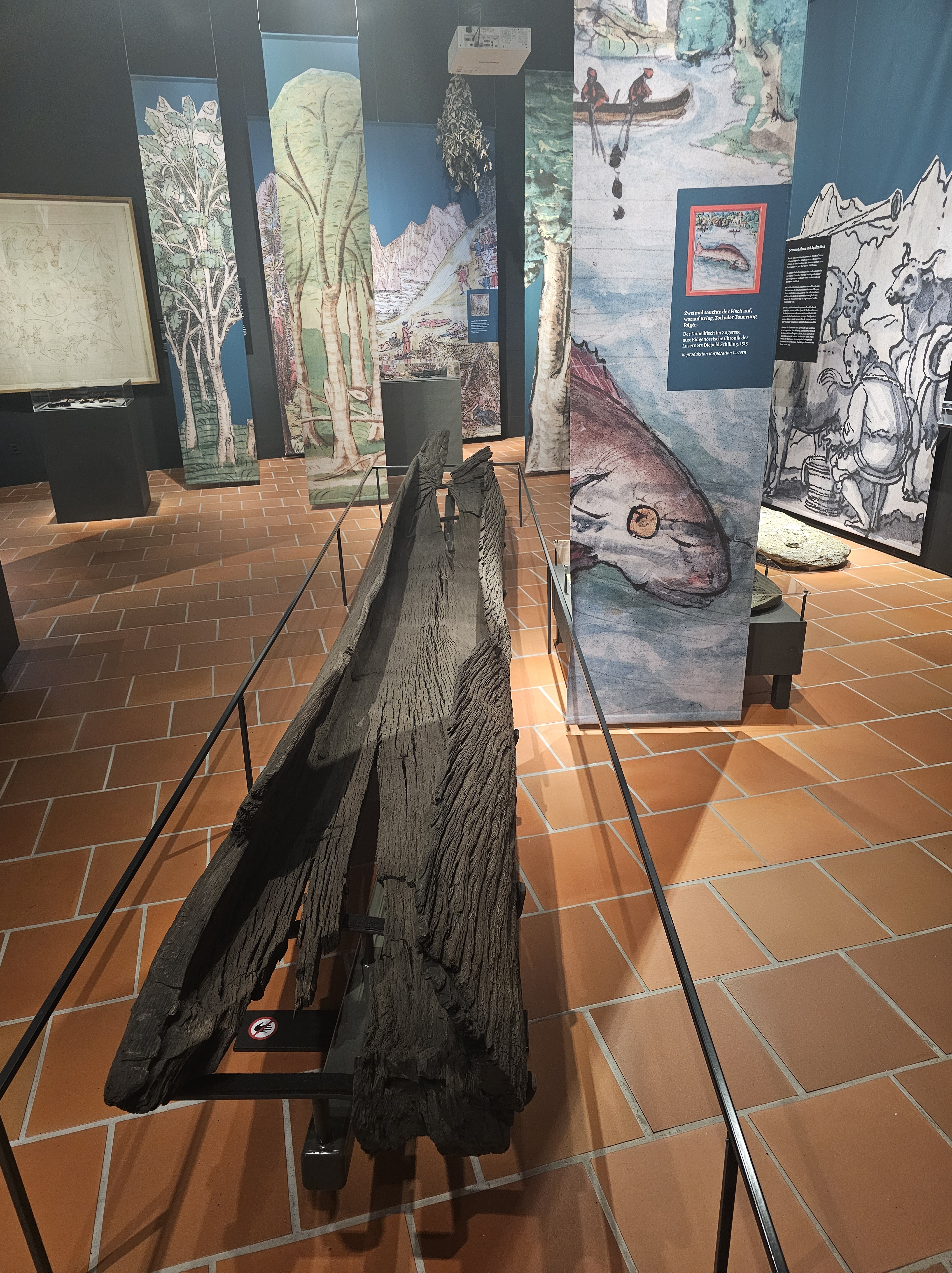
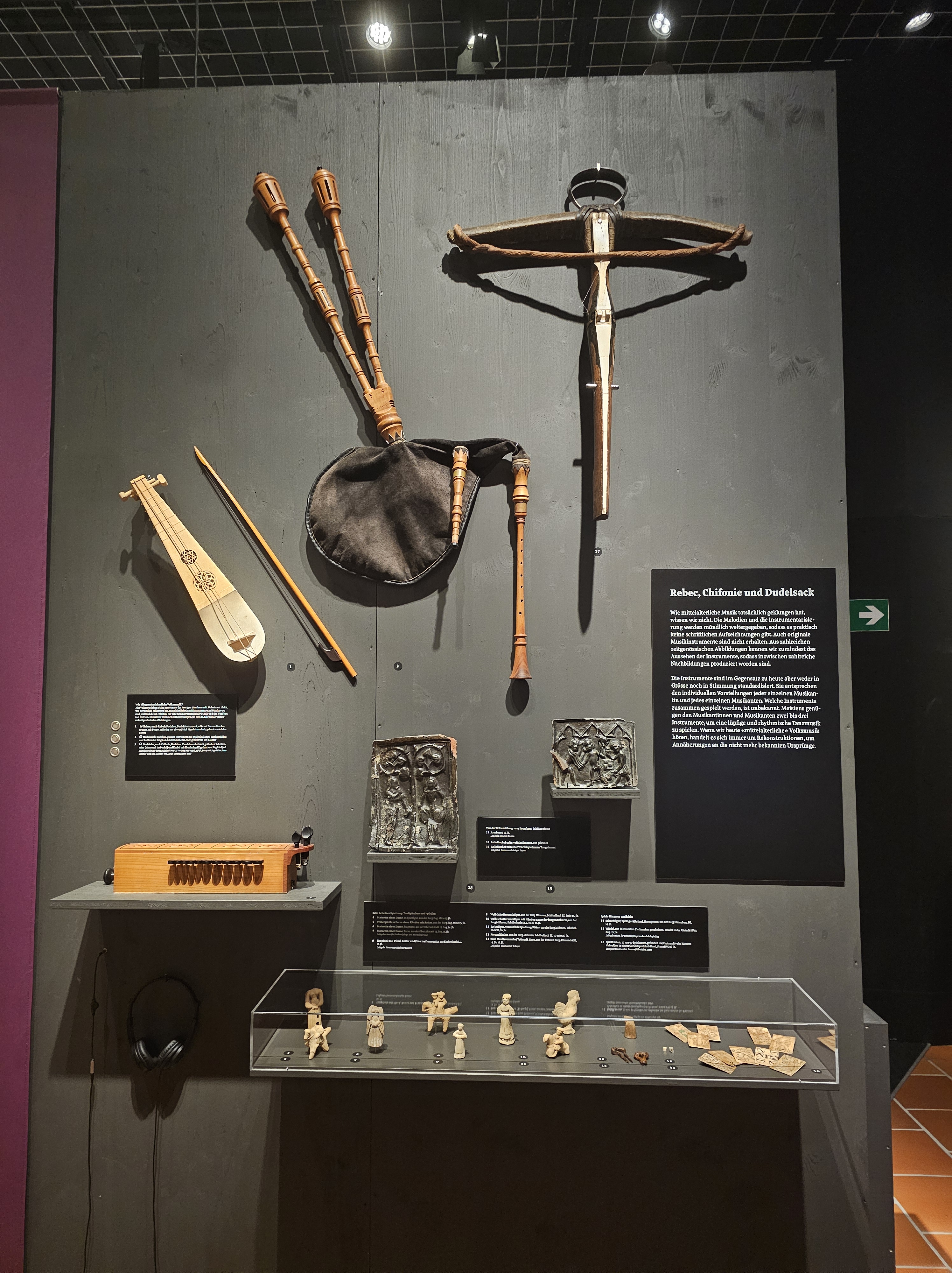
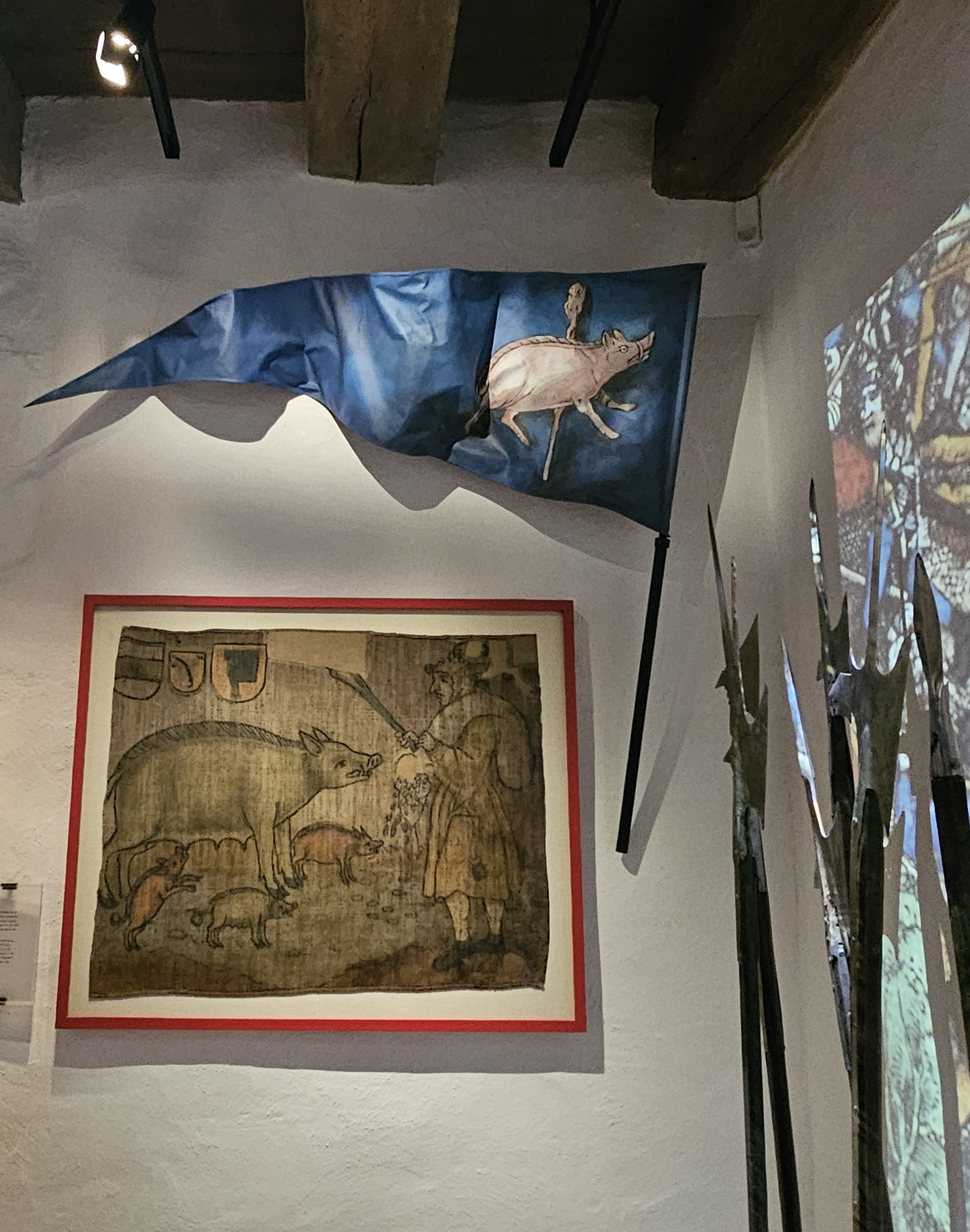
There is also a current special exhibition, “hûs, stat, fëld – The Middle Ages in Central Switzerland,” running until October 2026. It concentrates specifically on ordinary people between roughly 1200 and 1550—their homes, food, crafts, farming, religion and trade—and contains more than 300 historical objects plus an interactive model showing how Central Switzerland changed.
I found this exhibition to be one of the most interesting and informative I have seen and in such a little castel.
THE LITTLE TITBIT
With 26 different building phases and no known original architect, this castle is basically the world’s longest game of ‘who added that bit?’ — every generation just kept bolting more onto it without ever really agreeing on a plan. Very relatable, honestly.
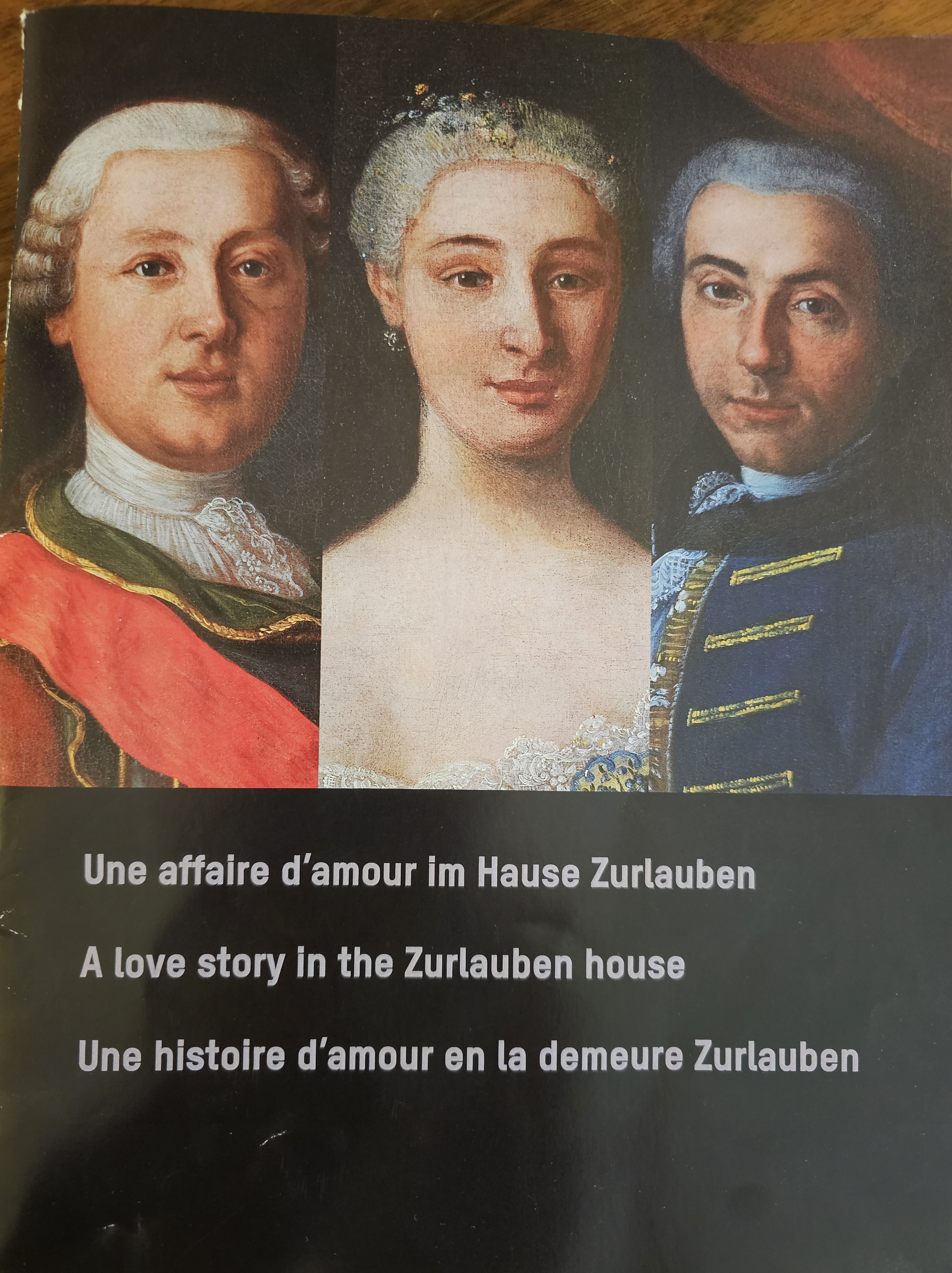
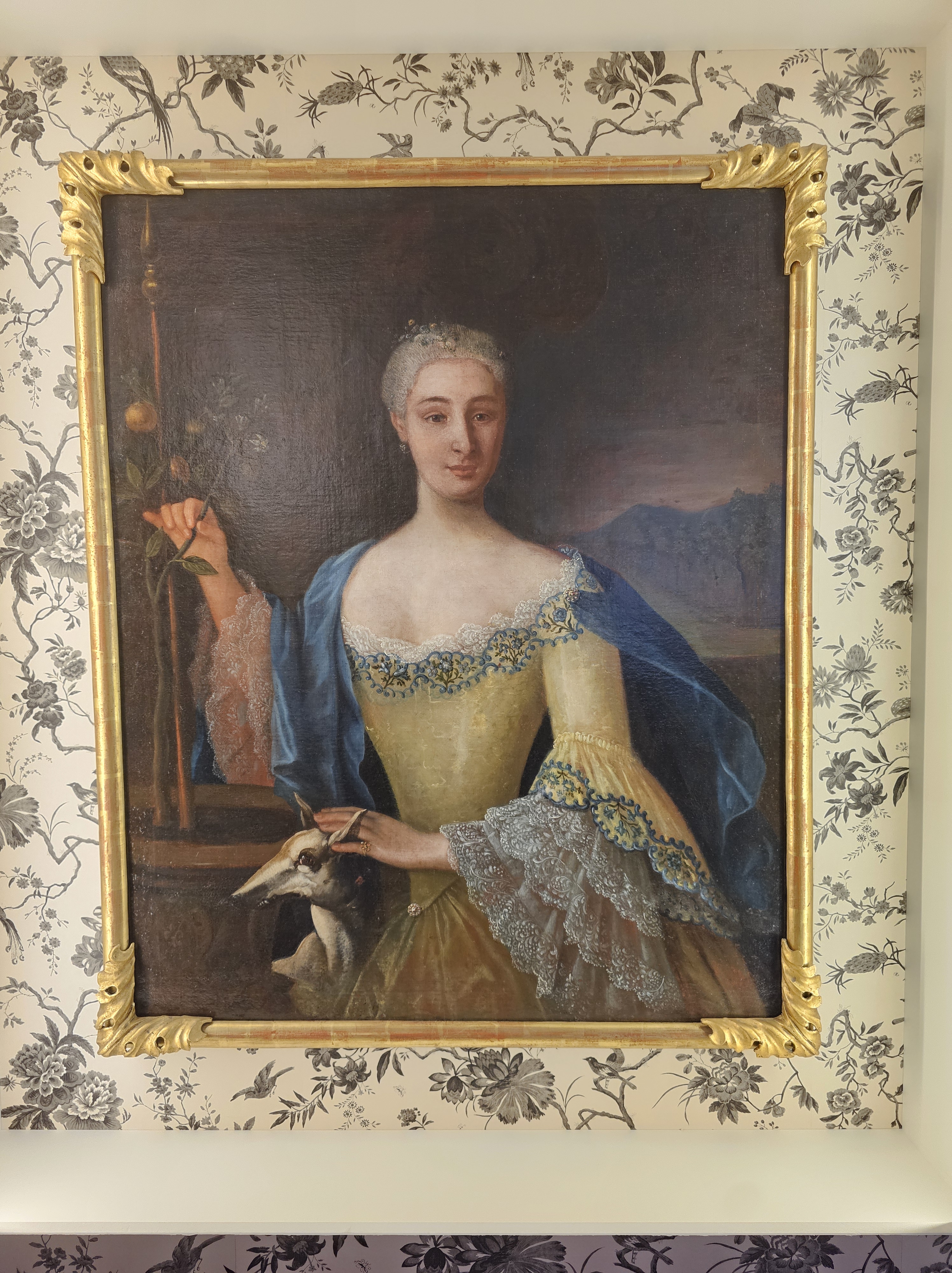
One of the most intriguing stories in Burg Zug is not about battles or politics, but about a forbidden love affair. Beat Fidel Anton Zurlauben was a wealthy Zug officer who spent long periods away from home in foreign military service. Back in Zug, his considerably younger wife was left behind — and apparently rather lonely. During her husband’s absences, she became close to her music teacher, and what began with music lessons eventually developed into a secret love affair.
In the deeply Catholic society of 18th-century Zug, adultery was no small scandal, particularly among a prominent family such as the Zurlaubens. What makes the story so fascinating today is that traces of this very private drama survived in the family archives. In the castle’s Tower Room you can see portraits connected with the story — the absent husband, his young wife and the music teacher who became her lover.
Standing there, you suddenly stop thinking of these people as distant historical figures. You can imagine the husband away for months at a time, the young woman alone in the castle, and the music teacher arriving for his lessons. Three centuries later, the castle still preserves the evidence of a very familiar story: loneliness, temptation and forbidden love.